
Category: Hotels & Accommodation

How to choose hotels, apartments, hostels and resorts by location, total cost, comfort, accessibility and trip style.

  • Renting a Holiday Apartment Abroad: Fees, Safety and Finding the Right Place

    Renting a Holiday Apartment Abroad: Fees, Safety and Finding the Right Place

    A holiday apartment can turn a trip into something closer to everyday life in another place. You shop at a neighborhood bakery, prepare an unhurried breakfast and have somewhere to return when the day becomes too busy. But a short-term rental is not automatically more comfortable or economical than a hotel. Cleaning fees, stairs, check-in systems, neighborhood rules and the reliability of the listing can shape the experience more than the furniture photographs. Choosing well means treating the apartment as a working home for the duration of the trip rather than just a pretty bedroom.

    Decide when an apartment actually adds value

    An apartment is often useful for a family that needs separate sleeping areas, travelers with particular meal routines, people staying longer or groups who want a shared living room. A kitchen can reduce restaurant costs, although only if you plan to use it. On a short city break with an early arrival, a late departure and few hours indoors, a hotel with luggage storage and reception may be simpler. Ask what problems you are trying to solve instead of choosing an apartment merely because it appears larger.

    Think about the people sharing the space. Two adults and teenagers may need private bedrooms, while grandparents may value a lift and a comfortable sofa more than a designer kitchen. Children benefit from a washing machine and quiet sleep arrangements. People with food allergies or strict dietary needs may appreciate control over food preparation, although shared kitchen equipment still requires checking and cleaning. If someone needs step-free movement, ask about the exact route from street to bed and bathroom.

    Compare the total price rather than the nightly rate

    Short-term rentals can include cleaning fees, city taxes, booking fees, security deposits, extra guest charges, parking and linen supplements. Some appear inexpensive until those costs are shown at checkout. Compare total stay cost for the same number of travelers and nights. A hotel breakfast, staffed reception and free luggage storage might offset its higher nightly rate. An apartment may save money on food but require more transport if it is far from the attractions.

    Review cancellation rules in detail. ‘Free cancellation’ can have a strict deadline, and a nonrefundable deposit might not be returned even if travel plans change. Ask how the security deposit is handled, what counts as damage, and when any authorization hold is released. Save screenshots of the listing, fee breakdown and stated facilities. Budget for the possibility of arriving before check-in time without access to the property, particularly with children or a senior traveler.

    Fraud can occur through copied photographs, fake hosts and attempts to move payments to private channels. Use established booking services, read recent detailed reviews and check whether the property has registration or licensing information where local law requires it. Be cautious when an owner sends a last-minute message saying that a payment system is broken and asking for a direct bank transfer. Do not click unexpected payment links without independently verifying them inside the official booking platform.

    Search the address or building context when available, while recognizing that some platforms restrict exact addresses before booking. Look for consistency between photos, room descriptions, guest comments and the host’s communication. Avoid listings with surprisingly low rates for a prime central location combined with urgent pressure to pay. If something feels wrong, contact the platform through its official help channels before sending money or identification documents. The guide to common travel scams explains further warning signs. For EU, Norwegian and Icelandic accommodation bookings, the European Consumer Centres Network private accommodation guidance offers specific advice on payment, cancellation conditions and fake rentals.
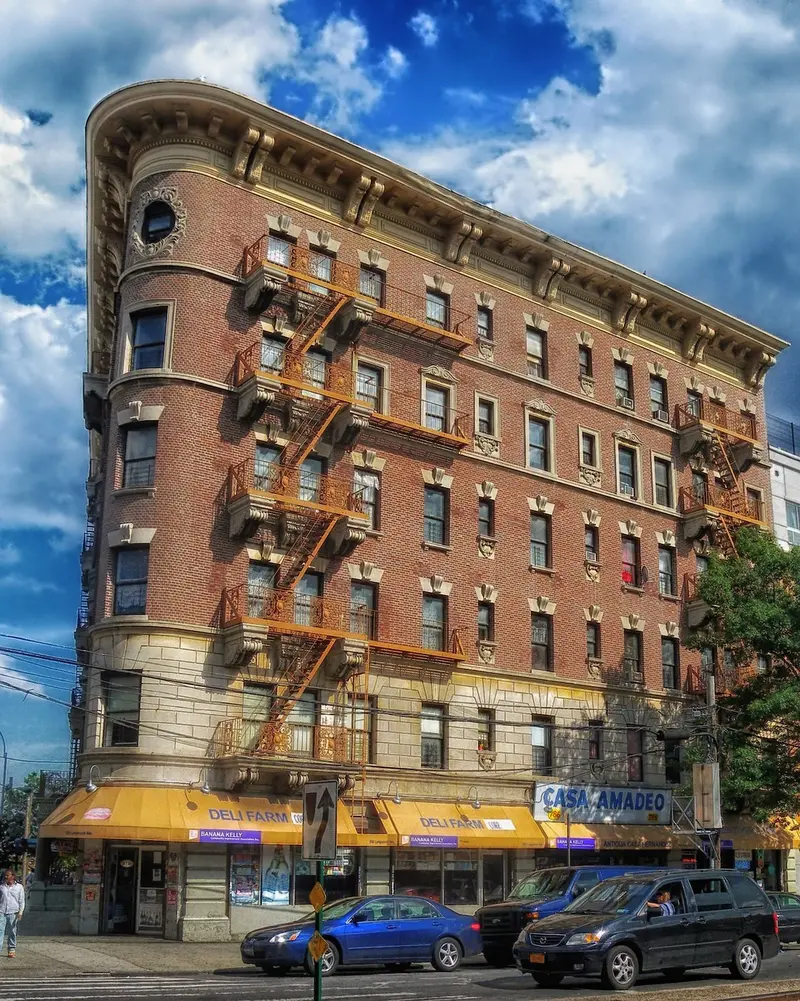
    Bronx Brick Apartment Building New York

    Read the location like someone who will live there

    A property may be ‘ten minutes from the center’ by car but twenty-five minutes from useful public transport. Check the actual route to groceries, transit stops and the places you intend to visit. Look at gradients, cobblestones, busy crossings and how the area feels at night. A steep hillside apartment can be charming yet exhausting with luggage, a stroller or limited mobility. For a car-free holiday, a slightly smaller unit close to a reliable train or metro stop may be the better choice.

    Consider local noise. Apartments above bars or close to a nightlife district can be lively late into the night. Ask about construction, lift reliability and the direction of the bedrooms if quiet sleep is important. A picturesque old building might lack air-conditioning in summer or effective heating in winter. Check whether the neighborhood has shops open when you arrive, especially on Sundays and holidays. A well-chosen location can be worth more than several extra square meters.

    Check sleeping arrangements and the real layout

    Listing terms such as ‘two-bedroom’ or ‘sleeps six’ do not always mean six comfortable permanent beds. A sofa bed in the living room can affect privacy and the ability to use that space after one person goes to sleep. Ask for a floor plan, bed dimensions, bathroom locations and information on connecting or walk-through rooms. If traveling with a baby, verify whether the cot is supplied, included in the price and suitable for the child’s age.

    For older adults or anyone with a mobility limitation, ask how many steps exist before the building entrance, at the lift and inside the apartment. A lift serving the building may begin half a flight above street level. Bathrooms can have high-sided tubs, narrow doors or slippery surfaces. Photos rarely answer these questions well, so request measurements where necessary. Avoid assuming that a property described as ‘accessible’ matches the exact needs of a traveler.

    Understand kitchens, appliances and everyday comforts

    A kitchen photograph with a shiny espresso machine does not guarantee the equipment necessary to cook. Confirm whether there is a refrigerator, suitable pans, a proper stove, plates, knives and enough seating for the group. A dishwasher and washing machine can be valuable on longer trips, but check whether detergent is supplied. Ask about drinking-water safety if the destination has specific advisories. If cooking for someone with a serious food allergy, plan to clean utensils and surfaces carefully and avoid assuming previous guests did so.

    Check Wi-Fi suitability when someone needs to work or contact family, but do not trust the word ‘fast’ without supporting details. If reliable connectivity is essential, ask for recent speed information and keep mobile data as a backup. Verify the availability of heating, cooling, blackout curtains and hot water. If the apartment uses gas equipment, ensure that the property meets local safety standards and that emergency contact information is clear.

    Make check-in simple, especially after a flight

    Some rentals use a keypad or lockbox, others require meeting a representative at a narrow time window. Ask whether an early or late arrival is possible and what happens if your flight is delayed. Keep the full instructions available offline. If entering through a building courtyard or several security doors, photos or a step-by-step description can save time. A parent alone with children or travelers arriving late should not have to solve unclear access instructions on a dark street.

    Know the support procedure if the code fails, the keys are missing or the apartment is not as advertised. A legitimate host should provide a reliable contact channel and explain how urgent problems are handled. On arrival, briefly document any existing damage and report serious issues promptly through the booking system. Avoid treating minor cosmetic imperfections as emergencies, but do not stay silently in an unsafe or materially different accommodation.

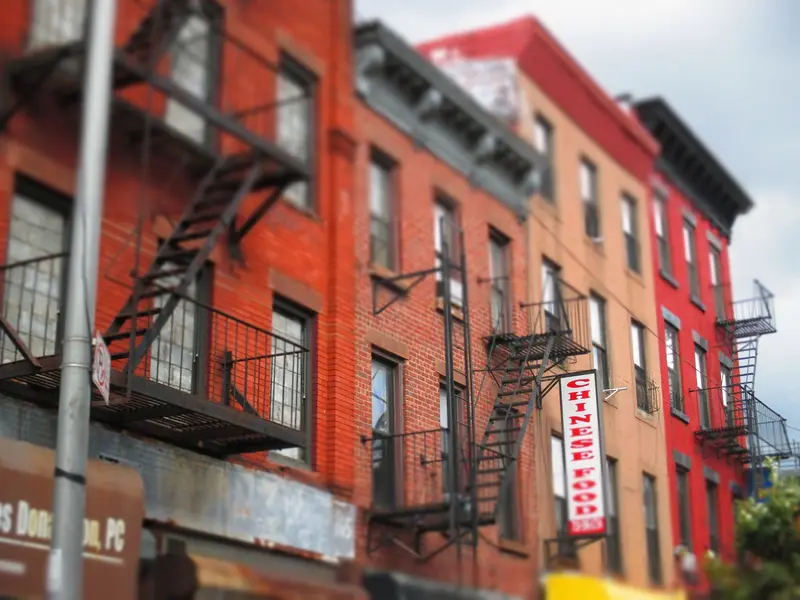
    New York Chinatown Apartment Facades And Fire Escapes

    Respect building rules and the people who live nearby

    In a residential building, your holiday is taking place beside ordinary lives. Observe quiet hours, avoid blocking shared entrances and dispose of rubbish in the required way. Do not invite extra people if occupancy rules prohibit it. Some cities have substantial tensions around short-term rentals and housing availability; choosing legally operated accommodation and spending locally can be more responsible than assuming any listing is acceptable.

    Ask whether local regulations limit rentals or require guest registration. Rules are different across destinations, and a host’s assurance alone may not be enough where official registration is mandatory. A considerate guest protects the property’s reputation and the experience of future visitors. The goal is to enjoy a place as a temporary neighbor, not to act as though the entire building is part of a tourist resort.

    Budget for groceries and transport honestly

    Self-catering saves money when it replaces restaurant meals you would otherwise buy. It is less compelling if you enjoy eating out every evening and purchase more groceries than you can finish. Make a short first-day shopping list and plan a few easy meals rather than filling a refrigerator with ambitious ingredients. Choose accommodation near a supermarket or market with hours that work for your arrival. Remember that carrying groceries up several flights of stairs can become tiring.

    Balance the apartment’s total cost against public transit and taxi expenses. A central rental with a slightly higher nightly price may reduce daily travel costs and allow an older companion to return for an afternoon rest. For a longer stay, the option to cook, wash clothes and spread out can be worth paying for. For a two-night stay with a midnight arrival, paying for a straightforward hotel might create a more enjoyable trip.

    Apartment versus hotel decision table

    Traveler need Apartment advantage Hotel advantage
    Longer family stay Kitchen, laundry, separate rooms Housekeeping and reception
    Late flight Flexible self-check-in if confirmed Staffed desk in many properties
    Limited mobility Accessible unit possible if verified More standardized access support in some hotels
    Strict food routine Independent preparation Less shopping and cleaning
    Short urban break Neighborhood atmosphere Luggage storage and simpler logistics

    A pre-booking message worth sending

    Ask the host in one concise message: ‘Could you confirm the exact bed layout, steps from the street, current check-in procedure, kitchen facilities, heating or cooling, and the full cost including taxes and cleaning?’ Add your specific needs rather than sending a broad ‘Is it nice?’ request. The clarity and speed of the response can tell you as much as the property photographs. Keep the answers in the booking record rather than in a temporary private chat.

    For further preparation, compare hotel, apartment, hostel and resort options, travel money and payment costs, traveling with parents and older adults and planning a practical itinerary. Avoid sharing personal travel documents through an unverified link or service.

    Frequently asked questions

    Is a holiday apartment always better for families?

    No. Kitchens and bedrooms can help, but steps, distant transport and the lack of staffed support may create difficulties. Compare the entire stay, including child equipment, location and check-in flexibility.

    What if the host asks me to pay outside the platform?

    Pause and verify the request through the booking service’s official communication channels. Be especially cautious about unexpected bank transfers or urgent links sent after the reservation is confirmed.

    Can I assume the advertised number of guests means proper beds?

    No. Ask for an exact room and bed breakdown, including sofa beds and cots. The advertised capacity may satisfy occupancy rules but not your family’s preferred sleeping arrangement.

    When should I choose a hotel instead?

    A short trip, very late arrival, need for continuous assistance or strong preference for on-site services can make a hotel a better value even at a higher room rate.

  • Hotel, Apartment, Hostel or Resort? How to Choose the Right Place to Stay

    Hotel, Apartment, Hostel or Resort? How to Choose the Right Place to Stay

    The best type of accommodation is not a universal category. A hotel can be perfect for a two-night city break and frustrating for a ten-night family holiday. An apartment can feel like excellent value until cleaning fees, luggage storage and a late self-check-in are added. A hostel can be sociable and central, while a resort can simplify a difficult family trip by putting food, pools and activities in one place.

    The useful question is not “Which is best?” but “Which problems do I want the accommodation to solve on this trip?”

    Choose by need, not label

    • Short stays usually reward convenience and easy check-in.
    • Longer stays increase the value of laundry, kitchens and living space.
    • Location often matters more than room size on sightseeing-heavy trips.
    • Families should compare sleeping layout, not just maximum occupancy.
    • Older travellers and anyone with mobility needs should verify access from street to room.

    1. Compare the total stay cost

    Do not compare a nightly hotel price with an apartment’s base rate. Add cleaning fees, resort or destination fees, local taxes, breakfast, parking and any mandatory charges. Then divide by the number of nights. Some fee structures make apartments poor value for one or two nights but very competitive for a week.

    Also price the services you will actually use. Free breakfast has value only if it suits your schedule and diet. A kitchen saves money only if you plan to cook or need it for children. Daily housekeeping may matter a lot on a short luxury break and very little on a long trip where you prefer privacy.

    2. Location can be worth more than a larger room

    Map the property against the places you will visit, not against the geometric centre of the city. A hotel beside the main station can be ideal for day trips but noisy at night. An apartment in a residential area can feel authentic but add 40 minutes of transport every day.

    • Walking time to useful transport
    • Evening food options
    • Airport or station access
    • Noise from nightlife or traffic
    • Gradient and stairs on the surrounding streets
    • Availability of supermarkets, pharmacies and laundry
    • How safe and comfortable the route feels late in the evening

    3. When a hotel is the easiest choice

    Hotels work especially well for short stays, late arrivals and trips with frequent city changes. Reception can solve problems, hold luggage and provide a predictable check-in process. Daily housekeeping and on-site breakfast can reduce planning when the trip itself is busy.

    Hotels can be less comfortable for families if everyone shares one room, and restaurant meals for every breakfast and dinner can become expensive. Room size also varies enormously between destinations, so square metres are more informative than photographs taken with a wide-angle lens.

    4. When an apartment wins

    Apartments become particularly useful when the trip lasts several nights and daily life matters: breakfast at your own pace, storing snacks, doing laundry, putting a child to sleep in a separate room or simply sitting somewhere that is not a bed.

    Red Brick Apartment Buildings With Fire Escapes New York

    The trade-off is usually service. Self-check-in can be convenient until a code does not work at midnight. Luggage storage before check-in or after checkout may not exist. If the property is in a residential building, lifts can be small or absent. Read access instructions and recent reviews carefully.

    5. Hostels are not only for 20-year-old backpackers

    Modern hostels range from basic dormitories to private rooms with hotel-style bathrooms. They can be useful for solo travellers who want social spaces, central locations and access to shared kitchens. Private rooms may suit couples or older travellers comfortable with a lively environment.

    Check whether the room is private or dormitory, whether the bathroom is ensuite, whether towels are included, quiet hours, lift access and the age profile of the property. “Hostel” describes a format, not a guaranteed atmosphere.

    6. When a resort makes sense

    Resorts can be good value when you intend to use the facilities. Pools, beach access, children’s clubs, entertainment and several restaurants reduce the need for daily logistics. This can be particularly valuable on family trips where adults want some downtime.

    A resort can be poor value when your plan is to leave early every morning and return after dinner. In that case, you may be paying for facilities you never use and a location far from the places you actually want to see.

    A resort pool reflecting palms and the evening sky in Tenerife

    7. Family accommodation: look at sleeping zones

    A listing that sleeps four may mean one double bed and one sofa bed in the same room. For a family with a young child who sleeps at 8 p.m., that arrangement can effectively end the adults’ evening. A one-bedroom apartment or connecting hotel rooms may cost more but transform the trip.

    Check cot availability, high chairs, laundry, kitchen equipment, pool fencing where relevant and whether balconies are suitable for your family. Never assume a property marketed as family-friendly has the specific safety features you need.

    8. Solo travellers: security and social needs are different choices

    A central hotel with 24-hour reception may feel reassuring for a first solo trip. A hostel can make meeting people easier. An apartment offers privacy but may feel isolated if the entrance is on a quiet street and there is no staff onsite. Choose based on how you want the trip to feel, not only on price.

    9. Older travellers and accessibility

    Verify details rather than relying on the word “accessible.” Ask about steps from street to reception, lift dimensions, bathroom layout, shower access and distance from transport. A property on a steep hill can be difficult even if the room itself is perfect.

    If luggage handling is a concern, a staffed hotel may be easier than a walk-up apartment. The best accommodation is the one that reduces effort throughout the stay.

    10. Read reviews for patterns, not individual drama

    Recent reviews are most useful when several people mention the same practical issue: street noise, weak air conditioning, poor cleanliness, tiny lifts, difficult check-in or unreliable Wi-Fi. One unusually angry review may tell you little; ten similar comments tell you much more.

    Filter by traveller type where the platform allows it. A couple on a weekend can have a different experience from a family staying ten nights.

    New York Apartment Buildings And Neighborhood Street

    11. Read accommodation photos like a floor plan

    Look for the things photographers do not emphasize: storage, sockets near the bed, curtains, the distance between beds, shower access, kitchen workspace and windows. If a listing shows 40 photographs of the lobby and only one of the bathroom, pay attention.

    12. Flexible booking can be worth a premium

    Early in the planning process, a flexible rate keeps the itinerary adjustable. You may later find a better flight, decide to add a night elsewhere or discover that a different neighbourhood fits the trip better. Compare the price difference with the value of being able to change your mind.

    13. Arrival and departure logistics matter

    A property may be excellent during the stay but awkward at the edges. If you arrive at 8 a.m., can it store luggage? If the flight leaves at 10 p.m., is there somewhere to wait? Does a late arrival incur a fee? Is reception open? These questions matter more on short trips because a few inconvenient hours represent a large part of the holiday.

    A simple accommodation decision table

    If your priority is…Start by looking at…Then verify…
    Easy two-night city breakHotelLocation, noise, breakfast, luggage storage
    Week with young childrenApartment or family hotelSleeping zones, kitchen, laundry, lift
    Social solo tripHostel/private hostel roomAtmosphere, bathroom, lockers, quiet hours
    Relaxing beach holidayResortBeach quality, meal plan, transfers, what is included
    Mobility comfortStaffed hotel or verified accessible propertyStreet access, lifts, bathroom and transport distance
    Long stayApartment/aparthotelLaundry, kitchen, workspace, local services

    Accommodation is the base that either supports or complicates the rest of the trip. Choose it after you understand the daily route, not before. A room you enjoy returning to is useful; a room that saves an hour of unnecessary travel every day is even more useful.

    Practical notes that make the plan work in real life

    Before departure, write the critical information in one place: booking references, the first accommodation address, transport details, insurance contact if applicable, and the phone numbers you would need if your device stopped working. Keep a secure offline copy as well as the online version. This is a small task, but it prevents several common travel problems from becoming larger than they need to be. Build margins around the parts of the trip that are difficult to replace. A local café can move to another hour; an international flight cannot. A free neighbourhood walk can be shortened; a prepaid tour may have a fixed departure. Giving the least flexible items more time is a better strategy than trying to make every minute efficient. Finally, review the plan from the perspective of the least experienced or least mobile traveller in the group. Check the distance from platform to hotel, how luggage will be handled, where meals can happen and what the alternative is if the day becomes too hot, wet or tiring. A plan that still works on an imperfect day is usually a strong plan.

  • Hotel Resort Fees, City Taxes and Deposits: Know the Real Price Before You Book

    Hotel Resort Fees, City Taxes and Deposits: Know the Real Price Before You Book

    A hotel that appears affordable in the search results can become a much more expensive choice by checkout. Local accommodation taxes, compulsory facility charges, refundable security deposits, parking, breakfast, and currency conversion may all affect the bill. Some amounts are paid when you reserve; others are collected at arrival or departure. These differences matter when comparing a family room with an apartment, a business hotel with a resort, or two properties in different countries. The goal is not to avoid every extra charge. It is to identify what you actually owe, when the money leaves your account, and which amounts will return. The most useful hotel comparison is a written total for the same dates, people and services, not the cheapest-looking nightly rate.

    At a glance

    • Check exact conditions before booking, rather than relying on a universal rule.
    • Choose arrangements that work for the ages, abilities and interests of your group.
    • Keep a practical alternative in case prices, weather or access change.

    Separate the room price from the final cost

    Start with the exact dates, occupancy, ages of children and preferred cancellation terms. On each booking page note the accommodation subtotal, applicable taxes, mandatory property fees and anything paid locally. Compare the final cost of the whole stay rather than multiplying the first nightly price by the number of nights. A property that quotes a low weekday rate may charge more on Saturday, and a cleaning fee can make a short apartment stay disproportionately expensive. A room advertised for two adults may not include an extra bed or cot. The sensible comparison asks what the room provides for this particular group, not what the headline suggests.

    Build a tiny calculation with four columns: amount, reason, payment date and refundability. For example, imagine one property asks for a total of 520 units including mandatory charges, while another advertises 470 but requires 80 more for parking and breakfast that your group actually needs. The second is no longer automatically the bargain. Keep currencies consistent and add payment or conversion costs only where they genuinely apply. Taxes or fees shown as estimates must be checked again before authorizing payment.

    Understand compulsory resort and facility fees

    A resort or destination fee may cover access to a pool, gym, Wi-Fi or another facility, even if you do not intend to use it. Whether such fees are permissible, and how a seller must advertise them, depends on the law governing the transaction. In the United States, the FTC rule on unfair or deceptive fees requires covered short-term lodging sellers to prominently display a total price including mandatory fees, while allowing certain taxes and genuinely optional items to be itemized later before payment. This does not mean every country follows the same disclosure system, or that all accommodation fees are illegal.

    Coastal resort hotels along Tenerife’s southern shore

    If the listing seems ambiguous, send the property a precise question: “For two adults and one child staying four nights, what is the full amount including mandatory property charges and local taxes?” Save the written answer. Do not assume you can refuse a compulsory charge after arrival simply because you will not use the service. Conversely, if the hotel describes a paid service as optional, check how to decline it without leaving a preselected purchase in place.

    City and tourist taxes vary by destination

    Tourist or occupancy taxes may depend on the municipality, accommodation category, number of guests, age exemptions, nightly price or length of stay. Some are collected by the booking platform, some by the hotel and some split between the two. A city may change the amount during the year; another destination may apply a percentage instead of a fixed sum. It is therefore risky to copy a tax figure from an old travel blog into a current budget. Look for the local authority’s information and ask the accommodation how its collection process works.

    Families should not assume that every child is charged like an adult. Likewise, senior discounts, resident exemptions and business-related exemptions are not universal. If the listing says a tax is payable locally, plan to have the accepted payment method available on arrival. A card-only hotel may treat cash differently from a rural guesthouse. Request a receipt that distinguishes the tax from the room charge in case a duplicate amount appears later.

    What is a security deposit or card preauthorization?

    A refundable deposit is not automatically a fee. A hotel may temporarily authorize an amount against a credit card for incidentals or damage, reducing the spending limit available until the hold is released. Another property may collect and later refund actual funds. The difference matters for travelers using debit cards, limited credit limits or prepaid travel cards. An authorization might appear on the account without a final settled payment; release timing depends on the property and the card issuer, not only on the front-desk promise.

    Before booking, ask for the amount per stay or per night, whether the property requires a credit card, whether cash is acceptable, and when it initiates release. If you reserve several hotels on a road trip, overlapping holds can become a genuine cash-flow problem. Consider spreading reservations across cards only if it is manageable and never count on a released hold becoming available instantly. Retain the checkout receipt and contact your bank if a hold persists beyond the issuer’s stated timeframe.

    Deposits, damage claims and a simple room inspection

    A damage deposit for an apartment or holiday home deserves additional attention because the host may inspect the unit after you leave. Before unpacking, photograph any existing stains, broken fixtures or damaged furnishings and report them through the booking platform’s message system. Use ordinary photographs that respect other guests’ privacy. At checkout, follow the agreed process for keys, waste, dishes and inventory. Do not make the mistake of assuming a deposit allows normal cleaning duties to become unspecified extra charges; read the property’s actual terms.

    If a deduction appears, request the reason, dated evidence and the relevant contractual provision. Dispute it through the original booking platform or card provider when appropriate rather than sending money via an unexpected personal payment link. The strongest claim is a factual timeline with photographs and receipts, not an angry review written before the host responds. Travel insurance may not cover an ordinary contractual disagreement, so check the policy rather than relying on it as a universal solution.

    Breakfast, parking and transport can change the verdict

    Consider the price of the services you will actually use. A family expecting early starts may benefit from breakfast included in the room, while two travelers who enjoy neighborhood cafés might prefer a lower room-only rate. Parking costs are crucial in dense historic centers and may involve off-site facilities with restricted access hours. Airport transfers, shuttle reservations, electric-vehicle charging and laundry may each have separate rules. Hotel Wi-Fi that is nominally free might not meet the needs of a remote worker; verify bandwidth or a quiet workspace if the trip depends on it.

    A cheaper hotel thirty minutes from the city can still be excellent if it sits near a frequent, accessible public-transport route. But an isolated property that forces expensive taxis every evening changes the economics. Add the likely round-trip transport bill and the value of flexibility before deciding. For a group with a wheelchair or stroller, a step-free route may matter more than saving a small amount on the nightly rate.

    Cancellation and no-show charges require careful reading

    Free cancellation usually ends at a particular local time and date. It can apply only before a deadline and may exclude prepaid extras, a nonrefundable first night or a particular package. Some platforms present rates with different cancellation conditions under the same room name. Read the exact offer selected at checkout, not merely the property overview. A hotel may also charge for no-shows or early departures under the booked policy even if you did not sleep in the room.

    Save the confirmation showing price and conditions, and make modifications within the booking system rather than assuming a message to reception changes the contract. If your flight is delayed, notify the hotel of a late arrival and ask whether reception or self check-in remains available. An insurance policy might reimburse some interruption losses in defined circumstances, but the hotel’s cancellation rules still matter independently.

    Paying in another currency without guesswork

    If a booking platform offers to display prices in your home currency, distinguish a convenient estimate from the currency that will actually be charged. Dynamic currency conversion at a terminal may use a different rate or markup from your card network; compare options if offered and understand your bank’s foreign transaction fee. The final amount in a foreign currency can vary slightly with the exchange rate between reservation and charge, especially where the rate is not prepaid.

    At check-in, ask the property to confirm the amount and currency before signing. Keep the invoice until charges and any holds are reconciled. Avoid handing over a photo of your card or sending card details through an unsecured chat. If a property unexpectedly changes its payment link or bank details, verify through an independent official contact method before paying.

    Families, older guests and accessible accommodation

    The lowest-priced room is not necessarily usable. Verify lift dimensions, step-free entrance, bathroom arrangement and accessible routes by asking for measurements or recent photographs. A hotel can advertise accessibility while individual rooms have different layouts. For babies, confirm cot availability and whether additional bedding incurs a charge. For larger families, check occupancy rules, connecting-room guarantees and whether a sofa bed is suitable for the intended sleeper. None of these details should be assumed from a room category label.

    Older travelers may benefit from an accessible entrance, a reliable reception desk and quiet accommodation near transport more than an included rooftop-bar credit. List the features essential to each traveler, separate them from desirable extras and compare complete prices for rooms that meet the essentials. This makes the choice safer and avoids paying extra at arrival for a room change that should have been resolved before booking.

    A worked comparison for a four-night stay

    Imagine two imaginary hotels in the same city. Hotel A costs 125 per night, includes breakfast, charges a total local tax of 24 and places a refundable card hold of 150. Hotel B costs 108 per night, charges 18 per person for breakfast each morning, collects the same tax and has no deposit. Two adults having breakfast every day would spend 524 at A and 600 at B before any optional services; the 150 at A is temporary blocked credit rather than a genuine additional stay cost. This is an illustration, not a quote from a real hotel. Change every input to match the travelers and their selected room.

    Run a second calculation for two adults who skip breakfast. Hotel B then becomes 456, and could be the lower-cost choice if location and standards are comparable. The lesson is that one universal hotel ranking cannot serve every traveler. A clear spreadsheet or note is more dependable than a search filter sorted by nightly rate alone.

    Final booking checklist

    Before paying, confirm the total amount, payment currency, card guarantee, deposit policy, local taxes, cancellation deadline, check-in hours, bedding and essential facilities. Make screenshots of the price breakdown and keep the booking reference offline. Ask the hotel to clarify any charge that appears only in small print. On departure, obtain a final invoice and check card activity for settled charges versus temporary authorizations. A careful five-minute check can prevent spending the first morning of a vacation arguing over a bill.

    Frequently asked questions

    Are resort fees illegal?

    No universal rule makes all resort fees illegal. Disclosure obligations and consumer protections depend on jurisdiction. In the United States, covered short-term lodging advertisements must display the required total price including mandatory fees under the FTC rule; travelers should still read the final itemization.

    Is a hotel deposit the same as a payment?

    Not necessarily. A card authorization reserves spending capacity, while a collected deposit is actual money transferred and later potentially refunded. Ask which type the property uses and how long release may take.

    Do children pay city taxes?

    Sometimes, but many destinations use age-related exemptions or different rates. Verify the current municipal rule and the hotel’s collection process rather than assuming a standard worldwide policy.

    Will a hotel release my deposit immediately?

    It may authorize release promptly, but the bank or card issuer controls when the available balance updates. Retain the checkout documentation and ask for help if the hold remains beyond the timeframe your issuer provides.

    Should I always book the cheapest refundable room?

    Only if it also meets location, comfort, accessibility and occupancy needs. Compare total costs and exact cancellation conditions, including nonrefundable extras, not just the rate label.

    Quick comparison

    Decision What to check
    Mandatory property charge Include in the total stay cost
    Tourist tax Check current municipality and collection method
    Security hold Check impact on available credit
    Optional services Count only services your group needs

    Official resources and further reading

    Rules and availability may change. Check these sources and the relevant local operator before booking.