Category: Oceania

Travel guides for Australia, New Zealand and the Pacific region, with transport, itinerary and seasonal planning advice.

  • Melbourne and the Great Ocean Road in 7 Days: A Road Trip With Realistic Stops and Driving Times

    Melbourne and the Great Ocean Road in 7 Days: A Road Trip With Realistic Stops and Driving Times

    The Great Ocean Road is often sold as a single spectacular drive, but the quality of the trip depends on where you sleep and how much road time you accept each day. Trying to leave Melbourne, stop at every beach, reach the Twelve Apostles, continue to Port Campbell and return to the city in one day can produce impressive photographs and a very tiring holiday. A week gives you enough time to enjoy Melbourne first, then drive the coast with two or three sensible overnight bases.

    This route is built for first-time visitors who want a mix of city, surf-coast scenery, rainforest, limestone formations and small coastal towns. It does not treat every lookout as mandatory. Instead, it identifies the stretches where stopping often makes sense and the sections where simply enjoying the road is the better choice.

    Quick trip summary

    • Spend at least two nights in Melbourne before collecting a rental car.
    • Use Torquay/Lorne and Port Campbell as the main coastal bases instead of changing hotels at every town.
    • Drive the Great Ocean Road in daylight; wildlife, bends, weather and viewpoints make night driving a poor trade-off.
    • Choose a few major coastal formations rather than stopping at every signed lookout.
    • Return inland toward Melbourne if it saves time; you do not need to retrace every kilometre of the coastal road.

    Who this itinerary is for — and when to change it

    This route is designed for a first visit with a moderate pace. It assumes you want the destination’s defining experiences without turning every day into an early start, late arrival and luggage transfer. Couples, solo travellers, families and mixed-age groups can all use the same geographic structure, but the number of activities inside each day should change with mobility, heat, jet lag and personal interests.

    The easiest way to personalize it is to identify your two non-negotiable experiences before booking hotels. Protect those first, then let the rest of the itinerary support them. If a weather-dependent activity matters more than a museum or city walk, give it the flexible day rather than hoping the forecast behaves exactly as expected.

    Where to stay: choose the base before the hotel

    Accommodation is a transport decision as much as a comfort decision. Check how you will reach the first activity in the morning, how you will return after dinner, whether the property has stairs or parking, and what happens with luggage on transfer days. A cheaper room that creates two difficult journeys every day can cost more in taxis, time and energy than a slightly more expensive base in the right place.

    BaseWhy it works — and the trade-off
    Melbourne CBD / SouthbankBest for first-time city sightseeing, trams, dining and a car-free start. Parking a rental car here adds cost without much benefit.
    TorquayGood first coastal base near Bells Beach and the start of the Great Ocean Road, especially if you arrive late from Melbourne.
    LorneMore atmospheric for an overnight stop, with beach, cafés and access to Otway waterfalls. Accommodation can be expensive in busy periods.
    Port CampbellThe most practical base for the Twelve Apostles and nearby limestone formations, especially for early or late visits.

    The four decisions that shape this trip most

    DecisionBest defaultWhen to change it
    Rental car pickupMorning of Day 3Collecting earlier usually means paying to park it in Melbourne.
    First coast nightLorneChoose Torquay if you want a shorter first drive or arrive after lunch.
    Twelve Apostles timingLate afternoon + next morningUse one of these windows depending on weather and crowd levels; do not chase a perfect sunset forecast.
    Return routeInland via ColacUse the coastal road again only if you deliberately want different stops on the way back.

    Make these decisions before filling the calendar with attractions. They determine how many hotel changes, early starts and long journeys the trip contains. Once the structure is right, individual sightseeing choices become much easier to adjust.

    A realistic day-by-day route

    Days 1–2: Melbourne without a car

    Use the first day to recover from travel and learn the central grid, riverfront and laneways. Melbourne’s public transport and walkable core mean a rental car is more burden than advantage here.

    On the full day, choose one cultural anchor—museum, gallery, market or sporting precinct—then add a neighbourhood such as Fitzroy, Carlton, St Kilda or South Yarra according to your interests.

    Keep the second evening relatively light if you will drive the next morning. Long-haul jet lag and left-side driving are not a good combination.
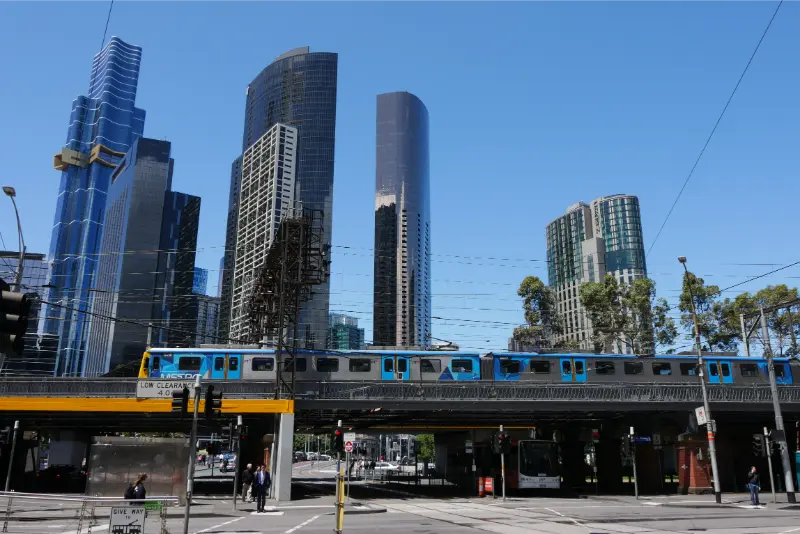
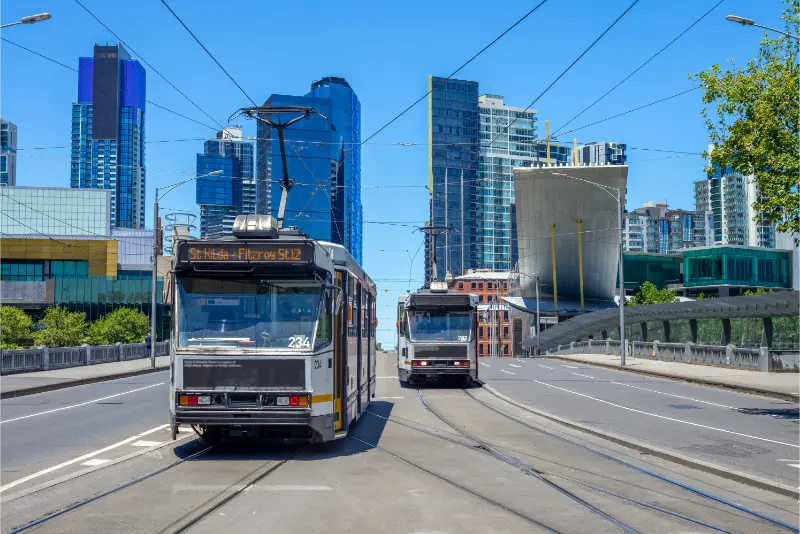
    Melbourne City Skyscrapers With Metro Commuter Train Victoria Australia

    Day 3: Melbourne to the Surf Coast and Lorne

    Collect the car after breakfast and head toward Torquay. Spend time at one or two beaches or surf viewpoints rather than trying to stop at every sign.

    Continue through Anglesea toward Lorne. The road becomes more scenic and curving, so allow far more time than the raw distance suggests.

    Sleep in Lorne or nearby and finish driving before dark if possible. This is where a relaxed road trip starts to feel different from a day tour.

    Day 4: Lorne, the Otways and Port Campbell

    Leave time for a short rainforest or waterfall walk in the Great Otway area. Coastal scenery gets the publicity, but the forest is one of the best contrasts on the route.

    Continue toward Apollo Bay, then west. Stop for viewpoints that genuinely appeal to you, but keep enough daylight for the limestone coast near Port Campbell.

    Check into Port Campbell before or after your first Twelve Apostles visit depending on weather. Do not force a sunset if wind, rain or fatigue make the experience unpleasant.

    Day 5: limestone coast without rushing

    Use the morning for the Twelve Apostles and nearby formations such as Loch Ard Gorge, then choose one or two additional stops farther west.

    The coast is exposed. Strong wind, spray and rapidly changing weather can make short walks feel much longer, so keep waterproof layers accessible in the car.

    Return to Port Campbell for a second night instead of packing again. The extra night also creates a useful weather buffer.

    Day 6: Port Campbell back toward Melbourne

    Return inland via Colac unless there is a specific coastal stop you want to repeat. This makes the driving day more efficient and gives you time for a relaxed lunch or one final nature stop.

    If your international flight is the next morning, sleep in Melbourne rather than on the coast.

    Return the rental car according to the company’s fuel and inspection rules and photograph the vehicle condition before handing it back.

    Day 7: Melbourne buffer or departure

    Use a late departure day for a market, garden, café district or riverside walk close to your airport transport.

    If you are continuing elsewhere in Australia, treat today as a genuine transfer day rather than squeezing in a distant excursion.

    A buffer day at the end protects the whole road trip from a weather delay or slower-than-expected coastal drive.

    Pace check: if this stage runs late, remove the lowest-priority activity rather than stealing time from meals, sleep or the next transfer. A resilient itinerary should become simpler when something changes, not more frantic.

    Transport reality: plan door to door

    The Great Ocean Road is straightforward in concept but slower in practice because of bends, viewpoints, towns and frequent stopping. Drive on the left, check the rental company’s rules for additional drivers and after-dark driving, and never assume the speed limit is the appropriate speed in poor weather. Victoria’s official tourism information and Parks Victoria are useful for current access details, while road authorities should be checked for closures or major works. Keep fuel above half a tank when moving through quieter sections rather than waiting for the cheapest station.

    Door-to-door time is the number that matters. Add hotel checkout, reaching the station/airport/pier, waiting, boarding, collecting luggage, local transport at the other end and the possibility that everyone needs food immediately after arrival. This is why a “two-hour flight” or “three-hour drive” can consume most of a day. Our guide to building realistic 7-, 10- and 14-day itineraries explains how to treat transfer days honestly.

    Food strategy: make meals part of the route

    Melbourne is where you can plan one or two destination meals; on the road, flexibility matters more. Coastal towns can become busy at lunch, and kitchen closing times may be earlier than you expect after a long sightseeing day. Buy water and simple backup food before leaving larger towns. In Port Campbell, reserve dinner in peak season if you have a particular restaurant in mind because the town’s dining capacity is limited compared with Melbourne.

    One planned meal per day is usually enough. Keep the other meal flexible so it can respond to where you actually are, not where an old itinerary expected you to be. With children, older travellers or very hot weather, eating before everyone becomes tired is often more important than reaching the “best” restaurant on a list.
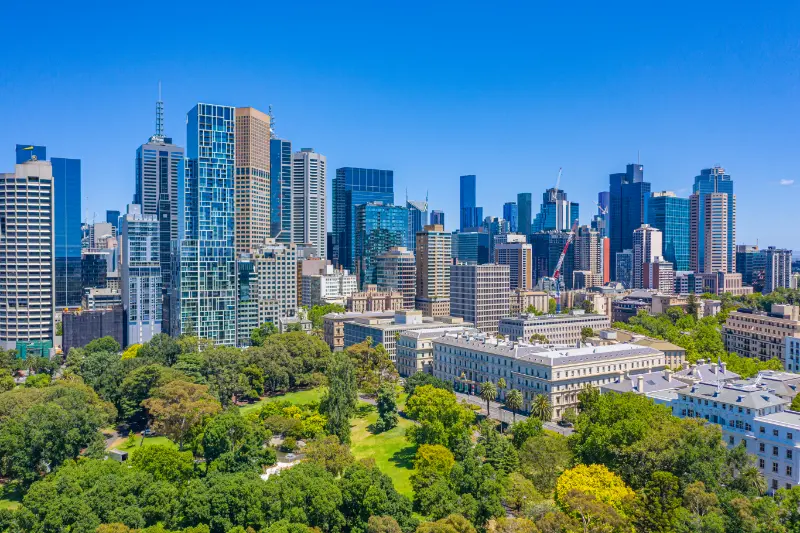
    Melbourne CBD Skyline Above Treasury Gardens Victoria Australia

    When to go and how the season changes the plan

    Victoria’s south coast can produce several types of weather in one day. Summer gives longer daylight but also busier roads and accommodation; winter is quieter and dramatic but brings shorter days and stronger exposure to wind and rain. Shoulder seasons can be excellent if you pack layers. The road should be planned around daylight and current conditions, not simply around an online map estimate.

    Instead of searching for one universal best month, decide which compromise you prefer: better weather, fewer visitors, lower prices, long daylight, swimming conditions or seasonal wildlife. No month maximizes everything. Recheck short-term weather and official access information shortly before the relevant day, especially for roads, trails, boats and outdoor attractions.

    Budget: where spending actually improves the trip

    The major costs are car rental, fuel, accommodation and Melbourne hotels. A one-way rental is usually unnecessary for this route because the inland return is efficient. Spend more on a well-located Port Campbell night if it lets you see the limestone coast at two different times without a long commute. Save by starting the car rental only when you leave Melbourne and by comparing excess-reduction and insurance options carefully rather than choosing solely on the headline daily rate.

    The most useful upgrades are often logistical rather than luxurious: a hotel that removes a daily transfer, a direct ride after a long flight, a flexible ticket, an additional night in a weather-dependent region or a guide where interpretation genuinely adds value. Cut low-value extras before cutting the pieces that keep the route reliable.

    Common mistakes to avoid

    • Attempting Melbourne–Twelve Apostles–Melbourne as a relaxed sightseeing day.
    • Driving the curving coastal sections after dark simply to reach a cheaper hotel.
    • Stopping at every lookout and arriving at the places you care about when everyone is exhausted.
    • Keeping the rental car in central Melbourne for days when you do not need it.
    • Planning a flight connection immediately after a long return drive from Port Campbell.

    Most difficult trips are not ruined by one large mistake. They become tiring through a sequence of small optimistic assumptions: a transfer that “should” be quick, a hotel that is “only” a kilometre away, a famous walk that is assumed to suit everyone and a dinner reservation across town after an already long day. Leave margin before you need it.

    Families, older travellers and mixed-age groups

    Families benefit from beach stops, short forest walks and the simple excitement of a road trip, but young children need regular breaks that are not “photo stops.” Older travellers should choose viewpoints with shorter paths and stable surfaces, and remember that wind can make exposed cliff areas tiring. Everyone benefits from two nights in Port Campbell because it removes one packing cycle and reduces pressure to see the coast in a single weather window.

    For mixed-age groups, agree which experiences everyone will share and which can be optional. Splitting for two hours is often healthier than forcing the entire group through one person’s priority. Build seating, toilets, shade, step-free access and realistic meal times into the plan with the same seriousness as headline attractions. Our guide to travelling with parents and older adults covers this approach in more detail.

    If you have more or less time

    With nine or ten days, add Phillip Island before or after the road trip, or continue west toward Warrnambool with more time for the Shipwreck Coast. With five days, keep two Melbourne nights, one Lorne night and one Port Campbell night, then return to the city. Do not compress the route by sleeping farther and driving later; remove a stop instead.

    When shortening the trip, remove an entire base before cutting every destination to one night. When lengthening it, add depth before distance. An extra morning in a place you already understand often produces a better memory than another three-hour transfer to a new pin on the map.

    Useful official resources

    Opening hours, park rules, transport timetables, road conditions and visitor procedures can change. Use official sources for the details that affect your exact travel dates and recheck them shortly before departure.

    Final planning checklist

    • Confirm passport, visa, entry and transit requirements for your nationality and route.
    • Book the genuinely scarce transport or accommodation segment before secondary attractions.
    • Check the exact luggage journey between bases, including stairs, ferries, station exits and rental-car rules.
    • Save offline copies of essential reservations, insurance details and each accommodation address.
    • Recheck weather, road, park, trail or transport notices shortly before each critical day.
    • Keep at least one flexible half-day that can absorb rain, fatigue, a delay or a cancellation.
    • Choose clothing and footwear for the actual surfaces and climate, not only for photographs.
    • Leave a generous buffer before international flights and other connections that are expensive to miss.

    The purpose of a good itinerary is not to prove that you covered the maximum distance. It is to make the important experiences easier to enjoy and to leave enough energy for the unexpected parts that become the best memories. Use this route as a framework, then remove anything that does not fit your interests, mobility or travel rhythm.
  • Sydney in 5 Days: Harbour, Beaches and Neighbourhoods Without Overloading the Trip

    Sydney in 5 Days: Harbour, Beaches and Neighbourhoods Without Overloading the Trip

    Sydney is often presented as a list of icons: the Opera House, Harbour Bridge and Bondi Beach. The real advantage of a five-day trip is that you can experience the city as a harbour system rather than simply photograph those landmarks. Ferries, coastal walks, neighbourhoods and parks make the journey between places part of the visit.

    This itinerary uses that geography. It keeps the first days near the harbour, gives the beaches their own time and leaves a final day for either a major excursion or deeper city exploration. It also works well for families and older travellers because ferries and trains can replace some long walks.

    Quick trip summary

    • Five days allows the harbour, a beach/coastal day and one flexible excursion.
    • Use ferries as public transport and sightseeing at the same time.
    • Stay near rail/light-rail/ferry connections if you want to explore beyond one waterfront precinct.
    • Choose between a Blue Mountains day and an extra Sydney day rather than forcing both into a short visit.
    • Use the same contactless card or device consistently when tapping on and off public transport.

    How many days do you really need?

    For Sydney in 5 Days, the itinerary below is a starting structure rather than a contract. The number of useful days depends on arrival time, jet lag, season, mobility and how strongly you prefer museums, food, nightlife or outdoor time. If your first or last day is mostly a flight day, do not count it as a full sightseeing day. This guide to building realistic itineraries explains why transfer and arrival days need their own category.

    A reliable rule is to identify the two experiences you would genuinely regret missing, then protect time around them. Everything else should remain adjustable. That prevents a delayed train, rainstorm or tired child from turning the whole trip into a sequence of missed reservations.

    Where to stay: choose logistics before decoration

    The best neighbourhood is the one that supports the trip you actually plan to take. Look at the first journey of the morning, the final journey at night, airport access, restaurant options, hills or stairs and how easy it will be to return for a midday break. A beautiful hotel becomes less attractive if reaching it requires an awkward transfer every day.

    Fireworks Over Sydney Harbour
    AreaWhy it works — and the trade-off
    CBD / Circular QuayMost convenient for a first short visit, with direct access to the harbour, trains and ferries. Accommodation can be expensive.
    The RocksAtmospheric and extremely close to major icons. Some streets are steep and tourist traffic is heavy.
    Darling HarbourFamily-friendly attractions and easy central access, though it feels more entertainment-focused than residential.
    Surry Hills / PaddingtonExcellent food and neighbourhood atmosphere with good access to the city, but you will commute to the harbour rather than step outside onto it.

    A realistic day-by-day plan

    Day 1: Circular Quay, Opera House and The Rocks

    Start at Circular Quay and walk the Opera House forecourt and Royal Botanic Garden edge. This is the correct moment to slow down: the harbour view changes constantly as ferries move.

    Continue through The Rocks and under or toward the Harbour Bridge. Choose a paid Opera House tour only if the architecture or performance history genuinely interests you.

    Use sunset around the harbour rather than rushing to a distant evening attraction.

    Day 2: ferry to Manly and the northern harbour

    Take a ferry to Manly. The journey provides one of the best-value harbour experiences and gives you a full change of atmosphere without leaving greater Sydney.

    Walk, swim or explore according to conditions. Families can keep the day beach-focused; walkers can add a coastal section.

    Return by ferry after the light begins to change for another harbour perspective.

    Day 3: Bondi and the eastern beaches

    Use public transport to reach Bondi and spend time on the beach before starting any coastal walk. The Bondi–Coogee route is beautiful but should not be treated as compulsory in full.

    Choose a segment that matches weather and fitness, then finish with a meal in an eastern-suburbs neighbourhood.

    In strong sun or poor conditions, shorten the walk and use a museum or gallery back in the city.

    Giraffes At Taronga Zoo Sydney Harbour Australia

    Day 4: city culture and inner neighbourhoods

    Explore the Art Gallery of NSW, Australian Museum or another cultural anchor, then move into Surry Hills, Paddington or Newtown depending on your interests.

    This is the day to see Sydney beyond the postcard harbour and spend more time eating, shopping or walking local streets.

    Keep the evening open for a performance or waterfront dinner if you have not already reserved one.

    Day 5: Blue Mountains or a deeper Sydney day

    The Blue Mountains are a popular excursion, but the day is long. Choose it if landscape and walking are major priorities and conditions are suitable.

    Otherwise use the final day for Taronga Zoo, Parramatta by ferry, another beach, a market or a slow harbour circuit.

    If your flight departs that evening, a city day is usually easier than returning from a long regional excursion.

    Pace check: if the morning takes longer than expected, remove the lowest-priority stop rather than compressing meals and transport. A good itinerary should become simpler under pressure, not more frantic.

    Getting around without wasting the day

    Sydney’s public transport network includes metro, train, bus, light rail and ferries. Transport for NSW states that contactless cards and digital wallets can be used across the network, with the same fare benefits as an Opal card for eligible adult travel; use the same card or device to tap on and tap off. Ferries are particularly valuable for visitors because they combine transport with harbour views. Check current service alerts before a timed booking, especially when weather affects ferry operations.

    When comparing routes, use door-to-door time rather than the minutes shown for the train, Metro or taxi itself. Walking to the platform, waiting, transfers, finding the correct exit and reaching the attraction can easily double a “short” journey. Travellers with luggage, a stroller or limited mobility should prioritize fewer transfers even when the route is slightly longer on paper.

    Food strategy: protect the trip, not just the restaurant list

    Sydney’s food scene reflects its multicultural population and coastal setting. Markets, Asian dining precincts, casual cafés and waterfront restaurants can all fit into the same trip. Save premium harbour dining for one deliberate occasion and spend the rest of your food budget in neighbourhoods. Breakfast and coffee culture are strong, which makes a substantial morning meal useful before beach or walking days.

    Sydney Waterfront Neighborhoods From Above

    A useful rhythm is one planned meal and one flexible meal per day. This gives you a reason to explore but still lets the itinerary respond to hunger, weather and energy. Keep a backup option near the hotel for the evening when everyone is too tired to cross the city for a reservation that seemed exciting months earlier.

    When to go and how the season changes the itinerary

    Sydney can be visited year-round, but beach expectations should match the season. Summer supports swimming and long outdoor days but brings stronger sun and busy coastal areas. Winter is cooler yet still suitable for harbour walks on clear days, and whale-watching seasons may add interest. Always check UV, weather and surf conditions rather than treating a sunny photo as evidence that the ocean is safe.

    Instead of asking only for the “best month,” decide which compromise you prefer: better weather, smaller crowds, longer daylight, lower prices or a particular event. No season maximizes all five. The itinerary should change with daylight and temperature, especially when major parts of the day are outdoors.

    Budget: where spending makes the biggest difference

    Accommodation near the harbour is expensive, but it can reduce transport and make early/late waterfront time easy. Public transport and free coastal walks help balance the budget. Decide whether big-ticket experiences such as BridgeClimb, zoo visits or performances are priorities before buying several. Our first international trip guide is useful if Sydney is part of a first long-haul journey and you need help with arrival-day pacing.

    The smartest upgrades are usually the ones that buy time or remove friction: a better-located hotel, a direct airport transfer after an overnight flight, a timed ticket that prevents a wasted queue or a taxi at the end of an exhausting day. Cut costs on low-value extras before cutting the parts that make the route workable.

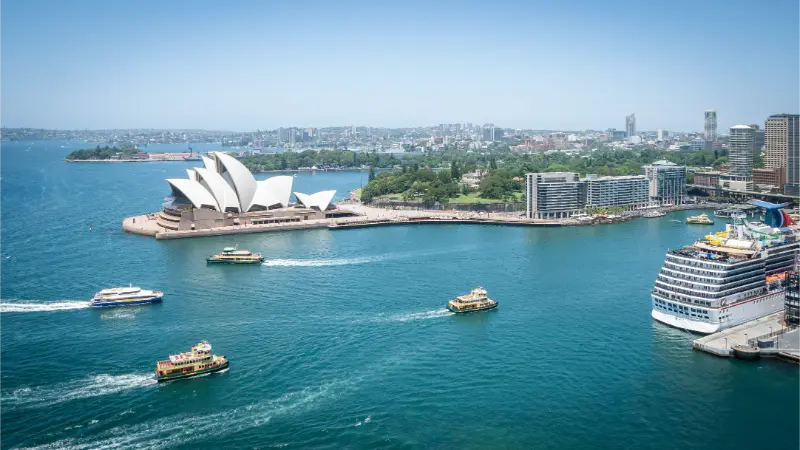
    Sydney Opera House And Large Cruise Ship

    Common mistakes that make the trip harder

    • Spending the whole trip between Circular Quay and Bondi and missing Sydney’s neighbourhood variety.
    • Assuming the full Bondi–Coogee walk is mandatory regardless of heat, fitness or time.
    • Using taxis everywhere when ferries and rail are part of the experience.
    • Scheduling a Blue Mountains trip immediately before an evening international flight.
    • Forgetting sun protection because the temperature feels mild.

    None of these mistakes is catastrophic, but several together can make a trip feel much more tiring than necessary. The solution is usually to remove one commitment, shorten one transfer or move one attraction to a future visit.

    Families, older travellers and mixed-age groups

    Ferries are an easy way to keep children engaged while reducing walking. Families can shorten coastal walks and use beaches, parks or Taronga Zoo as major anchors. Older travellers should examine hotel gradients around The Rocks and harbour areas; Sydney has hills and steps that are easy to underestimate from a map. Rail and ferry routes can create excellent low-walking sightseeing days.

    For mixed-age groups, decide in advance which experiences are “everyone together” moments and which are optional. It is often better to split for two hours and meet for lunch than to force every traveller through an activity that only part of the group enjoys. Build seating, toilets, shade and simple transport into the plan with the same seriousness as the famous sights.

    Useful official resources

    Opening hours, transport rules, closures and visitor procedures can change. Before the trip, confirm the details that affect your dates through official sources rather than relying only on an old screenshot or social-media post.

    Final planning checklist

    • Confirm entry requirements and travel documents for your nationality and transit route.
    • Book only the scarce or high-priority attractions first; keep lower-priority activities flexible.
    • Check the exact door-to-door route from your accommodation to the first two morning activities.
    • Save offline copies of essential bookings and the hotel address.
    • Build a weather alternative for at least one half-day.
    • Leave a realistic buffer before flights, long-distance trains and non-refundable reservations.
    • Pack for the walking and climate the itinerary actually involves, not only for photographs.
    • Recheck official transport and attraction information shortly before travel.

    The best first visit is not the one that proves you saw everything. It is the one that gives you a clear sense of place, enough energy to notice what is around you and at least one reason to come back. Use this itinerary as a framework, then remove anything that does not match your own interests, mobility or travel rhythm.

  • Melbourne in 5 Days: Laneways, Markets and Bayside Without Turning the City Break Into a Road Trip

    Melbourne in 5 Days: Laneways, Markets and Bayside Without Turning the City Break Into a Road Trip

    Melbourne is often paired so automatically with the Great Ocean Road that visitors give the city itself only a rushed afternoon. Five days allows the CBD, laneways, galleries, markets, inner neighbourhoods and bayside areas to breathe. The city is best understood as a collection of walkable precincts linked by trams and trains, not as a set of isolated landmarks that require a car.

    If this city is part of a longer trip, compare the pacing with Melbourne and the Great Ocean Road in 7 Days. A city guide should complement the wider itinerary, not force a traveller to repeat the same transfer twice.

    Quick trip summary

    Ideal stay5 days for a first trip
    Best approachGroup each day by geography and protect one flexible block
    Transport strategyWalk within districts; use public transport or taxis for cross-city moves
    Who it suitsFirst-time visitors, couples, solo travellers, families and slower-paced travellers
    Most common mistakeAdding too many distant attractions to the same day

    How to plan the trip before booking

    A useful city itinerary is not the one with the highest number of saved pins. It is the one in which the difficult reservations are protected, the days make geographic sense and there is still enough margin for a long meal, weather, queues or simple fatigue. Treat travel time as part of the day rather than as an invisible gap between attractions.

    Where to stay: choose location before hotel style

    BaseWhy choose it
    CBDBest overall convenience for a first visit, with trams, restaurants and easy walking to major cultural sights.
    SouthbankRiver views and arts access, useful for travellers who value evening walks and major galleries.
    Carlton / Fitzroy edgeNeighbourhood atmosphere, cafés and dining with easy transport into the centre.
    St KildaBayside feel and a different Melbourne rhythm, best for longer stays or travellers happy to commute into the CBD.

    A more attractive room is not automatically a better travel decision. Map the first activity of the morning, the likely dinner area and the departure route. If the hotel adds two unnecessary transfers every day, the hidden cost is time as well as money.

    A realistic 5-day itinerary

    Day 1: CBD laneways, arcades and river

    Begin with the central grid, but focus on a handful of laneways and arcades rather than trying to photograph every named alley. Cross to the river and Southbank for the evening so the first day remains compact.

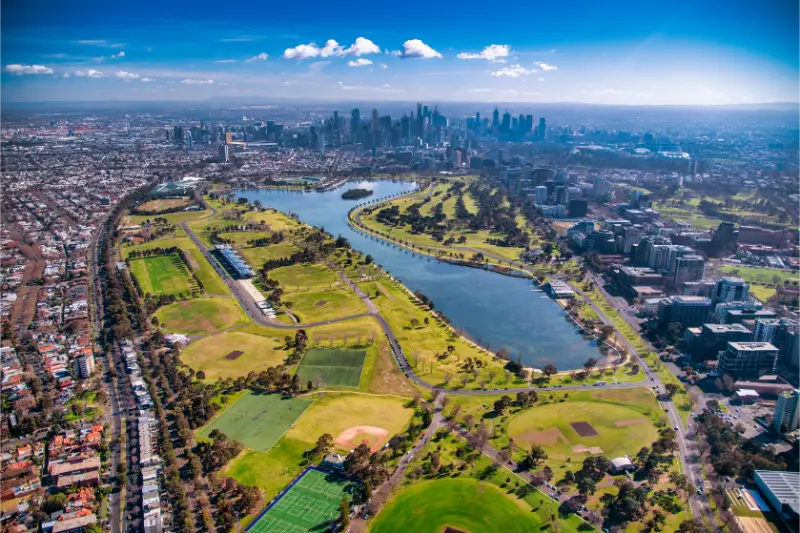
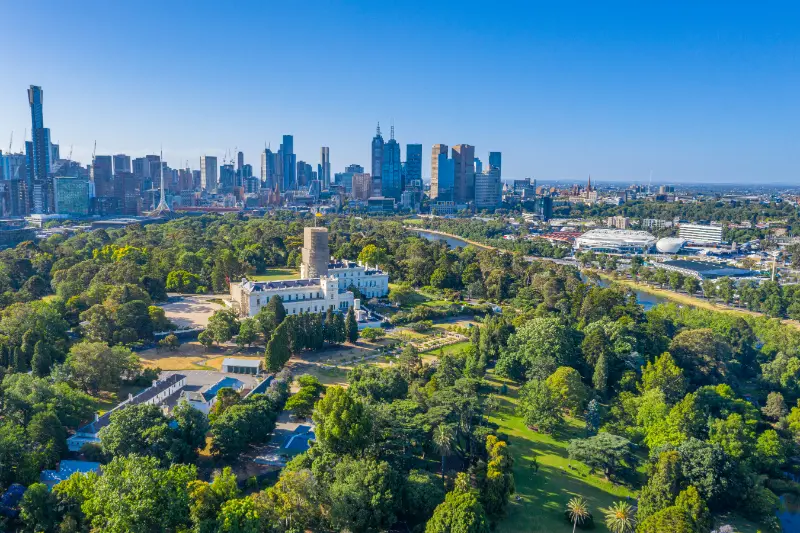
    Albert Park Lake And Melbourne Skyline From Above Australia

    Day 2: Museums, galleries and Carlton

    Choose one major cultural institution as the anchor, then continue into Carlton for gardens, university streets or food. Museum-heavy travellers can add more; everyone else should protect time outdoors.

    Day 3: Fitzroy, Collingwood and neighbourhood Melbourne

    Use the third day for independent shops, cafés, street life and smaller galleries. The point is not to recreate the CBD checklist in another district but to slow down and experience how the inner city changes block by block.

    Keep the second half of the day lighter than the first. A useful itinerary creates space for an unexpectedly good museum, a long meal, a delayed train, a child who needs a break or a neighbourhood that deserves another hour.

    Day 4: St Kilda and bayside

    Travel south for the waterfront, pier area and a relaxed neighbourhood day. Weather matters, so move this day if strong wind or rain would remove most of its value.

    Day 5: Markets, gardens and a flexible final day

    Use the final day for a major market, botanical garden, sports precinct or anything missed earlier. A Great Ocean Road excursion can replace this day only if it is genuinely part of the trip; it should not be treated as a compulsory Melbourne attraction.

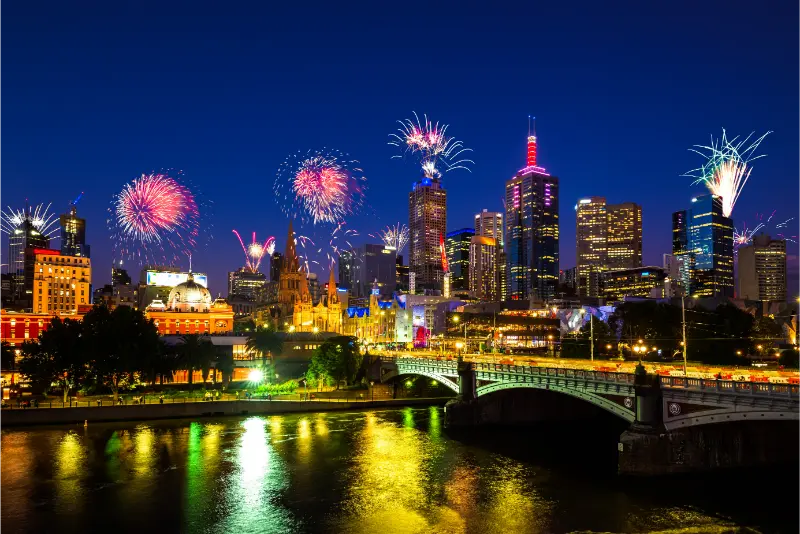
    Fireworks Over Yarra River Melbourne Victoria Australia

    How to move around without wasting the day

    Melbourne’s tram network is central to the visitor experience, supported by trains and buses. The CBD is highly walkable, while inner neighbourhoods are easy to connect without a car. Check the current fare and free-travel rules before relying on assumptions from older guides, especially when leaving the central zone.

    Do not judge a journey only by kilometres. A short trip can include station corridors, road congestion, stairs, queues or a long final walk. Think in door-to-door time and keep a margin before anything expensive or difficult to replace.

    Arrival and departure strategy

    Melbourne Airport is outside the rail network and requires road-based transfer options. Allow for traffic and luggage when choosing between coach and direct transfer. If continuing immediately to regional Victoria, compare the value of collecting a car at the airport with the cost of storing it during several car-free city days.

    Arrival day is rarely the right time for the most complicated attraction. On departure day, protect the connection first and use only nearby activities that can be abandoned without consequence.

    Best time to visit

    Melbourne weather can change quickly in any season. Spring and autumn are often excellent for walking, summer can bring hot days, and winter is cooler but still very workable for museums, food and neighbourhood travel. Carry a layer and keep outdoor waterfront plans movable.

    What to book first

    Book the experiences that are difficult to replace: limited-capacity museums, timed monuments, a special performance or a day trip that controls the rest of the itinerary. Leave ordinary meals, neighbourhood walks and secondary sights flexible. Recheck entry rules, opening days and transport notices shortly before departure because these details change more often than the basic geography.

    Food strategy: eat well without crossing the city for every meal

    Melbourne’s food and coffee culture is spread across the city. Use the CBD laneways, Carlton, Fitzroy, Richmond and other neighbourhoods as meal anchors instead of commuting across town for every famous venue. Markets are useful for tasting, but they work best as part of a district rather than a standalone checklist item.

    For a multi-age group, a reliable breakfast and an easy lunch often matter more than one additional attraction. Use meals as genuine rest rather than another item to complete quickly.

    Melbourne Waterfront Skyline At Sunset

    Travelling with children

    Trams, parks, markets, museums and bayside areas make Melbourne easy for multi-age travel. Choose one museum at a time and use playground or open-space breaks instead of expecting children to enjoy an entire day of galleries.

    With children, reduce transitions before reducing the highlights. Alternate one structured indoor visit with something that allows movement: a park, waterfront, market, short ride or open square. Keep toilets, drinking water, snack options and an easy route back to the hotel in mind before starting a long afternoon.

    Travelling at a slower pace or as a senior

    For older travellers or anyone who prefers a slower pace, choose a base close to the transport line or district used most often. Use taxis or public transport to remove unrewarding distance, then spend walking energy on the streets, museums and viewpoints that actually define the destination. Check lifts, stairs and seating at major sights rather than assuming accessibility from the map.

    Budget planning

    The largest budget differences usually come from hotel location, airport transfers, major admissions and how often a taxi is used for cross-city journeys. A slightly more expensive central hotel can be better value if it removes two long transfers every day. Build a daily budget with a small reserve instead of planning to spend every available amount on advance bookings.

    Weather backup plan

    Keep one indoor or low-commitment block movable. A good weather fallback should fit the same part of the city and should not damage the following day. If one experience depends heavily on clear skies, comfortable heat or dry conditions, place it in a flexible slot and move it when the local forecast improves.

    Connectivity, cash and small practical details

    Save the hotel address, key tickets, passport or identity details, insurance information and the next important transfer outside your email app. Offline access matters when the network is weak or the battery is low. Carry a small power bank and keep a backup payment method separate from the main wallet.

    What to pack

    Comfortable walking shoes matter more than an extra outfit on a short city break. Add sun or rain protection, a refillable bottle where practical, any medication you may need during the day and one layer suitable for air-conditioned interiors or cooler evenings. The goal is to stay mobile without carrying the contents of the hotel room.

    Royal Exhibition Building And Carlton Gardens Melbourne Australia

    Common mistakes to avoid

    • Giving Melbourne one day because the Great Ocean Road seems more important.
    • Renting a car before the city portion of the trip actually needs one.
    • Trying to visit every famous laneway instead of exploring one precinct well.
    • Underestimating rapid weather changes on a bayside day.
    • Spending the entire trip inside the CBD grid.

    Responsible travel and local etiquette

    Treat residential streets, places of worship and memorial spaces as real parts of a working city rather than scenery. Follow staff instructions, keep entrances and pavements passable, use bins, and spend with local businesses when it fits naturally. Small choices about timing and behaviour often improve the experience for visitors as well as residents.

    If you have less or more time

    With two days, focus on the CBD/Southbank and one inner neighbourhood. Three days adds a major museum or St Kilda. With six or seven days, deepen the city or add the Great Ocean Road, but avoid turning every extra day into a long-distance excursion.

    Safety and decision-making on the day

    Use ordinary big-city awareness: keep phones and wallets controlled in crowded areas, choose clearly identified transport and avoid walking while distracted at complicated road crossings. The most useful safety advice is current and local, so follow official notices, attraction staff and transport operators when conditions change.

    Set a practical turnaround time for long walks, excursions and transfer days. A missed secondary sight is cheaper than a missed flight, unsafe walk or exhausted final day.

    Useful official and planning resources

    Opening hours, transport schedules, fees, reservation procedures and access rules change more often than the basic geography. Recheck the official source shortly before departure.

    Final planning checklist

    • Confirm passport, visa, transit and health requirements for your nationality.
    • Reserve the attraction, permit or train that controls the rest of the itinerary.
    • Save the accommodation address and first-day route offline.
    • Recheck weather, closures and transport notices before each critical day.
    • Keep at least one half-day that can absorb a delay or become simple rest.
    • Leave a generous buffer before flights and other costly connections.

    A good city break should feel as though you understood how the place fits together, not merely that you collected its famous names. Keep the fixed reservations that matter, group the rest by geography and remove anything that creates more transit than experience.

  • South Australia in 9 Days: Adelaide, Barossa and Kangaroo Island Without a Long Road Trip

    South Australia in 9 Days: Adelaide, Barossa and Kangaroo Island Without a Long Road Trip

    South Australia can easily become an enormous road trip once the Flinders Ranges, Eyre Peninsula and outback are added to Adelaide, wine country and Kangaroo Island. Nine days are better spent staying in the southern core.

    This route uses Adelaide, Barossa Valley and Kangaroo Island. It combines a compact city, one wine-region stay and several nights of wildlife/coast without forcing a thousand-kilometre loop.

    The official South Australia tourism guide recommends roughly two to three nights on Kangaroo Island and notes that self-driving is the practical way to see it. The official SeaLink listing states the vehicle/passenger ferry runs daily between Cape Jervis and Penneshaw and takes about 45 minutes.

    Quick trip summary

    • 3 nights Adelaide, 2 Barossa, 3 Kangaroo Island, Day 9 departure/return.
    • Use Adelaide without a car at first.
    • Use a driver/tour for wine tasting or designate a sober driver.
    • Book Kangaroo Island ferry and car arrangements early in peak periods.
    • Do not add the Flinders Ranges to this nine-day southern route.

    Why this route works

    Adelaide deserves city time for food, markets, museums and nearby beaches before the road section.

    Two nights in Barossa let wine country feel like a region rather than a day-trip tasting schedule.

    Kangaroo Island deserves three nights because drive times are longer than they look and wildlife is best experienced slowly.

    A realistic itinerary at a glance

    Days Base Main focus
    1–3 Adelaide City, markets and coast
    4–5 Barossa Valley Wine, food and rural evenings
    6–8 Kangaroo Island Wildlife, Flinders Chase and beaches
    9 Departure Return to Adelaide / airport

    Day-by-day plan

    Day 1: Adelaide arrival

    Stay central and use the market, river or neighbourhood dining as a gentle introduction.

    Day 2: Adelaide city

    Use Central Market, museums or North Terrace, then add Glenelg or another easy coastal outing if energy allows.

    Day 3: Flexible Adelaide day

    Use Adelaide Hills, another city day or simply keep it open for jet lag. This is the buffer before driving.

    Day 4: Adelaide to Barossa

    Collect the car or use a driver, move north and book only one or two winery experiences. Tasting every hour is not a better wine day.

    Day 5: Barossa

    Use another winery, food producer and small town at a relaxed pace. If everyone wants to taste, hire transport.

    Day 6: Barossa to Kangaroo Island

    Drive toward Cape Jervis with a generous ferry check-in buffer, cross to Penneshaw and do not schedule the far west of the island after arrival.

    Day 7: Kangaroo Island west

    Use Flinders Chase, Remarkable Rocks and Admirals Arch as the main focus. Official tourism information warns island drive times can be longer than expected.

    Day 8: Kangaroo Island wildlife/coast

    Choose Seal Bay, beaches, short walks or a guided wildlife experience. Keep the route compact rather than criss-crossing the island.

    Day 9: Ferry and departure

    Return to the mainland. If your international flight is early or expensive to miss, return to Adelaide the previous night instead of relying on same-day ferry/road timing.

    Where to stay and how many hotel changes to make

    Adelaide city-centre accommodation lets you delay car hire.

    In Barossa, choose a town or rural property based on dinner/driver access, not only vineyard views.

    On Kangaroo Island, central Kingscote/American River is practical for broad exploration, while Penneshaw is best for ferry convenience.

    On a multi-base trip, hotel location matters more than a small difference in nightly price. A room that removes repeated transfers usually adds more value than a prettier property in the wrong place.

    Read recent reviews for practical details that marketing photos rarely show: stairs, lift size, road noise, parking access, breakfast hours and the final walk from transport.

    Transport: what is worth planning in advance

    A car is useful from Barossa onward, but wine tasting requires a designated sober driver or organised transport.

    Book the Kangaroo Island ferry, vehicle space and accommodation early in peak periods.

    Avoid rural night driving when possible because wildlife on roads is a real risk.

    Measure every move door to door rather than by the published journey time. Checkout, terminal access, waiting, luggage and the final connection can turn a short transfer into half a day.

    Use inflexible tickets only when the saving is meaningful and the day is truly fixed. Weather-sensitive island, mountain and wildlife plans benefit from flexibility.

    Food and daily rhythm

    Adelaide Central Market is one of the best ways to begin understanding South Australian produce.

    Barossa meals can become long and wine-heavy; build one substantial experience rather than multiple formal meals.

    On Kangaroo Island, know where dinner is available because remote properties may be far from restaurants.

    Use meals to control the rhythm of the day. A long regional lunch can be an experience and a recovery period, especially after hiking, boat trips or early starts.

    Do not make every meal another attraction. Mix local specialties with simple food so that the destination, not the restaurant schedule, remains the centre of the trip.

    Families, children and older travellers

    Kangaroo Island wildlife and beaches are excellent for children.

    Wine country can still work for families when the day includes food producers, short walks and a single tasting stop.

    Older travellers should check Seal Bay/park path surfaces and ferry boarding.

    For multigenerational travel, the useful pace is the one at which the least mobile member still enjoys the day. That usually produces a better experience for everyone.

    Children often respond better to a change of format than to another famous sight: a beach after a museum, a ferry after a city walk, or wildlife after a road day.

    Budget: where the money really goes

    Kangaroo Island ferry, car, accommodation and wildlife tours are the largest costs.

    Reducing Adelaide rental days and avoiding unnecessary one-night road stops helps control the total.

    Compare total trip cost rather than headline prices. Parking, transfers, luggage, tours and time lost reaching a remote hotel can erase an apparent saving.

    The best splurges usually remove friction: a central room, a safe private transfer, a direct ferry, a guide where context matters or one extra night that prevents an exhausting move.

    Best time to go

    South Australia works year-round, but seasonal wildlife, fire risk, heat and ferry demand change the practical trip.

    Summer heat can make exposed island walks less comfortable; cooler months offer different wildlife moments and fewer crowds.

    Shoulder season often balances weather, demand and room prices well, but ferries, mountain services and rural restaurants may operate less frequently.

    Heat, rain, wind and daylight should change the order of a day. Use comfortable hours for exposed outdoor sights and keep lower-effort alternatives available.

    Comfort, accessibility and realistic pacing

    Three island nights reduce the urge to drive from dawn to dark.

    The ferry is a fixed point; build the day around it rather than treating it as a minor 45-minute detail.

    Travel fatigue compounds. One difficult transfer can reduce the quality of the following two days, which is why this route avoids one-night bases unless geography genuinely requires them.

    A free half-day is not wasted time. It is insurance for weather, laundry, a delayed ferry, a tired child or a place you discover only after arrival.

    Small decisions that improve the trip

    Keep Adelaide car-free at first

    The city does not need a rental car for most visitors.

    Sleep in Barossa

    It makes the wine region about place, not just alcohol.

    Give Kangaroo Island three nights

    The island is larger than many first-time visitors expect.

    Leave the outback out

    The Flinders Ranges deserves its own additional days.

    What I would leave out on this length of trip

    Leave the Flinders Ranges and Eyre Peninsula for a longer South Australia journey.

    Skip same-day ferry-to-long-haul-flight logistics when the ticket matters.

    Mistakes that make this trip harder than it needs to be

    • Tasting and driving.
    • Giving Kangaroo Island one rushed night.
    • Underestimating island road time.
    • Keeping a rental car in Adelaide unnecessarily.
    • Booking the ferry late in peak season.
    • Driving rural roads at night.

    How I would adapt the itinerary

    With six days, use Adelaide plus Kangaroo Island.

    With twelve days, add the Flinders Ranges only if you are comfortable with the extra driving and at least three nights there.

    Before booking

    • Book ferry/vehicle space.
    • Plan sober wine transport.
    • Check park/weather/fire conditions.
    • Avoid night wildlife driving.
    • Protect the final flight.

    Practical questions

    How many nights on Kangaroo Island?

    Three is ideal for a first nine-day route; official tourism guidance recommends two to three nights as a useful minimum range.

    Do I need a car?

    Not in Adelaide, but yes or a guided equivalent for Barossa/Kangaroo Island flexibility.

    Barossa or McLaren Vale?

    Barossa fits this north-to-island route well; McLaren Vale is also excellent but would alter the road geometry.

    Final thoughts

    South Australia does not need an outback epic to feel like a major Australian trip.

    Adelaide, Barossa and Kangaroo Island create food, wine, wildlife and coast in nine days with relatively little wasted driving.

    How to keep the itinerary resilient

    For South Australia, protect at least one half-day without a non-refundable booking every two or three days. That space can absorb weather, transport delays, fatigue or a place you unexpectedly want to enjoy longer. A resilient itinerary is not under-planned; it simply recognises that real travel is never as exact as a spreadsheet.

    Review the route again one week before departure and the evening before each important move. Check the official transport, ferry, park or tourism source, confirm the hotel address and remove any optional stop that makes the day depend on everything running perfectly.

  • Mount Gambier, Australia: Blue Lake, Sinkholes and Easy Limestone Coast Days

    Mount Gambier, Australia: Blue Lake, Sinkholes and Easy Limestone Coast Days

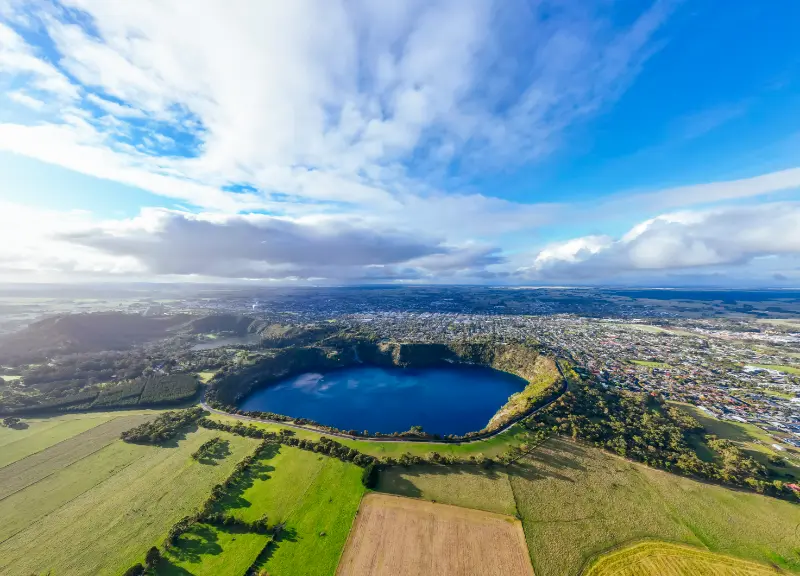
    Mount Gambier is one of Australia’s most interesting stops for travelers who enjoy natural landscapes but do not necessarily want an extreme adventure. The city in South Australia’s Limestone Coast region is surrounded by evidence of volcanic activity and limestone geology: a crater lake known for dramatic seasonal color, sinkholes transformed into gardens, and caves with their own stories. It also makes a useful pause on a longer road trip, provided you allow time for the local sights rather than treating the city as a place to sleep between two driving days. This guide helps you choose a base, plan visits to the Blue Lake and Umpherston Sinkhole, and enjoy the region responsibly with family members of different ages and abilities.

    At a glance

    DestinationMount Gambier, South Australia
    Suggested stay2–3 days
    Especially good forCrater lake viewpoints, gardens and geological landscapes

    In this guide

    Why the geology is the real attraction

    Mount Gambier is sometimes described simply as a town with a blue lake, but its landscapes are more varied than that. Historic volcanic processes created crater features, while limestone and groundwater contributed to caves and sinkholes across the region. This combination explains why multiple unusual places can be reached from the same city. Learning the basics makes the attractions more rewarding and can help children understand why they look different. Use official interpretation signs and visitor-center materials rather than picking up loose rocks or entering closed areas. Geological formations are impressive, but some edges are steep and some underground spaces are controlled for safety. The best route is the one that appreciates them from designated public areas.

    Blue Lake/Warwar and its seasonal color

    The Blue Lake, also known as Warwar, sits within a volcanic crater and is a landmark of Mount Gambier. Its water can appear particularly vivid blue during the warmer season, while at other times the color is more subdued. A less intense shade is a normal part of the natural cycle, not a reason to declare a visit disappointing. Use designated viewpoints and public walking areas, and respect fencing around the crater. The lake is not simply an open swimming spot. Choose a short circuit or one or two viewpoints according to weather and physical comfort. Early or late light may change photographs, but follow local signs and avoid approaching unsafe edges for a better angle.

    Umpherston Sinkhole/Balumbul: a garden below street level

    Umpherston Sinkhole, also known as Balumbul, is a striking example of a collapsed limestone cave transformed into a planted garden. Viewing platforms allow visitors to appreciate the shape from above, while access down into the garden involves stairs. That distinction matters for anyone with limited mobility. The shaded space can feel cooler than the surrounding streets, and the plants change with seasons. It is tempting to spend the entire visit taking pictures, but the site’s appeal also comes from the contrast between geological walls and cultivated greenery. Stay on official paths, avoid disturbing plants or wildlife, and check local opening or maintenance notices. Visitors unable to descend can still enjoy views from accessible upper areas where provided.

    Cave visits and the importance of guided access

    Mount Gambier’s limestone landscape contains underground sites, including Engelbrecht Cave, where guided tours and access conditions may vary. A cave is not simply another outdoor lookout. Steep steps, low passages, enclosed spaces, moisture, and temperature differences can affect suitability. Confirm the tour route, duration, footwear, and any restrictions with the operator. Those uncomfortable in confined spaces or with mobility limitations may prefer interpretive exhibits or outdoor geological sites. Never enter unmarked caves or sinkholes independently. If traveling with children, ask about minimum ages and whether everyone must remain with the guide. A careful cave tour can be fascinating because it reveals what is happening beneath the landscape, not only what is visible from the road.

    Valley Lake and outdoor time without rushing

    Valley Lake provides another setting shaped by volcanic geology, with opportunities for viewpoints and more relaxed outdoor activities where facilities are open. It is useful when the group wants a break from museum interiors or steep staircase attractions. Check local park information for current walking paths, picnic areas, and any restrictions. Families may enjoy a simple picnic and a short walk rather than packing in another paid activity. Water edges, parking areas, and outdoor equipment still require supervision, especially for small children. Visitors looking for a quiet afternoon can choose one accessible lookout and enjoy the setting. Not every attractive green space has to become a long hike to be worthwhile.

    Little Blue Lake: not the same as Blue Lake

    The Little Blue Lake is a different site from the main Blue Lake/Warwar and is known as a natural swimming location. The name similarity sometimes causes confusion. It has deep water and steep limestone surroundings, so visiting is not equivalent to using a supervised municipal pool. Research local safety advice, facilities, and current conditions before considering a swim. Anyone who cannot swim confidently should enjoy the scenery from land. Children need close supervision, and jumping or diving into natural water can involve serious risk. Weather and water temperature may also surprise visitors. There is no need to enter the water to appreciate the unusual shape and color of the landscape.

    Getting to Mount Gambier and planning a road trip

    Mount Gambier lies in southeastern South Australia and can fit into routes between Adelaide, the Limestone Coast, and western Victoria. Distances are substantial by urban standards, so a map’s straight line is less useful than the actual driving route. The area has an airport with services that can change; confirm flights, baggage terms, and onward transport for your dates. A rental car makes regional excursions easier, although central accommodation and local attractions may be arranged with taxis or tours. Drivers should avoid planning a full day of sightseeing after a long and tiring road journey. Check fuel, tire condition, weather, and road notices before leaving on a regional circuit.

    Where to stay and how many nights make sense

    A central hotel or apartment allows you to walk to restaurants and services, while a rural or outlying stay may provide a quieter setting and more space. Families should consider kitchen access and parking, and older travelers may value a ground-floor room or reliable elevator. Historic houses can be attractive but may include steps. One night works for a brief stop, though you will probably need to prioritize just a few landmarks. Two nights allow the Blue Lake, Umpherston Sinkhole, one underground or outdoor activity, and relaxed meals without rushing. If you plan to extend into the wine country or Naracoorte Caves, add time rather than trying to complete the entire Limestone Coast in one day.

    A one-day Mount Gambier itinerary

    Begin with the Blue Lake/Warwar viewpoints while light is good, then head to Umpherston Sinkhole to see the sunken garden. Break for lunch before choosing an afternoon activity. Travelers who enjoy geology and can manage the tour requirements may visit Engelbrecht Cave; others can opt for Valley Lake or a gentle city walk. Finish with dinner in town. This itinerary uses a few sites well rather than collecting every sinkhole on a map. The order can change with weather and attraction schedules. If your group includes children, remember that frequent car stops can be tiring even when each destination is close. Build in playtime, water, and restroom breaks.

    A two-day Limestone Coast extension

    After your first day in Mount Gambier, choose a second-day direction. Naracoorte Caves National Park offers fossil and cave heritage, while Penola and the Coonawarra region appeal to visitors interested in local history, food, and wine. Robe and other coastal towns offer a different landscape. These are not all adjacent neighborhoods; allow appropriate driving time and check site-specific booking requirements. Naracoorte cave tours can involve physical conditions that require advance assessment. Families may prefer a town-and-nature combination over multiple cave visits. If one traveler does not drink alcohol, wineries can still be enjoyed selectively for scenery or food where offered, but the trip should not revolve around tastings for a mixed-age group.

    Food, cafés, and what to budget for

    Mount Gambier provides ordinary town services, restaurants, supermarkets, and cafés useful for keeping travel costs under control. If staying in an apartment, preparing breakfast or a picnic can free your budget for a guided cave visit or regional excursion. Check menus for vegetarian or allergen-related needs instead of relying on broad labels. The most famous lake viewpoints may be free to appreciate, while guided attractions and specialist activities have their own fees. Ask the visitor center for current information and avoid assuming a tour is operating just because a brochure still mentions it. Regional driving also affects the budget; compare fuel and parking needs alongside attraction costs.

    Traveling with children and grandparents

    Many Mount Gambier attractions can be enjoyed at different levels of effort. A family can visit a Blue Lake viewpoint and a sunken-garden overlook without completing every staircase or underground tour. Children may enjoy learning how caves, sinkholes, and volcanic craters form, especially with simple explanations before arriving. Older relatives may prefer short walks and a comfortable café stop between sites. Those using wheelchairs should contact individual venues for the exact locations of step-free viewpoints, accessible restrooms, and parking. Stairs down into Umpherston Sinkhole are not the same as its upper viewing options. A practical schedule may split the group briefly when some people want a more strenuous activity, then reunite for a shared meal.

    Safety around water and underground places

    Do not confuse photogenic nature with controlled recreation. Crater edges, sinkholes, and caves contain real hazards, and natural swimming holes require an honest assessment of swimming ability. Stay behind fences and use designated paths; avoid jumping into water unless it is explicitly permitted and safe under present conditions. Specialist diving or snorkeling at limestone sinkholes should only be undertaken with appropriately qualified providers and the necessary certifications. Do not follow casual social-media claims about unrestricted access. Weather can make steps slippery, and underground environments may feel cold or enclosed. Carry a charged phone, but never depend on cellular reception in every cave or remote area.

    Best season and why flexibility helps

    Warmer months can bring the Blue Lake’s most striking colors and more pleasant picnic weather, but summer also means stronger sun and periods of high visitor demand. Cooler months can be excellent for quieter touring, provided you bring layers and accept that the lake may not appear vivid cobalt. Rain can change the practicality of outdoor stairs and muddy walking routes. Check conditions before setting out and leave an indoor alternative for wet days. Mount Gambier is not a destination where a single weather forecast should dictate whether the holiday is worthwhile; the combination of town, geology, and regional landscapes gives you choices. Reserve popular cave activities if required, but leave quieter sightseeing flexible.

    Respectful visits and reliable information

    Use the city visitor information center for current opening details and route advice, particularly if a site has changed access arrangements. South Australia’s tourism authority provides regional context, while local managers can answer specific accessibility and safety questions. Notice and respect the dual names used for some sites, including Warwar and Balumbul. Avoid walking off marked tracks to reach unusual rock formations or using drones without checking local rules. Dispose of litter responsibly and give wildlife space. The area’s remarkable landscapes have existed for far longer than tourism, and thoughtful visitors help preserve them while supporting local hospitality businesses.

    Frequently asked questions

    Can I see Mount Gambier without climbing into caves? Yes. Blue Lake viewpoints and selected above-ground overlooks provide plenty of interest.

    Is Blue Lake a swimming lake? The main Blue Lake/Warwar is a protected crater-lake attraction, not a casual public swimming beach. Do not confuse it with Little Blue Lake.

    How many nights should I spend? Two nights work well for a relaxed visit; one is possible if you prioritize the main sights.

    Is the destination suitable for older travelers? It can be, provided you select comfortable viewing areas and verify step-free access at each location.

    More travel ideas on Travel is Wonderful

    Continue planning with these related guides, already published on Travel is Wonderful.

    Official visitor information and map

    Confirm schedules, access rules, and travel conditions with these official sources before departure. Opening hours, permits, and services can change.

    Explore Mount Gambier, South Australia on Google Maps ↗

  • Canberra in 4 Days: National Museums, Lake Burley Griffin and Neighbourhoods Without Treating It as a Sydney Detour

    Canberra in 4 Days: National Museums, Lake Burley Griffin and Neighbourhoods Without Treating It as a Sydney Detour

    Canberra deserves enough time to feel like a destination rather than a box between better-known stops. 4 days give a first-time visitor room for essential sights, neighbourhood life, meals and a flexible block without turning every morning into a race.

    If Canberra is part of a wider journey, compare the pace with Sydney in 5 Days: Harbour, Beaches and Neighbourhoods Without Overloading the Trip. This city guide adds local depth rather than repeating the broader route.

    Quick trip summary

    • Ideal stay: 4 days for a first visit.
    • Best planning rule: group days geographically and protect one flexible half-day.
    • Best for: first-time visitors, couples, solo travellers, families and slower-paced travellers.
    • Main risk: adding too many excursions and losing the city itself.

    Why 4 days works

    A useful city break is not a contest to collect the maximum number of attractions. Group places that naturally belong together, protect only the reservations that genuinely matter and leave enough slack for meals, weather, queues and simple wandering. This matters for every traveller, but especially for families, older visitors and anyone who prefers to finish the trip with energy left.

    Canberra has enough contrast to justify a real stay, but it remains manageable when each day has a geographic focus. Alternate heavier sightseeing with easier periods so the trip works for different ages, interests and energy levels.

    Where to stay

    Area Why choose it
    City Centre / Civic Practical for restaurants, buses and a first visit without a car.
    NewActon Good for design, dining and access to cultural areas around the lake.
    Kingston / Manuka Popular for cafés, restaurants and a more neighbourhood-oriented stay.
    Barton Useful for Parliament and national institutions, quieter after office hours.

    Choose location before hotel style. Map the first morning, likely dinner area and departure route. A beautiful room that creates two extra transfers every day can cost more in time and energy than a slightly dearer room in the right district. Families should check room size and lift access; light sleepers should read recent comments about street noise.

    A realistic 4-day itinerary

    Day 1: Parliament and the national story

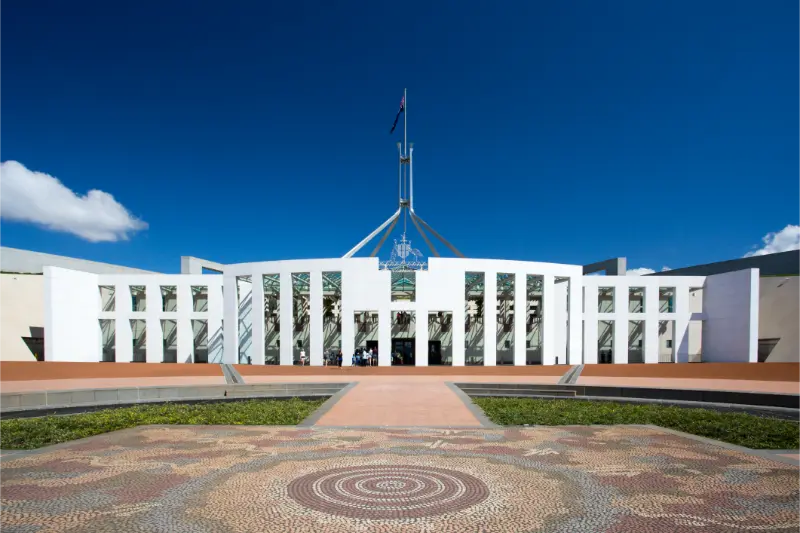
    Start with Parliament House and one nearby institution. Do not attempt every national museum on the first day; Canberra’s distances and large collections reward selection.

    Day 2: Lake Burley Griffin and cultural institutions

    Use the lake as the geographic anchor, combining one major museum or gallery with waterfront walking or cycling depending on weather.

    Day 3: Australian War Memorial and local neighbourhoods

    Give the memorial appropriate time, then change the tone of the day with Braddon, NewActon or another neighbourhood rather than adding another heavy national institution immediately.

    Day 4: nature, markets or flexible museum time

    Use the final day for Mount Ainslie, the arboretum, markets or one museum missed earlier. Keep enough buffer for the return journey if continuing to Sydney or another city.

    Arrival strategy

    Canberra Airport is close to the city by Australian standards, while intercity buses and driving connect Canberra with Sydney. Rail exists but is slower for many itineraries. Choose the arrival method based on total journey time, not only the ticket price.

    Arrival day should carry less risk than the rest of the trip. Save the accommodation address offline, know the first transport option before landing or leaving the station, and avoid a non-refundable attraction immediately after a long journey.

    Getting around efficiently

    Canberra is planned at a larger scale than many visitors expect. Buses, light rail, taxis, rides and cycling all help, but not every national institution is naturally grouped. Plan by precinct and use the lake as an orientation tool.

    Compare routes door to door, not station to station. Waiting time, stairs, transfers and the final walk can make the nominally fastest option worse for a family, a senior traveller or anyone carrying luggage.

    Best time to visit

    Spring and autumn are especially comfortable for outdoor spaces, while summer can be hot and winter mornings cold. Major political, sporting and floral events can raise accommodation demand.

    Seasonal planning should also consider daylight, local holidays, school breaks and whether your most important experience depends on clear skies, calm water or outdoor access.

    What to book before arrival

    Book first the things that can genuinely damage the itinerary if unavailable: a capacity-limited landmark, a specific long-distance connection, a guided experience with few departures or a weather-dependent excursion. Keep ordinary neighbourhood walks, markets and flexible museums movable whenever possible. Avoid reserving every hour; a useful booking creates certainty around something scarce, while an unnecessary booking removes flexibility.

    Food strategy

    Canberra has strong café, wine-region and modern restaurant scenes that are often overlooked. Use Civic, Braddon, Kingston and local markets to break up the museum-heavy days.

    Meals should also function as rest. A very good restaurant ten minutes from where you already are can be a better travel decision than a famous address requiring forty minutes of extra transport.

    What is actually worth prioritising

    Parliament, one or two national institutions, the lake and a neighbourhood-focused evening create a balanced first visit. Canberra is more rewarding when civic architecture and everyday local life are given equal space.

    Should you add a day trip?

    Nearby wine districts and nature areas can work, but a four-day first visit does not require them. If Canberra is added between Melbourne and Sydney or as a separate capital stop, keep the city days focused and avoid turning the stay into another road trip.

    A day trip earns its place when it adds a landscape, historical layer or experience that the city cannot provide. Count total door-to-door time, not only the advertised train, ferry or driving time.

    Travelling with children

    With children, reduce transitions before reducing highlights. One substantial visit in the morning, an easy lunch and a park, waterfront, market or interactive stop in the afternoon usually works better than three formal attractions. Keep snacks, water and a simple exit route available. For babies and toddlers, check surfaces, stairs and changing facilities instead of assuming that “walkable” means stroller-friendly.

    Travelling as a senior or at a slower pace

    For senior travellers or anyone who prefers a slower pace, remove low-value walking rather than removing the experiences themselves. Use public transport, taxis, lifts or short transfers where they save energy, then spend that energy on the historic streets, viewpoints, gardens and museums that justify the trip. Check hotel lifts, shower access and exact attraction entrances before booking.

    Budget planning

    Build the budget in layers: accommodation, airport or station transfer, local transport, fixed attractions, food and a reserve for weather or fatigue. A cheaper hotel is not automatically a cheaper trip if it creates repeated taxi rides or long commutes. If a tourist pass exists, calculate it against the exact attractions and journeys you will use.

    Weather backup plan

    Before each day, identify one outdoor anchor and one indoor alternative. Move museums, covered markets and cafés into the worst weather window and protect the experience that most needs good visibility or dry conditions. Temperature alone is not enough: wind, humidity, rain intensity and daylight can completely change the practical value of a plan.

    Accessibility and mobility

    Accessibility varies sharply between modern transport and historic streets. If step-free access matters, verify the exact station exit, attraction entrance and hotel approach rather than relying on a general city label. Cobblestones, steep lanes, heat, ice and older buildings without lifts can be more limiting than the nominal walking distance.

    Connectivity, payments and practical details

    Download an offline map, save the accommodation address and keep screenshots or offline copies of critical tickets. A local eSIM or data plan can make live transport easier, but the day should not fail because a phone battery dies. Carry a backup payment method and a small amount of local currency where useful.

    What to pack

    Comfortable walking shoes, weather-appropriate layers, sun or rain protection and a small day bag matter more than extra outfits. Add personal medication, a refillable bottle where practical and a compact power bank if navigation and tickets are digital. Pack for the destination’s real conditions, not only the headline temperature.

    Common mistakes to avoid

    • Assuming Canberra is compact because it is a capital city.
    • Booking several major museums on the same day.
    • Treating the city as a rushed detour from Sydney.
    • Ignoring cold winter mornings or hot summer afternoons.
    • Staying in a quiet government precinct when evening dining is a priority.

    Responsible travel and local etiquette

    Residential streets, markets, places of worship and working neighbourhoods are part of daily life, not open-air sets. Keep entrances clear, follow photography rules, dress appropriately where required and support local businesses when it fits naturally. In natural areas, respect marked routes, closures and current safety guidance.

    If you have less or more time

    With one day less, remove the most distant excursion or the day with the most transport instead of compressing every highlight. With one or two extra days, add neighbourhood depth, a slower museum block or one nearby excursion that offers something genuinely different. Extra time should make the trip calmer, not simply add more pins to the map.

    Safety and decision-making on the day

    Use ordinary situational awareness, keep valuables controlled in crowded transport and use clearly identified taxis or trusted ride services where relevant. Conditions vary by neighbourhood and time of day, so current local advice is more useful than blanket labels. On excursion and departure days, set a turnaround time early enough that a delay does not threaten an expensive connection.

    Useful official resource

    Opening hours, fees, access rules, transport schedules and seasonal operations can change. Recheck the official source shortly before departure.

    Final planning checklist

    • Confirm passport, visa, transit and health requirements for your nationality.
    • Reserve the attraction or transport that controls the rest of the itinerary.
    • Save the accommodation address and first-day route offline.
    • Recheck weather, closures and transport notices before each critical day.
    • Keep at least one half-day flexible enough to absorb a delay.
    • Leave a generous buffer before flights and other expensive connections.

    A strong trip to Canberra should feel as though you understood how the place fits together, not merely that you collected its famous names. Protect the reservations that matter, group the rest by geography and remove anything that creates more transit than experience.