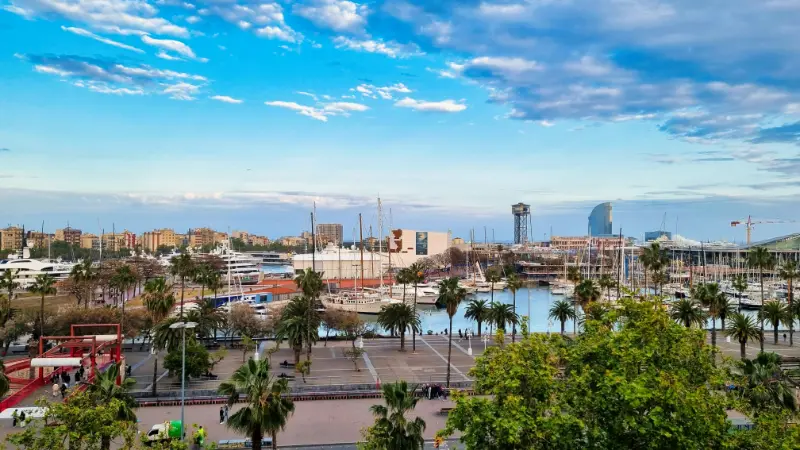
Barcelona deserves a trip built around geography and real travel time rather than a checklist. Barcelona is one of those cities where the famous attractions are spread just far enough apart to punish poor planning. Five days lets you group Gaudí sites intelligently, give the old city its own time, explore Montjuïc or local neighbourhoods and still enjoy the waterfront without making every day a race between metro stations.
If this destination is part of a longer journey, compare the pacing with Spain in 10 Days by Train: Madrid, Barcelona and Valencia Without Adding Another Flight. The useful question is not how many famous names fit on the map, but how much usable holiday time remains after transfers, check-in, meals, weather and rest.
Quick trip summary
- Recommended time: 5 days.
- Best planning principle: group each day by geography and protect only the reservations that control access.
- Best for: independent travellers, couples, families and slower-paced visitors who prefer a realistic rhythm.
- Keep flexible: at least one half-day or one major activity that can move with weather, traffic or energy.
- Book first: the accommodation location, scarce transport and any permit, timed entry or signature experience that shapes the rest of the trip.
Is Barcelona the right trip for you?
Barcelona suits travellers who want architecture, art, markets, neighbourhood life and the option of beach time in the same trip. Families have plenty of open-air breaks, while slower-paced visitors benefit from metro, buses and taxis on hillier days. The key is to reserve only the high-demand sites and keep the rest geographically simple.
The practical test is simple: decide what would make you disappointed if you missed it, then build the trip around that one or two priorities. Everything else should earn its place by fitting the same area of the day. This is especially important when travelling with children, older relatives or anyone who enjoys a slower pace.
Where to stay: choose location before hotel style
| Base | Why choose it |
|---|---|
| Eixample | Best all-round first-visit base with wide streets, metro access and easy connections to Gaudí sites. |
| Gothic Quarter / El Born edge | Best for atmosphere and evening walking, but noisier with narrower streets and more luggage friction. |
| Gràcia | Best for neighbourhood character and restaurants while remaining close to major northern sights. |
A more attractive room is not always a better travel decision. Before booking, map the first activity of the morning, the likely dinner area and the departure route. If the hotel adds two unnecessary transfers every day, the hidden cost is time as well as money.
A realistic 5-day itinerary
Day 1: Gothic Quarter, El Born and waterfront
Begin with the old city, cathedral area and El Born, then continue toward the waterfront. Avoid adding Sagrada Família simply because it is famous; keeping this day compact leaves time to understand the historic centre rather than crossing the city twice.
Day 2: Sagrada Família and modernist Barcelona
Build the day around a confirmed Sagrada Família entry, then connect nearby modernist architecture and Eixample streets. Choose one additional interior such as a major Gaudí house instead of turning the day into repeated timed admissions.
Day 3: Park Güell, Gràcia and a slower afternoon
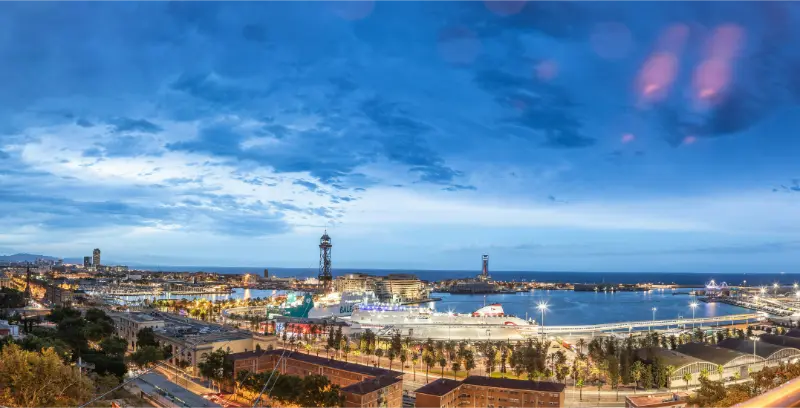
Visit Park Güell at a sensible time, then stay around Gràcia for lunch and neighbourhood walking. If energy is good, add another northern viewpoint or museum; if not, keep the afternoon deliberately light.
Day 4: Montjuïc, museums and evening city life
Use cable car, bus or funicular connections to reduce unnecessary climbing on Montjuïc. Choose one museum or cultural site and give the gardens and viewpoints room. Return to the centre for dinner rather than adding another distant attraction.
Day 5: beach, local district or one excursion
Choose according to season: a beach and Poblenou day, a deeper neighbourhood day, or one regional excursion such as Montserrat. Do not try to combine a major excursion with several last-minute city reservations before departure.
How to move around without wasting the day
Metro handles long cross-city journeys efficiently, while buses are useful for hills and routes not served directly by metro. Walking is excellent within each district. Taxis can be worthwhile for multi-age groups at the end of a long day, but should not replace basic geographic planning.
Do not judge a journey only by kilometres. A short distance can include traffic, security, parking, boat boarding, luggage handling or a long final walk. For every important transfer, think in door-to-door time and keep a margin before anything expensive or difficult to replace.
Best time to visit
Spring and autumn are strong for walking, while summer brings heat, beach appeal and larger crowds. Winter can be pleasant for culture-focused trips with shorter daylight. In warm months schedule exposed sites earlier or later and protect the middle of the day from unnecessary hill climbing.
Seasonal advice should guide the style of the trip, not become a promise. Climate averages cannot tell you the exact conditions on your dates. Check the local forecast and any official closure, transport or safety notice again shortly before each weather-sensitive day.
What to book first
Reserve Sagrada Família and any other must-see Gaudí interior first, then hotel and any special experience. Park Güell can also require planning in busy periods. Do not book three timed modernist interiors back-to-back; the architecture is easier to appreciate when the day has breathing room.
After those anchors are secure, leave ordinary meals, short walks and secondary sights open. A timetable with every hour reserved is fragile: one delay turns the rest of the day into a sequence of apologies and missed slots.
Food strategy: eat well without scheduling every meal
Markets are useful for browsing but not every famous market needs to become a meal destination. Eat in the district you are already exploring, keep one longer dinner for an evening with no early start, and use simple breakfasts to protect valuable morning sightseeing time.
For a multi-age group, a reliable breakfast and an easy lunch often matter more than one additional attraction. Keep water accessible, avoid waiting until everyone is exhausted to look for food and use meal stops as genuine rest rather than another item to complete quickly.
Travelling with children
Children often enjoy Park Güell, beaches, cable cars, fountains and open plazas more than a sequence of architectural interiors. Alternate one structured visit with outdoor time and keep hydration and shade central in warm weather.
Children do not need a simplified version of every adult attraction. They usually need a different rhythm: movement, shade, snacks, toilets and periods when nobody is asking them to pay attention. Protect those needs and the whole group usually sees more, not less.
Travelling at a slower pace or as a senior
Eixample is often the easiest base for lifts, wider pavements and transport. Use buses or taxis for uphill sections and avoid scheduling Park Güell and Montjuïc on the same day if stamina is limited. Many memorable parts of Barcelona are street-level experiences that do not require long museum visits.
When mobility or stamina is limited, reduce transitions before reducing experiences. One well-located base, a direct transfer and a shorter route often preserve the most memorable parts of a trip far better than trying to keep the original schedule with longer rest stops.
Budget: where the money really goes
Accommodation and major Gaudí admissions can add up quickly. A transit pass may help if your hotel is outside the central walking zones, but area-based planning reduces unnecessary journeys. Beach time, markets and neighbourhood walks balance expensive ticketed attractions.
Track the total cost of each planning choice. A lower hotel rate can be false economy after taxis, parking or long transfers, while a more expensive excursion may be reasonable if it replaces a rental car, guide and separate admission fees. Compare complete days rather than isolated prices.
Weather fallback plan
Hot days require shade, water and slower afternoons, while rain works well for museums and interiors. Wind can affect cable cars or exposed viewpoints, so keep Montjuïc flexible. Beach time should be treated as weather-dependent rather than a fixed obligation.
The useful fallback is not a list of random indoor attractions. It is one realistic substitute that fits the same area or preserves the next day. Keep at least one activity movable so a poor forecast does not force you to choose between losing money and doing something unsafe.
Connectivity, cash and small practical details
Keep valuables controlled in crowded metro cars and tourist corridors, and avoid carrying a phone loosely near busy streets or café edges. Save tickets offline and check the exact entrance for large sites, since arriving on the wrong side can waste valuable timed-entry minutes.
Save hotel addresses, tickets, permits, insurance details and the next transfer outside your email app. Offline access matters most precisely when the network is weak, your battery is low or you are trying to solve a delay.
What to pack
Comfortable shoes, sun protection and a refillable water bottle are essential for much of the year. Add a light layer for evenings and a compact rain shell outside the driest periods. Modest clothing may be useful for religious interiors.
A small day bag should hold water, medication, sun or rain protection and the layer you are most likely to need. The goal is not to carry everything; it is to avoid having the useful items locked in a suitcase or parked car when conditions change.
Common mistakes to avoid
- Booking several Gaudí interiors in one day and spending the whole day watching the clock.
- Crossing the city repeatedly instead of grouping Eixample, old city and Montjuïc separately.
- Ignoring midday heat in summer.
- Keeping valuables exposed in crowded tourist areas.
- Treating the beach as mandatory even when weather or season makes another neighbourhood day more enjoyable.
Responsible travel and local etiquette
Barcelona’s most visited districts are also residential. Keep noise down in narrow streets, avoid blocking building entrances and support businesses beyond the busiest corridors. Use public transport rather than unnecessary short taxi trips when it fits the route.
The best rule is to treat the destination as a real place rather than a stage built for visitors. Follow staff and ranger instructions, respect residential space and protected environments, and spend with businesses that add genuine local value instead of rewarding the most aggressive sales pitch.
If you have less or more time
With three days, prioritise old city, one Gaudí day and one flexible neighbourhood or Montjuïc day. Four days adds Park Güell and Gràcia comfortably. With six or seven days, add the beach, a regional excursion and slower evenings.
Extra days are most useful when they reduce pressure. Before adding another distant stop, ask whether the trip improves more by sleeping in the same place, repeating a favourite beach or neighbourhood, waiting for better weather or enjoying a late breakfast without watching the clock.
How to choose between similar experiences
Choose Montserrat for mountain scenery and monastery culture, the beach for an easy low-logistics day, and Poblenou or Gràcia for local city life. The best fifth day depends on weather and whether you want contrast or depth.
When two options offer a similar experience, choose the one that fits the geography and energy of the day. The extra hour of transfer rarely creates an extra hour of enjoyment, especially in heat, traffic, rough water or at altitude.
Safety and decision-making on the day
Pickpocketing is the main practical concern in crowded central areas and public transport. Keep bags closed, avoid distracted phone use at street edges and use licensed transport. Heat and dehydration can be a bigger day-to-day issue than crime in summer.
Local warnings, ranger instructions and transport operators have more value than an itinerary written months earlier. Set a practical turnaround time for hikes, drives and water days, and change the plan when conditions deteriorate rather than trying to complete the original checklist.
Useful official and planning resources
Opening hours, protected-area rules, transport schedules, fees and visitor procedures change more often than the landscape. Recheck the source below shortly before departure.
Final planning checklist
- Confirm passport, visa, transit and health requirements for your nationality.
- Reserve the transport, permit or timed entry that controls the rest of the itinerary.
- Check how luggage moves between airport, road transfer, ferry, train or accommodation.
- Download offline maps and save key tickets outside your email app.
- Recheck weather, sea, road, trail or park notices before each critical day.
- Keep at least one half-day that can absorb a delay or become simple rest.
- Leave a generous buffer before international flights and other costly connections.
A good trip to Barcelona should feel like you understood the place, not merely that you passed through it. Keep the transport anchors fixed, leave room for conditions to change, and remove anything that does not fit your interests, mobility or energy. The result is usually more enjoyable than the most ambitious version of the same route.