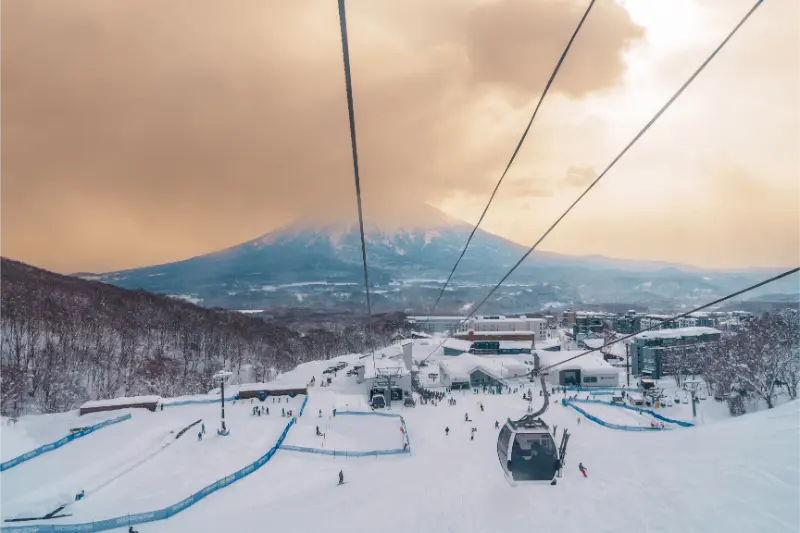
A first ski holiday is memorable for the quiet moments as well as the first successful turn: snow falling outside the window, a warm lunch after lessons, a mountain view from the lift and the surprise of discovering a new physical skill. But skiing also involves genuine cost, cold, unfamiliar equipment and the possibility of injury. For beginners, the smartest destination is rarely the resort advertising the most difficult slopes or the biggest lift network. It is a place with reliable beginner instruction, manageable access, a comfortable base and non-ski activities for anyone who wants to rest. Families, adult beginners and older travelers can all enjoy the mountains when the schedule allows learning at an individual pace.
At a glance
- Check exact conditions before booking, rather than relying on a universal rule.
- Choose arrangements that work for the ages, abilities and interests of your group.
- Keep a practical alternative in case prices, weather or access change.
Choose a beginner-friendly resort, not merely a famous one
Look beyond the number of piste kilometers. Ask whether the learning area is near the accommodation, whether nursery slopes are served by easy lifts, and whether lessons meet at a convenient location. A huge ski domain may offer spectacular terrain but require transfers just to reach the beginners’ zone. Check published piste maps, local snow reports, lesson availability and lower-elevation weather risks. A smaller resort with a gentle practice slope and welcoming instructors can be a much better first experience.
For families, confirm the age accepted by ski schools and whether a children’s snow garden is included. For people who are not comfortable walking long distances in ski boots, ask how far equipment storage is from the lifts. An appealing hotel across a steep icy road may be unsuitable despite an excellent room price. Judge the entire morning journey from breakfast to the lesson meeting point before booking.
How many days to allow for lessons
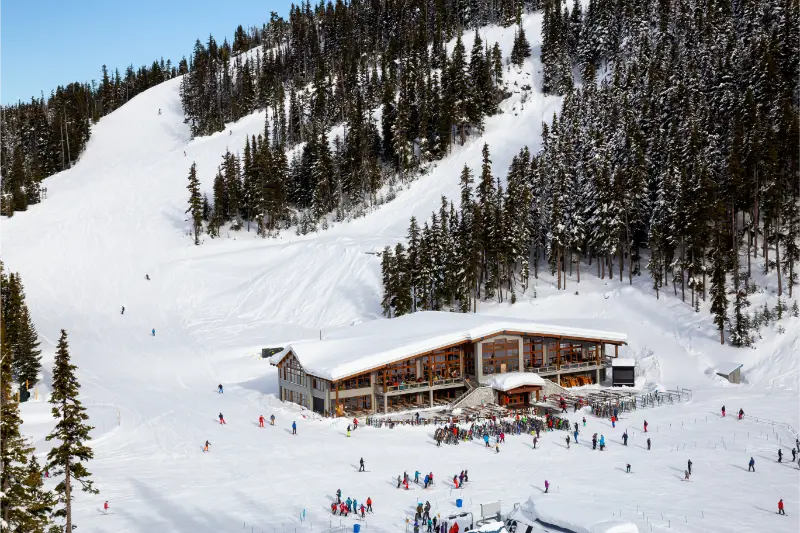
Most beginners benefit from structured instruction early in the holiday rather than trying difficult slopes after watching online videos. Group lessons offer social motivation and a lower cost per person, while private lessons can address specific fears, a limited schedule or adaptive techniques. Check instructor qualifications, language availability, maximum group size and the precise duration. A lesson advertised as a half day may include breaks and lift transfers, which affects how much on-snow practice you receive.
Avoid booking the entire week as a competition to progress. Two or three well-paced learning days with time to rest may feel more rewarding than pushing through exhaustion. Children may need shorter sessions and breaks before they become cold or discouraged. Adults should not assume they will learn more slowly or quickly than someone else based on age alone. Comfort, health, previous balance skills and instruction all affect the experience.
Ski equipment and boot fitting
Beginners generally do not need to buy skis before their first trip. Renting lets an equipment professional select suitable skis, poles and boots for the current ability level. Poorly fitting boots can ruin a holiday, so try them on with proper ski socks, describe any pressure points and ask for adjustment before leaving the shop. Boots should feel secure without creating sharp pain or numbness. Do not wear multiple thick socks to fix the wrong size.
Choose a helmet appropriate for skiing and check that it fits correctly; protective equipment reduces some risks but cannot eliminate them. Gloves or mittens, waterproof outer layers, eye protection and sun protection matter too. Layer clothing so you can adjust to weather and activity. If traveling by air, weigh the cost of bringing personal equipment against renting locally, including airline sports-baggage charges and the effort of transporting a ski bag through stations.
The real cost: lessons, passes, rentals and food
A ski package can include some but not all of the important elements. Make a budget line for accommodation, transport, lessons, rental gear, beginner lift access, winter clothing, insurance and meals. Verify whether ski school includes a lift pass or whether a cheaper learner ticket is available for a limited area. Paying for a full-area pass when you only use one nursery slope may waste money. Conversely, a cheap accommodation offer far from the lifts can add costly shuttle journeys or parking fees.
Consider an illustrative two-person comparison: Resort A costs more per night but has lessons, rental and a beginner slope within a short walk; Resort B has a cheaper room but requires a car, paid parking and a lengthy daily transfer. Write the actual amounts beside each item before deciding. Do not infer that meals at a mountain restaurant will cost the same as groceries at home. Bringing water and a simple snack can improve comfort without requiring a complicated packed lunch.
Weather, snow conditions and visibility
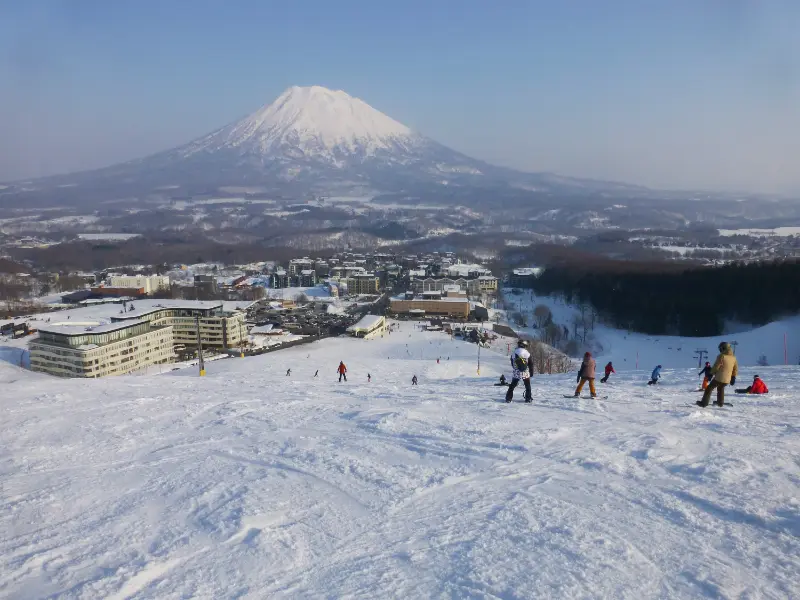
Snowfall alone does not guarantee good skiing conditions. Strong winds can close lifts, while freezing rain, very hard snow or dense cloud can make easy slopes difficult. Read the resort’s official daily lift and piste updates and follow closures, even when the view from the village seems pleasant. Beginner areas at lower elevation may have different conditions from upper mountains. Choose flexible lesson or rental arrangements where available so a disrupted day does not consume the whole budget.
Pack for strong sunlight reflected by snow as well as cold. Sunglasses or appropriate goggles should fit securely. Protect exposed skin and apply sunscreen as directed, particularly at altitude. Dress in layers that keep moisture away from the body; sweating heavily during the first run can leave someone cold on the lift. When a child complains of wet gloves or cold feet, treat it as useful information rather than a sign that they need to try harder.
Understand slope signs and the skier responsibility code
Color grading varies somewhat across countries; an easy run on a resort map is not a promise that every section will feel effortless. Beginners should ski only within their control and instruction level. Common mountain safety codes require skiers to stay in control, respect people downhill, stop where visible and follow signs and closures. Ask the instructor which local rules apply. Do not enter closed terrain, jump barriers or follow someone off piste because the fresh snow looks inviting.
Learning to stop and turn safely comes before speed. A helmet does not make risky behavior acceptable. If a slope feels too difficult, stop in a safe visible location and request assistance rather than accelerating to escape a problem. When starting downhill, look uphill for approaching people. Adults supervising children should make clear where the group will meet and what to do if someone becomes separated.
Ski lifts and getting on or off safely
Different lifts require different skills. A beginner may start with a magic carpet or gentle surface lift before using a chairlift. Pay attention to staff instructions on approaching the loading area, securing equipment and exiting at the top. If someone needs additional time due to disability, age or anxiety, tell the operator before boarding. Lift attendants can often explain the procedure or direct travelers to appropriate assistance, though arrangements depend on the resort.
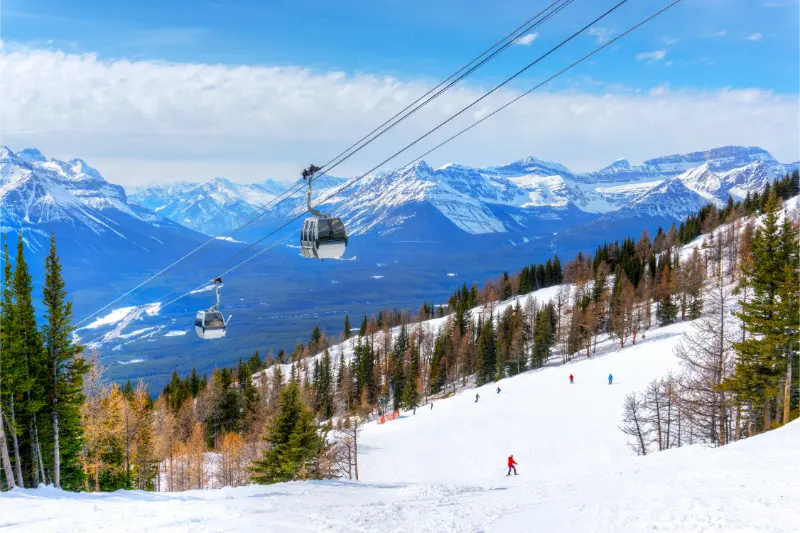
Never try to rescue dropped equipment by jumping from a chair. If a lift stops, remain seated and wait for instructions. Children must follow the area’s height and supervision rules; do not assume an adult can place unlimited small children on one chair. Learn how to lower and raise a safety bar where required and avoid loose straps or clothing becoming entangled.
A family plan without pressure
For children, set success goals such as becoming comfortable in boots, using the practice lift and learning to stop. Schedule meals and warmth breaks before everyone becomes tired. Teenagers may progress at a different pace from younger siblings; avoid sending a beginner onto terrain chosen for an advanced family member. If adults and children book different lessons, identify a meeting place away from busy lift exits and exchange emergency contacts.
Not everyone needs to ski. A resort with scenic walks, sledding where permitted, cafés, swimming facilities or cultural sights can provide enjoyable days for grandparents, toddlers and relatives with mobility limitations. Check accessible winter paths rather than assuming a village pavement remains clear of snow. A satisfying family holiday includes people who opt out of lessons without treating them as an inconvenience.
Adult beginners and older travelers
Starting skiing as an adult is common, but fitness, balance, pre-existing injuries and personal confidence vary. A traveler with medical concerns should ask their clinician about strenuous activity rather than relying on a generic age cutoff. A gentle lesson can help build skills progressively. Flexibility to stop after an hour, take a full rest day or replace skiing with a scenic excursion is a strength of good planning, not a failure.
Older beginners may prefer private lessons or very small groups, nearby accommodation and equipment storage without stairs. Consider the grip of footwear on icy sidewalks and the availability of handrails outside the slopes. Skiing can be demanding on knees and muscles, so allow recovery time. Warm, accessible lodging is often a better investment than an ambitious mountain itinerary.
Insurance, emergency contacts and mountain boundaries
Standard travel insurance does not always include recreational skiing, off-piste activity, rescue services or helicopter evacuation. Examine policy wording for winter sports, altitude limits, equipment loss, liability and medical treatment. Understand how to contact local ski patrol and what information they will ask for if an incident occurs. Keep a charged phone in an inside pocket where possible and store the resort’s emergency number offline.
Many resorts distinguish patrolled marked pistes from uncontrolled backcountry terrain. A traveler who follows a closed track or goes beyond the ski area may face substantially different risk and insurance coverage. Stay with authorized instruction and permitted slopes on a first trip. If severe weather or illness changes the plan, review refund rules for lessons and passes before deciding whether to continue.
A four-day beginner itinerary
On arrival day, settle into accommodation, collect equipment and walk to the lesson meeting point while it is quiet. Day two can focus on the first beginner lesson and a relaxed afternoon exploring the village. Day three allows another lesson and repeat practice only on suitable terrain, followed by a proper rest. Day four might combine a shorter instruction session with a scenic lift ride or non-ski excursion if weather and skill level permit. Extend the program only when everyone feels comfortable.
This approach intentionally avoids promising a particular ability by the end of the week. Snow quality, teaching conditions, stamina and individual learning all vary. If a person is not ready for a higher run, repeating the learner slope is sensible. Returning home with positive memories and safe habits is a much better goal than checking off an impressive piste number.
Frequently asked questions
Is one lesson enough to learn skiing?
One lesson can introduce basic equipment, stopping and controlled movement, but progression varies widely. Booking additional instruction is usually wiser than assuming you can safely tackle larger slopes afterward.
Should I buy a full-area ski pass?
Not automatically. A beginner ticket or limited-area pass may fit the practice terrain. Ask the instructor or resort what access the lesson requires.
Can grandparents enjoy a ski resort without skiing?
Yes, if the resort has suitable lodging, transport and non-ski activities. Check winter accessibility, local weather and alternative indoor options before booking.
Is ski insurance included in ordinary travel insurance?
Not always. Read explicit winter-sports, rescue, liability and off-piste provisions, including exclusions for closed terrain.
Do I need to bring my own skis on a first holiday?
Usually renting is practical. It reduces transport burden and allows professional fitting, though travelers should check rental condition, prices and any insurance or damage terms.
Quick comparison
| Decision | What to check |
|---|---|
| Beginner terrain | Gentle practice area near lesson meeting point |
| Lessons | Qualified instruction and realistic group size |
| Equipment | Proper boot fitting and protective clothing |
| Budget | Pass, gear, teaching and winter sports coverage |
Official resources and further reading
Rules and availability may change. Check these sources and the relevant local operator before booking.