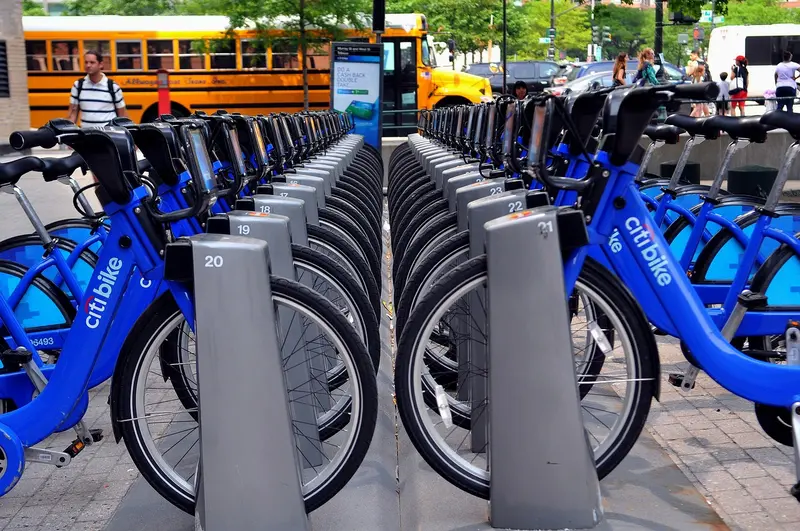
Public bicycle-sharing systems can make a city feel smaller. A short ride between two neighborhoods may be more enjoyable than waiting for a bus, especially where protected cycle lanes link public squares, parks and waterfronts. Yet bike sharing is not the same as hiring a bicycle for a full day from a shop. Most schemes are designed for short, repeat journeys, with app registration, unlocking procedures, service areas and extra fees if the bicycle is not properly returned. Travelers should understand the local road rules and total charging model before their first ride, then choose routes that match their confidence rather than treating cycling as a universal shortcut.
At a glance
- Start with rules and services for the exact destination and operator.
- Make travel choices appropriate to your group’s ages, accessibility needs and preferences.
- Keep written confirmations, allow realistic time and have a practical backup.
Identify the type of bike-sharing system
A docked system uses fixed stations where riders collect and return bicycles. A dockless system allows parking in designated areas shown in an app, subject to geofencing and local restrictions. Some schemes mix conventional bicycles and pedal-assist e-bikes with different charges. A bicycle available on the map may be reserved, defective or unsuitable for a rider’s height. Review the operator’s official map and user instructions, not just a third-party travel blog that may describe an older version of the service.
Many systems require a phone, mobile data, a payment card and a functioning app. Some also offer passes through ticket machines, kiosks or transport-card integration. Visitors without a local phone number may face identity or payment verification barriers. Register and test the application before reaching a busy street corner with luggage. If the app refuses your card, do not assume a stranger offering to unlock a bicycle for cash is a legitimate representative of the program.
Work out the real fare before riding
Pricing may combine an unlock fee with minutes ridden, a daily pass with time-limited journeys, or a membership allowing a specified number of short trips. The word “day pass” does not necessarily mean one bicycle can remain checked out for an entire day without further fees. In some systems, keeping it for two hours instead of returning within the included period creates a large additional charge. E-bikes may have separate minute rates even under an ordinary bike pass.
Imagine a city scheme offering a day pass with unlimited individual rides of up to thirty minutes. A ride lasting forty-five minutes could trigger a fee, even if you intend to take no other bike that day. If you want an extended countryside ride, a conventional bicycle rental shop with a day rate may be better. Use the official pricing page to compare realistic trip lengths and remember possible deposits, damaged-bike charges and penalties for parking outside permitted zones.
Learn the road rules and cycling culture first
Traffic-side conventions, bicycle lane rules, helmet requirements and restrictions on sidewalks vary by destination. In a city unfamiliar to you, take time to observe intersections before joining traffic. Protected lanes can end abruptly, turn across tram tracks or merge with turning vehicles. Plan a calm first route through a park or a well-marked corridor instead of choosing the app’s shortest path through a complex junction. Never assume that a green route on a map guarantees separation from cars.
Use hand signals where appropriate, obey traffic lights and pedestrian priority, and keep predictable distances from parked vehicles. When crossing tram rails, take special care with the angle and surface. Do not wear headphones that block awareness of surrounding traffic. Follow the law on lights at night and choose slower, simpler routes in rain. If the road conditions feel unsafe, park the bicycle correctly and continue by public transport rather than forcing the trip to justify the rental fee.
Inspect the bicycle before unlocking it
Check tires, brakes, frame, saddle, handlebar, chain or drive system, lights and any visible damage. Adjust the seat to a safe height. A wobbly handlebar, broken light or rubbing brake is a reason to choose another bike. In app-based systems, report damaged bicycles using the provider’s official process so you are not inadvertently charged for damage caused by a previous rider. Photograph obvious issues before starting if permitted, especially when the system has no staffed location.
An e-bike can accelerate more quickly than expected, and some models are much heavier than ordinary cycles. Start in a safe space and test the assistance setting. Check battery level against the planned route but allow a margin; estimated range depends on terrain and riding style. Never use a bicycle that seems to have a faulty motor or controls. Return it through the normal procedure and report the issue rather than attempting a repair on the street.
Understand docking and parking rules
The ride is not finished just because you stop moving. A docked bicycle usually must lock fully into an available station bay; look for the confirmation light, sound or app message. If a station is full, find the next official station rather than leaving the bike against a railing. For dockless schemes, the legal parking zone might exclude footpaths, doors, tactile paving and historic squares. A geofence may prevent ending the ride outside a permitted area, continuing minute charges until you relocate the bicycle.
Before walking away, wait for the app to show the ride is closed. Save a screenshot with end time and location, especially if the dock indicator appears inconsistent. If the service does not end, use official support immediately and document your attempts. A properly parked bicycle can still create access barriers if it blocks a wheelchair route or a stroller crossing. Responsible parking is an essential part of respectful travel, not an optional courtesy.
Choose routes with scenery rather than speed
Bike sharing works especially well for short riverside stretches, waterfront parks, campuses and connected neighborhoods. Build a route with a safe return station near the next attraction. Consider your group’s riding ability, road surfaces and hills. What looks like a ten-minute ride on a map may be tiring in extreme heat or strong wind. Include a break and enough time to return the bike within the relevant charging period. Planning two relaxed short rides is often better than using one long trip to cover the entire city.
A first-day route might start at an outer transit stop, follow a protected cycle lane toward a public park, finish near a museum and continue on foot. That avoids carrying a bicycle all day and gives the group flexibility. Do not ride through pedestrian-only zones or crowded market streets merely because the app shows the shortest distance. Where cycling infrastructure is limited, consider a guided introductory ride with a qualified operator or skip bike sharing entirely.
Bike sharing with teenagers and families
Minimum rider ages, height requirements and account-sharing rules differ, and many public bike-share services are not designed for young children. Standard rental bicycles may have adult frames and no approved child seats. Never improvise by carrying a child in a basket or on handlebars. If your family needs child seats, a cargo bike or a trailer, find a specialized rental service that supplies properly approved equipment and a suitable route. A city known for cycling is not automatically suitable for a six-year-old on every street.
For teens who meet the local age and size requirements, practice starts, stops and road positioning in a safe place. Avoid complex multi-lane junctions on a first ride. Agree on a meeting place if separated and make sure each rider knows how to end the rental. A group with grandparents or less confident riders may prefer one scenic path and public transit for the rest of the day. Freedom should not come at the cost of putting someone on a bicycle they cannot control comfortably.
Accessibility and alternatives to ordinary bicycles
Standard bike-share fleets may not meet the needs of riders using adaptive bicycles, tricycles or handcycles. Some cities and specialist operators have inclusive cycling programs, but equipment availability requires advance confirmation. Ask about stable adapted cycles, reservation conditions, trained assistance, surface quality and storage. Do not treat e-bike assistance as a substitute for an adapted bicycle when balance or mobility is a concern. An accessible waterfront path might offer an equally enjoyable route by wheelchair, scooter or on foot.
For visitors with visual or hearing impairments, app accessibility and road safety are both relevant. A screen-reader-friendly app is helpful but does not establish that a route is safe or comprehensible. In unfamiliar cities, a tandem ride with an experienced guide may be preferable for some travelers. Check whether local rental insurance and liability conditions allow an accompanied or assisted rider. The goal is a comfortable experience rather than an obligation to follow a popular cycling trend.
Theft, accidents and insurance
Read who is responsible if a bike is stolen before it has been properly docked, or if it is damaged during a ride. Some schemes make riders liable for substantial replacement costs. Do not leave a running rental unattended outside a cafe, even for a moment. If the system provides a lock, use it according to the terms; locking a bike incorrectly may leave the trip active and vulnerable to theft. Ensure payment details and your account are protected with appropriate device security.
If an accident occurs, prioritize medical assistance and local emergency procedures. Report the incident through the operator’s official channel and document the bicycle number, place and time. Personal travel insurance may exclude certain cycling activities or have conditions about helmets and road use; check before riding. Third-party liability coverage is a separate concern from medical treatment. A small fare does not necessarily mean the service includes comprehensive insurance for visitors.
Avoid problems with roaming and weak phone coverage
Download the app on reliable internet and verify sign-in before departure. A weak signal can prevent unlocking or confirming the end of a journey in some systems. Keep a charged phone and an offline screenshot of customer support information. Some bike-sharing schemes require location permission or Bluetooth; learn the requirements before standing at a dock. Never use an untrusted public Wi-Fi portal to enter card details if a safer connection is available.
If a bike will not unlock, end the attempt within the app instead of repeatedly paying for failed starts. If the ride will not close, call support and keep the bicycle in the correct location until you receive instructions. A city transport visitor center may help you understand the scheme’s boundaries and payment system. Budget time to solve technical issues: a few extra minutes at the first station can prevent an expensive day of unexplained charges.
Frequently asked questions
Is a bike-share day pass the same as a full-day bicycle rental?
Often no. Many passes permit multiple short trips rather than one continuous all-day booking. Check the time limits and overage fees.
Can I leave the bicycle anywhere?
No. Docked and dockless systems both have defined return and parking rules. Improper return can cause large charges.
Can children ride shared bicycles?
Only when local minimum ages, height and account rules permit. Most standard fleets are adult-oriented and do not provide child restraints.
What happens if I cannot end my ride in the app?
Park correctly, document the issue and contact the operator immediately. Do not assume charges stop when you physically leave the bicycle.
Are helmets and insurance always provided?
No. Rules and provisions vary; check both the operator’s terms and local cycling laws before your first ride.
Quick planning checklist
| Check | Practical next step |
|---|---|
| Short ride | Check inclusive minutes and unlocking fee |
| Docking | Wait for digital or dock confirmation |
| Children | Check age, height and approved child equipment |
| Insurance | Understand damage and theft liability |
Official resources and further reading
Requirements and operating conditions can change. Consult official sources and the relevant provider for your specific trip.