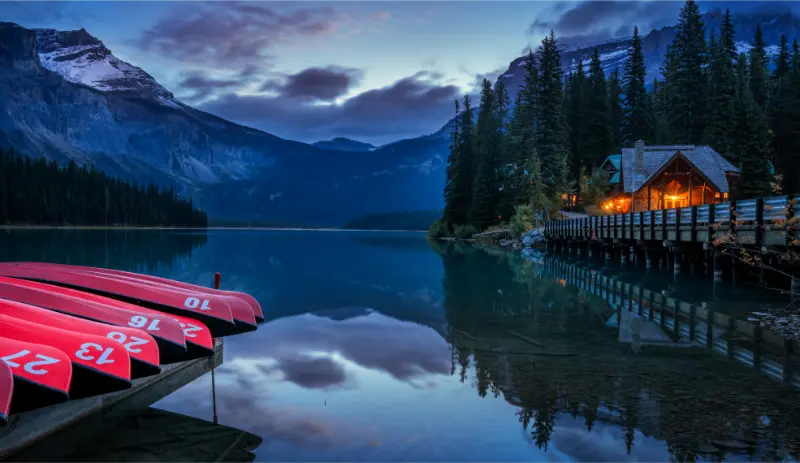
A Canadian Rockies road trip is easy to underestimate because the main highway distances appear manageable. The problem is that almost every hour of driving contains reasons to stop: lakes, viewpoints, wildlife, trailheads and changing weather. A two-hour map estimate can become most of a day once you include parking, walking and the simple fact that you came to see the mountains rather than the dashboard.
This seven-day route gives Banff and Jasper enough time to feel distinct and treats the Icefields Parkway as a destination in its own right. Conditions and access can change, and Jasper has continued to publish specific reopening and closure information following the 2024 wildfire, so official park updates should be part of the daily routine.
Quick trip summary
- Use two main bases—Banff/Lake Louise area and Jasper—rather than moving every night.
- Treat the Icefields Parkway as a full scenic day, not a transfer to complete quickly.
- Check Parks Canada bulletins, trail conditions and wildfire-related access before setting out.
- Wildlife viewing should happen from a safe distance; never turn a roadside sighting into a traffic hazard.
- Summer accommodation and popular activities can require early booking, but daily hiking choices should remain flexible for weather.
Who this itinerary is for — and who should change it
This route is designed for a first visit with a moderate pace: enough structure to avoid wasting days on poor logistics, but enough freedom to respond to weather, energy and unexpected discoveries. It suits couples, solo travellers, families and mixed-age groups who would rather remember several places clearly than remember a blur of transfers.
If your priority is nightlife, serious hiking, luxury resorts or a single specialist interest, use the route as a geographic framework and replace the lower-priority days. A useful itinerary is not a test of how many attractions you can complete. It should make the important parts easier while leaving room to stop when something is better than expected.
Where to stay: location decisions that change the trip
Accommodation has more impact than the room itself. Check the first journey each morning, the last journey at night, luggage access, hills or stairs, nearby food and whether you can return for a break. A cheaper property that creates two difficult transfers every day can cost more in time, taxis and energy than a slightly more expensive base in the right place.
| Base | Best use and trade-off |
|---|---|
| Banff town | Best for restaurants, services and easy evening walks. It is convenient but busy and often expensive. |
| Canmore | A practical alternative east of Banff with more accommodation and dining choice, though it adds driving to Lake Louise and western trailheads. |
| Lake Louise area | Excellent for early access to nearby scenery, but accommodation is limited and costly. Parking/transit arrangements need checking. |
| Jasper town | The natural base for the northern park. Availability and services may be affected by ongoing recovery, so verify what is open for your travel dates. |
A realistic day-by-day route
Day 1: Calgary to Banff or Canmore
Collect the car, buy anything you need for the first days and drive west without adding a major mountain hike after a long flight.
Use the afternoon for Banff town, Bow River paths or an easy viewpoint depending on energy.
If jet lag is significant, an early dinner and sleep will improve the rest of the week more than a forced sunset mission.
Day 2: Banff-area highlights without chasing every lake
Choose one substantial morning activity and one lighter afternoon area. Johnston Canyon, Lake Minnewanka, Sulphur Mountain or local trails should not all be squeezed into one day.
Parking and shuttle systems can shape the order more than distance does. Check the current access rules rather than relying on an old itinerary.
Keep the evening flexible for weather or wildlife-related delays.
Day 3: Lake Louise and Moraine Lake planning
Make this the Lake Louise zone day and follow the current Parks Canada shuttle/transport arrangements for Moraine Lake and other controlled-access areas.
Select a walk appropriate to the group’s ability rather than choosing a trail solely because it is popular online. Mountain weather can change quickly.
If travelling with young children or older adults, a lakeshore visit plus one short viewpoint can be a complete day when transport and crowds are included.
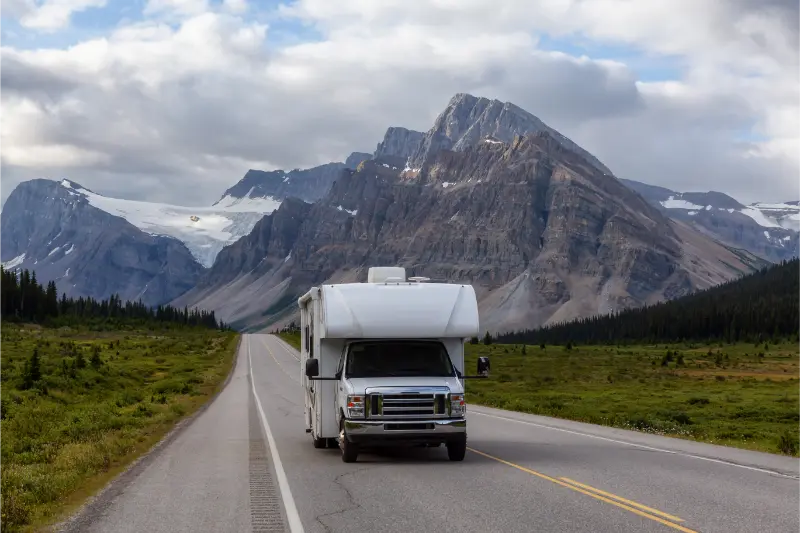
Day 4: Icefields Parkway to Jasper
Leave early with fuel, water and food. The road itself is the itinerary: viewpoints, short walks and glacier scenery can easily fill the day.
Do not count on constant mobile coverage or services. Decide in advance which stops are priorities so you can skip lower-value ones if weather or traffic slows you.
Arrive in Jasper before everyone is exhausted; wildlife is more safely appreciated when the driver is not rushing after dark.
Day 5: Jasper close to town
Use the first Jasper day for accessible sights near town, lakes or a moderate trail depending on what is open.
Because wildfire recovery has changed access in some areas, verify current status with Parks Canada instead of copying a route published before 2024.
A quieter afternoon in town or by a lake is often a better balance after the long Parkway day.
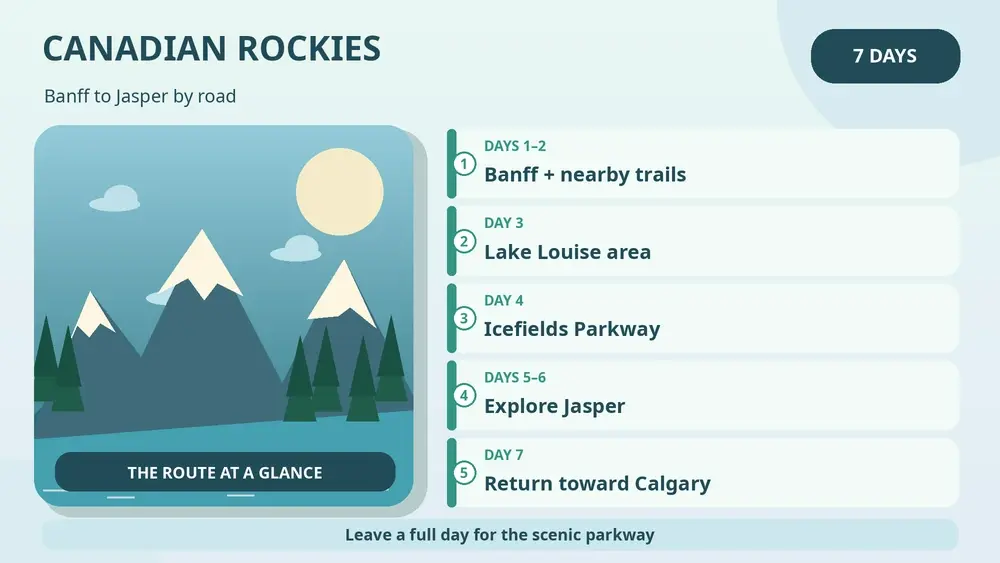
Day 6: one Jasper priority day
Choose one major experience: Maligne area if accessible, a longer hike, a scenic drive or another park zone confirmed open.
Avoid driving large distances merely to recreate an old checklist when closures or conditions make another area more practical.
Use the evening to prepare for the return drive and check weather across the route.
Day 7: return toward Calgary with realistic flight planning
If your flight is the same day, leave substantial margin and consider sleeping farther south the previous night. Mountain roads, stops and weather are poor companions to a tight airport deadline.
If you have another night, break the drive in Banff/Canmore and make the final airport transfer calmer.
Do not schedule the most important hike on the departure morning.
Pace check: if the previous stage ran late, remove the lowest-priority stop rather than stealing time from meals, sleep or the next transfer. The route is deliberately built with places where you can simplify it without breaking the whole trip.
Transport reality: what the map does not show
A rental car gives the most flexibility, but the parks increasingly use transit and shuttle systems at heavily visited locations. Current access rules around Lake Louise and Moraine Lake should be checked directly with Parks Canada. On the Icefields Parkway, start with sufficient fuel and do not assume every service is open. Download offline maps, but treat official closure information as more authoritative than routing software. Mountain passes, construction, snow and wildfire conditions can change the trip even outside winter.
Door-to-door time is the number that matters. Add checkout, reaching the station or port, waiting, boarding, transfers, finding the new accommodation and the possibility that everyone wants food immediately after arrival. This is why a “two-hour journey” can easily occupy half a day. Our guide to building realistic itineraries explains how to protect transfer days instead of pretending they are normal sightseeing days.
Food strategy: eat well without making meals another timetable
Banff, Canmore and Jasper provide the easiest meal options, while scenic driving days need more preparation. Carry water and a proper lunch, not just emergency snacks. Wildlife-safe food storage matters whenever you are picnicking or camping. A supermarket stop before the Parkway can save both money and time. If dining late is difficult for children or older adults, reserve or eat earlier because popular mountain towns can become busy quickly.
One planned meal per day is usually enough. Leave the other meal flexible so it can respond to where you actually are, not where you expected to be six months earlier. Keep a simple backup option close to the hotel for evenings when the group is tired. This matters even more with children and older adults, because hunger turns a minor transport delay into a much larger problem.
When to go and how weather changes the route
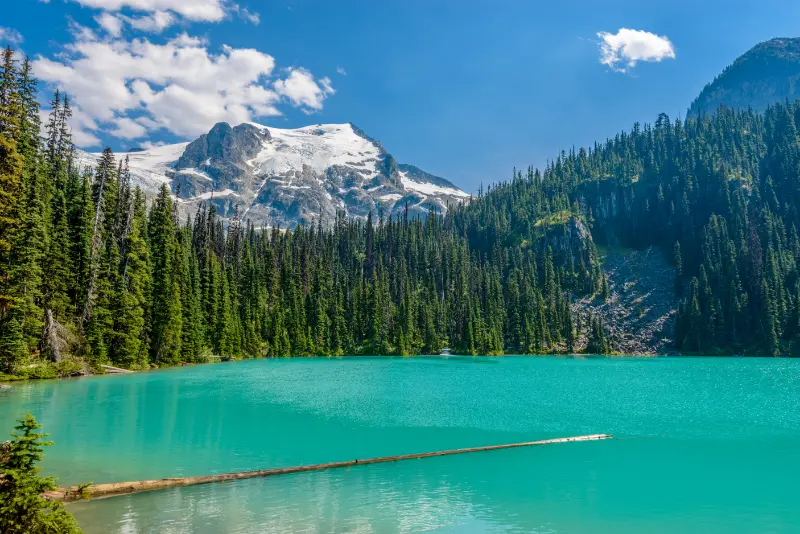
Summer gives the widest access but also the strongest demand. Late spring and autumn can be beautiful yet snow and trail conditions remain possible. Winter is a different trip entirely and requires appropriate driving confidence, tires and activity planning. Wildfire smoke can affect summer air quality even when roads remain open. Build the itinerary so one poor-weather day can be swapped with a lower-altitude or town-based activity.
Instead of searching for one universal “best month,” choose which compromise matters most: comfortable temperatures, swimming, long daylight, lower prices, fewer visitors or full seasonal transport. Every destination trades one advantage for another. Build at least one indoor, low-effort or easily movable half-day into the plan so weather does not force you into a bad decision.
Budget: where spending improves the trip
Accommodation, rental cars and fuel dominate the budget. Staying in Canmore can sometimes reduce room cost, but calculate the extra driving if most activities are around Lake Louise. Park fees and shuttles are not large compared with lodging, yet missing a required reservation can cost a day. For road trips, our budgeting framework is especially useful because the cheapest nightly rate can increase fuel and driving time.
The most valuable upgrades are often logistical rather than luxurious: a central hotel, a direct transfer after a long flight, a reserved seat on a scarce connection or a guide who turns a wildlife or archaeological visit into something you understand. Cut low-value extras before cutting the pieces that keep the route reliable.
Common mistakes to avoid
- Planning the Icefields Parkway as a two- or three-hour transfer.
- Ignoring current Jasper closure and recovery information.
- Stopping unsafely for wildlife or approaching animals for photographs.
- Building every day around a famous lake without checking shuttle and parking rules.
- Booking a same-day long mountain drive before an international flight.
Most itinerary problems do not come from one disastrous decision. They come from stacking small optimistic assumptions: a transfer that “should” be quick, a hotel that is “only” a kilometre away, a hike described as easy, and a dinner reservation on the opposite side of town. Leave margins in the plan before you need them.
Families, older travellers and mixed-age groups
Children often remember lakes, wildlife and short exploration stops more than a sequence of long hikes. Alternate vehicle time with simple walks and avoid making every day an endurance test. Older travellers can enjoy the Rockies through viewpoints, gondolas, boat experiences and short lakeshore paths, but accessibility varies. Check elevation, surface, toilets and walking distance from parking before assuming a “short stop” is easy.
For mixed-age groups, decide which experiences everyone will share and which are optional. Splitting for two hours can be healthier than forcing the entire group through one person’s priority. Build toilets, shade, seating, lifts, step-free transport and realistic meal times into the plan with the same seriousness as famous attractions. Our guide to travelling with parents and older adults covers this style of planning in more detail.
If you have more or less time
With ten days, add more Jasper time, Yoho National Park or an extra Banff day rather than extending the driving radius dramatically. With five days, focus on Banff, Lake Louise and part of the Parkway instead of forcing a Jasper return. A shorter route with time outside the car usually delivers more mountain experience.
When shortening the trip, remove an entire base before cutting every destination to one night. When lengthening it, add depth before adding distance. An extra morning in a place you already understand often creates a better memory than another three-hour transfer to a new pin on the map.
Useful official resources
Timetables, closures, ticket systems and access rules can change. Recheck the details that affect your exact travel dates shortly before departure and again before any critical transfer.
Final planning checklist
- Confirm passport, visa and transit requirements for your own nationality and route.
- Book the genuinely scarce ticket or transport segment before non-refundable secondary activities.
- Check the exact luggage journey from one accommodation to the next, not only the main train, road or ferry time.
- Save offline copies of reservations, insurance details and the address of each accommodation.
- Recheck weather, transport notices and official access information shortly before each important day.
- Keep one flexible half-day that can absorb rain, fatigue or a delayed transfer.
- Choose footwear and clothing for the real surfaces and climate, not only for photographs.
- Leave a generous buffer before international flights and other connections you cannot easily replace.
The goal is not to return home with proof that you visited everything. It is to come back with a clear memory of how the places felt, enough energy to enjoy them and confidence that the route helped rather than controlled you. Use this plan as a strong starting point, then remove anything that does not fit your interests, mobility or travel rhythm.