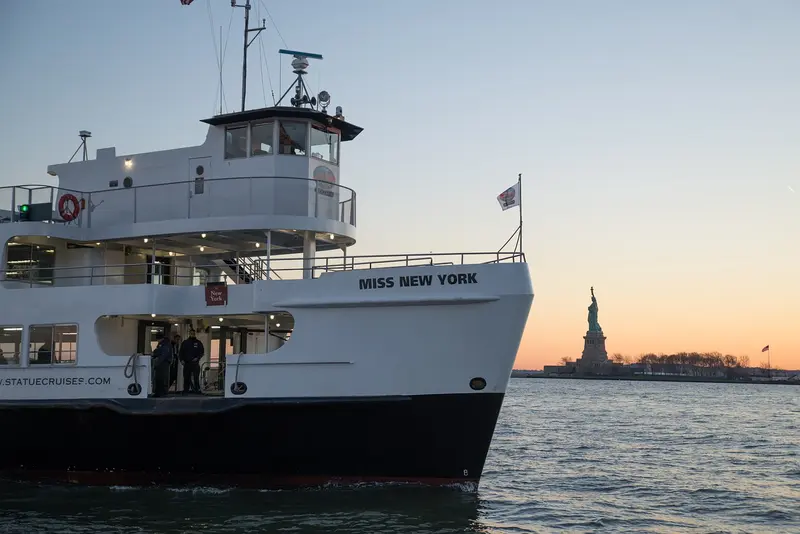
Traveling without a car can make a destination feel more connected, not less. You arrive in the center of towns, notice everyday neighborhoods and leave the driving to someone else. It can also become frustrating if a beautiful village has only two buses a day or a ferry connection does not line up with your flight. The difference lies in designing the route for the transport that actually exists, not removing a rental car from an itinerary built for driving.
At a glance
Plan a rewarding car-free trip with rail, coaches, ferries, local transport, sensible luggage and itineraries that work beyond big cities.
- Rail: Train frequency and station-to-hotel access
- Regional bus: Operating days and last return service
- Ferry: Weather, terminal, boarding and buffer day
This guide offers a framework for car-free holidays in Europe and beyond. It covers choosing bases, finding reliable connections, managing luggage, planning rural excursions and knowing when a taxi, guided transfer or different destination is the sensible solution. If you are comparing longer multi-stop trips, see our route-planning guide and our complete travel budget approach.
Choose destinations that reward arriving without a car
Start with places where the attractions you value are reachable by walking, frequent transport or a small number of straightforward excursions. Large cities with transit networks are obvious candidates, but regional towns on railway lines, walkable islands with reliable buses and lake districts with boats can be equally rewarding.
The key is not whether a destination has a train station; it is the distance from the station to the accommodation and what happens after you arrive. A town with a busy railway hub but attractions spread across remote valleys may still require complicated transfers. A village served by a single ferry can work if you are happy to stay in one base and enjoy a slower pace.
Ask three questions: Can I arrive conveniently? Can I enjoy several days without hiring a vehicle? Can I leave without depending on a single fragile connection? A destination that passes all three is a promising candidate for a first car-free trip.
Build the route around transport frequency
Look at the actual timetable, not just map distance. A 40-kilometer bus journey might take an hour with frequent service or almost a day when connections are limited. Compare weekday, weekend, holiday and seasonal schedules; a summer ferry or mountain bus may not operate in autumn. Timetable aggregators are useful for discovery, but confirm critical journeys through the operating company.
For every travel day, identify the departure, arrival, station or pier location, transfer time, luggage constraints and last available service. When a route includes separate tickets, understand who is responsible if one leg is late. In Europe, rail passenger rights exist, but the protection available depends on the tickets, operators and circumstances. The European Commission’s rail passenger-rights information is a helpful starting point for applicable routes.
Add a realistic buffer for finding a platform, walking to the ferry terminal or navigating with luggage. A departure listed as ten minutes after train arrival may be technically possible for some travelers but fragile for a group or someone using a mobility aid.
Choose accommodation near useful transport, not only famous sights
For accommodation trade-offs, our accommodation guide is a useful companion. A hotel a few minutes from a central station can be more valuable than a scenic property at the end of an infrequent bus route. But central stations can be noisy, so compare quieter side streets and how they connect to local transport. Where the bus network matters most, consider a base near the main bus interchange rather than the railway terminus.

Map the route from the stop to the actual door. Look for steep streets, long staircases, dark underpasses and whether the final portion is realistic with your luggage. An apartment above a pedestrian-only hill may be charming after a day out but tiring at arrival. If you expect evening meals, make sure you can return safely once local buses become less frequent.
For families, older travelers and people with mobility needs, the same geography matters even more. Check step-free access at stations and lodging separately; “near transit” does not necessarily mean accessible. A comfortable base reduces the need for emergency taxis and saves valuable holiday hours.
Pack for movement rather than maximum storage
Car-free travel rewards luggage you can manage independently through a station, a flight of stairs or a crowded bus. A compact suitcase or backpack can work; choose based on the terrain and your ability to lift it. Check baggage policies for coaches and ferries, including whether large bags go into a hold and whether you must handle them yourself.
Reduce repeated unpacking by using simple clothing systems and staying longer in each base. A small day bag should contain valuables, medicine, rain protection, water, snacks and essential documents. Keep transport tickets available offline when possible and protect your phone battery with a compatible power bank.
Do not assume all trains have easy large-luggage storage. Some regional services are busy and have narrow entrances. Booking reserved seats or luggage spaces may be useful on certain operators, but rules vary. Pack so one person can move their bag safely without blocking doors or aisles.
Make one rail corridor the backbone of the trip
An effective route follows a logical corridor rather than zigzagging between famous places. For example, a trip through connected European towns can work with two or three overnight bases and short train day trips. In Japan, a few cities on a reliable railway network may be easier than adding remote countryside stays. In parts of North America or Australia, train and bus coverage varies widely; a car-free itinerary may work best around selected cities or regional corridors.
Search from the overnight bases outward. Identify two or three realistic day trips before adding more accommodation changes. If a destination requires a three-hour journey in each direction, ask whether it deserves an overnight stay or should be removed. Staying longer often saves money because you spend fewer days paying for transfers and moving bags.
Rail passes can be convenient but are not automatically cheaper than point-to-point tickets. Compare reservation fees, train eligibility, route flexibility and the actual journeys you plan to take. A pass is a tool, not a reason to add more miles.
Use buses and coaches with good backup logic
Regional buses can open landscapes and towns that trains miss, but they require careful reading. Some routes operate only on school days, demand reservations or have different stops in each direction. A stop marked with a town name may be several kilometers from the historic center. Check the operator’s current timetable and, when useful, ask your accommodation about local practices.
Arrive early at unfamiliar bus terminals, especially where platforms change. Save the route number, destination sign and approximate stop names. In rural areas, confirm the final return service before leaving. If a journey is dependent on the last bus, know whether a taxi company can provide a realistic fallback—and what that would cost.
Coaches may offer excellent intercity value, but compare total journey time, seat comfort, baggage limits and the arrival location. A cheap overnight coach can save a hotel night while leaving you too tired to enjoy the next day; count the cost of fatigue as well as the fare.
Treat ferries as transport with weather, not guaranteed sightseeing
Ferry schedules are influenced by weather, season, tides, maintenance and operational changes. Reserve ahead where required, especially for islands with limited services, and avoid relying on the final possible ferry before a flight home. Check whether the ticket is flexible and how cancellations are handled.
Research the real departure terminal, not merely the island or port name. A city may have multiple ferry piers far apart. Find out how early boarding begins, whether luggage must be checked and what transport is available at the destination port. A ferry arriving after local buses stop can create an expensive last-mile problem.
The safest island itinerary usually includes a buffer before important onward travel. That might mean returning to the mainland a day early or choosing a flexible connection. The best route is one that remains enjoyable even when the sea does not cooperate.
Check access, language and local payment details
Transport accessibility varies by operator and equipment. If step-free boarding, wheelchair spaces, assistance or accessible toilets are essential, verify them for the particular service and station. For some European journeys, Your Europe’s assistance information explains general rights and advance arrangements. Elsewhere, use local operator guidance.
Understand how tickets are purchased. Some systems require a transit card; others use contactless payment, cash, a mobile app or advance online purchase. Check whether you must validate a paper ticket. Keep small cash reserves where useful, but do not assume cash is accepted everywhere. In places with limited mobile reception, downloadable timetables and offline maps are especially valuable.
With children, plan bathroom and snack breaks rather than relying on facilities at small stations. With multiple generations, favor fewer changes and longer connection times over marginal fare savings.
A sample seven-day car-free holiday structure
Day one: arrive in a main transport hub and settle into a central base. Day two: explore the city on foot and use local transit only when needed. Day three: make a short day trip along a frequent rail or bus route, returning well before the final service.
Day four: transfer to a second base with one manageable connection. Day five: take a scenic ferry, mountain train or regional bus excursion if the weather and operating timetable permit. Day six: enjoy a slower local day without a long transport leg. Day seven: return to the airport or homeward station with a generous buffer.
This framework works better than a seven-day list of seven cities. You gain time to notice local life and the flexibility to change plans without abandoning a sequence of prepaid transfers.
Frequently asked questions
Is traveling without a car always cheaper?
Not necessarily. Trains can be expensive at busy times, and remote transfers can add up. Compare the full cost of tickets, luggage, taxis and accommodation location against a rental car, parking and fuel.
How do I visit rural places with limited public transport?
Stay near the main transport link, check seasonal buses and consider a guided day excursion or a prebooked local transfer. If access is too fragile, choose a different destination rather than spending the whole trip chasing connections.
Should I buy a rail pass?
Only after mapping your intended journeys. Compare pass conditions, reservations and the cost of separate tickets. The best-value option depends on country, time of booking and travel frequency.
What is the biggest planning mistake on a car-free trip?
Assuming that short distances mean short or frequent journeys. Timetables, last services and the final walk to the accommodation matter more than kilometers on a map.
Traveling without a car encourages a different kind of curiosity: the station cafe, a neighborhood you pass on foot, a boat ride that becomes part of the holiday. Plan the essential connections well, and allow the ordinary journey to be part of the pleasure.