Chicago is often planned as a downtown architecture trip with a deep-dish dinner attached. That misses the neighbourhoods, lakefront and cultural range that make the city worth more than a weekend.
This five-day itinerary keeps one hotel and groups attractions by geography. It uses public transport, walking and only occasional rideshare rather than a rental car.
The practical principle is simple: downtown is the anchor, not the entire trip. At least two half-days should move into neighbourhoods such as Wicker Park/Bucktown, Lincoln Park, Pilsen, Hyde Park or another area that matches your interests.
Quick trip summary
- One hotel for all 5 days.
- Stay near an ‘L’ station and useful bus routes.
- Use one major museum per day maximum.
- Take an architecture cruise or walking tour early in the trip.
- Give at least one full day to neighborhoods and lakefront.
Why this route works
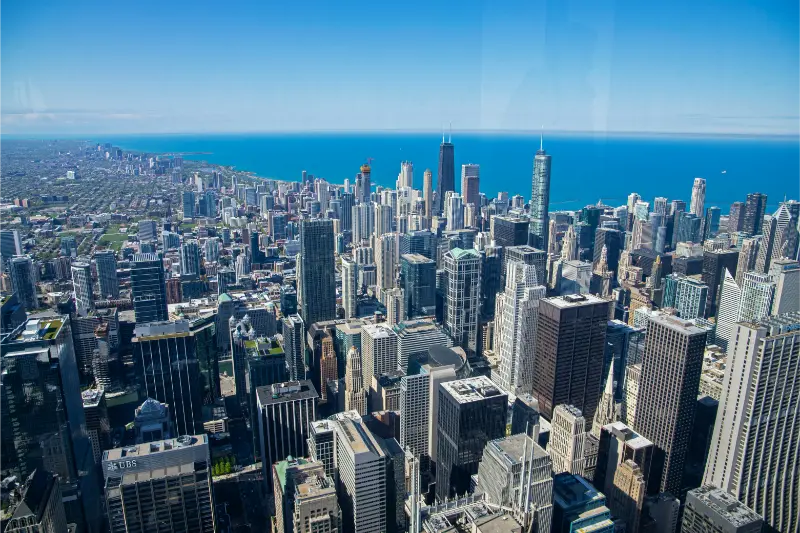
Chicago’s downtown architecture is exceptional, but it makes more sense once you understand the lake, river and transit grid.
Major museums can absorb most of a day, so stacking the Art Institute, Field Museum and Museum of Science and Industry together creates cultural fatigue.
Neighbourhoods provide the food, parks and everyday atmosphere that prevent the city from feeling like a convention district.
A realistic itinerary at a glance
| Days | Base | Main focus |
|---|---|---|
| 1 | Loop / River | Architecture and orientation |
| 2 | Museum Campus / lakefront | One major museum and waterfront |
| 3 | North Side | Lincoln Park and neighborhoods |
| 4 | Hyde Park / South Side | Culture, architecture and food |
| 5 | Flexible Chicago | Second museum, neighborhoods or departure |
Day-by-day plan
Day 1: Architecture and river
Start with the Chicago River, Loop, Millennium Park and one architecture tour. Seeing the skyline from the water early helps the street grid make sense.
Day 2: Museum and lakefront
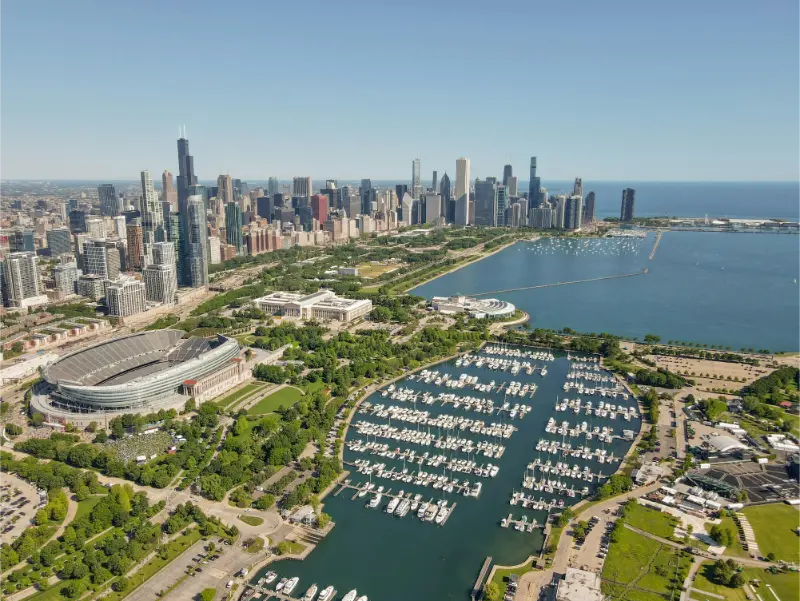
Choose the Art Institute or Museum Campus institutions according to interests, then use the lakefront rather than forcing another major museum.
Day 3: North Side neighborhoods
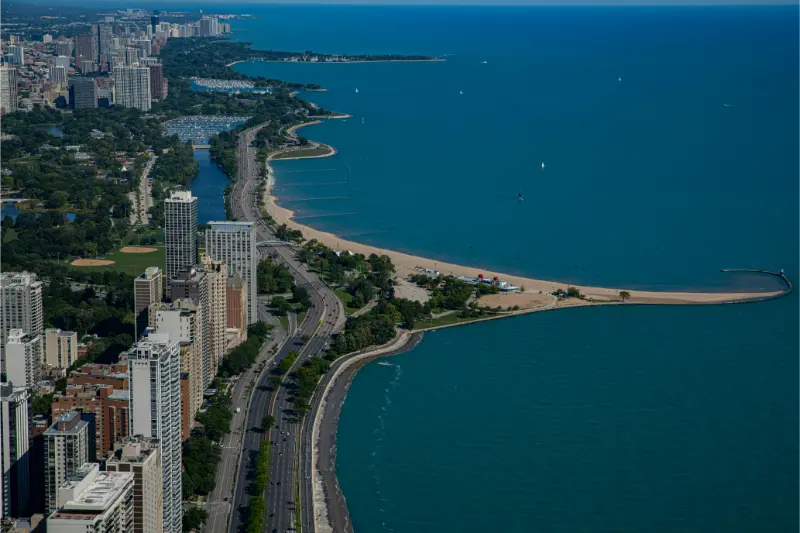
Use Lincoln Park, lakefront, Wrigleyville or Wicker Park/Bucktown in a coherent route. Choose one evening neighbourhood rather than crossing the city repeatedly.
Day 4: Hyde Park and South Side culture
Use the Museum of Science and Industry or University of Chicago/Hyde Park architecture and food, then return downtown without adding a far-north detour.
Day 5: Flexible finale
Use the museum, neighbourhood or shopping block you skipped. Keep the final hours close to the airport transit route if flying.
Where to stay and how many hotel changes to make
Loop/River North is easiest for first-time sightseeing, while West Loop or neighbourhood hotels can offer stronger dining atmosphere.
The key factor is fast access to the ‘L’ and buses, not being next door to every attraction.
Where you sleep should reduce friction rather than create another transfer. A well-connected room often adds more value than a cheaper property that forces repeated taxis, parking or long luggage walks.
Read recent guest reviews for practical details that promotional photos rarely show: stairs, lift size, road noise, parking, breakfast hours and the final walk from a station, ferry or car park.
Transport: what is worth planning in advance
A rental car is unnecessary for this itinerary and creates parking costs.
CTA trains/buses plus walking cover nearly everything; use rideshare selectively late at night or when carrying luggage.
Measure every move door to door rather than by the headline timetable. Checkout, waiting, luggage and the final transfer can turn a short journey into half a day.
Use inflexible tickets only when the saving is meaningful and the day is genuinely fixed. Weather-sensitive coast, mountain and marine plans benefit from flexibility.
Food and daily rhythm
Deep-dish pizza is one meal, not Chicago’s food identity. Mexican food in Pilsen, South Side traditions, modern West Loop dining and neighborhood bakeries all deserve consideration.
Keep one dinner spontaneous so the trip can follow whichever neighborhood you enjoy most.
Use meals to control the rhythm of the day. A long regional lunch can be an experience and a recovery period after hiking, museums, heat or an early start.
Do not make every meal another attraction. Mix destination restaurants with markets, bakeries, cafés and simple local places so food improves the trip instead of controlling it.
Families, children and older travellers
Parks, lakefront, boats and interactive museums make Chicago excellent for families.
Older travellers should use buses or taxis strategically because museum campuses and waterfront walks can become longer than expected.
For multigenerational travel, the useful pace is the one at which the least mobile member still enjoys the day. That normally produces a better shared trip for everyone.
When accessibility matters, ask specific questions about steps, trail surfaces, boat boarding, lifts and vehicle access rather than relying on a generic accessibility label.
Budget: where the money really goes
Museums and architecture tours are the largest sightseeing costs, while public transit keeps transport manageable.
Choose two or three paid highlights rather than buying a long attraction list simply because a pass exists.
Compare total trip cost rather than headline prices. Parking, transfers, luggage and tours can erase an apparent saving.
The most useful splurges usually remove friction: a central room, a direct transfer, a quality guide or one extra night that prevents an exhausting move.
Best time to go
Late spring and early autumn are excellent for walking; summer gives lakefront energy and major events.
Winter can be severe but museums, architecture and food still make a strong city break if you plan indoor-heavy days.
Shoulder season often balances weather, demand and prices well, but ferries, rural attractions and mountain services may run less frequently.
Heat, rain, wind and daylight should change the order of the day. Keep lower-effort alternatives for conditions that do not suit the original plan.
Comfort, accessibility and realistic pacing
Only one major cultural institution is assigned to each day.
Neighbourhood days reduce the sense of standing in ticket lines from morning to evening.
Travel fatigue compounds. One difficult transfer can reduce the quality of the following two days, which is why this itinerary avoids one-night bases unless geography genuinely requires them.
A free half-day is not wasted time. It is insurance for weather, transport disruption, a tired child or a place you discover only after arriving.
Small decisions that improve the trip
Skip the rental car
Transit is part of the solution.
Take architecture early
It improves the rest of the city experience.
Choose museums selectively
Chicago has too many to do well in five days.
Leave downtown twice
Neighbourhood life is essential.
What I would leave out on this length of trip
Leave Milwaukee and Lake Michigan road trips for another journey.
Skip trying to visit every major museum in five days.
Mistakes that make this trip harder than it needs to be
- Staying far from transit to save a small amount.
- Planning three museums in one day.
- Using taxis for every short trip.
- Eating only downtown chain food.
- Ignoring lakefront weather.
- Crossing the city for a dinner immediately before a flight.
How I would adapt the itinerary
With three days, focus on architecture, one museum and one neighbourhood day.
With seven days, add more South/West Side culture or a day trip without changing hotels.
Before booking
- Choose a transit-friendly hotel.
- Reserve high-demand architecture tours.
- Pick museums before buying passes.
- Pack for lake wind.
- Use airport rail/transit where practical.
Practical questions
Do I need a car?
No.
Which museum should I choose?
Art Institute for art, Field for natural history, Museum of Science and Industry for large interactive exhibits.
Is five days too long?
No. It is enough to get beyond downtown without rushing.
Final thoughts
Chicago is at its best when architecture, lakefront and neighbourhoods are treated as equal parts of the trip.
Five days with one hotel and public transport gives the city room to feel large without becoming exhausting.
How to keep the itinerary resilient
Keep Day 5 flexible for bad weather or the museum you enjoyed enough to extend.
Use indoor neighbourhood food and museum blocks when lake weather turns unpleasant.
Who this route suits best
This itinerary works best for travellers who value depth over collecting places. It keeps hotel changes low, protects flexible time and assumes that a good meal, an unexpectedly interesting neighbourhood or a slower morning can be as valuable as another attraction. That approach is particularly useful for first-time visitors, couples, families and multigenerational groups.
More energetic travellers can add a longer hike, an extra museum or a second excursion on flexible days. Travellers who prefer an easier pace can remove those extras and still keep the core journey intact. Before booking, identify the two or three experiences that would genuinely disappoint you to miss; those are the ones to reserve first.
What to book early and what can wait
Book the elements with genuinely limited capacity first: high-demand accommodation, park or protected-area access, popular trains, ferries or flights, and any guided experience central to the trip. Leave ordinary meals, minor attractions and weather-dependent activities more flexible whenever possible.
One week before departure, check official transport or park information again. The evening before each important move, confirm departure points, opening status and the hotel address. That small routine catches many avoidable travel problems before they become expensive or tiring.