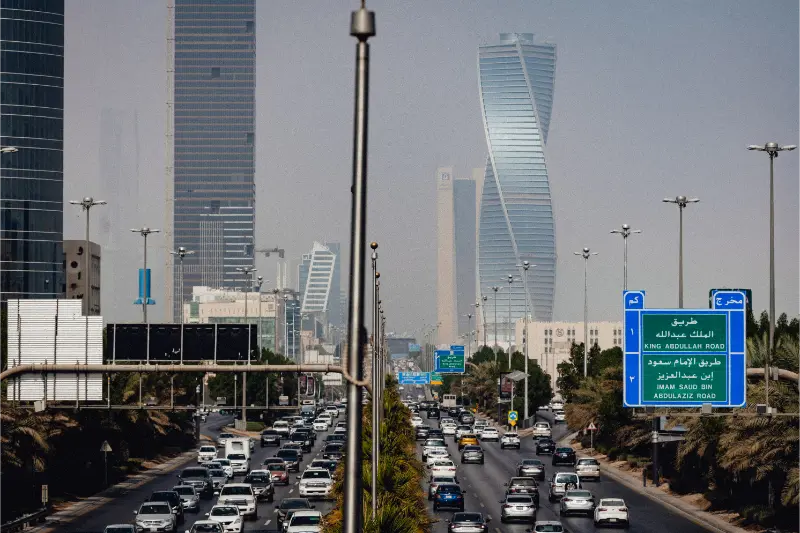
Dubai is often planned as a list of giant attractions, but distances and heat make that approach exhausting. The historic creek, Downtown Dubai, the Marina, Jumeirah and desert excursions sit in different parts of the city, and moving between them can take much longer than the skyline suggests. A better first trip gives each area a clear purpose and uses the hottest part of the day intelligently.
This four-day itinerary combines the modern city with older neighbourhoods and outdoor experiences. It is suitable for couples, families and older travellers because the day structure can be shifted toward early mornings and evenings when conditions are more comfortable.
Quick trip summary
- Four days is enough for a strong first visit; add a fifth if you want more beach or resort time.
- Choose a hotel area that matches your priorities because Dubai is spread out.
- Use Metro where it is convenient, but expect taxis or ride services for some door-to-door journeys.
- In hot months, make indoor attractions part of the midday plan rather than fighting the climate.
- Book one desert experience carefully and check exactly what transport, meal and activity level are included.
How many days do you really need?
For Dubai in 4 Days, the itinerary below is a starting structure rather than a contract. The number of useful days depends on arrival time, jet lag, season, mobility and how strongly you prefer museums, food, nightlife or outdoor time. If your first or last day is mostly a flight day, do not count it as a full sightseeing day. This guide to building realistic itineraries explains why transfer and arrival days need their own category.
A reliable rule is to identify the two experiences you would genuinely regret missing, then protect time around them. Everything else should remain adjustable. That prevents a delayed train, rainstorm or tired child from turning the whole trip into a sequence of missed reservations.
Where to stay: choose logistics before decoration
The best neighbourhood is the one that supports the trip you actually plan to take. Look at the first journey of the morning, the final journey at night, airport access, restaurant options, hills or stairs and how easy it will be to return for a midday break. A beautiful hotel becomes less attractive if reaching it requires an awkward transfer every day.
| Area | Why it works — and the trade-off |
|---|---|
| Downtown Dubai | Best for Burj Khalifa, Dubai Mall and central landmark access. It is polished and convenient for a short first trip but not close to every beach area. |
| Dubai Marina / JBR | Excellent for beach access, evening walks and restaurants. It feels resort-like and is far from old Dubai. |
| Deira / Bur Dubai | Useful for the creek, souks and a different side of the city, often with better-value accommodation. Reaching Marina attractions takes longer. |
| Jumeirah | Good for beach-focused travellers who value a calmer setting, though transport convenience varies by exact property. |
A realistic day-by-day plan
Day 1: Downtown Dubai at a sensible pace
Use the first day for Downtown: Burj Khalifa, Dubai Mall and the surrounding promenade. The mall is enormous, so decide whether shopping is genuinely part of the plan or simply a route to other attractions.
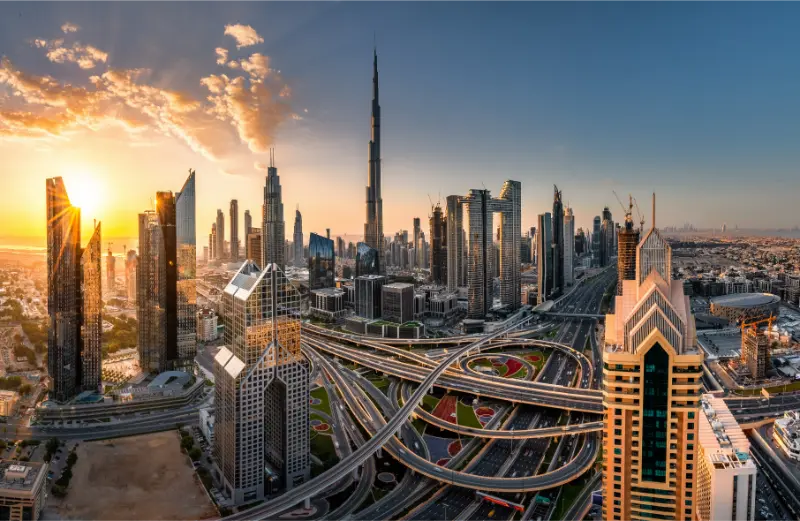
Schedule the viewpoint according to your preferred light, but leave enough buffer for entry procedures and walking through the complex.
If jet lag is significant, stop after dinner. Dubai’s scale encourages overplanning on arrival day.
Pace check: if the morning takes longer than expected, remove the lowest-priority stop rather than compressing meals and transport. A good itinerary should become simpler under pressure, not more frantic.
Day 2: Creek, Al Fahidi and old Dubai
Spend the cooler morning around Al Fahidi Historical Neighbourhood and Dubai Creek. An abra crossing and the souk areas provide a very different experience from Downtown.
Use the afternoon for a museum, hotel break or another indoor visit. This protects energy in warmer seasons.
Return to the creek or choose a relaxed evening elsewhere rather than travelling to the Marina just to “tick it off”.
Day 3: Marina, beach and Jumeirah
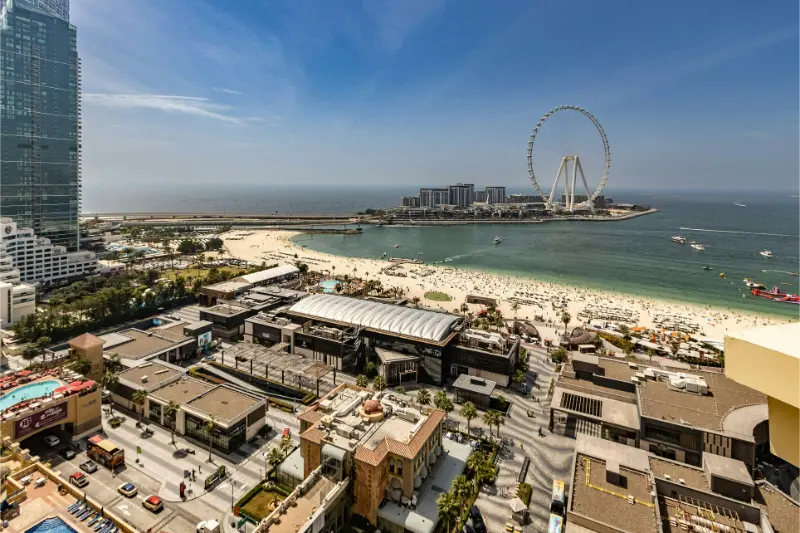
Base the day around the coast. Dubai Marina, JBR and nearby beach areas can be combined without repeatedly crossing the city.
Families may prefer beach time and an early dinner; others can add a boat trip or viewpoint.
Remember that walking distances along waterfront developments can be longer than they appear, especially in heat.
Day 4: desert experience or flexible city day
A desert excursion can become the main event of the day because pickup, driving and the activity itself occupy many hours. Choose the operator and activity intensity carefully.
If a desert excursion does not appeal, use the day for a waterpark, museum, beach club, Abu Dhabi day trip or a slower repeat of a favourite district.
Do not schedule a late return immediately before an early flight; road delays and long transfers can create unnecessary stress.
Getting around without wasting the day
Dubai Metro is clean and useful along major corridors, including connections from the airport and through busy urban areas. Visit Dubai and the Roads and Transport Authority provide current information about the Nol system, Metro, tram, buses, ferries and taxis. The practical limit is geography: some attractions still require a walk, taxi or feeder connection from the nearest station. In summer, a walk that looks short on the map can feel very different outdoors, so door-to-door planning matters.
When comparing routes, use door-to-door time rather than the minutes shown for the train, Metro or taxi itself. Walking to the platform, waiting, transfers, finding the correct exit and reaching the attraction can easily double a “short” journey. Travellers with luggage, a stroller or limited mobility should prioritize fewer transfers even when the route is slightly longer on paper.
Food strategy: protect the trip, not just the restaurant list
Dubai’s dining ranges from inexpensive regional food to luxury restaurants. To keep the trip interesting, mix neighbourhoods rather than eating only inside malls and hotels. Deira and Bur Dubai can offer very different flavours from Marina or Downtown. Families often appreciate food courts for flexibility, while one deliberately chosen restaurant with a view can replace several expensive “special” meals.
A useful rhythm is one planned meal and one flexible meal per day. This gives you a reason to explore but still lets the itinerary respond to hunger, weather and energy. Keep a backup option near the hotel for the evening when everyone is too tired to cross the city for a reservation that seemed exciting months earlier.
When to go and how the season changes the itinerary
The cooler part of the year is most comfortable for beaches, desert activities and outdoor walking. In the hotter months, Dubai still functions as a destination, but the itinerary must shift toward air-conditioned attractions, early starts and evening outdoor time. Humidity can also affect comfort. Never judge the feasibility of an outdoor walk only by distance; temperature, shade and access to water matter.
Instead of asking only for the “best month,” decide which compromise you prefer: better weather, smaller crowds, longer daylight, lower prices or a particular event. No season maximizes all five. The itinerary should change with daylight and temperature, especially when major parts of the day are outdoors.
Budget: where spending makes the biggest difference
Dubai can be moderate or extremely expensive depending on accommodation, taxis, beach clubs and premium attractions. Public transport and casual restaurants help, but frequent cross-city taxi rides accumulate quickly. Choose a hotel near the area you will use most and compare the total cost rather than the room price alone. Our accommodation guide can help decide whether a city hotel, apartment or resort fits your trip.
The smartest upgrades are usually the ones that buy time or remove friction: a better-located hotel, a direct airport transfer after an overnight flight, a timed ticket that prevents a wasted queue or a taxi at the end of an exhausting day. Cut costs on low-value extras before cutting the parts that make the route workable.
Common mistakes that make the trip harder
- Assuming all famous Dubai attractions are close because the skyline looks compact.
- Walking long exposed routes in severe heat to save a small taxi fare.
- Booking a desert excursion without checking pickup time, driving duration and exactly which activities are included.
- Trying to combine old Dubai, Downtown and Marina in a single overloaded day.
- Choosing a resort far from the city when your real priority is sightseeing every day.
None of these mistakes is catastrophic, but several together can make a trip feel much more tiring than necessary. The solution is usually to remove one commitment, shorten one transfer or move one attraction to a future visit.
Families, older travellers and mixed-age groups
Dubai is family-friendly in the sense that transport, malls and many attractions are designed for comfort, but distances and heat remain real constraints. Build indoor recovery into every day with young children. Older travellers can benefit from taxis for final-mile journeys even when Metro covers most of the route. If several generations are travelling together, consider splitting a high-intensity desert or waterpark activity while others enjoy a hotel or cultural day.
For mixed-age groups, decide in advance which experiences are “everyone together” moments and which are optional. It is often better to split for two hours and meet for lunch than to force every traveller through an activity that only part of the group enjoys. Build seating, toilets, shade and simple transport into the plan with the same seriousness as the famous sights.
Useful official resources
Opening hours, transport rules, closures and visitor procedures can change. Before the trip, confirm the details that affect your dates through official sources rather than relying only on an old screenshot or social-media post.
Final planning checklist
- Confirm entry requirements and travel documents for your nationality and transit route.
- Book only the scarce or high-priority attractions first; keep lower-priority activities flexible.
- Check the exact door-to-door route from your accommodation to the first two morning activities.
- Save offline copies of essential bookings and the hotel address.
- Build a weather alternative for at least one half-day.
- Leave a realistic buffer before flights, long-distance trains and non-refundable reservations.
- Pack for the walking and climate the itinerary actually involves, not only for photographs.
- Recheck official transport and attraction information shortly before travel.
The best first visit is not the one that proves you saw everything. It is the one that gives you a clear sense of place, enough energy to notice what is around you and at least one reason to come back. Use this itinerary as a framework, then remove anything that does not match your own interests, mobility or travel rhythm.