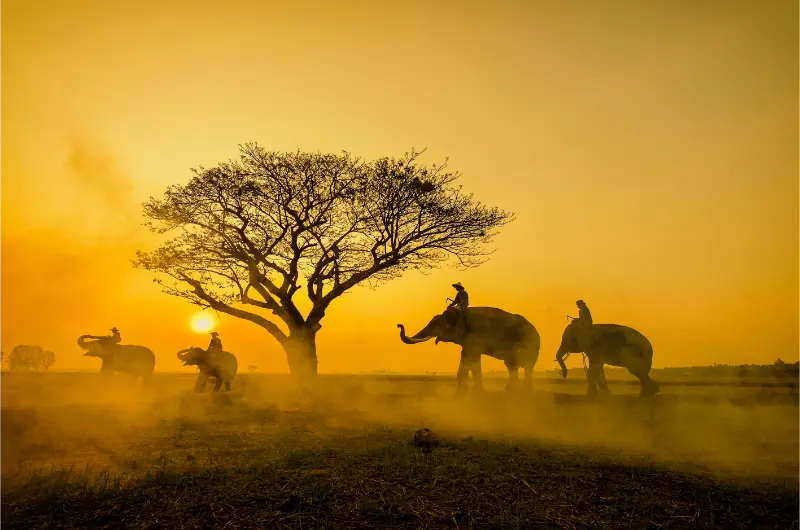
Watching an animal in its natural habitat can be one of the most memorable travel experiences. It can also become harmful when visitors crowd wildlife, purchase close-contact encounters or reward operators that keep animals in poor conditions. The difficult part is that marketing words such as ‘sanctuary’, ‘rescue’ and ‘eco-tour’ do not guarantee good welfare. Responsible wildlife travel begins before booking, with careful questions about animal behavior, the guide’s methods and how tourism benefits conservation and local communities.
Start by deciding what kind of encounter you want
A walk through a protected wetland with a knowledgeable guide is very different from touching a captive wild animal for photographs. Responsible choices usually emphasize observation at a distance, natural behaviors and a quiet visitor role. That might mean birdwatching from a hide, whale watching with regulated approach distances, visiting a national park or taking a guided night walk where local rules permit. The best experience does not always include the closest photograph.
Think about your mobility, budget and the ages in your group. A small child may enjoy a short dawn wildlife walk more than six hours in a vehicle. A traveler with limited mobility may need a step-free viewing platform or adapted safari vehicle. Ask operators for honest descriptions of terrain, toilet access and activity length. An ethical excursion should also be safe and feasible for the humans who attend.
Why labels such as ‘sanctuary’ are not enough
Some venues use conservation language while encouraging riding, bathing, feeding or selfies with wild animals. A credible organization should explain the animals’ origin, daily management, welfare standards and whether they can avoid interacting with people. In facilities caring for rescued animals that cannot be released, good welfare may mean space, appropriate veterinary care, species-specific social conditions and distance from visitors—not performances on demand.
The World Animal Protection elephant-friendly guide warns that close-contact activities can disguise poor welfare and advises travelers to prioritize observation rather than touching. The principle extends beyond elephants: a captive dolphin show or posed photograph with a sedated-looking predator deserves scrutiny, regardless of a polished website. Ask where the booking revenue goes and whether an independent conservation authority oversees the facility.
Questions to ask before paying a tour operator
Begin with one specific question: ‘What will the animals be free to do if they do not approach us?’ A responsible answer should not promise contact or a guaranteed close-up. Ask for the guide-to-visitor ratio, minimum distances, whether feeding is prohibited and how operators respond when animals change direction. For boats, ask about engine speed and procedures to avoid surrounding or chasing marine mammals.
Read recent independent reviews carefully, looking for descriptions of overcrowding, repeated pursuit, noise or coercive handling. A few exceptional photographs may reflect pressure on wildlife rather than quality. Confirm that the operator holds required local permits and follows the rules of the protected area. Prefer companies that explain how visitors can minimize disturbance before setting out.
Keep your distance even when an animal approaches
Animals can move unpredictably, particularly around young, food, nesting sites and territories. Keep to officially published viewing distances and follow rangers’ instructions; the appropriate distance depends on the species and location. Never use food to lure an animal closer, imitate distress calls for photographs or step between a parent and its young. Do not touch wildlife, including animals that appear calm or accustomed to tourists.
If an animal approaches, follow the site-specific guidance rather than improvising. Some areas require visitors to remain still; others recommend moving away or returning to a vehicle. A generic internet rule cannot replace instruction from the responsible park authority. For families, explain ahead of time that wild animals are not pets and that seeing them briefly from far away is still a successful outing.
Choose viewing times for welfare, not just photos
Dawn and dusk can be productive wildlife-viewing periods in some ecosystems, but the right time depends on season, species and conservation restrictions. Night activities may be inappropriate in sensitive habitats, particularly when bright lights disturb animals. Verify whether seasonal closures protect nesting birds, breeding beaches or migration corridors. Accept that reputable operators sometimes cancel outings when conditions would make them unsafe or damaging.
Create an itinerary with optional nature time instead of building the whole holiday around a single guaranteed sighting. Weather, food availability and animal movements are beyond a guide’s control. Being prepared not to see a specific species is part of ethical wildlife tourism. A guide who explains habitat and tracks carefully can offer a worthwhile experience even when the hoped-for animal remains hidden.
Whale watching and other marine encounters
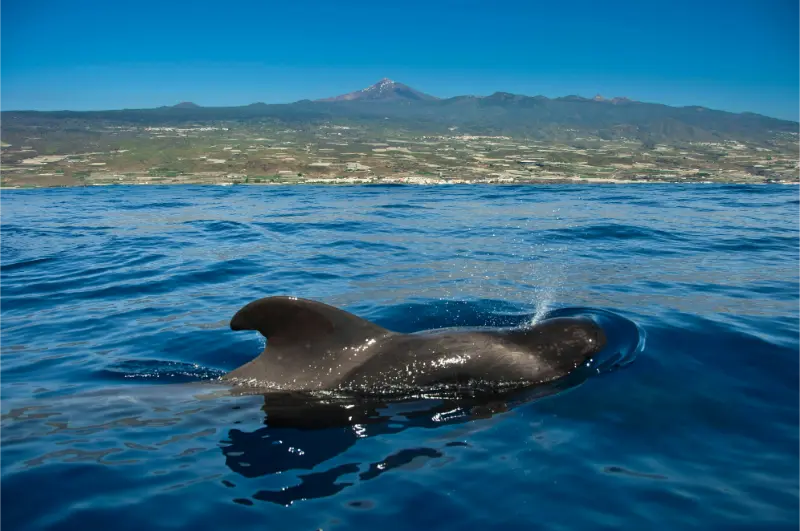
On a whale- or dolphin-watching boat, watch how the captain behaves before you focus on your camera. Chasing an animal, forcing repeated approaches or blocking its movement can create stress. Local regulations may set approach distances, speed limits, visitor caps and restrictions around calves. Review the relevant marine wildlife authority’s rules for your destination, as one global number would be misleading.
For snorkeling or diving, do not stand on coral, touch turtles or use wildlife as a prop. Secure loose equipment so it cannot drag across a reef. Choose operators who provide a safety and conservation briefing and who do not promise that you can swim directly alongside protected species where such interaction is restricted. Sea conditions also determine whether an activity is suitable for children or less confident swimmers.
Birdwatching without disturbing nests and habitats
Birdwatching is accessible at many budgets, from urban wetlands to guided mountain walks. A small pair of binoculars and a local field guide often create more enjoyment than the largest camera lens. Use marked trails and designated hides where available. Avoid playback of bird calls where it may disturb nesting or territorial birds, and never move branches or approach a nest merely to improve a photograph.
Many wetlands have boardwalks, accessible paths and short loops suited to mixed-age groups. Ask about mosquito activity, heat exposure and the availability of benches. Respect quiet zones and other photographers’ space; a noisy group can disturb birds and spoil the visit for everyone. The point is learning to recognize behavior and habitat, not collecting the longest checklist at the expense of the animals.
How to judge conservation claims
A tour company may advertise that it ‘supports conservation’ without explaining what this means. Look for measurable activities: payments to a park authority, habitat restoration, a research partnership with a named institution or wages for trained local guides. Claims should be specific and independently verifiable where possible. A photo with an animal is not evidence of a conservation outcome.
Be cautious about volunteer experiences that invite untrained tourists to handle wild animals, provide veterinary care or rear orphaned juveniles. Such activities may be inappropriate or harmful and can create demand for contact. Legitimate scientific or rehabilitation work requires expertise, protocols and supervision. Supporting conservation through entrance fees, donations to credible organizations and responsible observation is often more useful than trying to participate in animal care during a short vacation.
Make the experience accessible and family-friendly
A responsible excursion must respect both wildlife and people. Ask whether the vehicle has a high step, whether a boardwalk is suitable for a wheelchair and how long the group will remain without toilets. Older travelers may prefer a shorter sunrise excursion and an afternoon rest rather than several days of rough-road drives. Parents should clarify minimum ages, life-jacket sizes and safety barriers on boats or platforms.
Explain rules to children as a positive promise: ‘We watch from here so the animal can choose what to do.’ Give them a role such as recording bird colors or identifying footprints. Avoid using food to entice animals for entertainment. For sensory-sensitive visitors, ask about engine noise, crowd size and the length of quiet stops. Access and animal welfare do not have to compete when planning is thoughtful.
Photograph memories without changing behavior
A long lens, binoculars or cropping later can help you enjoy distant animals without moving closer. Silence camera sounds where allowed and minimize flash, especially around nocturnal animals. Do not use drones unless expressly permitted by local law and park policy; they can frighten wildlife and disturb other visitors. Respect guides who tell you a particular photo is not possible or that an area is temporarily closed.
Be careful how you caption and share wildlife images. A geotag can attract crowds to fragile nesting or breeding sites. If a photograph shows an animal being held or handled, it may inadvertently promote a harmful attraction even if your post criticizes it. Share the story of the habitat, the guide’s knowledge or the conservation project rather than only the ‘perfect’ close-up.
Budget and community impact
Ethical nature excursions can cost more because well-trained guides, small groups, licensed access and conservation fees have real costs. Price alone does not prove good practices, but an impossibly cheap tour that guarantees close animal interaction is worth questioning. Compare what is included: transport, park permits, safety equipment, insurance arrangements and fair guide pay. Avoid bargaining over protected-area fees or asking to skip required permits.
Support nearby communities by eating locally, staying longer when practical and using trained guides with authentic connections to the place. Yet do not assume that a business is responsible simply because it is locally owned; ask the same welfare questions. The best tourism models benefit residents while protecting the ecosystems that make the destination special.
Wildlife-tour checklist
| Green flags | Red flags |
|---|---|
| Natural observation at a distance | Guaranteed touching or riding |
| Published rules and required permits | No clear access permissions |
| Qualified guide who accepts no sightings | Claims that wildlife always performs |
| Conservation activity explained concretely | Vague ‘eco’ branding only |
| Safety and accessibility questions welcomed | Pressure to book immediately |
What to do when something feels wrong
If an operator behaves differently from the promised standard, ask calmly to stop participating in unsafe or harmful activities. Follow local emergency and park procedures rather than confronting staff in a way that creates risk. Keep factual notes, relevant photos taken lawfully and the business’s booking details. Report serious concerns to the appropriate local wildlife authority or trusted conservation organization. Reviews can be useful when they describe what happened without exaggeration.
The goal is not to shame every imperfect venue from afar, but to direct demand toward better practices. Choose fewer, better-researched experiences instead of filling every morning with animal attractions. Your memory of wildlife will be more powerful when you know that your presence did not require an animal to perform for you.
Frequently asked questions
Are all animal sanctuaries ethical?
No. The word ‘sanctuary’ is not sufficient proof of welfare. Research how the facility obtains, houses and manages animals, and whether visitors are encouraged to touch them.
Is feeding wild animals harmless?
Often it is not. Feeding can change behavior, create dependence and lead to dangerous encounters. Follow the site’s specific rules and avoid feeding unless it is part of authorized professional animal care.
What if we see no animals?
A responsible guide cannot control wildlife. Enjoy the habitat, plants, tracks and broader ecosystem, and treat a sighting as a bonus rather than a guaranteed product.
Further reading
For a slower style of exploration, see how to plan slow travel and cultural etiquette and photography. For current animal welfare guidance, consult World Animal Protection and the destination’s national park authority.