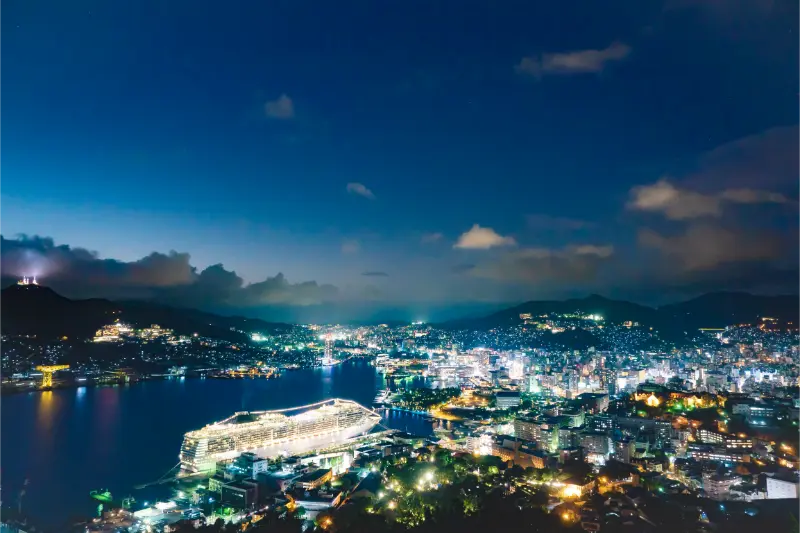
A winter holiday does not require skis, expensive equipment or a taste for steep slopes. Snowy mountain towns, frozen-lake viewpoints, thermal baths, museums and scenic railways can create a memorable trip for people who prefer gentler days. This type of holiday can work for children, older adults and mixed-ability groups, provided expectations match the destination. Winter brings special logistics: daylight is limited, road surfaces change quickly and a hotel that looks close to the village may sit at the top of a steep icy path. Plan the warmth, transport and rhythm first, then enjoy the scenery.
Choose a winter atmosphere rather than a winter sport
There are several kinds of snow holiday. An alpine village offers mountain views, heated cafés and cable cars where pedestrian access is allowed. A northern city may provide museums, winter light displays and short outdoor walks, with more reliable transit than a remote valley. A lakeside or forest destination offers quiet scenery but may have fewer indoor alternatives during a storm. Decide whether the trip is primarily about snow, seasonal events, northern lights, wellness or simply slow time away. No one destination guarantees deep snow, sunshine or an aurora at a particular moment.
Check the typical climate and daylight for the actual month. Early December can be very different from February. Weather averages help with planning, but they do not predict the conditions of your week. If children are hoping to build snowmen, have an alternative plan in case snow cover is limited.
Research access beyond the railway station
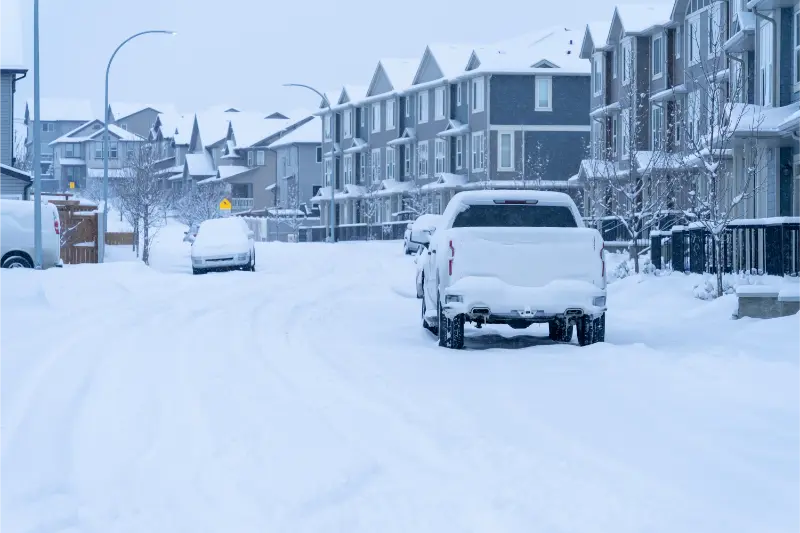
A hotel described as ‘five minutes from the center’ may require a steep descent across compacted snow. Look at pedestrian routes, public transport frequency, taxi availability and how luggage reaches the entrance. Ask whether pavements are cleared and whether the accommodation offers luggage assistance. For someone with balance difficulties or a stroller, the slope and surface matter more than a short distance on a map. Many mountain regions have excellent trains and buses, but some services reduce frequency outside peak holiday periods.
If driving, check whether winter tires, chains or other equipment are required by law for the dates and roads. Rental companies may charge for winter equipment, and your contract might exclude certain roads. Avoid late-night mountain arrivals when you do not know the route. A picturesque mountain pass can become impassable during a storm, so keep a sheltered and transport-connected alternative.
Plan around the short winter day
In high latitudes, daylight can last only a few hours or disappear for part of winter. Even in lower mountain resorts, the sun may leave the valley early. Put your main outdoor activity during the brightest and most stable period, then enjoy indoor attractions later. Check individual operating hours for cable cars, historic sites and museums; winter timetables can be limited, especially midweek. Do not schedule a complicated transfer immediately after a short scenic excursion just because both fit on a digital map.
A good rhythm might include one outdoor highlight before lunch, a substantial warm meal, and a relaxed afternoon activity. Families often need time to change wet clothing; older travelers may appreciate longer breaks. A winter trip feels richer when it includes warm pauses rather than treating them as failed sightseeing.
Find non-ski activities that are genuinely accessible
Pedestrian cable-car rides, winter scenic trains, accessible viewpoints, horse-drawn sleigh routes and easy village walks may be offered, but each operator has its own rules. Check whether non-skiers can buy lift tickets and whether there is a safe way to return without skiing. Snowshoeing requires suitable conditions and route knowledge; it is not automatically an easy walk. Some marked winter paths close after storms or pass through avalanche terrain. Choose organized activities with competent local providers when unfamiliar with winter mountain conditions.
For families, a designated snow-play area may be safer than sledding on an improvised hillside near roads. Check age and equipment restrictions for sled tracks and ice-skating rinks. Travelers with mobility aids should inquire about step-free access and surfaces before paying for scenic lifts or excursions.
Dress in layers that allow flexibility
Warmth depends on staying dry, managing wind and avoiding overheating. A moisture-managing base layer, insulating middle layer and weather-resistant outer layer are often more adaptable than one enormous coat. Protect head, hands and feet, and carry a dry pair of socks for a long day outside. Ordinary fashion shoes may have little grip on ice; consider winter footwear designed for the surfaces you expect. Traction accessories can help in some settings but may be unsuitable indoors or prohibited on delicate floors.
Children can feel cold before they describe it clearly. Older adults and people with certain health conditions may be more vulnerable to cold exposure; individual medical questions should be discussed with a clinician. Watch for numbness, unusual drowsiness, confusion or uncontrollable shivering and move to shelter. The CDC provides official guidance about frostbite and hypothermia; cold injury is not limited to dramatic blizzards.
Book warmth and comfort as carefully as scenery
Check heating availability, room insulation, elevator access, indoor drying space and proximity to restaurants. A remote chalet may feel romantic but require a car for every meal. If an apartment has a fireplace, understand instructions and ventilation; never improvise with portable fuel-burning heaters. Some spa facilities have age limits, health-related restrictions or advance-booking requirements. Thermal pools outdoors can be beautiful, but icy approaches and changing areas matter as much as the water temperature.
For older travelers or people with limited mobility, choose accommodation with easy transfers and a reliable lift or ground-floor room. A large resort may involve considerable walking between wings. Ask specific questions about entrances, ramps and cleared paths, rather than relying on the word ‘luxury’ as evidence of comfort.
Keep weather disruption in the budget
Winter storms can delay trains, close mountain roads and interrupt flights. Check the cancellation conditions of lodging and activities, and leave time before a crucial international connection. Travel insurance varies in coverage for weather disruptions and winter activities; read exclusions instead of assuming every snowy experience is covered. Some policies classify snowmobiling, sledding or guided off-piste activities differently from normal sightseeing. Record emergency numbers and download maps before heading into areas with weak mobile reception.
A realistic budget includes winter clothing, heated indoor breaks, local buses or taxis and possibly more expensive accommodation during school holidays. Choosing fewer destinations can save money otherwise spent on transfers and reduce exposure to travel disruption.
Make the trip enjoyable across generations
One family member may dream of skating while another prefers a café overlooking the mountains. Plan shared moments rather than identical activity levels. Agree on a scenic lunchtime meeting place, and let people choose an easy walk or an indoor attraction according to comfort. Keep children’s outdoor sessions shorter with warm rest stops. For teenagers, offer choice in the day’s experience; for older guests, prioritize meaningful scenery without forcing a long hike. Accessible winter visits require asking about cleared paths, snow depth and transport assistance on the exact day.
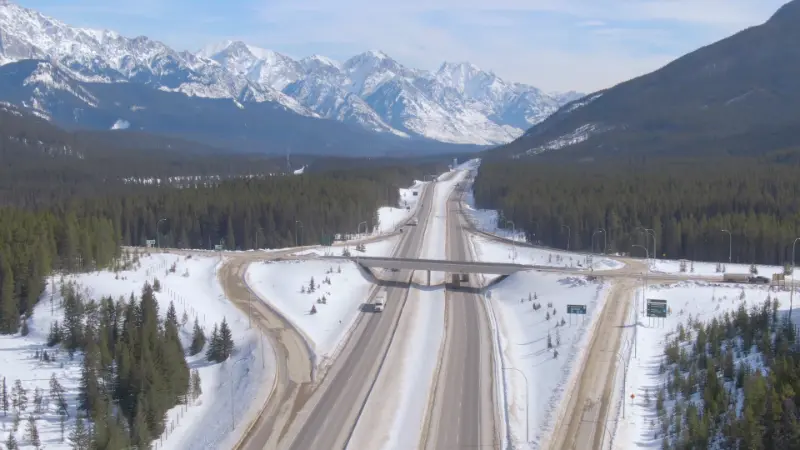
The holiday can still feel adventurous without pushing anyone beyond their limits. A train through white valleys, a quiet market and an evening meal may become more memorable than a rushed list of attractions.
A three-day winter break without skis
On day one, arrive during daylight, check into a conveniently located hotel and explore the village before dinner. Day two can include a scenic rail journey or pedestrian lift if conditions allow, with a warm lunch and a museum or spa afterward. Day three might feature a short marked winter walk or guided nature excursion, while keeping an indoor backup if weather changes. Leave extra time for the departure transfer rather than booking a high-risk early journey on an unfamiliar snowy road.
This style of holiday is about experiencing the season, not proving sporting ability. With realistic clothing, flexible plans and transport checks, winter can be welcoming to a much wider range of travelers.
Understanding icy streets and winter transport disruptions
Check whether the accommodation has a covered or heated entrance and whether the final approach from the bus stop is regularly cleared. In some historic towns, picturesque cobbled streets become slippery when snow melts and refreezes. A stroller with small wheels may be difficult to use, and wheelchair users may need a transport service whose driver can stop directly at the hotel. Ask the destination’s tourism office what accessibility measures operate during the dates of your trip, not merely in the summer brochure.
When purchasing train tickets, research whether the itinerary uses local mountain railways or cross-border services with separate conditions. A winter train trip can be lovely, but luggage transfers and missed connections remain possible. Do not book the last available bus of the evening if an earlier service would leave a useful buffer. Carry the telephone number of the hotel in case weather disrupts your arrival.
Keep the mood of the trip flexible. A snowy evening may be perfect for a relaxed restaurant meal, while a bright morning deserves the view you hoped for. Rather than defining success as seeing six winter attractions, select a few highlights and leave room for changing weather and the comfort of the people traveling with you.
Frequently asked questions
Do I need skis to enjoy a mountain resort? No. Many offer sightseeing, wellness and pedestrian activities; check the specific resort.
Is snowshoeing a simple alternative to walking? Not always. Deep snow, weather and terrain can make it demanding, so choose an appropriate marked or guided route.
Can winter holidays work with toddlers? Yes, with short outdoor sessions, warm clothing, easy accommodation access and flexible routines.
Are mountain trains more reliable than cars in storms? It depends on the route and conditions. Check live operator notices rather than assuming either mode is unaffected.
What should I check before a cable-car ride? Pedestrian ticket validity, altitude, return operations, weather closures and any mobility-access requirements.
Official resources to check before traveling
Requirements and facilities change. These primary sources are starting points; verify the rules for your precise dates and itinerary.