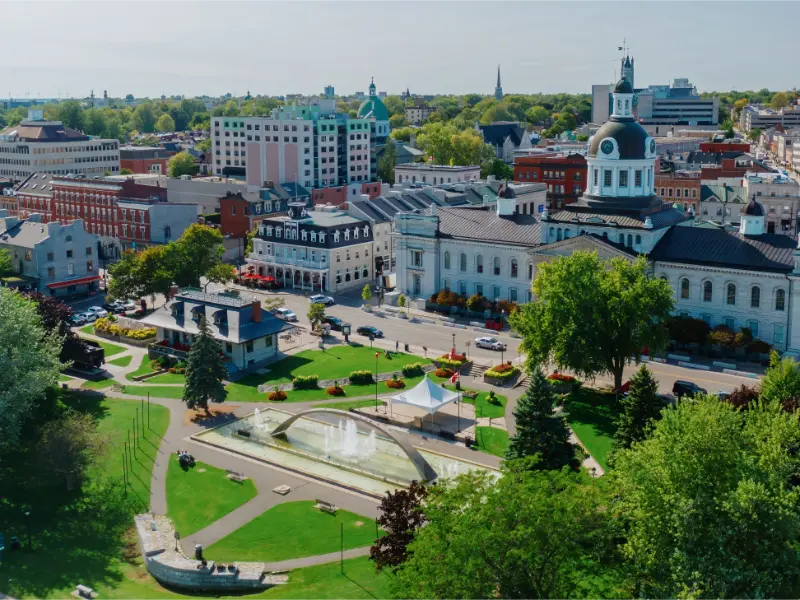
Architecture can make an ordinary walk feel like a journey through centuries. A railway station may reveal a period of industrial ambition; a neighborhood of apartment blocks may show how a city responded to population growth; a modern public library might express different ideas about space, democracy and civic life. You do not need a degree in design to enjoy an architecture-focused city break. The key is to look beyond isolated iconic buildings and explore how streets, public spaces and everyday homes work together.
Quick planning reference
| Decision | What to check | Useful action |
|---|---|---|
| Theme | Period, style or urban question | Select coherent neighborhoods |
| Entry | Timed tours and security rules | Reserve key interiors first |
| Context | Residents, conservation and adaptation | Read locally grounded history |
Start with a theme rather than a list of landmarks
Select a period or question that genuinely interests you: medieval street patterns, Art Deco, modernist housing, colonial-era urban development, adaptive reuse of industrial buildings or contemporary sustainable design. This keeps the itinerary coherent. A city can contain examples of several eras, but trying to visit every famous building in a single day often results in long transfers and shallow impressions. Three distinct places with time to observe may be more rewarding than twelve hurried exterior photographs.
For a first architecture weekend, one theme could be the relationship between public buildings and surrounding neighborhoods. Visit a major library, a market hall and a transport hub, noting how people use each place. Alternatively, explore an old industrial quarter transformed into residences and cultural institutions. Read a local heritage organization’s interpretation before drawing conclusions; historical styles and dates are frequently oversimplified in travel marketing.
Read buildings in their urban context
A façade is only one part of architecture. Notice orientation, shade, public seating, pedestrian crossings and the relationship between a building and its street. A striking museum may be hard to approach on foot; a modest courtyard may be loved because it provides cool shelter and social space. UNESCO’s historic urban landscape approach encourages looking at heritage alongside everyday city life and its wider environmental and cultural setting.
Ask which communities built, maintained and used a place, and whether those communities still have a voice in its future. Old neighborhoods can be charming and vulnerable to displacement at the same time. Avoid photographing residents’ homes as though they are museum exhibits. A respectful architectural itinerary makes space for local businesses, active public institutions and the ordinary users of the city.
Choose destinations for contrasts
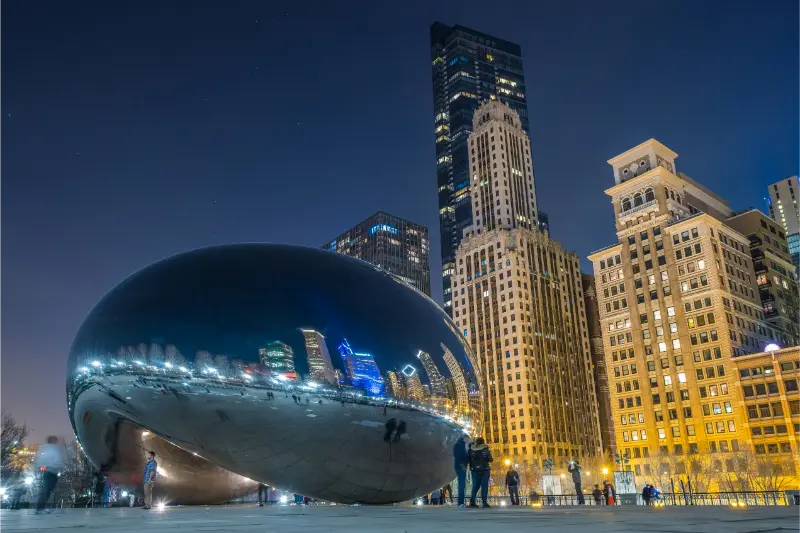
Cities such as Barcelona, Chicago, Rotterdam, Brasília, Mumbai, Kyoto and Porto can illustrate very different architectural stories. Their suitability depends on your interests, not an objective ranking. Barcelona offers layered urban design; Chicago is associated with influential tall-building traditions; Rotterdam has significant modern reconstruction; Brasília is known for planned monumental urbanism. These examples are starting points, and each requires research into access, current opening schedules and neighborhood context.
The most memorable contrasts can be found within one destination. A carefully restored historic quarter may sit near innovative social housing, an industrial waterfront or a new public square. Instead of treating one style as superior, ask what problem each building was intended to solve and how well it serves people today. Architecture is more interesting when it includes failures, adaptations and changes of use alongside celebrated masterpieces.
Use guided walks intelligently
A well-qualified local guide can explain urban planning decisions, building materials and difficult historical contexts. Ask what the walk covers, how much of it is outdoors, whether any buildings are entered and whether photography is permitted. A tour advertised as ‘inside the secret city’ should be evaluated carefully; restricted interiors may be inaccessible for reasons of privacy, conservation or safety. Never accept trespassing as proof that a guide offers a special experience.
Some travelers prefer an audio guide or a self-directed map. These can be excellent if routes are verified and the city feels safe. Choose a manageable district and allow pauses for sketching or reading. For visitors with mobility limitations, request step-free routes and exact walking distance. A walking tour may be labelled accessible while including uneven historic paving or long standing periods; advance details matter more than general promises.
Plan interiors, tickets and photography
Iconic buildings may be functioning courts, offices, private residences, places of worship or universities. Public opening hours and permitted areas are often limited. Check whether tours require advance reservations, identification, security screening or dress standards. An exterior can be enjoyed freely in many cases, but do not assume entry simply because the façade is famous. Some architectural interiors prohibit tripods, flashes or photography altogether.
If your itinerary depends on two major ticketed interiors, reserve those first, then arrange nearby outdoor stops around them. Avoid booking timed slots on opposite sides of a city without realistic travel buffers. When a famous building is closed, a neighborhood walk or public architecture exhibition can save the day. Good itinerary design values the story of the city, not just the number of interiors entered.
See architecture through different seasons and light
Low winter light can emphasize building forms but offers fewer daylight hours. Summer gives time for long walks, while heat and reflected sun can make exposed plazas uncomfortable. Rain can reveal urban drainage and the relationship between covered and open spaces, but it also creates slippery surfaces. Check temporary scaffolding and restoration notices for a building you hope to photograph. Construction is a normal part of city life and preservation.
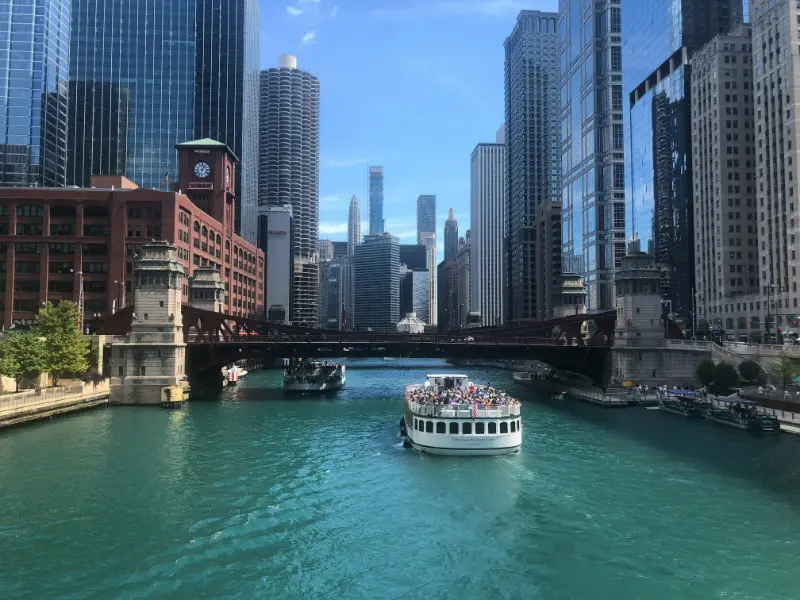
For photography, look at how the building relates to people rather than waiting indefinitely for an empty street. Respect privacy when shooting residential windows, religious services and school areas. Drones may be restricted near public buildings or dense neighborhoods. A small notebook with sketches, materials and observations is a useful alternative to collecting hundreds of identical façade photographs.
Make the itinerary work for every age
Young children often respond better to playful observations—counting arches, spotting shapes and comparing bridges—than long explanations of architectural movements. Offer a short route and a nearby park. Teenagers may enjoy contemporary libraries, stadium architecture or digital design exhibits where visitors can build models. For adults interested in history, a local archive or guided conservation tour may add depth to ordinary sightseeing.
Older visitors benefit from benches, toilets and reliable transport between districts. Someone with a wheelchair may be able to enjoy striking exteriors and public squares even when a protected historic interior has unavoidable access barriers, but this should be checked individually. For a mixed-age group, choose one principal visit per half day and let participants opt out of longer walking segments without feeling they have missed the whole trip.
Calculate cost and travel time honestly
Architecture is often a relatively economical travel theme because many important exterior spaces are free to view. Costs increase with specialist guided tours, museum entry, transport and premium interiors. Compare the complete experience, not just ticket prices. A central hotel can be worth more than a cheaper distant option if you plan early morning walks and evening photography, but accommodation cost needs to be balanced against your overall budget.
Public transport may help connect architectural districts, yet stations can have multiple exits and confusing pedestrian access. Save a route for each day and note the actual entrance to ticketed buildings. When using a city pass, check whether the relevant architecture tours are included or merely discounted. Passes should be evaluated against your realistic number of visits, not their long marketing list.
Design a meaningful three-day plan
On day one, take an orientation walk through the historic core and visit one public building. On day two, explore a contrasting district shaped by industry, modernization or redevelopment, perhaps with a local guide. On day three, tour an interior you particularly care about and leave an hour for a café and notes. The itinerary can be compressed to two days by selecting only one thematic district and one interior visit.
Consider adding food markets and local transport to observe architecture in use. A great market building reveals the practical needs of vendors and residents, while a railway station tells stories through circulation, signs and platforms. The aim is to understand how design interacts with daily life. Avoid a schedule built entirely around famous monuments that visitors enter for five minutes before moving on.
Avoid superficial claims about local history
Architectural travel can involve uncomfortable subjects such as forced labor, segregation, demolition and displacement. A magnificent palace or planned district may reflect unequal power. Read material from respected museums, heritage organizations and local historians before celebrating a structure without context. Presenting complicated histories honestly can deepen admiration for craftsmanship without erasing the experiences of people affected by the building’s creation.
Modern architecture may also provoke disagreement. A structure admired by design critics might be unpopular with residents who experience noise, expense or restricted public space. Listen to different perspectives. Support venues that make interpretation accessible to communities instead of reducing every city to a competition for the most unusual skyline.
Frequently asked questions
Do I need architectural knowledge to enjoy this kind of trip?
No. Start with one theme, observe materials and public spaces, and use accessible interpretation or a beginner-friendly guide.
Can I visit famous building interiors without booking?
Sometimes, but many require reservations or restrict access. Verify each building’s official visitor arrangements rather than trusting old photos.
Are architecture trips affordable?
They can be, because exterior routes are often free. Budget separately for specialist interiors, guided walks and transport.
Is architectural sightseeing suitable for children?
Yes, especially with playful activities, short distances and regular breaks. Long technical tours may not suit very young children.
What if a landmark is covered in scaffolding?
Treat the city as a wider story. Explore an alternative neighborhood, museum or public space; restoration is part of the life of a building.
An architecture trip is at its best when it helps you see relationships: between streets and homes, design and climate, public ambition and everyday use. Travel slowly enough to notice those connections, and familiar cities can begin to look entirely new.
Official and specialist references
Rules and availability may change. Check current official destination and provider information before booking or making health-related decisions.