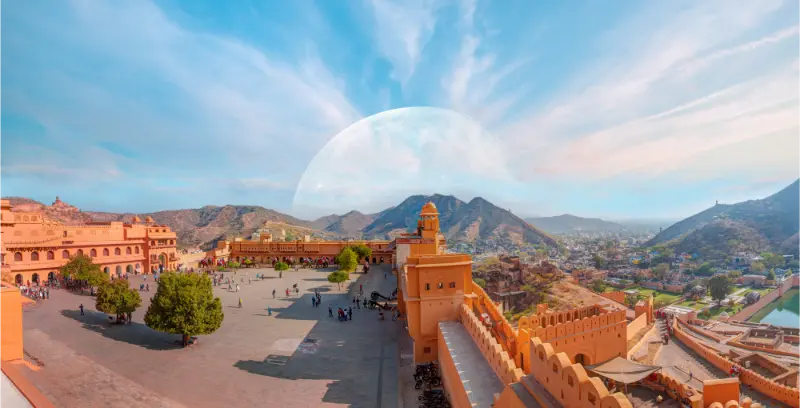
India can be overwhelming before you arrive because every route seems to connect another essential place. For a first ten-day trip, Delhi–Agra–Jaipur remains useful not because it ‘covers India’ but because it creates a manageable introduction to northern history, food and urban life.
The mistake is compressing the route into five days. Delhi alone can absorb several days, Agra deserves more than a rushed Taj transfer, and Jaipur needs a full fort day plus city time.
India’s official tourism platform Incredible India describes Agra as one point of the Golden Triangle with Delhi and Jaipur and highlights its major Mughal sites beyond the Taj Mahal.
Quick trip summary
- Spend 3 nights Delhi, 2 Agra and 4 Jaipur, with the tenth day for departure/return.
- Use trains or a reputable private driver according to each leg.
- Schedule major monuments early in hot months.
- Build in traffic/security-check time.
- Do not add Varanasi, Udaipur or another flight just because ten days looks long.
Why this route works
Delhi is not one city; Old Delhi, New Delhi and major monument clusters need separate blocks of time.
Agra Fort and other Mughal sites provide context for the Taj, so two nights are far more useful than a rushed transfer.
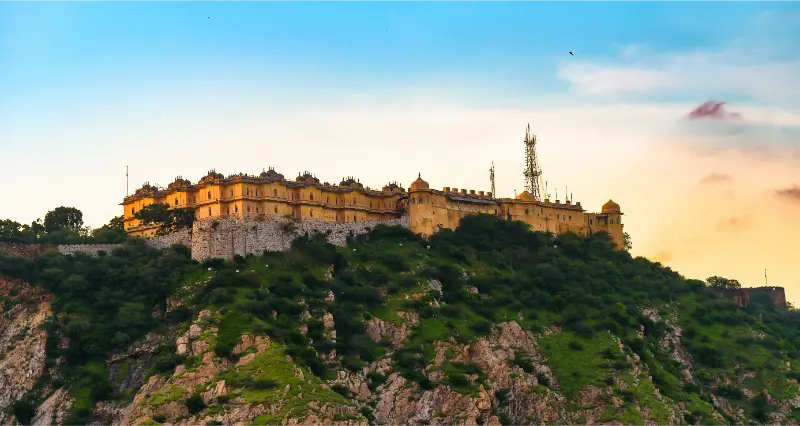
Jaipur’s forts sit outside the old-city core and traffic can be slow; four nights protect both sightseeing and rest.
A realistic itinerary at a glance
| Days | Base | Main focus |
|---|---|---|
| 1–3 | Delhi | Old/New Delhi and heritage clusters |
| 4–5 | Agra | Taj Mahal and Mughal context |
| 6–9 | Jaipur | Forts, Pink City, crafts and flexible time |
| 10 | Departure / Delhi | Onward flight or return buffer |
Day-by-day plan
Day 1: Delhi arrival
Use a reliable transfer and keep the first day to one neighbourhood, dinner and rest.
Day 2: Old Delhi
Use a clear route or a good guide and focus on one compact cluster rather than crossing the city repeatedly.
Day 3: New Delhi
Choose one or two major monument clusters and use metro/car strategically because traffic matters more than map distance.
Day 4: Travel to Agra
Take a suitable train or private transfer and keep the arrival afternoon light.
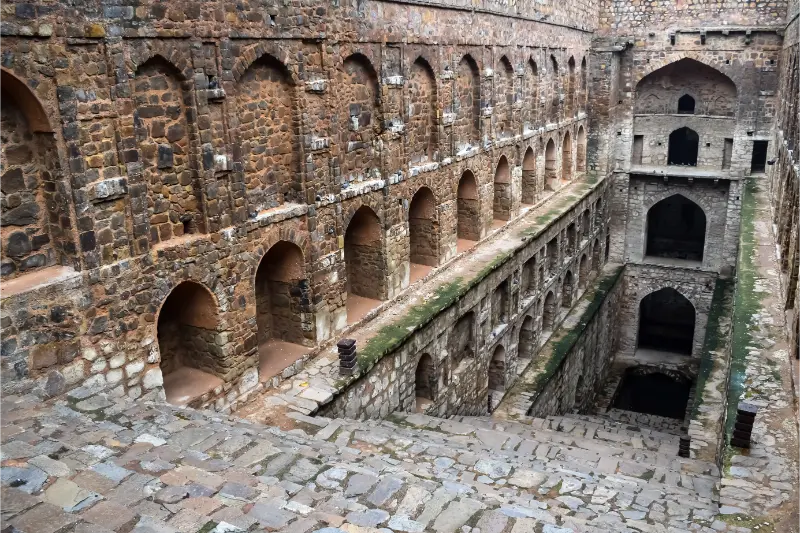
Day 5: Taj Mahal and Agra
Visit the Taj according to current opening rules and weather, then pause before giving Agra Fort real time.
Day 6: Agra to Jaipur
Use train or private car; if driving, one meaningful stop such as Fatehpur Sikri is enough.
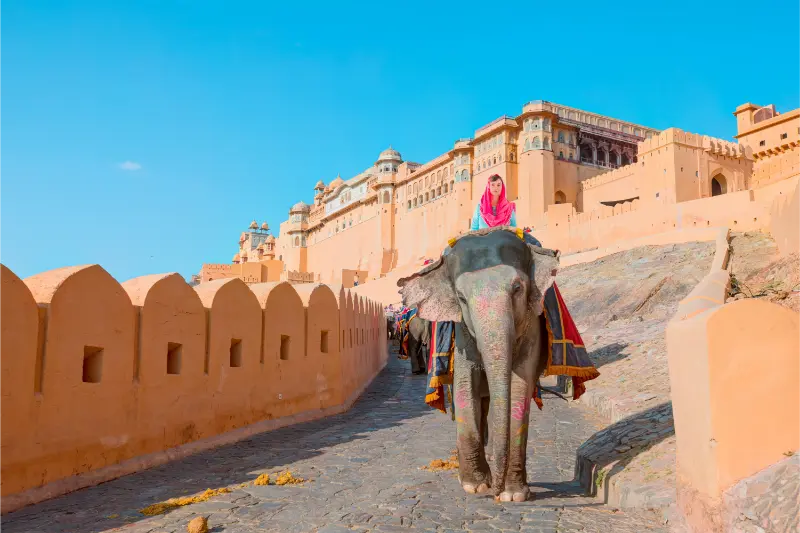
Day 7: Amber and forts
Start early and pace ramps, stairs and sun exposure according to the least mobile member of the group.
Day 8: Jaipur city
Use a compact route for City Palace, Jantar Mantar, bazaars and the Pink City rather than constant cross-town driving.
Day 9: Flexible Jaipur
Use this for crafts, food, cooking, another monument or simply recovery from heat or delayed transfers.
Day 10: Departure
Fly from Jaipur when practical or return to Delhi with a generous buffer rather than timing a long road transfer to check-in.
Where to stay and how many hotel changes to make
Delhi: location can save hours, so choose secure transport access near your priority areas. On a short itinerary, this is not a minor detail: a well-located hotel can save several transfers and make evenings feel spontaneous instead of logistical.
Agra: two nights near convenient monument access reduce repeated cross-city driving. Recent reviews matter because noise, stairs, lift access and the final walk from public transport can affect comfort more than an extra star on the hotel description.
Jaipur: heritage hotels can be atmospheric, but check noise, lifts, hot water and room layout. For families and older travellers, paying slightly more for a practical location is often better value than compensating every day with taxis and longer walks.
Transport: what is worth planning in advance
Trains can be efficient, but stations are busy and ticket classes vary; book through reliable channels. Treat the published journey time as only the moving part of the transfer. Add checkout, station access, luggage handling and the final connection to the hotel.
A private driver can simplify luggage and en-route stops, especially for families. Schedules, ticket products and operating rules can change, so the live official source should always win over an old screenshot or a blog post copied from a previous season.
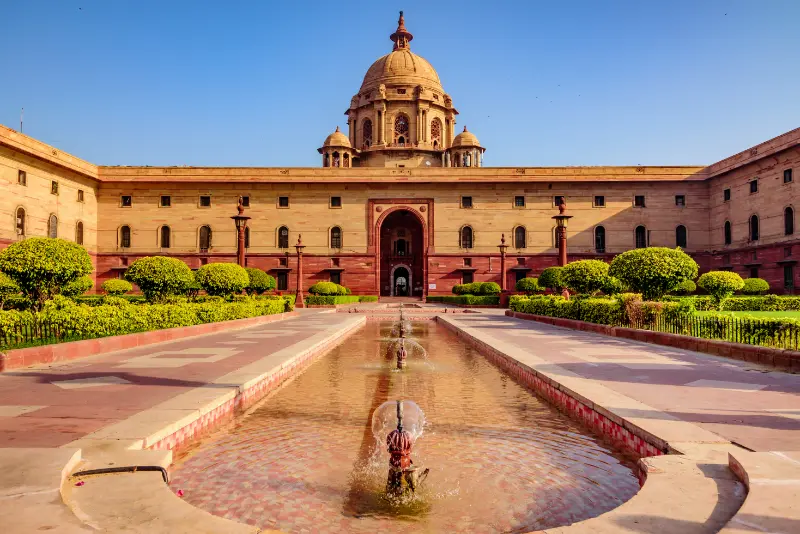
Within cities, combine metro, drivers and app rides according to safety, time and comfort. The goal is not to use the fastest mode every time; it is to reduce the number of stressful transitions while keeping enough flexibility for weather and fatigue.
Food and daily rhythm
Delhi, Agra and Jaipur have distinct regional/historical food traditions, but stomach comfort matters more than proving adventurousness. Use meals to slow the day rather than treating them as gaps between attractions. One memorable local lunch can add more to the trip than another rushed ticketed sight.
Choose busy reputable places, safe water and sensible hygiene, especially before long drives. Busy local places are often excellent, but a first trip is more enjoyable when you mix regional specialties with simpler meals instead of forcing every breakfast, lunch and dinner to become a culinary project.
Families, children and older travellers
Children often enjoy forts, markets and colourful architecture but tire quickly in heat and traffic. For multigenerational travel, the useful question is not whether everyone can technically do the activity, but whether the day still feels pleasant for the slowest member of the group.
Older travellers should ask guides about easier routes at forts and monuments. Build one strong shared experience into the day, then allow optional extras. That avoids turning the itinerary into a test of endurance for children or older adults.
A private driver can be one of the best multigenerational comfort investments. Transport shortcuts, elevators, taxis and rest breaks are not failures of independent travel; they are tools that preserve energy for the parts of the destination that matter.
Budget: where the money really goes
A comfortable first India trip with good hotels, drivers and guides costs more than simplistic ‘India is cheap’ advice suggests. Compare total cost rather than headline price. A cheaper room or ticket can become more expensive once extra transfers, meals, luggage storage or lost time are added.
Spend on reliable transport and location before luxury extras; a distant cheap room can create hours of traffic. The most useful splurges on this route are usually those that remove friction: a better-located hotel, a safer transfer, a guide where context matters or a comfortable seat on a long journey.
Best time to go
Cooler months are popular because walking is easier; hot season and monsoon conditions require a different daily rhythm. Weather should change the order and pace of the itinerary, not automatically cancel the destination. Keep at least one flexible day or half-day in every longer base.
Delhi air quality can vary seasonally, so keep strenuous outdoor plans flexible when conditions are poor. Shoulder seasons can improve comfort and accommodation value, but they may also bring shorter opening hours or reduced boat and excursion schedules.
Comfort, accessibility and realistic pacing
A slower Golden Triangle gives the body time to adjust to food, climate, crowds and time-zone change. This is especially important on a trip with several bases because fatigue compounds: a difficult transfer on Day 3 can reduce enjoyment on Days 4 and 5 as well.
A midday hotel break is often a strategic choice in heat rather than lost sightseeing time. A slower day is not lost time. It is often what allows the next major experience to feel memorable rather than becoming another item photographed while tired.
Small decisions that improve the trip
Give Delhi real time
Flying in and leaving the next morning reduces the capital to airport and traffic. This is the kind of small planning choice that rarely appears in a list of attractions, yet it can change how the whole trip feels.
Sleep two nights in Agra
This protects the Taj visit from delays and gives Agra Fort proper context. This is the kind of small planning choice that rarely appears in a list of attractions, yet it can change how the whole trip feels.
Use guides selectively
A knowledgeable guide adds value where history or religious practice needs explanation. This is the kind of small planning choice that rarely appears in a list of attractions, yet it can change how the whole trip feels.
Keep Jaipur flexible
The long final stay absorbs delays and lets the group adjust to energy and heat. This is the kind of small planning choice that rarely appears in a list of attractions, yet it can change how the whole trip feels.
What I would leave out on this length of trip
Leave Varanasi, Udaipur, Jodhpur and Ranthambore for a longer trip. Leaving it for another trip is not a compromise; it protects the route you have already chosen from becoming a sequence of hurried arrivals.
Skip overnight buses simply to save a hotel night on a short first journey. Leaving it for another trip is not a compromise; it protects the route you have already chosen from becoming a sequence of hurried arrivals.
Mistakes that make this trip harder than it needs to be
- Compressing the Golden Triangle into five days.
- Booking distant hotels to save a little money.
- Scheduling all-day monuments through peak heat.
- Using unverified drivers or guides.
- Ignoring closure days/current monument rules.
- Planning a long road transfer immediately before an international flight.
How I would adapt the itinerary
With seven days, keep the same three cities but remove flexible days. The important principle is to add nights before adding destinations.
With two weeks, add only one additional region rather than several. The important principle is to add nights before adding destinations.
Before booking the trip
- Check official monument opening days.
- Book reputable trains/drivers.
- Confirm station/airport names.
- Carry safe water and personal medication.
- Protect the international departure with a buffer.
Practical questions before you go
Is the Golden Triangle too touristy?
It is popular because the sites are important and the route is practical; travelling slowly keeps it from feeling like a package-tour checklist.
Train or private driver?
Both work. Trains save time on some legs; a driver simplifies luggage and flexible stops.
How many days does Jaipur need?
Three full days is comfortable for forts, old city and one flexible craft/food day.
A few extra planning notes
India’s sensory intensity does not need to be continuous. Quiet hotels and planned rest help first-time visitors appreciate crowded places rather than simply endure them.
Keep digital copies of tickets and addresses, but carry physical documents required by current rules and save key hotel details offline.
The Golden Triangle is not India in miniature; it is simply a strong first route through three historically connected cities.
Ten days let you arrive, adjust and actually look around instead of turning a first visit into a transit challenge.