Izumo, on Japan’s western Sea of Japan coast, offers something very different from the densely scheduled city breaks common in Tokyo or Kyoto. Its most famous shrine is closely tied to Japanese mythology, while a nearby history museum, a broad beach and a windswept cape turn the visit into a rewarding combination of culture and coast. The area is manageable without a rental car if you respect bus and rail timetables, but it is not a single pedestrian district. Visitors who allow two days can appreciate the places individually rather than spending most of their time rushing between stops.
At a glance
| Destination | Izumo, Japan |
|---|---|
| Suggested stay | 2 days |
| Highlights | Izumo Taisha, museum, Inasa Beach |
| Plan ahead | Museum closures and sparse coastal buses |
In this guide
- Why Izumo is a special cultural destination
- Izumo Taisha and the shrine approach
- Shimane Museum of Ancient Izumo
- Inasa Beach and the landscape of legend
- Hinomisaki Lighthouse and coastal shrine
- Izumo soba and everyday food choices
- Getting there and using local transport
- A realistic two-day itinerary
- Where to stay and what to book ahead
- Seasons, ceremonies and responsible visiting
- Families, accessibility and common planning errors
Why Izumo is a special cultural destination
Izumo Taisha is among Japan’s most important Shinto shrines and is associated with the deity Ōkuninushi. The traditions surrounding the region appear in early Japanese chronicles and remain significant to worshippers today. That context matters when exploring: the shrine is not simply an architectural backdrop, and visitors should be considerate of people coming to pray. Reading basic etiquette beforehand makes the experience more rewarding than walking straight through the gates for photographs.
Unlike the concentrated temple districts of some famous Japanese destinations, Izumo combines religious sites with a rural and coastal landscape. A visitor can move from the shrine approach to a historical museum, then continue toward the open sea. Distances are larger than they initially appear on a map, so an itinerary should reflect the transport options rather than a fantasy of effortless walking. This is especially important for anyone traveling with young children or limited mobility.
Izumo Taisha and the shrine approach
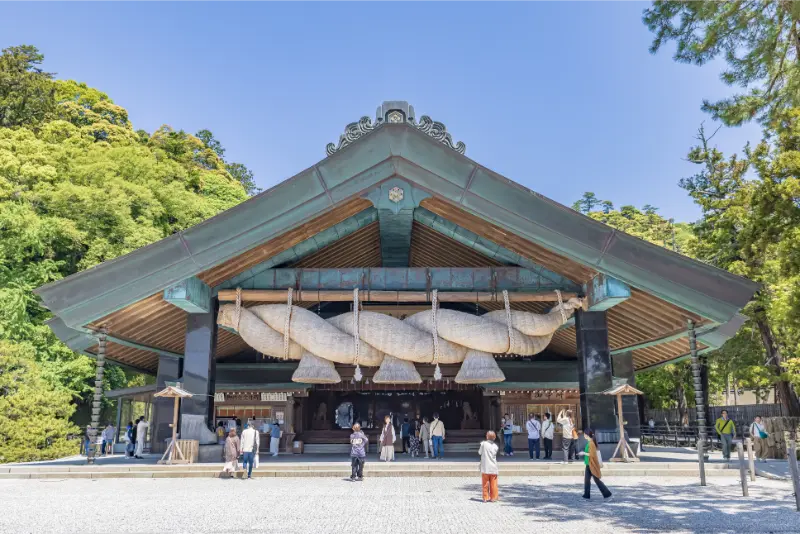
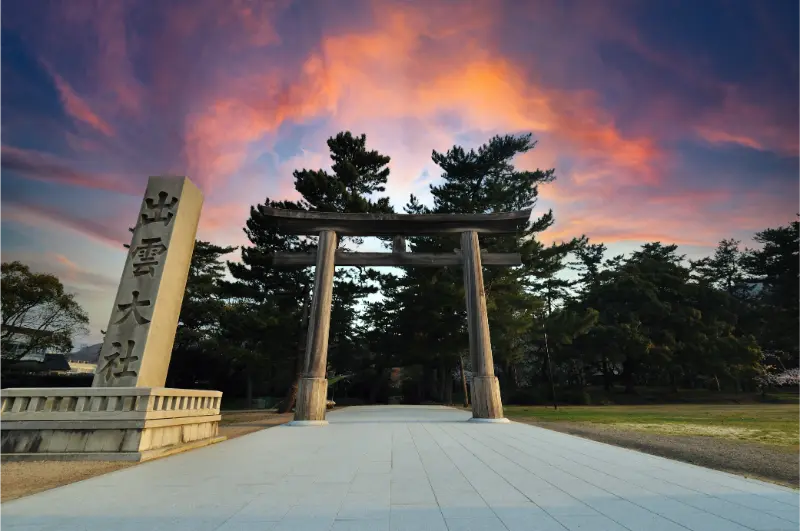
Approach Izumo Taisha along the designated routes and take time to notice the torii gates and landscaped setting. The shrine is known for its distinctive large sacred straw ropes and its role in traditions connected with relationships and good fortune. Different parts of the precinct have different functions; observe signs, avoid restricted religious areas and keep conversations subdued around worshippers. Photography may be inappropriate in particular locations even if cameras are allowed elsewhere.
The approach street, Shinmon-dori, provides opportunities to pause at shops or try a local snack. Rather than visiting only the main sanctuary and leaving immediately, allow time to understand the spatial relationship between the town and the pilgrimage site. If you cannot comfortably walk long distances, find the closest suitable bus stop and ask staff about the most practical entrance. The grandeur of the grounds does not guarantee that every surface or route is step-free.
Shimane Museum of Ancient Izumo
The Shimane Museum of Ancient Izumo adds depth to a shrine visit, particularly for anyone who does not already know the region’s history. Exhibits include archaeological bronze finds, models and interpretation of shrine architecture and the surrounding culture. The collection makes the transition from mythology to evidence tangible, helping visitors understand how ancient communities organized ritual, trade and regional identity.
The museum stands near the shrine but has its own opening calendar. Its published hours differ between warmer and colder periods, and it can close on specified Tuesdays or for maintenance. Treat that as an important scheduling detail: verify the date before arranging a day around it. Families may find the models more engaging than a lengthy written exhibit, while anyone requiring accessible facilities should check the museum’s current visitor guidance before arriving.
Inasa Beach and the landscape of legend
Inasa Beach, or Inasa no Hama, offers a short journey from the shrine area and connects local spiritual traditions to the physical coast. A distinctive rock feature, Bentenjima, gives the shoreline an easily recognizable focal point. This is a place to pause, hear the surf and look across the Sea of Japan rather than necessarily spend an entire afternoon swimming. Beaches that are photogenic can still have changing currents and wave conditions.
A sunset stop can be particularly atmospheric, but plan the return bus or taxi before you stay until the last light. The combination of wind, sand and temperature often feels different from conditions around the shrine. Families should supervise children near surf and slippery rock; people using mobility aids should check the approach surface rather than assuming beach access will be easy. Religious or local ceremonies should be observed respectfully and without obstructing participants.
Hinomisaki Lighthouse and coastal shrine
Hinomisaki is a separate coastal excursion with cliffs, sea views and a striking white lighthouse. The nearby shrine adds cultural interest even if you decide not to climb the tower. The route can be beautiful, but wind and weather are important considerations. Japan’s official tourism guidance describes a substantial staircase inside the lighthouse, which makes the tower climb unsuitable for many travelers even when the surrounding area can still be visited.
Do not confuse reaching the cape with having to climb the lighthouse. A calm walk near the permitted viewpoints may be rewarding on its own. The coastal landscape includes sensitive habitats, and access restrictions should be respected rather than bypassed to take photographs. Buses serving the area may operate at intervals that require planning; if you take a taxi outward, confirm how you will get back before the driver leaves.
Izumo soba and everyday food choices
Izumo is known for a darker style of soba noodle, often served in stacked round bowls or with toppings and broth arranged for personal preference. Trying it is a pleasant way to connect the region’s cultural visit with ordinary local food. Look for restaurants near the shrine approach or station, but do not assume that every shop serves meals all day. Some establishments have shorter opening periods or close once ingredients run out.
Vegetarian or allergy-sensitive travelers should ask about stock and seasonings, as a dish that appears plant-based may contain fish-derived ingredients. Families can choose flexible restaurants where children can eat without a formal multi-course meal. Small cafes can also break up a long morning of walking. Having some cash remains useful in smaller businesses, even though card payment is becoming more common across Japan.
Getting there and using local transport
JR Izumoshi is a useful arrival hub for regional trains, while the Ichibata railway and local buses connect parts of the shrine region. The two rail systems do not always operate like a single seamless network, so plan transfers from the actual station names, not just “Izumo.” Travelers coming from Okayama or Matsue should compare departure and arrival stations and leave a sensible transfer margin. Flight connections may also involve local airport buses.
For the shrine, museum and beach, public transport can work if you are comfortable consulting timetables. Hinomisaki is less convenient for spontaneous visits, especially later in the day. Download or print the relevant bus schedule before leaving Wi-Fi and note the last return service. A taxi can reduce walking but may cost more than expected over rural distances; confirm approximate fares and payment methods when budgeting.
A realistic two-day itinerary
Day one is best devoted to the shrine district. Start at Izumo Taisha before the busiest part of the day, explore Shinmon-dori, then visit the Ancient Izumo Museum after lunch. Finish with Inasa Beach if weather and energy allow. This sequence gives you time to read exhibits and observe the shrine without immediately hurrying toward a distant cape. In poor weather, shorten the beach visit and enjoy another indoor stop instead.
Use day two for Hinomisaki, a longer regional excursion or a return to the shrine area at a quieter time. The cape deserves a proper half-day once transport and conditions are considered. If you have only one day, prioritize the shrine and museum; the beach is a reasonable addition, while squeezing in the lighthouse may make the entire trip feel rushed. A one-day visit can still be meaningful if you make deliberate choices.
Where to stay and what to book ahead
Accommodation around Izumoshi Station is convenient for trains, onward travel and evening meals. Staying nearer the shrine can provide a different atmosphere but may be less useful if you rely on early or late regional connections. Choose according to where you will spend most of your time, not simply which property has a traditional-looking photograph. Verify whether a hotel offers luggage storage, reliable breakfast hours and a practical route from the station.
For visitors with mobility requirements, confirm elevator access, bed height, bathroom arrangements and walking distances to transport. Some traditional accommodations use tatami rooms and floor bedding, which can be uncomfortable for people who struggle to rise from a low sleeping position. Family room occupancy, child meals and any communal bathing arrangements need direct confirmation. Book the room that fits your group, not the one with the most appealing marketing language.
Seasons, ceremonies and responsible visiting
The area can be enjoyable across the year, although wind, rainfall and coastal conditions influence outdoor plans. Festivals and shrine ceremonies can attract many worshippers, change traffic flow and restrict access to particular precincts. The seasonal rhythm of the older lunar calendar also means that a religious observance described as taking place in one traditional month does not necessarily match the same Gregorian dates every year.
Check the shrine’s calendar and the museum’s closure schedule close to your visit. If hoping for fall color or a particular ceremony, verify local timing rather than relying on a generic national Japan calendar. Never obstruct a ritual for photographs, and avoid entering roped-off areas. At the coast, keep distance from seabirds and other wildlife and obey restrictions on fragile natural sites.
Families, accessibility and common planning errors
Children may enjoy the great shrine gates, museum models and a beach stop, but not necessarily a full day of historical interpretation. Give younger visitors a simple theme to follow—boats, stories, buildings or unusual objects—and allow time to move around. Older travelers may prefer the shrine and museum with a seated lunch over a full coastal outing. Visitors with wheelchairs should check step-free paths and accessible restrooms separately for each stop, especially around older shrines.
The most common mistakes are assuming every landmark is in one walkable cluster, arriving at the museum on a closure day, missing a sparse return bus from Hinomisaki and treating the lighthouse staircase as essential. Another mistake is assuming beach scenery means safe swimming. Prioritize experiences your group genuinely wants, reserve flexibility for the weather and use the official tourism and museum websites for current access details.
Related travel ideas
- Matsuyama, Japan: Castle Views, Dōgo Onsen and a Relaxed Shikoku Stay
- Tottori, Japan: Sand Dunes, Sand Museum and the Sea of Japan Coast
- Shimonoseki, Japan: Karato Market, Kanmon Strait and an Undersea Walk to Kyushu
Map and useful official information
Frequently asked questions
How long should I spend in Izumo, Japan?
2 days is a sensible starting point. Use the time for izumo taisha, museum, inasa beach, then extend the trip only if you have specific additional activities in mind.
Can families and older travelers enjoy Izumo, Japan?
Yes, provided activities are selected according to individual needs. Pay particular attention to museum closures and sparse coastal buses, and confirm access at each venue rather than assuming every stop suits every visitor.
What should I check before departure?
Confirm current opening dates, transport arrangements, weather, site rules and any necessary bookings. Carry offline details for return journeys and leave room for changes to your plan.