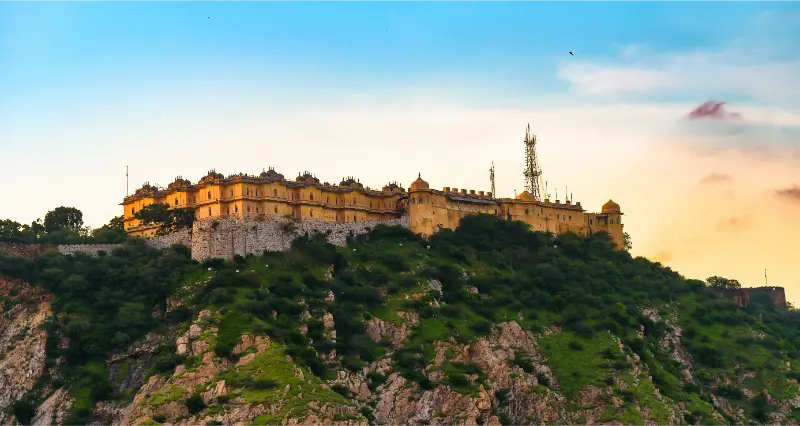
Jaipur Jaipur can feel overwhelming when the itinerary is built around a rapid sequence of forts, palaces, photo stops and markets. Five days creates a much better rhythm: one major fort day, one Pink City day, one museum-and-neighbourhood day and enough flexibility for heat, traffic and shopping. The city is one corner of India’s Golden Triangle, but it deserves to be experienced as more than the final collection of monuments before a flight home.
If this destination is part of a wider trip, compare the pacing with India Golden Triangle in 10 Days: Delhi, Agra and Jaipur Without Rushing the First Trip. The city guide adds local depth; the wider itinerary is better for deciding how this stop fits into the rest of the journey.
Quick trip summary
| Ideal stay | 5 days for a first trip |
|---|---|
| Best approach | Group each day by geography and keep one flexible block for weather or energy |
| Transport strategy | Use public transport or transfers for long moves, then explore each district locally |
| Who it suits | First-time visitors, couples, solo travellers, families and slower-paced travellers |
| Most common mistake | Adding another distant attraction because it looks close on a map |
How to plan the trip before booking
Start by separating the itinerary into fixed reservations, weather-sensitive experiences and flexible neighbourhood time. Fixed reservations should be the things that can genuinely sell out or determine the rest of the day. Weather-sensitive blocks should stay movable until the forecast becomes useful. Everything else should be grouped geographically so that a late breakfast, a long museum visit or an unexpected queue does not break the schedule.
A good multi-day trip does not look completely full on paper. Most days need one main anchor, one secondary experience and enough open time for a meal, rest, shopping, a viewpoint or something you discover after arrival. That unused space is not wasted time; it is what allows the itinerary to survive real travel.
Where to stay: choose location before hotel style
| Base | Why choose it |
|---|---|
| MI Road / central Jaipur | Practical for first-time visitors who want restaurants, transport and reasonable access to the Pink City without sleeping inside its busiest lanes. |
| Bani Park | Popular for guesthouses and a calmer residential feel, useful for travellers who want a quieter base with easy taxi access. |
| C-Scheme | More contemporary cafés and hotels, good for longer stays and evenings away from the busiest tourist corridors. |
| Pink City edge | Atmospheric and close to historic sights, but traffic, noise and vehicle access vary greatly by street; inspect the exact location before booking. |
A beautiful room is not automatically a useful base. Map the first activity of the morning, the likely dinner area and the route you will use on departure day. If the hotel creates two unnecessary transfers every day, the hidden cost is time and energy as well as money. For a short trip, location usually matters more than a larger room several kilometres away.
A realistic 5-day itinerary
Day 1: Pink City orientation, City Palace and Jantar Mantar
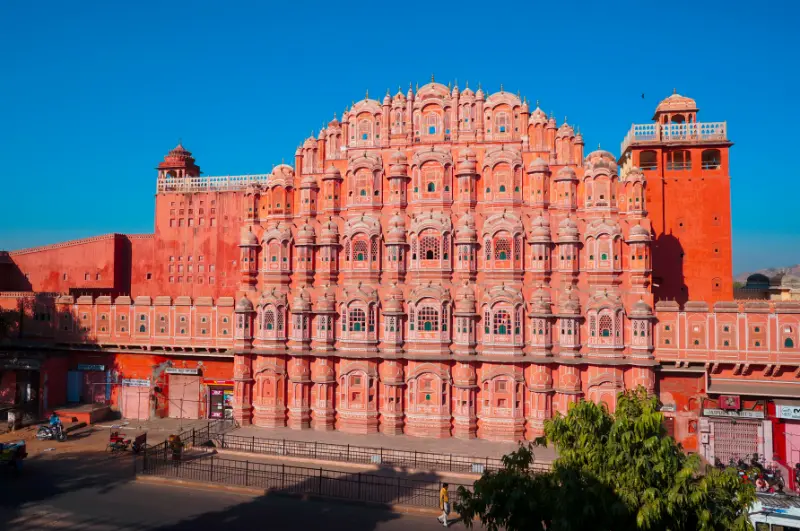
Start early enough to walk before heat and traffic build. Use Hawa Mahal as part of the street context rather than only a photo stop, then visit City Palace and Jantar Mantar with enough time to understand what you are seeing. Add market lanes later, but avoid combining serious shopping with the first orientation walk. Finish before fatigue turns every colourful street into visual overload.
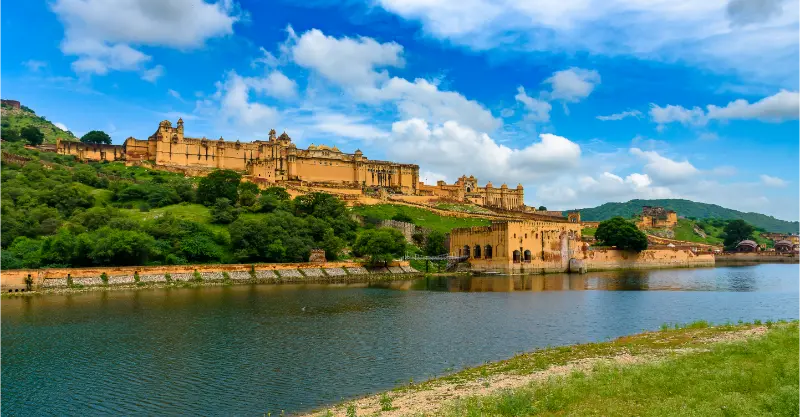
Day 2: Amber Fort and the northern monuments
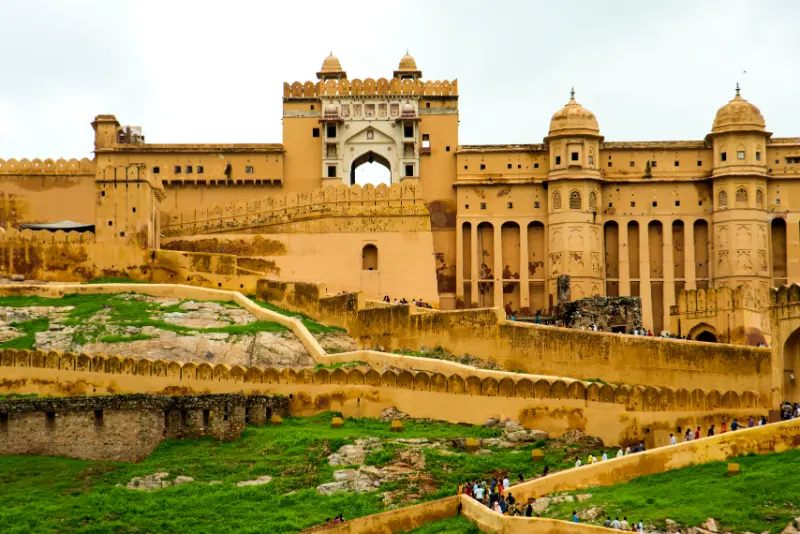
Leave early for Amber Fort and spend the main part of the morning there. Add one or two nearby stops such as Panna Meena ka Kund or Jaigarh according to energy and current access. Do not force every hilltop fort into the same day. Return to Jaipur for a long lunch and slower evening instead of staying in traffic until sunset simply to collect another viewpoint.
Day 3: museums, Albert Hall and calmer city spaces
Use the third day to change pace. Visit Albert Hall Museum or another cultural institution, then explore gardens, cafés or neighbourhoods beyond the Pink City. This is also a useful shopping reconnaissance day because you now understand prices, distances and what you actually want. Keep one indoor block during the hottest hours.
Day 4: Nahargarh or a craft-focused day
Choose a viewpoint day only if weather and air clarity are worthwhile. Otherwise use the time for textiles, block printing, jewellery history or another craft experience with a reputable provider. The goal is depth rather than another palace. If you visit Nahargarh, plan transport back before sunset crowds and darkness complicate the descent.
Day 5: flexible Jaipur and departure buffer
Use the final morning for a favourite market, café, temple or missed museum. If shopping, leave time for packing and receipts instead of buying large items on the way to the airport. Golden Triangle trips often involve long road or rail transfers, so protect the departure with a realistic traffic buffer and avoid a distant last-day attraction.
Getting from the airport or station and handling arrival day
Jaipur International Airport, railway stations and intercity road transfers all serve different travel patterns. A pre-arranged hotel transfer or app-based taxi can simplify the first arrival, especially with luggage. If arriving by train, confirm the correct station because Jaipur has multiple rail stops. Golden Triangle road times can expand with traffic, so do not schedule a fixed palace ticket immediately after a Delhi or Agra transfer.
Arrival day should carry less risk than the rest of the trip. Keep the first reservation easy to cancel, know how you will reach the hotel before landing and save the address offline. If a flight or train is delayed, skip a secondary sight instead of beginning the trip by rushing across an unfamiliar city with luggage.
Getting around without wasting the day
For most visitors, a mix of app-based taxis, auto-rickshaws and walking is easier than self-driving. Metro coverage is useful on some corridors but does not replace road transport for the major forts. Agree or confirm fares and routes before longer rides when appropriate. Group Amber-side sights together and Pink City sights together; the biggest mistake is crossing Jaipur repeatedly because each attraction was planned independently.
When comparing two routes, include the walk to the stop, waiting time, transfers and the final approach. The route with fewer changes is often better for families, luggage, older travellers and anyone visiting in difficult weather. Use transport to remove unrewarding distance, then spend walking energy on the streets, viewpoints, markets and museums that actually define the destination.
Best time to visit and how the season changes the itinerary
The cooler months are generally the easiest for sightseeing, while late spring and early summer can be extremely hot. Monsoon conditions change walking comfort and road travel. Even in cooler seasons, midday sun can be strong. Build outdoor fort visits into mornings and protect the hottest hours with lunch, museums or rest. Festival periods can be rewarding but may also change traffic and accommodation demand.
Season changes more than temperature. It affects daylight, hotel prices, operating hours, event calendars, sea or trail conditions and how tiring a normal sightseeing day feels. If your dates are fixed, adapt the daily rhythm rather than forcing an itinerary designed for another month.
What to book first
Reserve high-priority heritage hotels, guided experiences and special cultural activities in busy periods. Ordinary monument visits may not require a tightly timed week-long schedule, but opening days and ticket rules should be checked officially. If hiring a guide or driver, use reputable providers and agree what is included before the day begins. Shopping commissions can distort recommendations, so separate sightseeing from purchasing decisions when possible.
Recheck opening days, reservation procedures, transport notices and access rules shortly before departure. These operational details change faster than the basic geography of a good itinerary. When an official source conflicts with an old screenshot, saved social post or outdated blog, use the current official information.
Food strategy: eat well without crossing the city for every meal
Jaipur has excellent Rajasthani food, sweets and street snacks, but use hygiene judgement and pace rich meals carefully. Try a thali when you have enough appetite to enjoy it, and mix traditional dining with lighter breakfasts or café lunches. Drink safe water and be cautious with ice or uncooked foods according to your personal risk tolerance. A long lunch is also a practical escape from the hottest part of the day.
For a multi-age group, a reliable breakfast and an easy lunch often matter more than one additional attraction. Use meals as genuine rest and part of the travel experience. A restaurant that is ten minutes from where you already are can be a better choice than a famous address that requires forty minutes of extra transport each way.
Travelling with children
Children often respond well to forts and observatory instruments when visits are not too long. Start outdoor days early, carry safe water and use air-conditioned transfers between major sights during hot periods. Markets can be stimulating but also crowded, so keep shopping blocks short. Avoid stacking Amber Fort, City Palace and a sunset viewpoint into one day simply because adults could technically complete the route.
With children, reduce transitions before reducing the highlights. Alternate one structured visit with something that allows movement, and always know the easiest route back to the hotel before starting a long afternoon. A flexible snack and rest stop can protect the whole day better than another timed ticket.
Travelling at a slower pace or as a senior
Heat, stairs and uneven fort surfaces are the main challenges. Use door-to-door transport and schedule the most demanding visit early in the trip when energy is highest. Confirm current accessibility and shuttle options at major monuments. A central hotel with a lift and reliable vehicle access can matter more than a heritage property deep inside lanes if mobility is limited.
Slower travel often improves a destination itinerary because it forces better geographic choices. Use lifts, public transport, taxis or door-to-door transfers to remove unrewarding distance, then spend walking energy where the surroundings are worth noticing. Keep a seated break in the middle of any day with significant climbing or heat.
Budget planning
Build the budget in layers: accommodation, arrival and departure transport, local movement, fixed attractions or excursions, food and a reserve for spontaneous changes. The cheapest hotel is not always the cheapest trip if it creates two extra rides every day. Likewise, a city or transport pass is worthwhile only when its zones and included attractions match the itinerary you will actually follow.
Keep a separate allowance for weather-driven changes. A taxi during heavy rain, a last-minute indoor attraction, a shuttle or a different departure can protect a travel day without representing a planning failure. Saving money is useful; sacrificing the main experience to avoid a modest practical cost often is not.
Weather backup plan
Heat should change the clock of the itinerary. Move fort visits to early morning, use indoor museums or hotel rest at midday and return outside later. During heavy rain, road conditions and surfaces around forts may require extra care. Dust and air quality can also affect comfort. Keep one flexible day so a poor-weather morning does not force the entire Jaipur plan into a compressed final 24 hours.
Do not read only the temperature. Wind, visibility, rain intensity, humidity, sea state, snow and daylight can change the quality of an experience much more than a few degrees. The best itineraries have at least one outdoor block that can trade places with an indoor or neighbourhood day.
Connectivity, payments and small practical details
Download an offline map before arrival, save the accommodation address and keep screenshots or offline copies of critical tickets. A local data plan or eSIM can simplify live transport information, but do not depend on a phone battery for every part of the day. Carry a small power bank on long excursion days if navigation and tickets are digital.
Cards are widely accepted in many visitor areas, but payment habits differ by destination and smaller businesses may work differently from hotels. Keep a backup payment method and a modest amount of local currency when useful. Check whether transport uses contactless bank cards, a dedicated travel card, app tickets or paper validation rather than assuming the system matches another city.
What to pack
Comfortable walking shoes, a small day bag, sun protection and weather layers matter more than extra outfits. Add any medication you may need during the day and a refillable bottle where practical. For mountain, coast or desert days, pack for the conditions at the destination rather than the temperature outside your hotel. A light layer can be useful even in warm places because vehicles and indoor spaces may be strongly air-conditioned.
Common mistakes to avoid
- Trying to visit Amber, Jaigarh, Nahargarh and the Pink City in one day.
- Planning outdoor sightseeing through the hottest afternoon hours.
- Accepting every shopping stop suggested by a driver without deciding whether you actually want it.
- Booking a fixed attraction immediately after a long Delhi or Agra transfer.
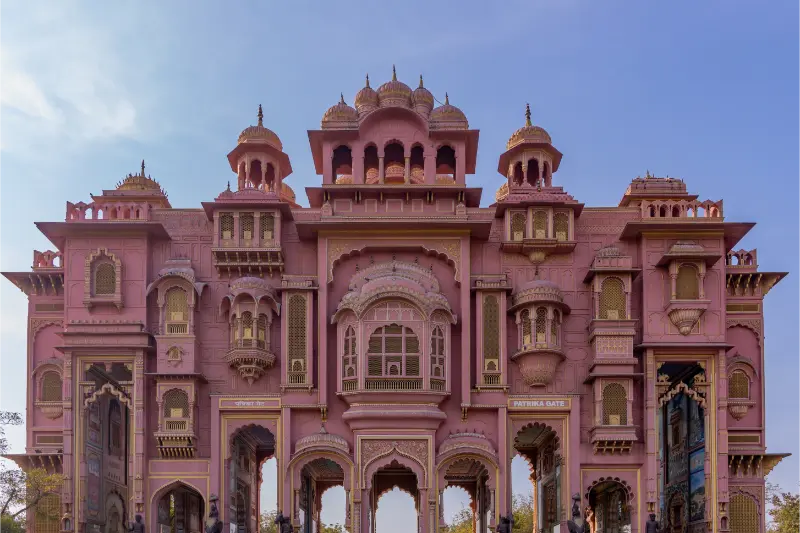
- Treating Jaipur as only a collection of photo façades instead of learning how the city fits together.
Responsible travel and local etiquette
Treat residential streets, markets, places of worship, memorial sites and working neighbourhoods as real parts of a community rather than scenery. Follow local instructions, keep entrances and pavements passable, ask before photographing people in sensitive settings and spend with local businesses when it fits naturally. Clothing, photography and behaviour expectations can change between religious, cultural and recreational spaces.
In natural settings, stay within marked routes and respect closures even when another visitor appears to ignore them. Access rules often protect both visitors and the place itself. Wildlife should never be approached for a photograph, and weather or safety closures are not an invitation to find an unofficial route around a barrier.
If you have less or more time
With three days, use one for the Pink City, one for Amber and one for museums plus markets. Four days allows a viewpoint or craft-focused day. With six days, slow the rhythm further or add a carefully chosen regional excursion, but if your Golden Triangle itinerary is already full, the extra day may be better used as a rest buffer before onward travel.
Safety and decision-making on the day
Use ordinary situational awareness: keep valuables controlled in crowded places, use clearly identified transport and follow current local advice about specific streets, weather or transport hubs. Safety conditions can differ by neighbourhood and time of day, so official notices and recent local guidance are more useful than blanket claims that an entire destination is either “safe” or “unsafe”.
Set a practical turnaround time for excursions and departure days. Missing a secondary attraction is cheaper than missing a flight, travelling exhausted late at night or forcing a route after conditions have changed. When a plan stops making sense, simplify it rather than trying to recover every item on the original list.
Useful official and planning resources
Opening hours, fees, transport schedules and access rules change more often than the overall itinerary. Recheck the official source shortly before departure.
Final planning checklist
- Confirm passport, visa, transit and health requirements for your nationality.
- Reserve the attraction, tour or transport that controls the rest of the itinerary.
- Save your accommodation address and first-day route offline.
- Recheck weather, closures and transport notices before each critical day.
- Keep at least one half-day that can absorb a delay or become simple rest.
- Leave a generous buffer before flights and other costly connections.
A strong trip to Jaipur should feel as though you understood how the place fits together, not merely that you collected its famous names. Protect the reservations that matter, group the rest by geography and remove anything that creates more transit than experience.