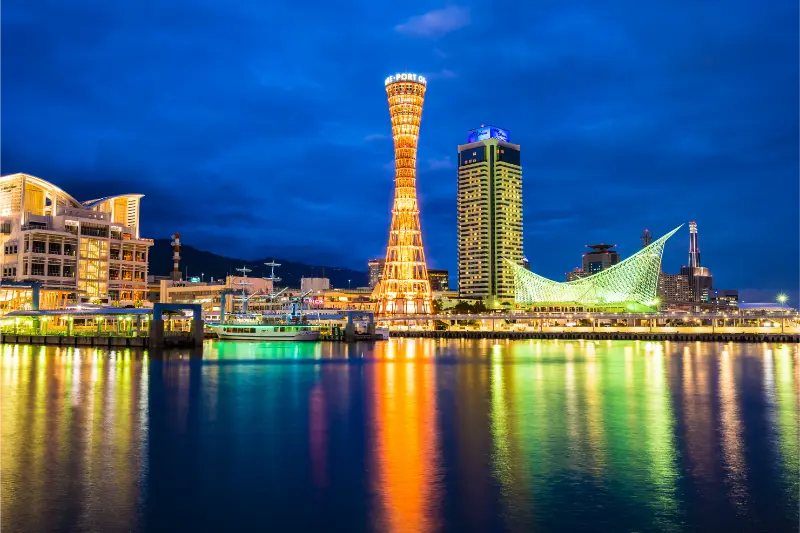
Kobe works best when it is treated as a destination rather than a box to tick inside a larger route. Kobe sits close enough to Osaka that many travellers reduce it to lunch and a harbour walk. Four days reveal a more complete city: international-port history, hillside neighbourhoods, sake brewing, mountain views, waterfront redevelopment and one of Japan’s classic hot-spring towns within the same municipal area.
If Kobe is part of a wider trip, compare this city-level plan with Japan Beyond Tokyo in 10 Days: Kyoto, Nara, Hiroshima and Osaka Without Constant Packing. The broader itinerary helps with regional pacing; this guide focuses on the decisions that matter once you actually stay in Kobe.
Quick trip summary
- Ideal stay: 4 days for a first visit.
- Best planning rule: group each day geographically and protect one flexible half-day.
- Best for: first-time visitors, couples, solo travellers, families, older travellers and mixed-age groups.
- Main risk: treating the city as a lunch stop from Osaka.
Why 4 days works
Kobe has enough range to reward several days, but it does not need an exhausting schedule. The key is to separate the large, time-consuming experiences from neighbourhood time. A good first visit should include headline sights, one or two deeper cultural blocks, ordinary meals and enough unstructured walking to understand how the city fits together.
The itinerary below deliberately avoids putting a major attraction in every available slot. Queues, transit, weather, meal breaks and simple fatigue are part of travel. A plan that looks slightly under-filled at home often feels exactly right on the ground, especially when the destination includes museums, hills, large parks or a full-day excursion.
The mountain and onsen parts of Kobe are not simply extensions of the flat waterfront. Check last transport, ropeway conditions and bathing rules before you commit to a late return.
Where to stay in Kobe
| Area | Who it suits |
|---|---|
| Sannomiya / Motomachi | The most practical first-time base for rail connections, restaurants, Chinatown and access to both the harbour and hills. |
| Harborland / Meriken Park | Best for waterfront views and families who like modern promenades, though evenings can feel quieter than Sannomiya. |
| Kitano / Shin-Kobe | Useful for travellers who prefer historic hillside streets and easy access to the ropeway and Shinkansen station. |
For a first visit, choose the district that shortens your most frequent journeys. A larger or cheaper room far from the places you care about can be a false saving once repeated transfers are included. Open the route from the hotel to your first morning stop, your likely dinner area and your departure station before booking.
If noise matters, do not assume “central” means one thing. A room facing a nightlife street can feel completely different from a hotel two blocks away. Families and older travellers should also check lifts, steps, station exits and the final walk from public transport rather than relying only on the property’s distance from the centre.
Getting there and getting around
Kobe is served by JR, Hankyu, Hanshin, subway and local bus networks. Shin-Kobe is the Shinkansen station, while Sannomiya is the everyday urban transport hub. The city is compact east-to-west but climbs quickly toward the mountains, so a route that looks short can involve significant elevation. Arima Onsen and Mount Rokko need deliberate transport planning.
For a wider Asian itinerary, compare high-speed rail, domestic flights and airport-transfer time door to door; the fastest segment on paper is not always the easiest overall journey.
Plan journeys door to door. Add the walk to the station, security or ticket checks, platform changes and the final connection. A route shown as twenty minutes in a transport app can easily become forty once the whole movement is counted. The most efficient itinerary usually has fewer transfers, not the highest number of attractions.
Kobe day-by-day itinerary
Day 1: harbour, Chinatown and Motomachi
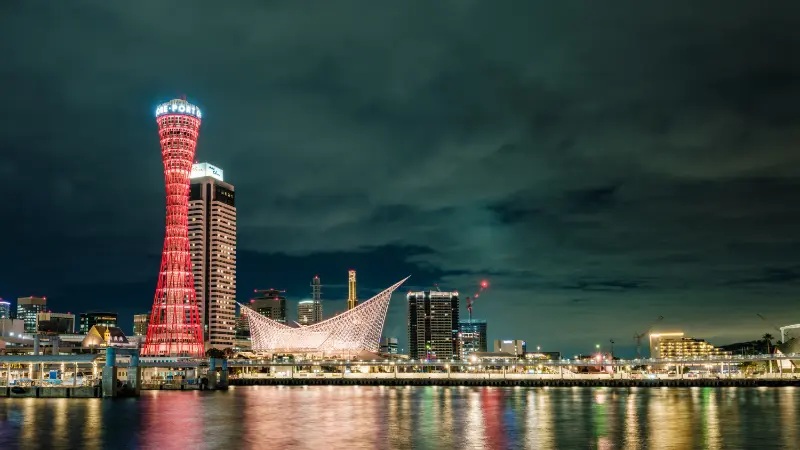
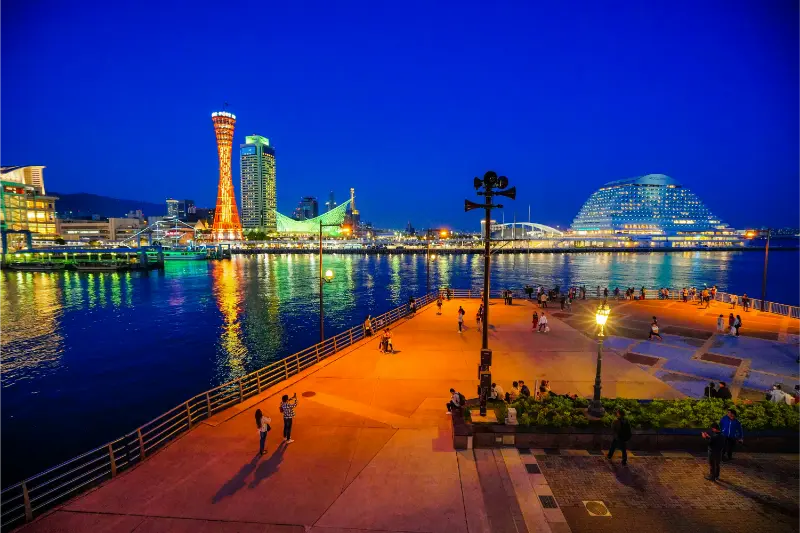
Start around Meriken Park and Harborland, then walk toward Nankinmachi Chinatown and Motomachi. The route explains Kobe’s port-city identity without demanding much transport. Finish around Sannomiya, where there is a wider choice of restaurants than on the waterfront.
Day 2: Kitano, Nunobiki and hillside Kobe
Explore the Kitano district in the morning, then use the ropeway or walking routes around Nunobiki if weather is suitable. The contrast between foreign residences, greenery and the dense city below is central to Kobe’s character. Keep the afternoon light because hills add more effort than map distance suggests.
Day 3: Nada sake district and Mount Rokko option
Visit part of the Nada sake-producing area, choosing a few museums or breweries rather than trying to collect every tasting stamp. In the afternoon, use clear weather for Mount Rokko or Maya views. Travellers who do not drink can still enjoy the industrial and cultural history of the district.
Day 4: Arima Onsen
Make Arima Onsen the deliberate final day. Choose a public bath, day-use onsen or ryokan experience according to comfort and budget, and leave time for the compact town itself. Returning to Kobe in the evening is easy enough, but an overnight stay can be worthwhile if the wider Japan itinerary allows it.
What to book in advance
Reserve the few elements that can genuinely control the day: limited-capacity museums, timed heritage sites, a priority guided tour or an event you would be disappointed to miss. Leave ordinary meals and flexible neighbourhood walks unbooked. A city break becomes brittle when breakfast, lunch, dinner and every attraction all have fixed times.
Before paying for a city pass, list the attractions you would actually enter and the transport you would actually use. Passes can be excellent value for a museum-heavy day but poor value when most of the itinerary is walking, markets and neighbourhoods. Check the current inclusions on the official website rather than relying on an old comparison table.
Food and drink
Kobe beef is the obvious splurge, but the city’s food identity is broader: Chinese-influenced dishes, bakeries, sweets, sake and casual local restaurants all matter. If Kobe beef is a priority, book a reputable restaurant and choose the meal that fits your budget rather than assuming the most expensive course is automatically better.
Build meals into the geography of the day. Crossing the city twice for a restaurant seen on social media can cost more sightseeing time than the meal is worth. One destination restaurant is fine; the rest of the trip is often better when lunch and dinner happen naturally near the neighbourhood already being explored.
For mixed-age groups, alternate quick meals with at least one comfortable seated meal each day. Carry water and a small snack so a delayed lunch does not force everyone into the first tourist trap. If anyone has allergies, dietary restrictions or religious requirements, prepare translated wording before travel instead of explaining it under pressure.
Best time to visit Kobe
Spring and autumn are excellent for combining hills, harbour and city walks. Summer is hot and humid; winter can be clear and crisp, especially for views. Mountain and ropeway conditions can change with weather, so keep the hillside day movable.
Shoulder seasons often balance weather, room prices and crowds, but there is no universally best month. The right period depends on whether your priorities are outdoor time, museums, festivals, food, swimming, mountain views or lower costs. Check public holidays and major local events because one weekend can behave very differently from the week before it.
Families, older travellers and accessibility
For families, shorten museum blocks and alternate structured sightseeing with parks, food stops or open space. Older travellers often benefit from the same rhythm. A midday pause is not lost time if it prevents the final two hours of the day from becoming uncomfortable. Mixed-age groups should agree that splitting for one specialist attraction is perfectly reasonable.
Accessibility varies not only by city but by individual attraction. Historic paving, stairs, steep streets, long metro corridors and crowded entrances can matter more than a distance shown on a map. Check the official accessibility information for any essential site and contact the venue directly if step-free access, wheelchair space or a specific lift is critical.
A useful rule for multigenerational travel is to protect the first half of the day and simplify the second. Put the priority attraction in the morning, eat before everyone becomes tired, and keep the late afternoon optional. That structure makes it easier to recover from heat, rain, queues or a poor night’s sleep.
A realistic budget
Accommodation location usually matters more than a small difference in room price. A cheaper hotel that adds two long transfers every day can cost more in transport and, more importantly, consume the best sightseeing hours. Build the budget around a useful base, local transport, one or two paid priorities each day, food and a contingency margin.
Keep a small daily buffer for ordinary friction: lockers, local taxes, luggage storage, an occasional taxi, extra drinks, a replacement transit ticket or a café stop during bad weather. These costs are normal. The budget becomes stressful only when every day has been planned with no margin at all.
Weather backup plan
Keep one indoor-heavy half-day movable. Museums, covered markets, cafés and long lunches are part of a resilient itinerary, not consolation prizes. Use the clearest weather for viewpoints, gardens and long outdoor walks, and move indoor culture to the weaker forecast instead of forcing the original order.
For any exposed viewpoint, mountain, waterfront or long outdoor day, check conditions again on the morning itself. Visibility and comfort can change quickly. When the weather is poor, choosing a strong indoor alternative usually produces a better trip than forcing the original plan simply because it was written weeks earlier.
Common mistakes to avoid
- Visiting only for a Kobe beef lunch from Osaka.
- Underestimating the steep walk from Sannomiya toward Kitano.
- Trying to combine Arima Onsen, Mount Rokko and the harbour in one rushed day.
- Booking a waterfront hotel without checking the evening atmosphere you actually want.
- Treating Nada sake visits as a drinking challenge rather than a cultural experience.
Most problems come from the same source: trying to extract maximum quantity from limited time. The best version of Kobe is not the itinerary with the most pins. It is the one that keeps travel distances sensible, gives major places enough attention and leaves enough energy to enjoy the city in the evening.
Safety and practical habits
Use ordinary big-city precautions: keep valuables secure in crowded transport and markets, use official or well-reviewed transport, and save the hotel address offline. Keep a backup payment method separate from the main wallet. Entry rules, health advice and local regulations can change, so check official government sources for your nationality before departure.
Save essential addresses and tickets offline, keep a charging option for the phone and know which station or terminal you are actually using. If a day includes a long excursion, check the last realistic return connection before leaving in the morning. Small logistical checks prevent the kind of avoidable problems that consume an entire evening.
Official information to check before you go
For current visitor information, events, transport changes and attraction updates, use Visit Kobe. For the dates of your visit, verify opening hours, ticket arrangements and local transport rules before committing to reservations.
Final planning checklist
- Confirm passport, visa, entry and transit rules for your nationality.
- Choose accommodation for location and transport convenience before room size.
- Reserve only the attractions or events that genuinely control the day.
- Save offline copies of tickets, hotel details and essential addresses.
- Check the exact airport, railway station or terminal before booking transfers.
- Keep one flexible half-day for weather, fatigue or something discovered after arrival.
- Recheck official opening information and local transport shortly before each fixed day.
Final thoughts
Kobe becomes much more rewarding when the itinerary has enough structure to remove friction but not so much structure that every delay feels like a failure. 4 days give a first-time visitor room for the essential places, food, neighbourhoods and one or two deeper experiences without racing across the city. Keep the geography sensible, protect the experiences that matter most and let the rest of the trip breathe.