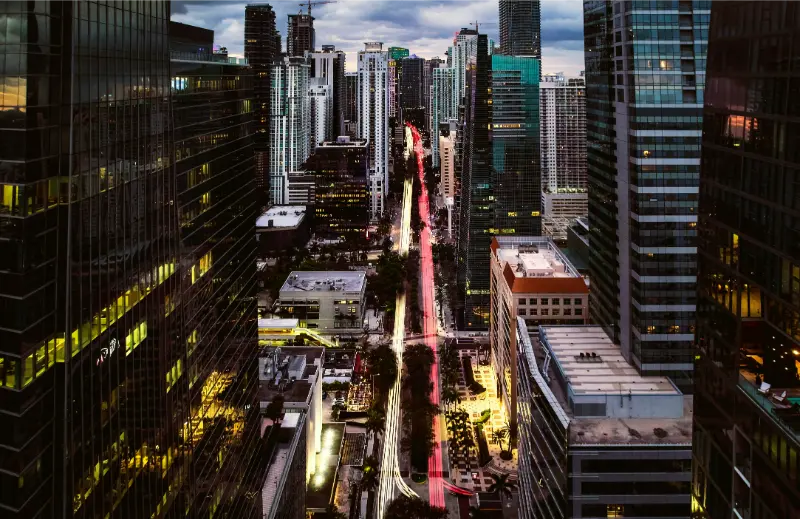
Miami is not simply South Beach, and the Everglades are not a quick roadside swamp stop. A six-day trip works best when urban Miami receives several full days and the national park is treated as a separate ecosystem day.
This itinerary stays in Miami for the whole trip and rents a car or books a transfer only for the Everglades and any wider suburban/coastal excursion. That keeps parking from dominating the city portion.
For current 2026 context, the National Park Service reported that Shark Valley reopened on August 24, 2026 after wildfire closures. NPS still advises checking current conditions because fire activity and access can change quickly in South Florida.
Quick trip summary
- One Miami hotel for all 6 days.
- Use transit/rideshare for Miami Beach, Downtown/Brickell and Little Havana.
- Rent a car or take a reputable tour for the Everglades day.
- Check current NPS conditions before Shark Valley.
- Do not combine the Florida Keys with this six-day itinerary.
Why this route works
Miami needs several days because Miami Beach, Little Havana, Wynwood/Design District and downtown waterfront areas have very different rhythms.
Shark Valley or another Everglades gateway deserves most of a day, not a rushed hour between beach reservations.
Keeping one hotel removes luggage and lets the Everglades day move if weather, fire or thunderstorms affect access.
A realistic itinerary at a glance
| Days | Base | Main focus |
|---|---|---|
| 1–3 | Miami | South Beach, Little Havana, art/food neighbourhoods |
| 4 | Everglades | Shark Valley or another park gateway |
| 5–6 | Miami | Flexible beach/culture day and departure |
Day-by-day plan
Day 1: Miami Beach arrival
Stay where you actually want evenings—South Beach, Mid-Beach, Downtown/Brickell or another area—and use the first day for Ocean Drive/Art Deco context and the beach.
Day 2: Little Havana and urban Miami
Use Calle Ocho with a food/history angle, then add one nearby neighbourhood or downtown block. Avoid reducing Little Havana to a single coffee/photo stop.
Day 3: Art, design and coast
Choose Wynwood/Design District, Vizcaya/Coconut Grove or another coherent direction. The best Miami day is usually one neighbourhood cluster plus beach time.
Day 4: Everglades
Check NPS current conditions first, then visit Shark Valley or another suitable entrance. As of August 24, 2026, Shark Valley had reopened after wildfire closures, but conditions remain something to verify close to travel.
Day 5: Flexible Miami
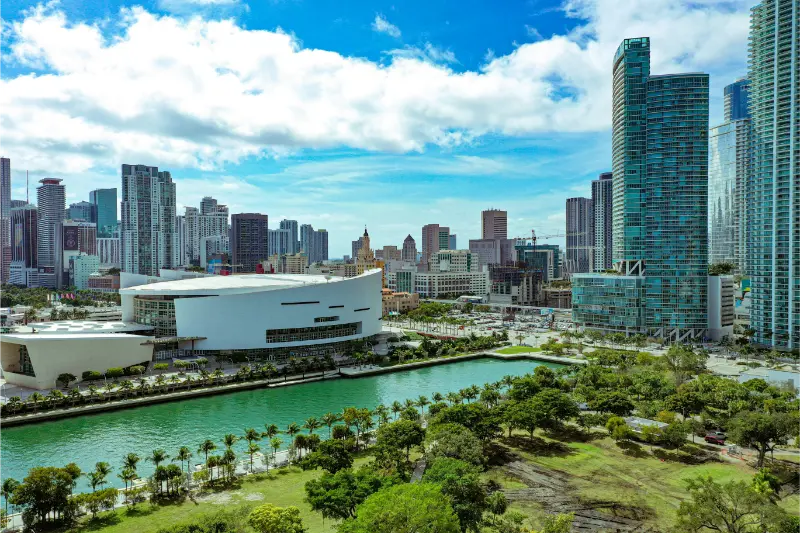
Use Key Biscayne, another beach, a museum or the neighbourhood you skipped. This is the weather/fire backup if the Everglades had to move.
Day 6: Slow morning and departure
Keep the final hours close to your airport route rather than adding a last long drive.
Where to stay and how many hotel changes to make
South Beach is best for beach-first travellers; Downtown/Brickell is stronger for transit and central urban access; Coconut Grove offers a quieter feel.
Choose location by the evenings you want, because crossing Miami at dinner time can take longer than expected.
Where you sleep should reduce friction rather than create another transfer. A well-connected room often adds more value than a cheaper property that forces repeated taxis, parking or long luggage walks.
Read recent guest reviews for practical details that promotional photos rarely show: stairs, lift size, road noise, parking, breakfast hours and the final walk from a station, ferry or car park.
Transport: what is worth planning in advance
Do not rent a car for the whole stay unless your hotel includes practical parking and you expect suburban travel every day.
For the Everglades, a one-day rental or quality small-group tour can be far more efficient.
Measure every move door to door rather than by the headline timetable. Checkout, waiting, luggage and the final transfer can turn a short journey into half a day.
Use inflexible tickets only when the saving is meaningful and the day is genuinely fixed. Weather-sensitive coast, mountain and marine plans benefit from flexibility.
Food and daily rhythm
Miami’s Cuban, Caribbean, Latin American and seafood scenes are central to the trip.
Avoid scheduling every meal in South Beach; neighbourhood food is one of the strongest reasons to leave the barrier island.
Use meals to control the rhythm of the day. A long regional lunch can be an experience and a recovery period after hiking, museums, heat or an early start.
Do not make every meal another attraction. Mix destination restaurants with markets, bakeries, cafés and simple local places so food improves the trip instead of controlling it.
Families, children and older travellers
Beach time, wildlife and colourful neighbourhoods work well for families when heat is managed.
Older travellers should consider the exposed heat at Shark Valley and use tram/bike/walking options that match mobility and conditions.
For multigenerational travel, the useful pace is the one at which the least mobile member still enjoys the day. That normally produces a better shared trip for everyone.
When accessibility matters, ask specific questions about steps, trail surfaces, boat boarding, lifts and vehicle access rather than relying on a generic accessibility label.
Budget: where the money really goes
Miami parking and resort fees can materially change hotel value. Compare total nightly cost, not just room rate.
Using a car only for one or two days can reduce parking and rental expense significantly.
Compare total trip cost rather than headline prices. Parking, transfers, luggage and tours can erase an apparent saving.
The most useful splurges usually remove friction: a central room, a direct transfer, a quality guide or one extra night that prevents an exhausting move.
Best time to go
Winter and early spring are popular for lower humidity, while summer brings intense heat, storms and higher mosquito activity.
Everglades water levels, wildlife distribution and fire conditions change seasonally, so the park experience is not identical year-round.
Shoulder season often balances weather, demand and prices well, but ferries, rural attractions and mountain services may run less frequently.
Heat, rain, wind and daylight should change the order of the day. Keep lower-effort alternatives for conditions that do not suit the original plan.
Comfort, accessibility and realistic pacing
The Everglades day is surrounded by flexible Miami days so access changes do not break the itinerary.
One hotel keeps the trip easy even if you switch urban neighbourhoods by rideshare/transit.
Travel fatigue compounds. One difficult transfer can reduce the quality of the following two days, which is why this itinerary avoids one-night bases unless geography genuinely requires them.
A free half-day is not wasted time. It is insurance for weather, transport disruption, a tired child or a place you discover only after arriving.
Small decisions that improve the trip
Keep one Miami base
There is no reason to move hotels for the Everglades.
Rent a car only when useful
Parking should not become a daily attraction.
Check NPS status close to travel
The August 2026 fire closures are a reminder that conditions can change.
Give Little Havana real time
It deserves food, history and context.
What I would leave out on this length of trip
Leave the Florida Keys, Naples and Orlando for separate trips.
Skip treating the Everglades as a photo stop on the way somewhere else.
Mistakes that make this trip harder than it needs to be
- Staying far from the neighbourhoods you actually want.
- Renting a car for every city day.
- Visiting the Everglades at peak heat with no water/sun plan.
- Ignoring NPS fire/road conditions.
- Eating only in tourist strips.
- Driving to the Keys before a flight.
How I would adapt the itinerary
With four days, use three Miami days plus one Everglades day.
With eight days, add the Upper Keys or Biscayne National Park with proper time rather than more city cramming.
Before booking
- Check Everglades current conditions.
- Compare hotel resort/parking fees.
- Plan sun/heat protection.
- Choose Everglades transport before arrival.
- Keep departure day geographically simple.
Practical questions
Do I need a car in Miami?
Not for every day. Transit, rideshare and walking can cover much of a first city stay.
Is Shark Valley open?
NPS reported it reopened August 24, 2026 after wildfire closure; always verify current conditions before travel.
Can I add the Keys?
Not without making six days much more rushed.
Final thoughts
Miami and the Everglades work best as two complementary experiences rather than one giant driving itinerary.
One hotel, several distinct Miami neighbourhood days and one serious national-park day produce a much stronger six-day trip.
How to keep the itinerary resilient
Keep the Everglades day movable around fire, storm and heat conditions.
Use Day 5 as the backup so a closure never forces you to lose the park entirely.
Who this route suits best
This itinerary works best for travellers who value depth over collecting places. It keeps hotel changes low, protects flexible time and assumes that a good meal, an unexpectedly interesting neighbourhood or a slower morning can be as valuable as another attraction. That approach is particularly useful for first-time visitors, couples, families and multigenerational groups.
More energetic travellers can add a longer hike, an extra museum or a second excursion on flexible days. Travellers who prefer an easier pace can remove those extras and still keep the core journey intact. Before booking, identify the two or three experiences that would genuinely disappoint you to miss; those are the ones to reserve first.