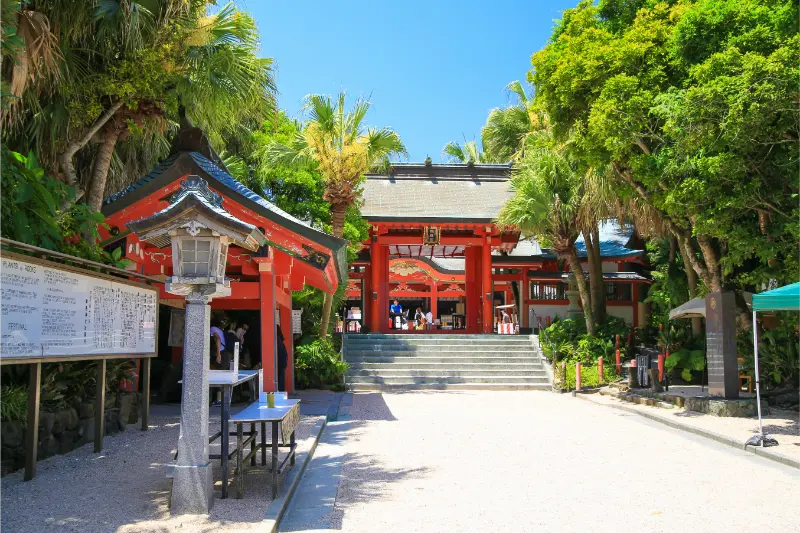
Miyazaki City sits on Japan’s southern island of Kyushu, where a subtropical-looking coast, seaside shrines and a laid-back urban center make a refreshing contrast to Japan’s largest cities. It is not a destination where every attraction is connected by a frequent subway. The best approach is to choose a city base, visit Aoshima with care, and reserve additional time for coastal viewpoints or inland excursions that require more transport planning. Three days can feel generous if you combine culture, food and sea air; two days still work well if you focus on the city and Aoshima instead of trying to reach every famous point on the prefectural map.
Miyazaki City or Miyazaki Prefecture: an important distinction
Before booking, check whether an attraction is in the city or elsewhere in the prefecture. Photos of Takachiho Gorge, Cape Toi and other extraordinary landscapes are frequently associated with ‘Miyazaki,’ but distances are substantial and public transport can be limited. Staying in Miyazaki City does not make every prefectural attraction a short taxi ride away. Aoshima, by contrast, lies in the wider city area and is a realistic excursion by train or bus when schedules align. This distinction can save money and prevent an itinerary dominated by driving rather than sightseeing.
The city itself has restaurants, shops, transit connections and a calmer pace than major Japanese hubs. Staying close to Miyazaki Station is practical if you plan to use public transport. If your priority is mornings by the ocean, consider an Aoshima-area stay and accept that evening restaurants and onward trips will work differently. Decide what kind of trip you want before choosing a hotel: a rail-based cultural break, a surfing holiday and a driving itinerary through southern Kyushu require different bases.
Aoshima Island, the shrine and the Devil’s Washboard
Aoshima is the clearest reason many visitors fall in love with the Miyazaki coast. A short walkway connects the mainland to a small island surrounded by unusual wave-shaped rock formations popularly called the Devil’s Washboard. The official city guide identifies the rocks as a protected natural feature, and the island is home to Aoshima Shrine. Walk across with enough time to notice the shoreline rather than heading straight for the shrine gates. The formations change appearance with tides and light; stay within safe areas and avoid slippery rock edges or water conditions you cannot assess.
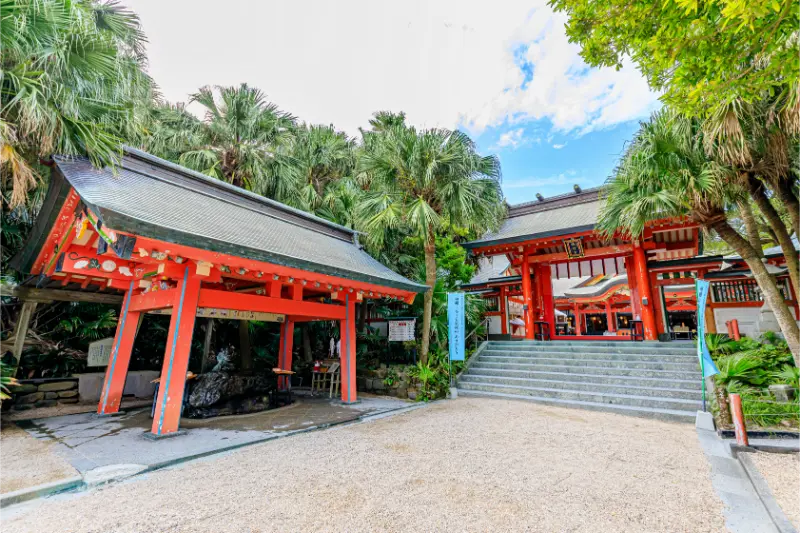
Aoshima Shrine is a working religious place, not simply a photo backdrop. Visitors can observe its architecture and setting while respecting prayer and ritual areas. There are traditional practices associated with wishes and relationships, but participation is optional. The palm-rich vegetation around the island gives the visit a distinctive character. If traveling with young children, hold hands near the water and plan a snack break afterward. The island is small, yet heat and humidity can make a slow walk tiring. Comfortable footwear is important, as is sunscreen even when clouds make the day seem mild.
Spending time on Aoshima Beach
The mainland around Aoshima offers beaches, casual food stops and a different pace from the shrine. Surfing is a recognized part of the area, and lessons or rentals may be available, but ocean conditions and beach safety rules should decide whether you enter the water. Never assume a beach is supervised because it appears in travel photographs. Check flags, weather, local advice and swimming areas, especially after storms or during strong swell. Families may find the shore enjoyable simply for a walk and a relaxed meal, with no need to schedule watersports.
| Experience | Good for | Plan ahead |
|---|---|---|
| Aoshima | Coast and shrine | Tides, sun and return train |
| Miyazaki Jingu | Cultural visit | Respect worshippers |
| Heiwadai Park | Park and history | Read memorial context |
| Nichinan coast | Scenic drive | Check road and stairs |
For a half-day excursion, visit the island first while energy is high, then stay on the mainland for lunch and beach time. Public transport back to the city should be checked before you settle in for the afternoon; infrequent services can turn an easy visit into an expensive taxi journey. A small daypack with water, sun protection, a towel and dry clothing is sufficient for most visitors. If someone in your group uses a wheelchair or mobility aid, confirm walkway surfaces and the shrine’s specific access restrictions with local tourism staff rather than assuming the whole route is step-free.
Miyazaki Shrine and the city’s quieter cultural side
Miyazaki Jingu is an important Shinto shrine set among trees, offering a very different atmosphere from the seaside shrine at Aoshima. Its significance is tied to traditions surrounding Japan’s imperial origins. Visit respectfully, watch for ceremony signs and remember that photographing worshippers is intrusive without permission. For visitors interested in Japanese religious practices, this is an opportunity to observe an active place of worship with a quieter rhythm than many famous urban shrines. Keep an eye on transport connections so the visit is not rushed by an awkward return route.
Heiwadai Park is another option for people who enjoy landscaped spaces and history, though the monument and the park’s wartime associations deserve careful interpretation. The site is not merely a scenic overlook. Read historical background, including the meaning of memorials, rather than treating every monument as a neutral symbol. Families who prefer open-air time can appreciate the park without completing a long circuit. A combination of one shrine, a park and a good lunch can fill an enjoyable city day. It is not necessary to chase several distant temples to gain an impression of local culture.
Nichinan Coast: Udo Shrine and Obi as longer excursions
South of Miyazaki, the Nichinan coast has dramatic shorelines, scenic roads and culturally important sites such as Udo Shrine. Its setting within a coastal cave is striking, but the approach includes steps and uneven routes. This makes it a poor spontaneous addition for travelers who cannot manage stairs. Check current access, transport and weather before leaving the city. Coastal winds and rain can change the comfort of a visit, and a driving day should have a clear endpoint rather than a series of vague stops along the highway.
Obi, a historic castle town farther south, suits visitors interested in traditional townscapes and local heritage. Combining Obi and Udo Shrine on one day may be possible with carefully planned driving, but public-transport visitors should verify individual connections and choose fewer stops if necessary. Families and older travelers might prefer just one of these destinations with a relaxed lunch. If you lack a car, research an organized excursion or build an overnight stay into the region rather than forcing multiple low-frequency bus transfers into a narrow schedule. The most enjoyable coastal day leaves enough time to stop safely for the views.
A well-paced three-day Miyazaki plan
On day one, settle near the station, eat lunch in the city and visit one cultural site such as Miyazaki Jingu or Heiwadai Park. Keep the evening open for local restaurants rather than embarking on a distant excursion after travel. Day two belongs to Aoshima: take public transport to the island, visit the shrine, walk the coast and have a long seafood or local specialty lunch. If beach conditions are favorable and appropriate for your group, add supervised swimming or a surf lesson. Return before the last convenient connection rather than relying on an uncertain late service.
Day three offers a choice. Travelers with a car and good mobility might drive a section of the Nichinan coast, keeping the number of stops reasonable. Without a car, take a simpler city day, visit shops or a museum, and spend time in cafés. Travelers especially interested in Takachiho should consider a separate overnight plan rather than trying to insert it between Aoshima and an evening flight. If you have only two days, drop the third-day drive and focus on getting to know the city and coast well. This is one place where doing less can produce a fuller experience.
How to reach Miyazaki and travel locally
Miyazaki has an airport with domestic connections, and rail travel links it to parts of Kyushu, although routes may take longer than a glance at a national map suggests. From elsewhere in Japan, compare a flight with the full rail journey, including transfer time and luggage needs. Within the city, trains and buses can reach some major sights, but frequency and operating hours vary. Save the address of your accommodation in Japanese and check the final evening connection before dining far from your hotel.
For Aoshima, the official guide notes that the island is within walking distance of Aoshima Station. A short station-to-island walk is useful, but travelers with reduced mobility should still verify the exact walking surface and route. A rental car is valuable for the Nichinan coast or multiple rural stops, not essential for everyone staying in the city. Driving in Japan requires valid documentation and adherence to local rules. Check parking restrictions and avoid using a vehicle when tired after a long flight. For solo travelers, a simple rail-based itinerary is often both economical and relaxing.
Where to sleep: station convenience or seaside calm?
Staying near Miyazaki Station makes sense when arriving by rail, traveling without a car or planning dinners in the urban area. You will have easier access to shops, restaurants and transport information. Check how far the hotel actually is from your departure platform, and whether late check-in is permitted. Japanese rooms can be smaller than international visitors expect; look at floor area and bed configuration rather than judging only by photographs. Families may need two connected rooms or a larger apartment, while travelers with mobility needs should verify bathroom dimensions and step-free access.
Aoshima offers a different experience, with coastal mornings and the possibility of beach-focused accommodation. It is attractive for surfers and visitors who want sea air, but services and transport may be less frequent outside busy periods. If staying here without a car, choose a property near practical food options and check your travel connections. For a three-day first visit, changing hotels halfway may be more trouble than it is worth. Select one base and make day trips. A hotel with flexible cancellation can be particularly valuable during periods when storms or heavy rain might disrupt coastal plans.
Food: chicken nanban, local produce and easy meals
Miyazaki is known for regional cuisine including chicken nanban, a fried chicken dish served with a sweet-sour sauce and often tartar sauce. It is a satisfying introduction to local flavors, though the usual preparation may not suit people avoiding eggs, gluten or meat. Charcoal-grilled chicken and regional fruit also appear widely in the area’s food culture. Look for ordinary restaurants frequented by local residents, but choose places where menus and dietary information are understandable to you. Translation apps help; they cannot guarantee that ingredients or allergens are accurately communicated.
Breakfast near a station can be simple and inexpensive, with cafés, bakeries or convenience stores providing flexible options before an early train. Near the coast, allow enough time for a sit-down lunch rather than rushing between the beach and a distant bus stop. Travelers with children should carry snacks, particularly on longer drives. If you want to try several Miyazaki specialties, share smaller dishes where practical and avoid arranging a formal restaurant meal every evening. Good local food is part of the trip, not a contest to complete a checklist.
When to visit and what weather changes
Miyazaki’s coastal climate can be warm and humid, while the rainy season and typhoon activity affect some periods. Spring and autumn can offer comfortable sightseeing, but no month guarantees beach conditions or uninterrupted travel. Summer may appeal to water-sports enthusiasts, yet heat, strong sun and storms can complicate family trips. Use official forecasts and advisories for the specific dates and the specific part of the prefecture you plan to visit. The coast may feel windy while inland areas are hot and still.
Pack breathable clothing, a rain layer, sun protection and shoes suited to shrine approaches as well as city pavements. Carry a small towel in humid weather and a refillable bottle on long outings. Aoshima rock surfaces can be slick even on bright days, so choose sensible footwear rather than smooth-soled sandals for every activity. If a typhoon threatens, avoid coastal sightseeing and prioritize safety over a prepaid excursion. Check train and flight disruption notices, and keep accommodation details available offline. Flexibility is particularly valuable in a destination where much of the enjoyment comes from being outdoors.
Families, older travelers and accessibility choices
Miyazaki can suit mixed-age groups if the plan stays geographically modest. Young children often enjoy the beach and the short adventure of crossing to Aoshima; teens may prefer surf lessons or a scenic drive. Older visitors can appreciate shrine grounds, gardens and regional food without a difficult hike. The main limitation is uneven terrain and long transfer distances on rural outings. Udo Shrine, for example, is not an ideal accessible substitute for Aoshima because its approach is more demanding.
Ask individual attractions for step-free information and accessible facilities, including whether the main route, bathrooms and parking are suitable. A hotel advertising an elevator does not automatically provide a fully accessible bathroom. For neurodivergent travelers or anyone sensitive to crowds, plan beach visits outside peak periods and leave a quiet afternoon between busier outings. Some famous landscapes are best admired through photographs if reaching them would exhaust the group. A Miyazaki visit is successful when people can enjoy the city and ocean at their own pace rather than proving how far they can travel each day.
Budgeting without underestimating distances
Costs depend heavily on whether you need a car. For an urban stay, budget accommodation, regional trains or buses, meals, small shrine contributions and perhaps one organized activity. A driving itinerary adds rental fees, insurance, parking and fuel, while a remote excursion may require more time than the activity itself. Estimate travel by the actual road or transit schedule rather than straight-line distance. Booking a coastal hotel at a low rate is less attractive if you then spend heavily on taxis every evening.
Confirm ticket prices and opening hours from official sources shortly before travel, especially for seasonal activities. Consider travel insurance that suits your planned watersports and verify what is excluded. Leave a small reserve for weather-related plan changes. Travelers who spend a whole day around Aoshima and another in the city can often enjoy a memorable trip with fewer admissions than visitors chasing distant attractions. Miyazaki’s charm is in the contrast between its everyday neighborhoods and the open Pacific coast, which needs time more than money.
More ideas for a Kyushu journey
- Oita City, Japan: Art Museums, Coastal Wildlife and a Comfortable Kyushu Base
- Kumamoto in 4 Days: Castle, Suizenji and Local Food Without Rushing Through Kyushu
- Fukuoka in 4 Days: Hakata, Yatai and Waterfront Without Rushing Through Kyushu
Useful official information and map
- Miyazaki City official travel guide
- Aoshima official visitor information
- Open a map of Miyazaki City Japan
Frequently asked questions
Is Aoshima close to Miyazaki City?
Aoshima is part of the wider city area, with rail or bus access and a short approach from Aoshima Station.
Do you need a car in Miyazaki?
Not for a modest city-and-Aoshima itinerary. A car becomes more useful for multiple remote coastal or rural destinations.
Can Miyazaki be visited in the rainy season?
Yes, with flexible plans. Monitor official weather alerts and avoid coastal activities in dangerous conditions.