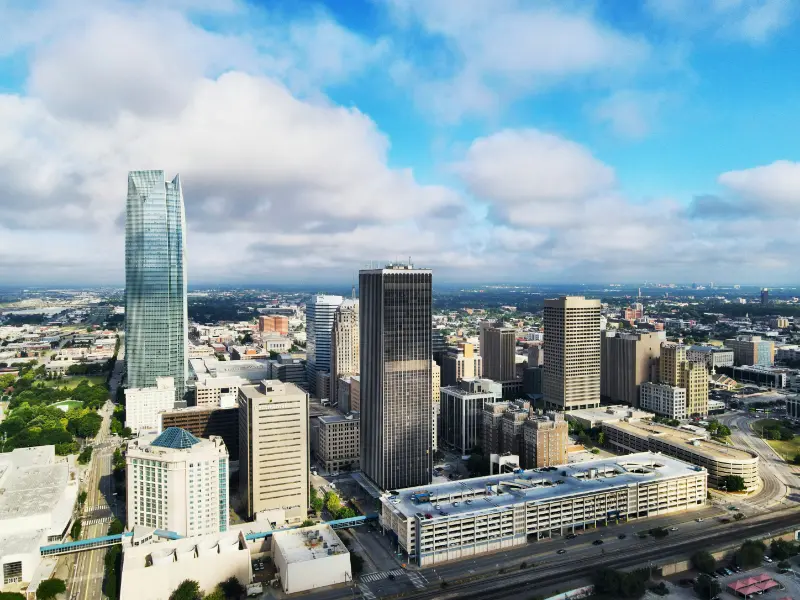
Oklahoma is one of the best places to experience Route 66 in its centennial year because the highway crosses the state through cities, small towns, museums and surviving roadside architecture. But a good 2026 trip should still be more than a sequence of neon signs.
This eight-day route uses Oklahoma City and Tulsa as the two main bases, with selected Route 66 segments and one nature/cultural day. It avoids changing hotels every night along the old road.
The official Oklahoma Route 66 Centennial information confirms that 2026 marks the highway’s 100th anniversary and that the state commission has coordinated programmes and special events. Check event dates before locking hotel locations.
Quick trip summary
- 3 nights Oklahoma City, 3 nights Tulsa, one flexible Route 66/nature day, Day 8 departure.
- Use two main hotels rather than a motel every night.
- Check 2026 Centennial events before booking weekends.
- Choose a handful of roadside icons and museums, not every marker.
- Give Native American and Black history real time alongside Route 66.
Why this route works
Oklahoma City provides the strongest state-history, memorial and food introduction.
Tulsa adds Art Deco architecture, Black Wall Street history and a different Route 66 city experience.
Using two urban bases lets you explore old-road sections in daylight and still have reliable food and accommodation each night.
A realistic itinerary at a glance
| Days | Base | Main focus |
|---|---|---|
| 1–3 | Oklahoma City | History, museums and western Route 66 |
| 4–6 | Tulsa | Art Deco, Greenwood and eastern Route 66 |
| 7 | Flexible | Selected small towns or nature |
| 8 | Departure | Tulsa/OKC onward |
Day-by-day plan
Day 1: Oklahoma City arrival
Stay near Downtown, Bricktown, Midtown or another convenient district and keep the first evening local.
Day 2: Oklahoma City history
Use the National Memorial, First Americans Museum or another major institution, then balance the day with neighbourhood food and river/park space.
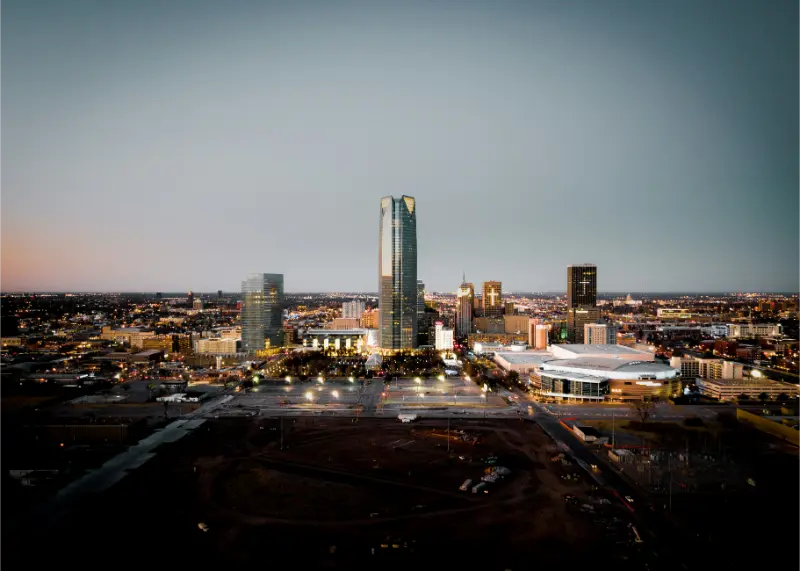
Day 3: Western Route 66
Drive a selected segment toward El Reno/Clinton or another priority direction, choosing one museum and several roadside stops rather than attempting the entire western state.
Day 4: Oklahoma City to Tulsa
Follow a meaningful Route 66 section through towns such as Arcadia or Chandler, arriving in Tulsa before dinner. The road itself is the day.
Day 5: Tulsa city
Use downtown Art Deco, Greenwood/Black Wall Street history, museums and the river/park system. Do not reduce Tulsa to another roadside stop.
Day 6: Eastern Route 66
Choose a focused eastern segment, roadside architecture and one museum or small town, returning to Tulsa rather than moving hotels.
Day 7: Flexible Oklahoma
Use a Centennial event, Pawhuska/Tallgrass direction, another cultural site or a nature day according to interests and weather.
Day 8: Departure
Use the airport that best matches the open-jaw route rather than backtracking just to return the car.
Where to stay and how many hotel changes to make
Central Oklahoma City and Tulsa both reduce evening driving. During centennial weekends, location can matter more than saving on a distant highway motel.
If a major Route 66 festival falls in a small town you genuinely want to attend, one special overnight can be worthwhile, but it should replace rather than add to the plan.
Choose accommodation for geography before decoration. A well-positioned room can save an hour every day and often matters more than a small difference in nightly rate.
Read recent guest reviews for practical details that hotel pages rarely emphasise: stairs, parking, road noise, breakfast hours, room temperature and the real walk from a station, ferry terminal or car park.
Transport: what is worth planning in advance
A rental car is essential for the Route 66 sections, but the old road should not be driven after dark simply to cover mileage.
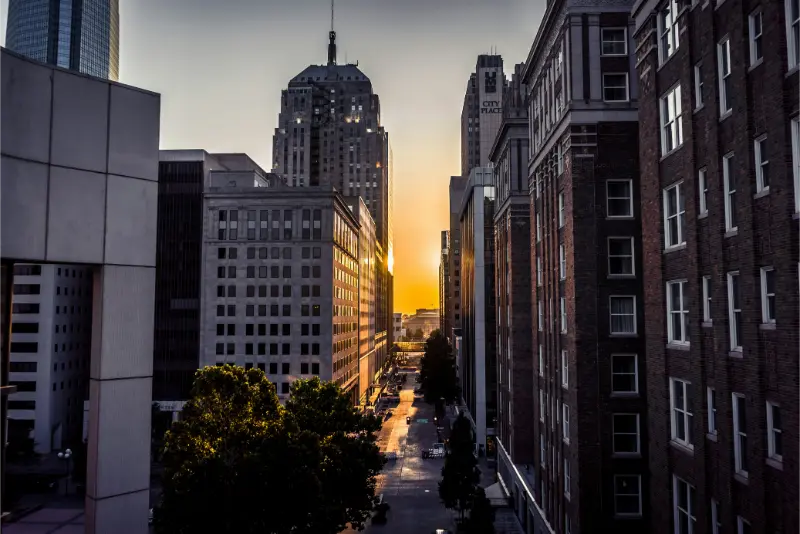
Use current mapping resources because historic alignments can differ from modern highways and some roadside sites have limited opening days.
Measure every move door to door rather than by the headline journey time. Luggage, road conditions, parking, waiting and the final connection can turn a short move into half a day.
Save important tickets, addresses and maps offline. The places where navigation matters most are often exactly where mobile coverage becomes unreliable.
Food and daily rhythm
Oklahoma’s food story includes barbecue, onion burgers, Native food traditions, Vietnamese communities and modern city dining.
Do not make every Route 66 stop a diner just because it looks nostalgic; choose quality over theme.
Use meals to shape the rhythm of the day. A long regional lunch can be both an experience and a recovery period after hiking, museums, heat or an early start.
Do not make every meal another reservation. Mix destination restaurants with markets, bakeries, cafés and simple local places so food improves the trip instead of controlling it.
Families, children and older travellers
Roadside icons, science/western museums and city parks work well for families.
Older travellers benefit from the two-base structure because it avoids nightly motel changes and long late drives.
For multigenerational travel, the right pace is the one at which the least mobile member still enjoys the day. That usually creates a better shared trip for everyone.
When accessibility matters, ask precise questions about steps, path surfaces, boat boarding, lifts, toilets and vehicle access rather than relying on a generic accessibility label.
Budget: where the money really goes
Centennial events can raise hotel rates, especially on weekends. Book known event dates early.
Roadside sightseeing itself can be inexpensive, while museums and fuel are the main daily variables.
Compare total trip cost rather than headline prices. Parking, transfers, fuel, luggage and guided excursions can erase an apparent saving.
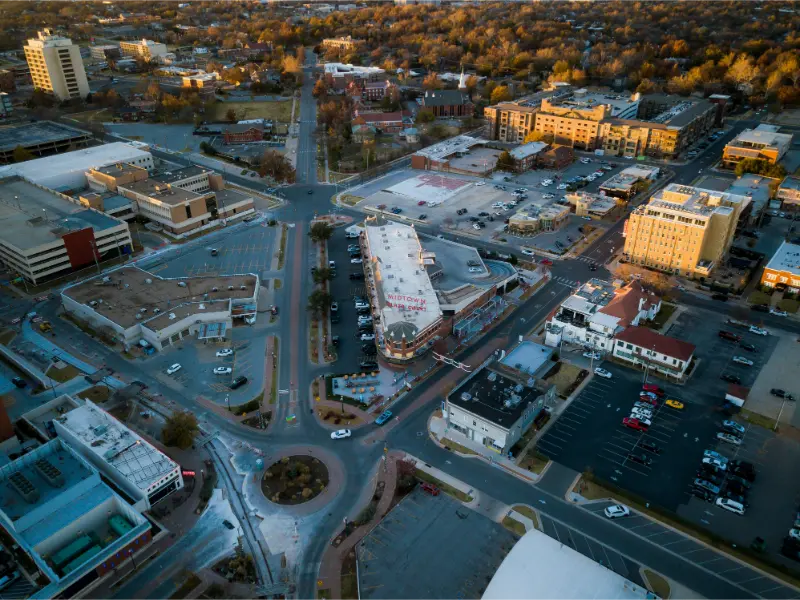
The best splurges usually remove friction: a central room, a direct transfer, a quality local guide or one extra night that prevents an exhausting move.
Best time to go
Spring and autumn are comfortable but severe weather is possible; summer can be very hot.
2026 event calendars matter more than usual, so season choice should include the Centennial schedule.
Shoulder season often balances weather, crowds and prices well, but rural attractions and mountain or marine services may run less frequently.
Weather should change the order of the day. Keep lower-effort alternatives so wind, rain, heat or snow do not force you to waste the trip.
Comfort, accessibility and realistic pacing
Two main hotels make a road-trip theme feel like a holiday rather than a packing exercise.
The final flexible day absorbs event changes or weather.
Travel fatigue compounds. One difficult transfer can weaken the following two days, which is why this itinerary avoids one-night bases unless geography genuinely requires them.
A free half-day is not wasted time. It is insurance for weather, delays, a tired child or a place you discover only after arriving.
Small decisions that improve the trip
Treat 2026 as context
The centennial should enhance the trip, not force attendance at every event.
Use two cities as anchors
OKC and Tulsa are destinations in their own right.
Choose roadside stops selectively
A dozen memorable places beat fifty rushed ones.
Use open-jaw flights if practical
Avoid unnecessary backtracking.
What I would leave out on this length of trip
Leave the Panhandle and far southeast for another Oklahoma itinerary.
Skip driving the entire state border-to-border on Route 66 in one day.
Mistakes that make this trip harder than it needs to be
- Booking hotels before checking centennial events.
- Treating Tulsa as a one-hour stop.
- Driving historic alignments after dark.
- Ignoring Native and Black history.
- Collecting roadside attractions without downtime.
- Backtracking across the state for the flight.
How I would adapt the itinerary
With five days, use Oklahoma City and Tulsa with one Route 66 transfer day.
With ten days, add more small-town Route 66 nights or Tallgrass Prairie with real time.
Before booking
- Check the 2026 centennial calendar.
- Reserve major event weekends early.
- Download offline route maps.
- Plan severe-weather alternatives.
- Compare one-way rental/airport options.
Practical questions
Why visit Oklahoma in 2026?
Route 66 turns 100, and Oklahoma has organised centennial programmes and events.
Do I need a car?
Yes for the route.
How much of Route 66 should I drive?
Selected sections between the two city bases are enough for an eight-day first trip.
Final thoughts
Oklahoma’s 2026 Route 66 story is strongest when it is connected to the cities, communities and history that the highway actually passes through.
Oklahoma City, Tulsa and selected old-road segments create an eight-day centennial trip with far more depth than a motel-by-motel dash.
How to keep the itinerary resilient
Keep Day 7 open for weather or a centennial event discovered later.
If storms threaten a road day, switch to museums and city history rather than forcing long exposed drives.
Who this route suits best
This itinerary works best for travellers who value depth over collecting places. It keeps hotel changes low, protects flexible time and assumes that a good meal, a slower morning or an unexpectedly interesting local stop can be as valuable as another famous attraction. That approach works especially well for first-time visitors, couples, families and multigenerational groups.
More energetic travellers can add a longer hike, another museum or a second excursion on flexible days. Travellers who prefer an easier pace can remove those extras and still keep the core journey intact. Before booking, identify the two or three experiences that would genuinely disappoint you to miss; those are the ones to reserve first.