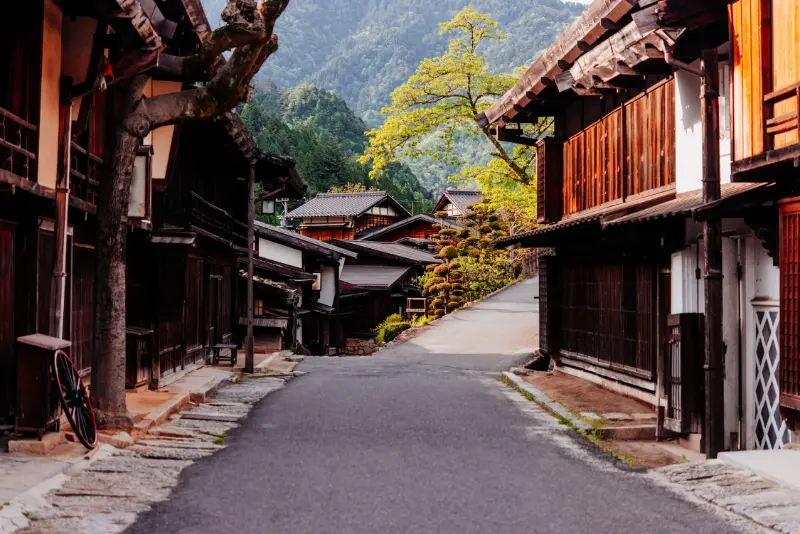
Slow travel begins with a small but powerful choice: spend less time moving between places and more time actually being somewhere. Instead of trying to visit five cities in a week, you might choose one neighborhood, take the same morning walk, learn how the local market works and notice changes in daily life. There is no fixed number of nights that makes a trip “slow.” What matters is the relationship between travel time, attention and experience.
At a glance
A grounded guide to slow travel: choosing a base, building local routines, budgeting longer stays and traveling with more attention.
| Decision | What matters |
|---|---|
| Stay | Fewer bases and useful neighborhood services |
| Explore | Local rituals and unhurried day trips |
| Check | Total costs and legal stay limits |
This approach can work for solo travelers, couples, families, remote workers and older adults, but their needs differ. Slow travel is not a luxury reserved for people with months off work. A four-day city break with one hotel and fewer scheduled attractions can be more restorative than an exhausting two-week checklist across several countries. The idea is to make deliberate choices rather than simply travel at a lower speed.
Understand the difference between slow and inactive travel
A slow trip can be full of experiences: local cooking classes, neighborhood walks, public markets, museums, train excursions or conversations with people you meet. The difference is that you create enough time for each experience to unfold. You are not running from one photographed landmark to the next because the schedule says you must.
Consider a familiar example. In seven days, you might visit three major cities, changing hotels twice, or spend the entire week in one city and explore surrounding districts. The first version offers geographic variety; the second offers repetition and depth. Neither is morally superior, but the second can reduce transfers, packing and decision fatigue.
Write down what you hope to remember after the holiday. If the answer involves understanding local food, architecture or landscape, longer stays can help. Our itinerary planning method offers a useful starting point for removing excessive daily commitments.
Select a base that supports everyday life
A beautiful rental is not necessarily a good long-stay base. Look for groceries, pharmacies, cafés, public transport and comfortable walking routes within realistic reach. If you intend to work or study, reliable connectivity and a quiet workspace become essential. If traveling with children, nearby play areas and easy returns for rest may matter more than a dramatic view.
Research the atmosphere of different neighborhoods, not only average hotel ratings. Staying in a residential district can be rewarding when it has straightforward transport and respectful visitor accommodation, but a remote base may create repeated taxi costs. You want the freedom to take a spontaneous evening walk or buy breakfast without planning an expedition.
Ask practical questions about kitchens, laundry, heating or cooling, stair access and local waste disposal. Our accommodation comparison guide helps weigh serviced apartments, hotels and rentals without assuming one format always wins.
Stay long enough to build small rituals
Meaningful travel often lives in ordinary moments. Find a bakery you like and return twice. Visit a museum in the afternoon when you are not racing to catch a train. Walk a different street each morning and notice the architecture, shopfronts and how residents use public spaces. These experiences can be inexpensive, accessible and memorable.
Create a flexible weekly rhythm: one major excursion, one cultural visit, one nature experience, one dedicated rest period and plenty of open time. This is not a strict formula. It is a way of avoiding the trap where every free hour becomes an obligation. Local activities sometimes depend on markets, festivals or opening days, so consult current official information before making a fixed plan.
Returning to the same places does not mean you have run out of ideas. Familiarity changes what you notice. The first day you see a street; by the fifth, you may recognize its sounds, people and routines.
Use public transport to explore beyond the obvious landmarks
One base can support several manageable outings by train, bus, ferry or walking. Study a transport map and choose places that are straightforward to reach and return from. A nearby market town or nature reserve may reveal a different side of the region without requiring a new hotel.
Check service frequency, weekend schedules, seasonal transport and the last return option. Travel time measured in a mapping app is not the same as door-to-door time with station access and waiting. When an excursion requires three connections and an early start, ask whether it truly adds enough to justify the effort.
Our car-free travel guide explains how to plan journeys around real timetables and resilient connections. One pleasurable rail day can feel more like a holiday than a rental-car itinerary with constant parking decisions.
Compare the full cost of a longer stay
A longer stay may reduce transport between destinations and sometimes unlock accommodation discounts, but it also creates everyday spending on groceries, laundry, local services and entertainment. Budget for the full period rather than assuming cost per day drops automatically. Taxes, cleaning fees and deposits can change the economics of a rental significantly.
A simple budget might separate accommodation, groceries, meals out, local transport, paid attractions and an emergency reserve. Record both fixed costs and discretionary experiences. The benefit of a longer stay is that you can choose fewer high-priced activities and enjoy more ordinary pleasures, but only if the destination’s cost of living fits your finances.
Do not confuse cheap with responsible. Choose accommodation that operates lawfully and consider its impact on local housing. Our travel budget framework can help compare a seven-night stay in one place with a seven-night multi-city itinerary.
Learn local etiquette before trying to belong
Slow travel should encourage respectful curiosity rather than the feeling that a visitor becomes a local simply by staying longer. Learn greeting conventions, market etiquette, public transport habits, photography norms and waste-disposal rules. Try a few useful words in the local language and accept corrections graciously.
Support independently owned businesses where appropriate, and look for experiences led by qualified local people who are fairly compensated. Respect private neighborhoods and do not treat residents’ doors, homes or religious practices as tourist backdrops. If a community is asking visitors to avoid a fragile site or behave differently, listen.
A thoughtful trip leaves room for people who live there. Your holiday timetable is flexible; residents’ daily needs are not always. Respecting quiet hours and local rules often makes the stay more pleasant for everyone.
Balance exploration with work or family responsibilities
For remote workers, “workation” is not simply a vacation with a laptop. Verify whether the visa or immigration status permits the work you intend to do, and consider tax, employment, data security and insurance implications. Tourist entry does not automatically authorize paid work. Keep work hours realistic so you are not promising both a full working week and a full tourist itinerary.
For families, slow travel can reduce packing and help children settle into a familiar routine. Plan a few predictable anchors such as breakfast, play time and bedtime, then leave room for the unexpected. Older adults may appreciate fewer transfers, but avoid stereotypes: pace should reflect each traveler’s preference and circumstances.
The practical question is: what would a good ordinary Tuesday look like here? If the answer includes reliable internet, a safe walk, a good meal and time to rest, the base is doing its job.
Check legal stay limits and local obligations
A longer trip can cross visa, registration, tax or residence thresholds. Rules depend on nationality, destination, purpose and duration. Do not rely on a casual statement that you can “stay three months anywhere.” Some regions share entry limits across several countries, and a second visit may count toward the same allowance.
Confirm entry and stay conditions with official immigration authorities before booking. For example, the European Commission’s Schengen visa policy guide explains a shared short-stay framework for many non-EU visitors, while national rules may govern longer stays. Long-term accommodation arrangements can involve different tenancy or registration rules from a normal short hotel stay. Some destinations may require local visitor registration or tourist taxes, even when you are staying in one home for weeks.
Keep a record of entry dates and documentation, and check onward tickets or proof-of-funds requirements. A slow trip is more enjoyable when its legal and financial foundations are clear.
Design a ten-day slow travel example
Days one and two: arrive, discover your immediate neighborhood, shop for essentials and sleep well. Days three and four: choose one major cultural experience and one unstructured local day. Day five: take a straightforward excursion outside the city, returning before evening. Day six: rest, do laundry or spend time at a neighborhood park and café.
Days seven and eight: follow an interest that emerged while you were there, perhaps a food workshop, a coastal walk or a smaller museum. Day nine: revisit your favorite area without the pressure to see something new. Day ten: pack calmly and depart without a last-minute race across town.
This rhythm leaves enough freedom for weather changes and personal discoveries. An itinerary that can absorb a rainy day without collapsing is usually a stronger itinerary.
Decide when slow travel is not the right fit
If you have limited time and two destinations are genuinely essential, a well-planned multi-stop trip may be more rewarding than forcing yourself to remain in one place. Similarly, some remote locations simply do not provide enough transport, healthcare access or suitable accommodation for a long stay. Slow travel is a method, not a rule to obey.
The objective is to reduce unnecessary friction. Sometimes that means one hotel; sometimes it means two thoughtfully chosen bases in a large region. Look honestly at the ratio between transport and enjoyable time, and choose the arrangement that lets you experience the place rather than merely pass through it.
Travel is wonderful not because you can count the greatest number of stops, but because you can leave with observations, memories and a genuine sense of where you were.
Frequently asked questions
Do I need a month abroad to practice slow travel?
No. Staying in one base and leaving more free time can make even a short break feel slower and more connected.
Is slow travel always cheaper?
No. Fewer transfers may save money, but longer accommodation, food and local costs can add up. Compare the full budget.
Is a rental apartment better than a hotel?
It depends on location, length of stay, kitchen needs and local rules. Convenience and respectful accommodation choices matter more than labels.
Can I work remotely on a tourist visa?
Not automatically. Immigration, tax and employment rules vary. Confirm authorization for your exact activities and destination.