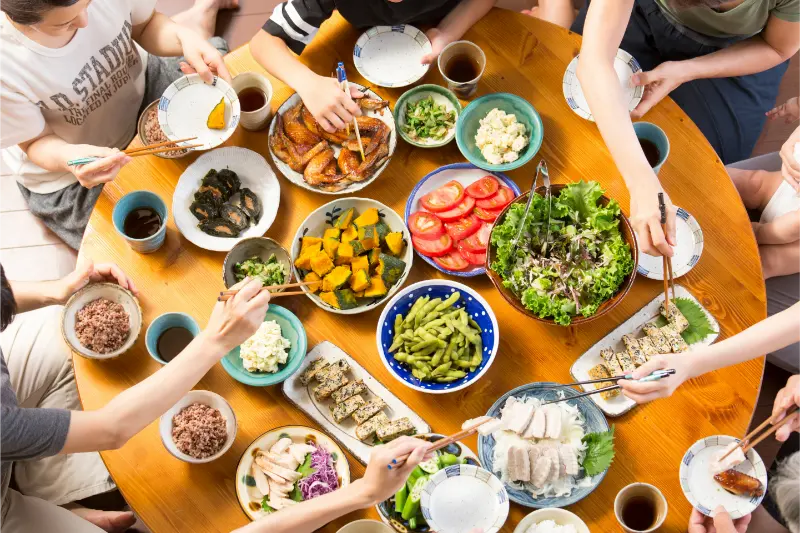
Markets and street-food stalls often reveal more about a destination than a formal restaurant menu. You can watch a cook prepare a regional specialty, hear neighbors discussing what to buy and discover ingredients unfamiliar at home. Yet choosing what to eat while traveling raises genuine questions about hygiene, allergies, water quality and stomach upsets. A rewarding food-focused holiday combines curiosity with sensible precautions. The aim is not to avoid every unfamiliar dish, but to explore with attention to how food is prepared, stored and served.
Start with local curiosity, not a checklist of famous dishes
Before visiting a market, find out what food is seasonal and which specialties people associate with that region. The best discovery may be an ordinary breakfast, a small bakery or a weekday produce stall rather than the snack promoted by every tourism video. Ask a hotel employee or local guide where residents shop, while remembering that recommendations reflect individual tastes. Learn a few food words in the local language and write down any ingredients you cannot eat.
Plan food experiences around the rest of the day. A market that opens before sunrise may be most enjoyable when followed by a slower afternoon. A busy night market can be tiring for young children or anyone sensitive to noise and crowds. Older travelers may appreciate a route with seating and accessible toilets. Your itinerary should include the pleasure of stopping, sitting down and observing, not simply trying to consume as many different items as possible.
Understand the difference between lively and hygienic
A long queue may indicate popularity, but it does not prove that food is safe. Notice whether the vendor handles money and food with clean practices, whether ingredients are protected from insects and heat, and whether cooked food is kept appropriately hot. A clean cooking surface and frequent preparation can be encouraging, but no single visual test guarantees safety. The local reputation of a stall matters, yet foodborne infections can occur in any setting, including expensive restaurants.
The CDC Yellow Book food and water precautions advises particular care where sanitation or food hygiene is inadequate or uncertain. Fully cooked food served hot is generally a safer choice than food held at room temperature. Raw or undercooked animal products, unpasteurized dairy and produce washed in unsafe water can carry greater risks. Apply the guidance to the circumstances without treating every street vendor or culture as inherently unsafe.
Choose foods that are prepared and served thoughtfully
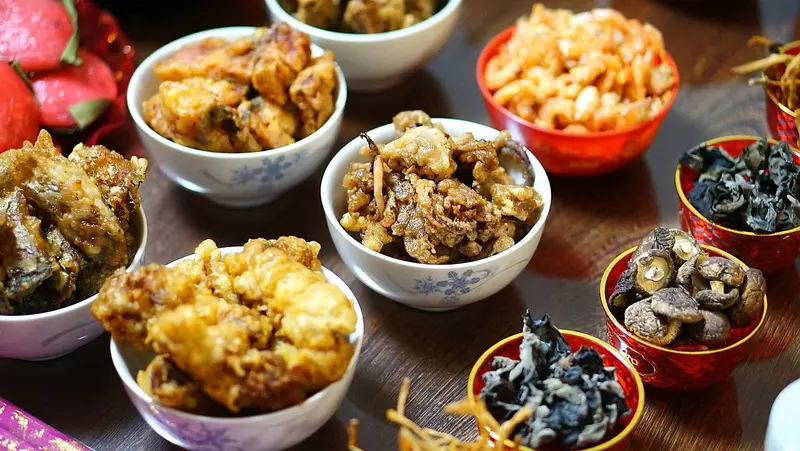
Watching a cook make a dish can help you see the preparation process. Choose fresh servings rather than ingredients that have been sitting unrefrigerated in the heat. In places where hygiene is uncertain, piping-hot cooked foods and fruits you can peel yourself are often practical options. Avoid assuming that sauces, ice, cut fruit or drinks diluted with water are safe just because a main dish was cooked thoroughly. Food left in the sun for hours deserves caution even if it smells normal.
For families, introduce unfamiliar foods gradually. A child’s appetite may disappear in hot weather or when meals are served much later than usual. Bring a familiar snack so hunger does not force a rushed choice. Anyone with a sensitive stomach can start with a simple meal and enjoy the aromas and atmosphere without eating everything. It is perfectly possible to have a meaningful market visit while making a selective, informed food choice.
Pay attention to drinking water and ice
Tap water can be perfectly safe in some cities and unsuitable for drinking in others. Check current, destination-specific public-health information rather than relying on assumptions about a country’s income level or restaurant appearance. Where water is not reliably safe, use appropriately treated water or factory-sealed bottled water for drinking and, when recommended, for brushing teeth and preparing food. Ice may have been made with water of uncertain quality; in some settings it is wiser to skip it.
Remember that boiling addresses many infectious hazards but does not remove chemical contamination. Ordinary travel filters vary in what pathogens they can remove and may not make untreated water safe by themselves. For more precise methods, consult the CDC water disinfection guidance. If a toddler needs formula, be especially attentive to official infant-feeding guidance and the quality of water and preparation equipment. Hydration matters, but choosing unsafe water is not an acceptable shortcut.
Manage food allergies without gambling on translation
A traveler’s allergy can make a seemingly simple snack difficult to judge. Recipes differ among regions and vendors; sauces may contain peanuts, sesame, fish, shellfish, milk, eggs or other allergens that are not visible. Cross-contact can occur when utensils or cooking oil are shared. Carry a clear written translation of your allergens and the seriousness of the reaction, but do not rely on an app or a verbal ‘no problem’ response as proof of safety.
Ask about ingredients and preparation with enough time for the vendor to explain. If communication remains unclear, choose a safer option rather than asking someone to guess. Follow your personal emergency plan, carry prescribed medication including epinephrine where indicated, and know how to contact local emergency services. An allergy-focused traveler may prefer a food tour with advance communication and restaurants able to discuss ingredients, although no tour can promise zero risk. See the guide to traveling with food allergies for more detailed planning.
Explore markets respectfully
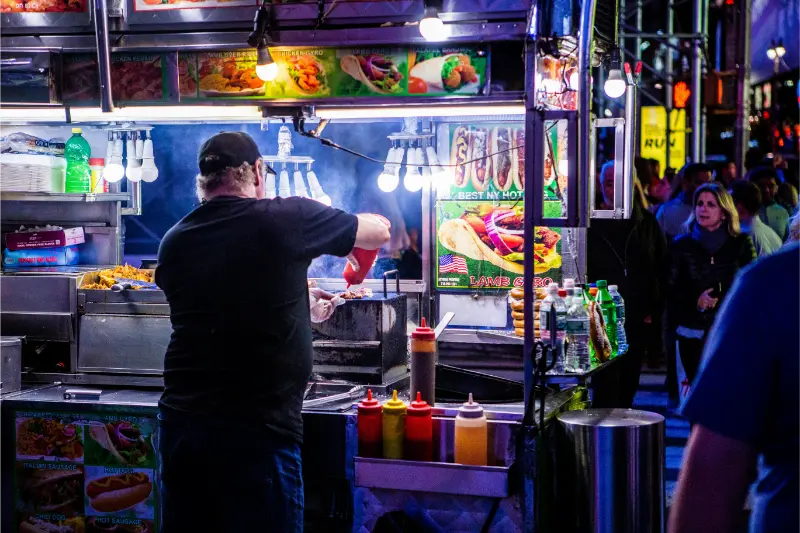
Markets are workplaces before they are tourist attractions. Do not touch produce unnecessarily, block narrow aisles for photographs or ask vendors to pose without permission. Some sellers welcome conversation; others are busy serving residents. Observe local bargaining customs and posted prices. If buying small amounts, be considerate of queues. Learn a simple greeting and thank-you phrase. A respectful conversation about a regional spice or cooking method may become a richer memory than a photograph of a crowded stall.
Avoid posting images of identifiable people, especially children, without permission. Some markets prohibit photography or filming entirely. Pay promptly using the accepted method; small cash may be useful in places where card terminals are rare. Take reusable bags where practical and avoid leaving litter. If sampling unfamiliar produce, ask how it should be washed, peeled or cooked. Buy only what you can reasonably consume, particularly when accommodation has limited refrigeration.
Decide whether a food tour adds value
A knowledgeable local food guide can explain history, ingredients, migration influences and social customs that a quick snack cannot reveal. They may introduce smaller neighborhoods or family-run businesses you would otherwise miss. Before paying, ask how many stops are included, the walking distance, group size, accessibility, duration and food-allergy procedures. Check whether the operator compensates vendors fairly and whether the tasting portions amount to a meal or only a few bites.
A food tour is less appealing if it rushes through markets, treats sellers as props or substitutes bulk souvenirs for useful interpretation. Compare prices against the experiences provided, not only the number of dishes. Families may need a shorter route with toilet stops, while older travelers may appreciate comfortable seating. If you prefer spontaneous exploration, a self-guided morning at two or three markets can be just as rewarding, provided you follow local rules and food-safety precautions.
Build a flexible market day
Start with a morning market when vendors are active and produce is fresh. Walk the surrounding streets, learn what is seasonal and choose one prepared breakfast or snack that suits your needs. Leave time for a museum or shaded break at midday. In the afternoon, visit a bakery or sit-down restaurant where you can learn more about a dish you encountered. An evening night market can be a short optional outing rather than an obligation to stay until closing.
Balance tasting with normal meals and hydration. A food itinerary filled entirely with small snacks can leave someone unsatisfied or unwell. For travelers with children, include familiar food options. For anyone who tires easily, pick a market with nearby transport and seating. Research opening days carefully: some wholesale markets welcome visitors only during limited hours, and religious holidays can change schedules completely.
What to do if stomach symptoms develop
Mild digestive discomfort may resolve with rest and suitable fluids, but foodborne illness can also cause serious dehydration or require medical care. Seek professional advice promptly for severe symptoms, blood in stool, persistent fever, marked dehydration or symptoms in vulnerable travelers, including small children and older adults. Do not assume all diarrhea can be treated with leftover antibiotics or over-the-counter medicines; appropriateness varies and some treatments are unsuitable for certain conditions.
Have travel insurance details and the address of a reliable medical facility available before an emergency. Practice handwashing with soap and safe water, especially before eating and after bathroom use. Alcohol-based sanitizer can help when handwashing is unavailable, but it does not replace it for all pathogens or visibly dirty hands. If someone is ill, do not force a strenuous sightseeing day. The schedule should serve the people traveling, not the other way around.
A practical market-food decision table
| Question | Reassuring sign | Reason to pause |
|---|---|---|
| Cooking | Food freshly cooked and served hot | Cooked food standing for a long time |
| Water | Confirmed safe source | Uncertain ice or water supply |
| Ingredients | Clear explanation possible | Allergy answers vague or inconsistent |
| Storage | Appropriate hot or cold holding | Perishables left warm outdoors |
| Atmosphere | Room to eat and wash hands | Crowding prevents basic hygiene |
Keep the experience affordable and meaningful
A busy market offers many ways to spend money quickly. Decide on a small tasting budget, compare portion sizes and leave space for one meal worth sitting down for. You do not need to buy every famous snack to understand a city. Visit markets as part of a broader itinerary that includes neighborhood life, public spaces and historical places. Supporting local sellers matters, but so does choosing businesses that respect workers and hygienic practices.
For context, read traveling where you do not speak the language, travel money and local payments and cultural etiquette. A delicious travel memory usually comes from slowing down enough to understand the people and traditions behind the meal.
Frequently asked questions
Is food from street stalls always risky?
No, but risks vary with preparation, storage, water quality and local conditions. Use credible destination health advice and favor freshly cooked, properly handled foods when hygiene is uncertain.
Can a busy queue guarantee that a vendor is safe?
No. Popularity is not evidence of suitable food temperatures, clean water or allergen controls. Observe preparation and use the same caution that you would apply in a restaurant.
How should I approach food when traveling with a toddler?
Keep regular meal and hydration needs in mind, choose foods appropriate for the child’s age, and pay particular attention to safe water, proper cooking and hand hygiene. Ask a pediatric clinician for any destination-specific concerns.
Is an organized market tour better than exploring alone?
It can offer cultural context and introductions, but only if the guide is reputable and the pace works for you. Independent visits may be more relaxed and economical. Choose according to your interests and practical needs.