Seeing a city from above can reveal its rivers, street patterns, landmarks and dramatic setting in a way that ordinary sightseeing cannot. Observation decks, hilltop terraces, towers, rooftop gardens and panoramic bars offer very different experiences, however. Some are expensive ticketed attractions with timed entry; others are free public viewpoints reached by transit or a gentle walk. Weather can transform an excellent skyline into a wall of cloud, and a famous height does not always provide the most interesting photograph. This guide explains how to choose a good viewpoint, time the visit, compare genuine costs and consider accessibility, safety and the needs of all generations.
Choose a viewpoint by what you want to see
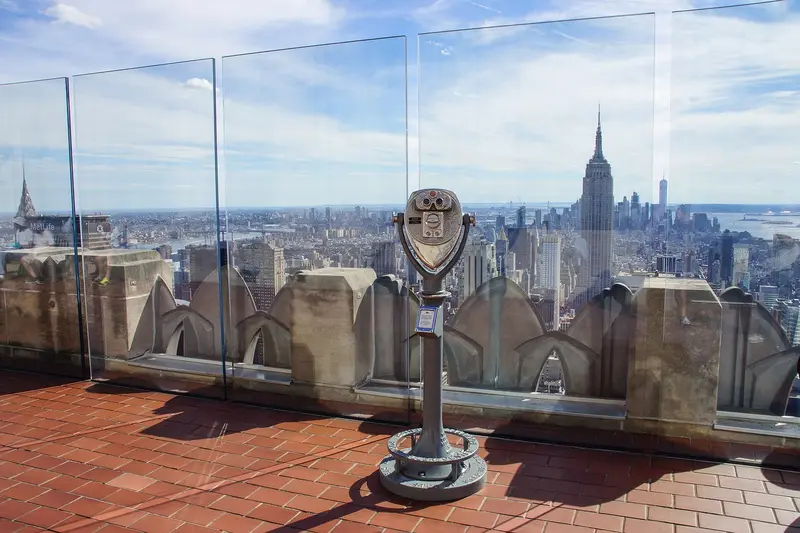
A tower in the middle of a skyline lets visitors identify streets and landmarks close by; a viewpoint farther away can show the skyline as a coherent whole. If you especially want to photograph a famous tower, standing on that very tower may remove it from the picture. Consider the angle of the sun, the direction of the skyline and the distance to the waterfront or mountain backdrop. A lower public terrace can be more memorable than the city’s highest observation floor when the composition is better.
Decide whether the priority is a sweeping landscape, architectural detail, sunset colours or simply a relaxed break. Families may want a wide enclosed space with toilets and seating; photographers may prefer an outdoor terrace without reflective glass. Travellers who dislike heights may enjoy a gently elevated park rather than a dramatic glass-floor installation. A city with several famous rooftops does not require collecting them all. One carefully selected view can be more meaningful than paying for three near-identical panoramas.
Ticketed decks, public terraces and rooftop bars
Commercial observation decks often provide organised queues, security screening, lift access and interpretive displays. Their entry prices and timed slots can be substantial, especially for families. Public terraces, hilltop parks and pedestrian bridges may offer excellent views without a ticket, but they might require outdoor walking or close early. Rooftop bars can have minimum spends, dress codes, reservations and age restrictions; ordering one inexpensive drink may not satisfy a venue’s access policy. Check whether a restaurant view is available only to diners and whether children are welcome at the chosen time.
Compare total costs rather than the headline attraction price. A deck’s premium sunset slot, fast-track admission, digital photo package and viewing experience may each cost extra. Transport and food can add more. Conversely, a free viewpoint might require a long taxi ride or a steep path unsuitable for some travellers. If an attraction is included in a city pass, verify whether timed reservations are still necessary and whether the relevant ticket tier is included. Booking through the official operator usually provides clearer information about access and restrictions.
Timing: morning, golden hour, sunset or after dark?
Morning visits can offer softer crowds and clearer air in some destinations, but local conditions vary widely. Sunset is popular for good reason: the skyline changes colour and the first city lights appear. It is also one of the busiest periods, and choosing a timed ticket exactly at the published sunset time may mean spending the best light in a security queue. Plan enough arrival margin and remember that the most dramatic light can occur before or after the official sunset. Daylight offers easier landmark identification and can be more comfortable for travellers with children.
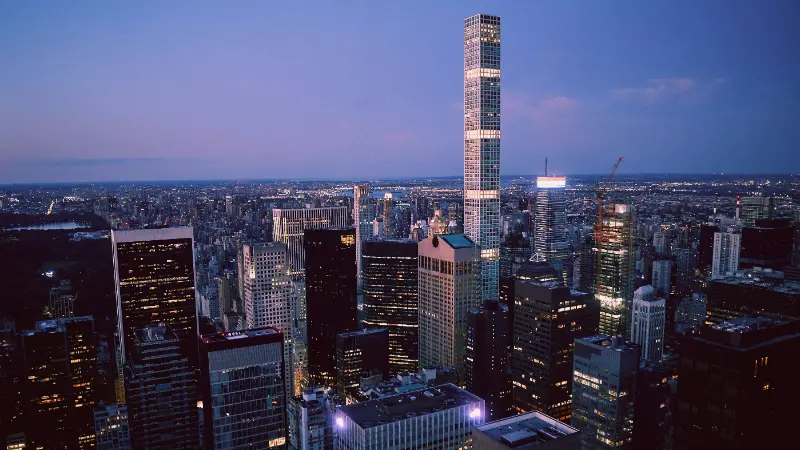
After dark, illuminated buildings and traffic trails create another perspective. Outdoor terraces may feel windy and cold even in warm seasons, while glass panels can reflect interior lights into photographs. An enclosed deck may be a sensible choice for rain or winter weather. If your goal is to enjoy the view rather than collect photographs, choose a time when everyone is alert and comfortable. A tired toddler at the end of a long attraction day is unlikely to appreciate a premium sunset reservation, however spectacular the brochures look.
Check the weather and visibility before committing
Height does not defeat clouds, haze, fog or wildfire smoke. An expensive observatory can offer almost no distant visibility when a low cloud layer surrounds the building. Look at local forecasts and real-time conditions, but avoid assuming a clear sky on the ground guarantees a clear horizon. Check the attraction’s weather policy before purchasing a non-refundable ticket. Some decks remain open in poor weather and do not offer free changes; outdoor areas may close in strong winds while interior areas continue operating.
If flexibility matters, reserve closer to the visit where availability permits or choose a free alternative that does not penalise a last-minute change. In stormy conditions, never cross restricted barriers or enter a rooftop closed for weather. Lightning, high winds and slippery surfaces deserve respect even when the city looks beautiful. A lower sheltered viewpoint might make the day more enjoyable. For travellers with respiratory sensitivities, poor air quality can be a reason to select an indoor setting or postpone outdoor time rather than chase the perfect skyline image.
Accessibility involves more than an elevator
An attraction may advertise lift access while providing an outdoor upper tier reached only by steps. Ask which level has the actual panorama, whether wheelchair users can reach the window edge, and whether queues and security areas are step-free. Glass barriers, standing crowds and window heights can affect the view from seated positions. Other practical points include accessible bathrooms, seating, support for service animals and an alternative procedure when the main lift is unavailable. The elevator ride itself may be quick, but queue routes can be long.
For visitors with vertigo, sensory sensitivities or anxiety around heights, check whether the attraction has glass floors, moving platforms, very loud effects or immersive simulations. These features may be optional rather than inherent to the viewpoint. Ask whether there is a quiet exit path. Older adults may appreciate a deck with seating and an easy return journey rather than a viewpoint reached by hundreds of steps. A family including both adventurous teenagers and cautious grandparents can often select a mixed indoor-and-outdoor attraction that suits different comfort levels.
Photography without missing the experience
Glass reflections are the main challenge at enclosed viewing areas. Clean camera lenses, avoid flash through windows and try to position the lens close to the glass without pressing equipment against a protected surface. A dark-coloured jacket can help reduce reflection in some settings. Check whether tripods, large camera bags or drones are prohibited. Drone use over skyscrapers or busy public places carries separate aviation and privacy rules and is not a shortcut around admission charges. Follow the operator’s instructions before setting up any equipment.
For skyline photographs, include a foreground element such as a river, bridge or distinctive roof to give scale. A wider shot can describe the city’s layout, while a tighter frame highlights architectural detail. If travelling with a group, take a few pictures and then give everyone time to look without a phone. Never climb railings, step onto ledges or lean over barriers for an image. A viewpoint is designed to be admired from its authorised visitor areas, not modified into an extreme-sports experience by the visitor.
Safer visits with children and larger groups
Keep children close in queues and on terraces, particularly where there are numerous escalators, glass walls and crowds. Explain clear boundaries before entry, and do not let a child climb or sit on barriers. Some attractions offer engaging displays about urban development that make the visit more than a quick photo stop. If the group includes a baby, ask about stroller rules, baby-changing areas and security restrictions on large bags. A timed admission means the family should plan a feeding or bathroom stop before joining the main queue.
Teenagers may enjoy comparing views from different heights or identifying landmarks on a map. Older relatives might prefer a sheltered terrace with seating and a café rather than a lengthy rooftop bar experience. Agree on a meeting point if people want to explore different levels. Mobile reception can be unreliable inside towers or underground entrance queues, so do not rely entirely on instant messages. A straightforward visit with enough time to sit and take in the skyline usually creates a better shared memory than rushing to the next reserved slot.
Skyline alternatives that cost less
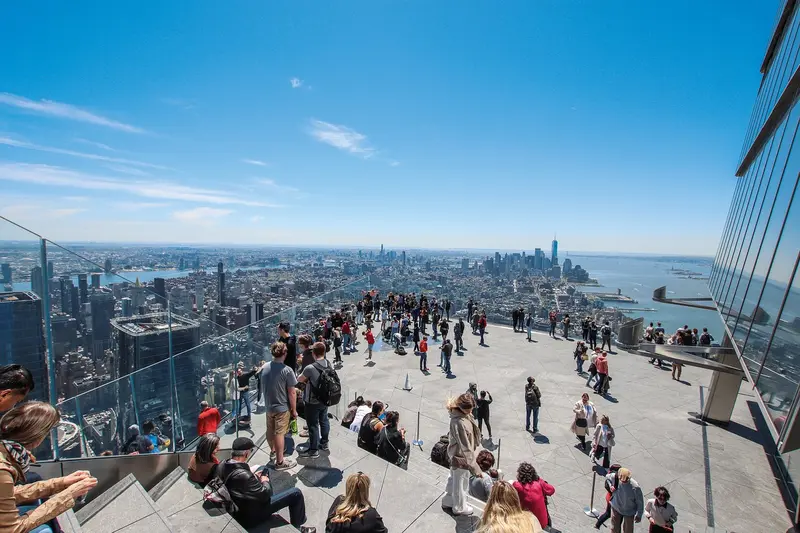
Before purchasing an expensive deck ticket, look for municipal lookout points, elevated parks, harbour promenades, hilltop public gardens and waterfront crossings. A skyline seen from across a river can be more atmospheric than a view straight down from the highest building. Public observation platforms may be free but have opening restrictions or require timed reservations. Some museums include rooftop terraces with regular admission. Check that access is currently permitted, especially if an old travel article recommends a terrace that has since closed for construction.
A sunset from a quiet public park can be a good choice for travellers on a modest budget and those who prefer more space. Pair it with an easy meal and public transport back to the accommodation. However, avoid entering isolated parks or poorly lit trails after closing just to obtain a night photograph. The route home is part of the experience. Choose a viewpoint with a reliable departure option and carry an extra layer for changing temperatures when visiting hilltops or waterfronts.
Common booking mistakes and better decisions
Visitors sometimes pay extra for a premium time without checking the forecast, buy a city pass without confirming reservation rules, or book two towers offering essentially the same view. Another mistake is misunderstanding what a rooftop bar’s reservation includes. A table booking might not guarantee an outdoor seat or a clear skyline angle. Families should check age restrictions before paying any deposit. Travellers with access requirements need specifics about actual viewing levels rather than a generic accessible logo.
A quick decision checklist includes the exact view, price, weather exposure, crowd conditions, route, accessibility and cancellation terms. If two options appear equally attractive, favour the one that fits naturally into the itinerary rather than the one with the most aggressive marketing. Views are often at their best when you have time to identify what you’re seeing, notice the city’s geography and appreciate the distance between the neighbourhoods you have already visited.
Frequently asked questions
Is the highest observation deck always the best?
No. A lower or more distant platform may frame landmarks, rivers or a skyline better. Consider the angle, visibility, ticket price, crowds and accessibility rather than ranking viewpoints by height alone.
Is sunset worth the higher price?
It depends on the weather and your goals. Sunset can be beautiful but busy, and a timed slot may involve queues. Morning or daytime visits may offer clearer identification of landmarks and a calmer family experience. Compare the complete conditions before paying a premium.
Can I visit a rooftop bar without buying a full dinner?
Some venues allow drinks-only reservations, while others impose minimum spends, dress codes or age restrictions. Check the actual venue policy and whether an outdoor table is guaranteed. Do not assume a bar admission policy is the same as that of a public viewing deck.
Are observation decks suitable for wheelchair users?
Many have accessible routes, but not every viewing tier or outdoor section is equally accessible. Confirm step-free access to the panorama, sightlines from seated height, bathrooms and procedures if a lift is out of service. Written venue-specific information is more useful than broad marketing language.
What happens if weather hides the view?
Policies differ. Some attractions offer flexible changes, while others remain open and do not refund poor visibility. Read the official conditions before buying and avoid assuming cloudy weather automatically qualifies for compensation.
Finish with a view that fits your journey
Choose one panorama for its composition, convenience and atmosphere. Check the weather, verify real access, understand the total cost and leave enough time to enjoy the scene beyond photographs. Whether it is a celebrated skyscraper or a free garden overlooking a river, the best city view helps you understand the destination more deeply without letting the ticket become the whole purpose of the day.
Quick planning table
| What to check | Recommended action |
|---|---|
| Ticketed observatory | Verify timed entry, priority upgrades and weather terms |
| Public viewpoint | Check route, opening hours and evening safety |
| Rooftop bar | Confirm minimum spend, age rules and seating |
| Accessible panorama | Check viewing level, lift access and sightlines |
Official resources and further reading
Regulations, access and operating conditions may change. Check the relevant official source and provider for the exact destination and dates.