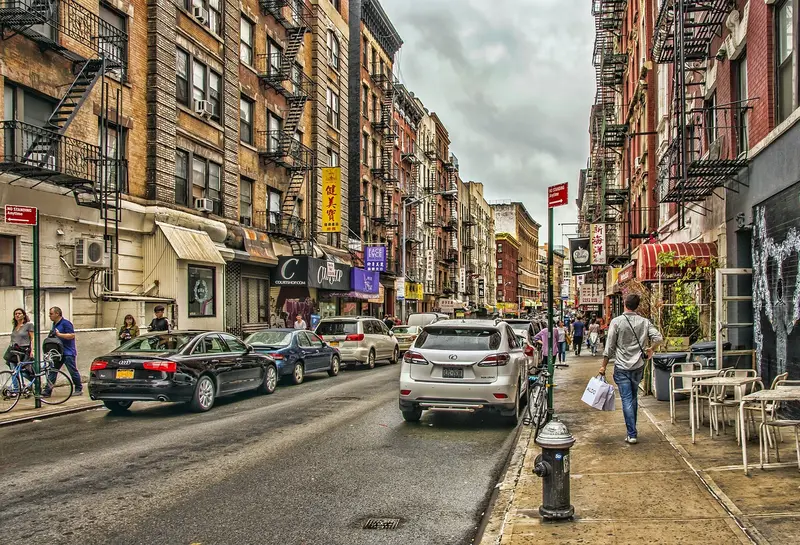
A quieter week in a beautiful destination can be more memorable than a rushed visit in the most popular month. Shoulder-season travel sits between a destination’s peak demand and its quieter periods, although those boundaries change by region, school calendar and activity. The reward may be more comfortable streets, a wider choice of accommodation and time to enjoy local life. The trade-off is that weather, transport frequency and seasonal opening hours may be less predictable. This guide helps you decide whether the quieter window is actually right for your holiday.
What shoulder season really means
Shoulder season is not a universal date range. In much of Mediterranean Europe, parts of spring and autumn can be gentler than the busiest summer weeks; on tropical islands, rainy-season patterns and holiday demand may produce very different windows. In alpine resorts, the weeks between ski and hiking seasons can mean closed lifts and quiet hotels rather than bargain adventures. A destination can have separate peaks for beaches, wildlife, festivals and business travel.
Start with the activity you most want to enjoy. A family hoping for warm swimming water is asking a different question from someone interested in museums or photography. Then identify the local climate, key business opening dates and school breaks in both the origin and destination. A month described online as ‘low season’ can still be crowded during a major festival or long weekend. Travel calendars are useful starting points, not firm promises about price or weather.
Why a lower price is not the whole calculation
Hotel rates sometimes fall when demand falls, but savings can disappear if direct flights stop, local buses run less frequently or a rental car becomes necessary. A low advertised room rate may be paired with paid heating, limited facilities or a long transfer from a reduced-season airport. Compare the total door-to-door trip rather than one eye-catching nightly price.
Build three realistic budgets for your preferred dates: transport, accommodation and daily experiences. Include time cost as well as money. A three-night break requiring two complicated transfers may not be good value for an older traveler or a family with small children. Compare nearby weeks instead of assuming that the first day outside summer automatically becomes cheap. Consider free cancellation if the destination is vulnerable to seasonal transport changes, but read the actual conditions.
Evaluate weather through the activities you want
Average temperature is only a partial guide. A coastal destination can feel cooler because of persistent wind; mountains can receive snow at elevation while towns enjoy sunshine; tropical places may see brief intense storms rather than constant rain. For walking holidays, the number of usable daylight hours, trail conditions and transport back to the hotel can matter more than the daily maximum temperature. For beach holidays, sea temperature and lifeguard availability might decide the itinerary.
Use national meteorological services or reputable climate records for historical context, then check an up-to-date forecast as departure approaches. Do not interpret a historic climate chart as a prediction for a particular week. Make two versions of the itinerary: an outdoor choice for good weather and an indoor or short-distance alternative. Traveling off peak is easier when your happiness is not tied to one perfect sunset.
Ask which attractions are genuinely open
Outside high season, a museum might close one extra day, a boat trip may operate only on weekends and a coastal restaurant may take a winter break. Some seasonal attractions post their dates only shortly before reopening. Verify the official website of every non-negotiable activity, especially ferries, mountain lifts, guided excursions and natural sites with restricted access. Third-party booking portals may show approximate availability before operators release their schedules.
Avoid planning a holiday around a single tour with one departure each week unless there is a backup. Create a short list of three experiences that are excellent in any weather or season, then add seasonal extras. If you are visiting a small island or remote valley, confirm that a supermarket, pharmacy and transport service remain available. A quieter place can be delightful, but quiet does not always mean convenient.
When shoulder season is especially rewarding
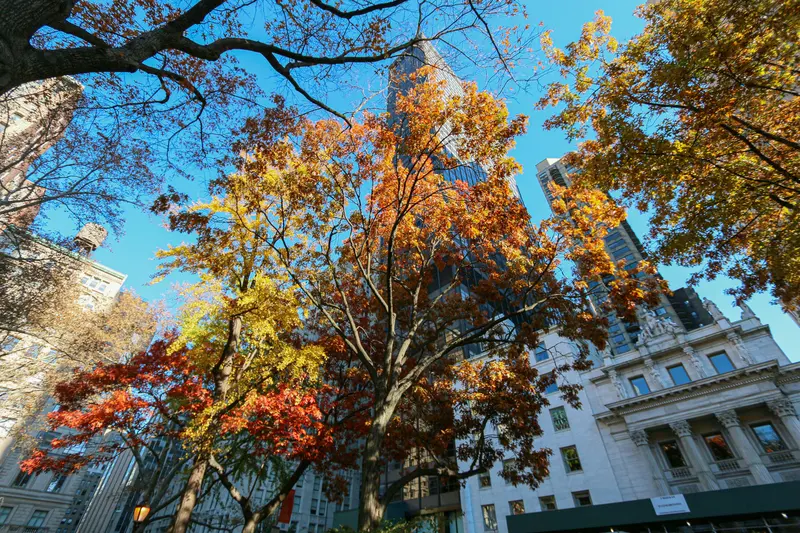
Cities rich in museums, markets and neighborhood walks often work well when crowds are lighter. Spring and autumn can offer pleasant sightseeing in some parts of Europe, while heritage towns may feel more lived-in once cruise-ship or day-trip peaks ease. Nature and wildlife trips can also be superb in specific transitional periods, but timing must come from local ecology and conservation guidance rather than generic ‘best months’ lists.
For couples or solo travelers with flexible leave, the best opportunity may be to choose a weekday arrival and avoid the first or final school-holiday weekend. For food lovers, harvests, seasonal products and community festivals can add meaning beyond famous sights. Respect that local celebrations are for residents first. Buy from local businesses, learn basic etiquette and avoid treating quieter streets as an invitation to ignore community boundaries.
When high season may still be the better choice
A family whose main goal is supervised swimming may value a staffed beach and reliable water conditions more than lower prices. A skier needs dependable lifts and snow, not merely a mountain hotel with an attractive offer. Remote national parks may have access roads, visitor centers or shuttles operating only in their main season. Travelers with limited mobility may rely on services that are less available during quiet months.
Sometimes paying more is reasonable because the specific holiday experience genuinely depends on peak-season infrastructure. The useful question is not ‘How can I avoid crowds at any cost?’ but ‘Which services must be available for this trip to work?’ List those requirements, check them directly and compare the cost difference against the inconvenience of an off-peak alternative.
Choose accommodation by comfort rather than a photograph
During transitional weather, heating, air conditioning, rainproof access and a practical neighborhood matter more than a dramatic pool photograph. A remote villa can be peaceful, but with restaurants closed and buses infrequent it may leave non-drivers dependent on taxis. Read recent reviews from the same season, not just July reviews for an October visit. Ask specifically whether breakfast, reception, elevators and accessibility features are available on your dates.
For older adults, families and wheelchair users, favor a reliable base near transport and essential services. For a quiet couple’s escape, a beautiful rural property can be ideal if roads and dining options are open. Consider whether the property offers free cancellation, flexible check-in and support during bad weather. An accommodation that works beautifully on a bright summer day may be very different in wet November.
Build transport slack into the calendar
Reduced flight schedules can turn a small disruption into an overnight delay. Some ferries suspend sailings in rough seas, and regional buses may run on school-day timetables. Check the last journey of the day before booking an onward accommodation. Do not build a chain of separate nonprotected tickets with only minutes between transfers, especially on islands or in mountain areas.
A practical approach is to sleep near the arrival hub on the first night if transport is limited. Plan the most weather-dependent excursion for the middle of the stay, leaving a spare day to swap activities. When you rent a car, investigate road closures, snow regulations and parking before leaving. This flexibility is part of the value of shoulder-season travel, not evidence that your plan is incomplete.
How families and older travelers can benefit
With younger children, quieter playgrounds, shorter queues and a less frantic pace can be an advantage. However, swimming lessons, kids’ clubs and family shows may operate only during school-holiday peaks. Confirm childcare provision instead of assuming a resort remains fully staffed all year. With school-age children, fixed term dates limit flexibility, but shorter school breaks may still offer excellent city or nature opportunities.
Older travelers may appreciate easier museum access and milder walking conditions, provided accessible transport and local healthcare are still available. Build rest breaks into the itinerary and avoid accommodation requiring a long uphill walk from reduced bus services. Travelers with specific health or sensory needs should prioritize predictable facilities above potential savings.
A sensible seasonal packing strategy
Transitional seasons reward layers rather than carrying clothes for every imagined disaster. Use a comfortable base layer, a warm layer and an outer layer suited to forecast wind or rain. Comfortable shoes with suitable grip matter more than an extra dressy outfit on wet cobbled streets. For family travel, add a small set of dry socks and spare children’s clothing to hand luggage when transit delays are possible.
Pack for planned activities: sturdy shoes for gentle hikes, appropriate sun protection even in cooler weather and any special equipment required by operators. Before packing a bulky coat, check whether you will spend most time inside cities or at altitude. Review luggage allowances if changing from high-season nonstop flights to a cheaper route with separate carriers. There is little value in saving on airfare if unexpected baggage charges erase the difference.
Example decision matrix
| Holiday priority | Shoulder season advantages | What to verify |
|---|---|---|
| Art and city walks | Quieter attractions and flexible dining | Museum hours, local events |
| Beach relaxation | Less-crowded sand and accommodation | Water temperature, beach services |
| Family resort | Possible lower room prices | Kids’ clubs, pools, restaurants |
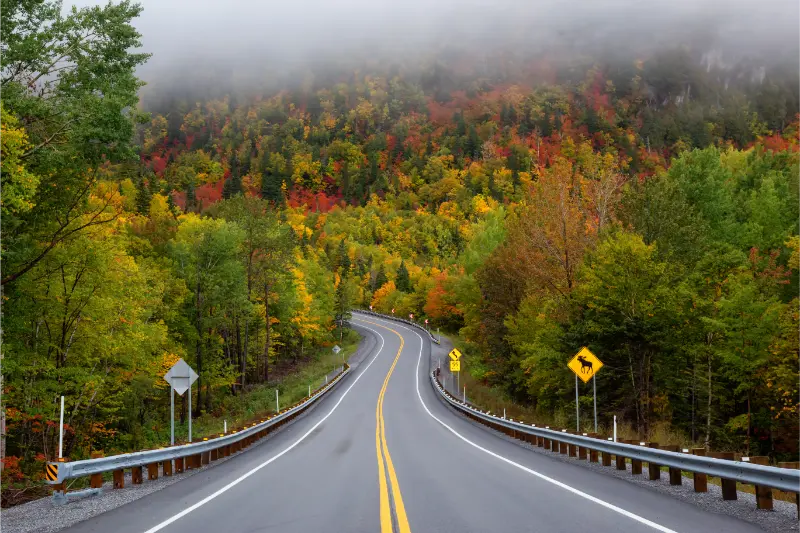
| Mountain hiking | Attractive colors and quieter paths | Trail access, daylight, weather |
| Island hopping | Calm towns and different local rhythms | Ferries, wind, open lodging |
Make your booking plan resilient
First, choose two date windows rather than one fixed week. Compare flight connections, room cancellations and must-see activity calendars. Second, contact accommodation when a facility such as heating, accessible parking or an elevator is essential. Third, identify one alternative excursion for every weather-sensitive day. Fourth, monitor significant seasonal closures in the two weeks before departure. Finally, avoid booking every meal and tour unless there is a genuine capacity reason.
A good shoulder-season itinerary often contains fewer attractions on paper but more time to experience them. There is room to return to a market, enjoy a café or ask a local guide what is happening that week. That flexibility is one of the strongest reasons to travel outside the most predictable months.
Frequently asked questions
Is shoulder season always cheaper?
No. Events, business travel, school holidays, reduced flight capacity and local demand can raise prices. Compare total trip costs for several weeks.
Is autumn better than spring?
It depends on destination and priorities. Sea temperature, daylight, rainfall, wildlife patterns and annual closures can make one transitional season preferable to the other.
Should I buy travel insurance for an off-season trip?
Review cancellation, interruption and weather-related terms for any trip, particularly when transport is infrequent. Policies do not automatically cover every poor-weather day.
Further reading
Start with how to build a realistic travel budget, then compare hotel, apartment, hostel or resort options. For disrupted journeys, see flight delays and cancellations and travel insurance explained.