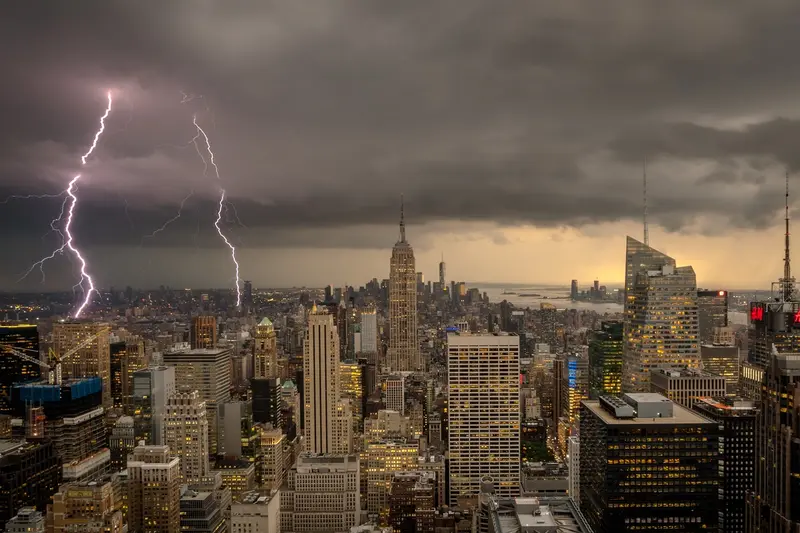
A holiday during the rainy season is not automatically a holiday ruined. Tropical downpours can transform landscapes, fill waterfalls and change the rhythm of a destination in memorable ways. But the same travel window may also bring flooding, rough seas, landslides or severe tropical storms. The challenge is to separate ordinary seasonal rain from hazards that require a different itinerary or no trip at all. This guide shows how to research local patterns, build sensible flexibility and respond to official warnings.
Rainy season and cyclone season are different ideas
‘Rainy season’ describes a recurring period when precipitation is more common in a region. It does not tell you whether rain falls briefly each afternoon or lasts for days. Tropical cyclone seasons refer to periods when storms may form in particular ocean basins; actual risks vary by exact location and year. An inland capital, a small offshore island and a mountain village can experience the same broad season very differently.
Begin with the destination’s national meteorological service, not a global chart that paints an entire continent one color. Check historical rainfall, local terrain, flooding patterns and season-specific transport disruptions. Remember that a calendar does not predict a specific storm weeks in advance. If severe weather is possible, research evacuation advice and communication channels before paying for nonrefundable experiences.
Start with the hazards that matter to your route
A beach holiday may be affected by waves, rip currents and canceled boat trips even when the sky is bright. A mountainous road trip may face landslides or washed-out bridges after intense rainfall. Urban flooding can close underpasses and transit stations. Nature tours may be suspended to protect visitors and trails. Identify which activities are the most exposed instead of treating weather as a single number on a forecast app.

For every base, ask three questions: How will we arrive? How will we leave if the main road or ferry stops? What safe indoor options are available? If the route depends on one narrow road, one weekly flight or several open-water transfers, weather resilience deserves more weight than hotel price. Families and travelers with mobility needs may require extra time to move during disruptions.
Check official forecasts and alerts as your trip approaches
Reliable severe-weather information comes from national meteorological and emergency-management agencies. In the Atlantic and eastern Pacific, the US National Hurricane Center provides hurricane preparedness information and official forecast products. Other ocean regions have their own agencies; do not assume an American forecast covers the whole world. Follow local government evacuation orders and instructions even when a booking company says its tours are still running.
Use at least two communication methods when possible: a local emergency-alert system and a verified official website or radio source. A hotel reception can help explain local routes, but an informal assurance is not a substitute for a government warning. Be wary of dramatic social-media videos with no date or location. Confirm whether an alert refers to your district, a distant region or a different storm.
Decide when to avoid a destination entirely
Some travelers can accept occasional rain; others cannot safely manage flooded streets, isolated roads or unpredictable boat service. Avoid high-risk itineraries during periods when you cannot absorb cancellations or evacuations. A remote island with limited medical facilities may be unsuitable for someone who needs reliable access to care. A hiking trip that requires dangerous river crossings should be rescheduled rather than treated as an adventurous test.
Do not assume that the absence of a named cyclone means conditions are safe. Dangerous rainfall and flash floods can occur outside major storms. Equally, do not cancel a whole continent on the basis of one weather headline. Evaluate the actual destination, dates, exposure and official advice. If warnings recommend not traveling, take them seriously; no holiday photograph is worth putting yourself, rescuers or residents at risk.

Build the itinerary around flexible days
A rigid daily schedule is particularly fragile in wet seasons. Keep a small set of must-do activities and several substitutes within reach of your accommodation. Visit museums, covered markets or cooking classes during rainy hours when the facilities are safely operating. Reserve outdoor excursions for periods with favorable local forecasts, and ask operators about cancellation and rescheduling conditions before paying.
If a ferry to an island is essential, place it early enough in the trip to allow a weather buffer before your international flight home. Avoid separate tickets with a final ferry arrival only hours before departure. For rural road trips, choose fewer bases, stay longer and allow time for detours. A slower route often delivers a better holiday than a photograph-heavy plan that depends on every bridge staying open.
Choose accommodation with safety and access in mind
A seafront bungalow may look irresistible online, but location deserves scrutiny during storm-prone months. Investigate whether the property is in a known flood zone, how it communicates emergencies and whether access roads are reliable. A high floor may reduce one type of inconvenience but create difficulties if power fails and elevators stop. Travelers with mobility needs should ask about evacuation support and alternative access routes.
A staffed property with a clear emergency plan can be a practical choice, especially for families or people unfamiliar with the region. Check whether the hotel has backup power, potable water arrangements and a way to contact guests during disruptions; do not assume any property has these systems. If authorities order evacuation, follow the designated plan rather than remaining to protect a prepaid booking.
Understand what travel insurance may and may not cover
Weather-related cancellation is not automatically reimbursed. Policies may distinguish between trip cancellation, interruption, delay, missed departures and evacuation, with exclusions for known events or travel against official advice. Buying insurance after a storm has been named may be too late to obtain certain protections. Compare policies before booking and keep written copies of terms relevant to your exact trip.
Do not confuse voluntary changes because the forecast looks wet with cancellations caused by covered events. Airlines, hotels and tour operators each have separate change rules. During serious disruption, keep receipts, official alerts, cancellation messages and evidence of attempts to contact providers. Contact your insurer through verified channels before committing to unusual expenses whenever practical.

Pack for moisture without overpacking
A compact rain shell, quick-drying layers and footwear with reliable grip are usually more useful than carrying several heavy outfits. Protect passports, electronics and important papers inside suitable waterproof pouches, while keeping them accessible. Use dry bags where relevant for boat transfers, but remember that no bag replaces safe weather decisions. A small torch or flashlight, power bank and offline route information can help during short interruptions.
Pack basic medicines, any prescribed treatment and appropriate child supplies according to local entry and airline rules. In mosquito-prone regions, check destination-specific prevention advice from an authoritative travel-health source. Do not assume that rain makes sun protection unnecessary; UV exposure remains possible between showers. Keep a dry set of socks and clothes available for long transfers.
Families, older visitors and travelers with disabilities
A wet-weather itinerary with children works better when indoor spaces are genuine activities rather than emergency punishment. Choose a museum, aquarium or workshop that everyone would enjoy anyway, and avoid long exposed queues. For a baby or toddler, consider safe shelter, feeding spaces and the ability to return easily to the hotel. Children should never be allowed to play in floodwater, which can conceal hazards and contamination.
Older adults and travelers with reduced mobility need a plan for slippery streets, disrupted public transport and possible lift outages. Ask a hotel or transport provider about accessible alternatives before severe weather arrives. If your group includes someone dependent on electric medical equipment, review safe backup arrangements with the relevant professional. The itinerary should be built around everyone’s actual needs, not around an average traveler who can sprint through a storm.
When rain can actually improve the trip
Outside dangerous conditions, seasonal showers can provide quieter landscapes, greener scenery and interesting local traditions. A short tropical downpour may be the perfect moment for a long lunch; a cloudy morning can make a historic city pleasant to walk. Avoid promising that wet-season travel is always inexpensive or empty, because school holidays and regional festivals may bring high demand.
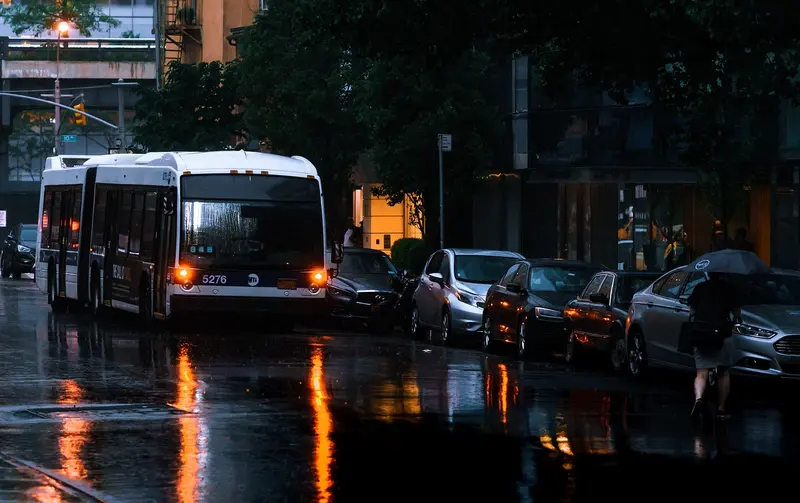
Respect environmental restrictions even when trails appear tempting. Heavy rain can make paths fragile and riverbanks unstable; walking through closed areas damages habitats and creates rescue risks. Take inspiration from residents’ everyday pace instead of challenging the weather to obey your timetable. The best experiences can involve adjusting a plan thoughtfully rather than fighting a climate pattern.
What to do when an official storm warning appears
First, identify the alert area and expected impacts. Second, follow local emergency instructions, including evacuation where directed. Third, secure travel documents, essential medicines, phone power and emergency contacts. Fourth, notify your accommodation and airline or other operator through authenticated channels when safe to do so. Fifth, avoid flooded roads, beaches with dangerous surf and unnecessary travel during the warning period.
Do not drive through floodwater: depth and current are difficult to judge and road surfaces may be damaged beneath it. Avoid filming hazardous scenes or moving into restricted areas to collect social-media content. If the situation requires sheltering, choose the official safe location or guidance from local authorities. Once the immediate danger passes, check that transport networks and attractions have actually reopened before resuming the itinerary.
Weather-planning table
| Destination situation | Main concern | Planning response |
|---|---|---|
| Island hopping | Ferries canceled by rough seas | Extra night near departure airport |
| Mountain village | Road closures and landslides | Fewer bases and alternative roads |
| Tropical city | Flooded streets | Nearby indoor options and alerts |
| Beach resort | Dangerous surf | Verify beach warnings and safe transport |
| Rural wildlife trip | Trails and river crossings unsafe | Ranger-led decisions and postponement |
Frequently asked questions
Is the rainy season a bad time to travel?
Not necessarily. The experience depends on rainfall pattern, local infrastructure, trip purpose and tolerance for flexibility. Severe-weather risks must be assessed separately.
Can I rely on a weather app weeks in advance?
Long-range forecasts are uncertain and cannot guarantee conditions for a specific day. Use historical climate for planning and official short-range warnings nearer travel.
Will insurance cover a canceled excursion because of rain?
Only if your policy or the tour operator’s conditions provide a relevant benefit. Routine rain and serious covered disruptions are often treated differently.
Further reading
Pair this guide with travel insurance explained, shoulder-season travel planning, driving abroad and traveling in extreme heat. Always defer to the destination’s official meteorological service.