Washington, DC is deceptively easy to overplan because many of its most famous museums and monuments are free. Free admission does not make a museum short, and the National Mall is much larger on foot than it appears on a map.
This five-day itinerary uses one hotel and groups experiences by geography. It mixes museums, monuments and neighbourhoods so every day does not become six hours indoors followed by an exhausted walk past memorials.
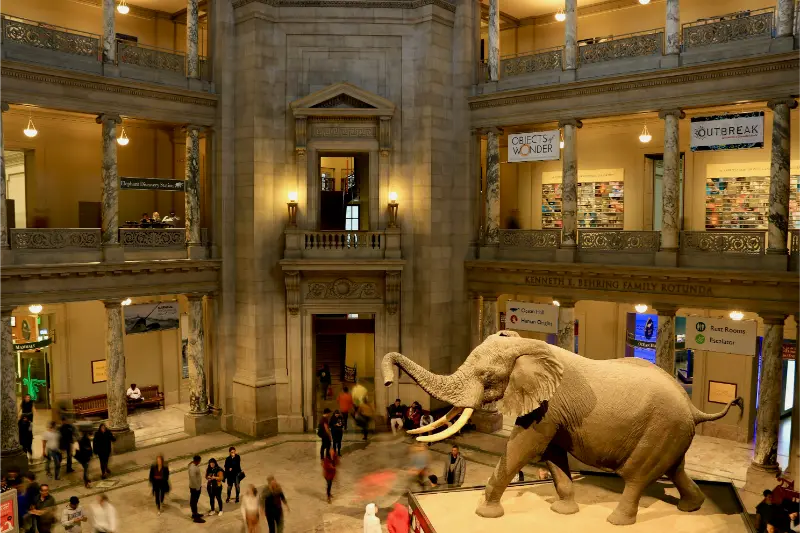
The Smithsonian confirms that admission to Smithsonian museums is generally free, but several locations still require free passes or tickets. In 2026 this includes the National Museum of African American History and Culture, the National Air and Space Museum in DC and the National Zoo. Always check the exact museum before the visit.
Quick trip summary
- One hotel for all 5 days.
- Stay near Metro rather than trying to sleep beside every monument.
- Plan one major Smithsonian museum per half-day or day.
- Reserve free timed passes where required.
- Use evenings for memorials and neighborhoods when temperatures are lower.
Why this route works
The Mall works best when divided into east, central and west clusters rather than walked end-to-end repeatedly.
Smithsonian museums vary enormously in size; choosing fewer institutions lets you actually see collections instead of racing entrances.
Neighbourhood time in places such as Georgetown, Dupont Circle, Shaw or Capitol Hill prevents the trip from feeling like a school excursion.
A realistic itinerary at a glance
| Days | Base | Main focus |
|---|---|---|
| 1 | National Mall east | Capitol area, museums and orientation |
| 2 | Central Mall | Smithsonian museum and memorial evening |
| 3 | West Mall / monuments | Lincoln, Vietnam, Korean, MLK/FDR area |
| 4 | Neighborhood DC | Georgetown, Dupont, Shaw or another district |
| 5 | Flexible | Second major museum or final monuments |
Day-by-day plan
Day 1: Orientation and eastern Mall
Use the Capitol grounds, Library of Congress exterior/interior if planned, and one nearby museum. Do not walk to Lincoln Memorial and back on the same afternoon just because you can.
Day 2: Major Smithsonian day
Choose Air and Space, Natural History, American History or another priority museum. If visiting Air and Space, reserve the currently required free timed-entry pass.
Day 3: Memorials and history
Use the western memorials in one coherent walking loop, with breaks. Late afternoon and evening can be especially effective for atmosphere and heat.
Day 4: Neighborhood day
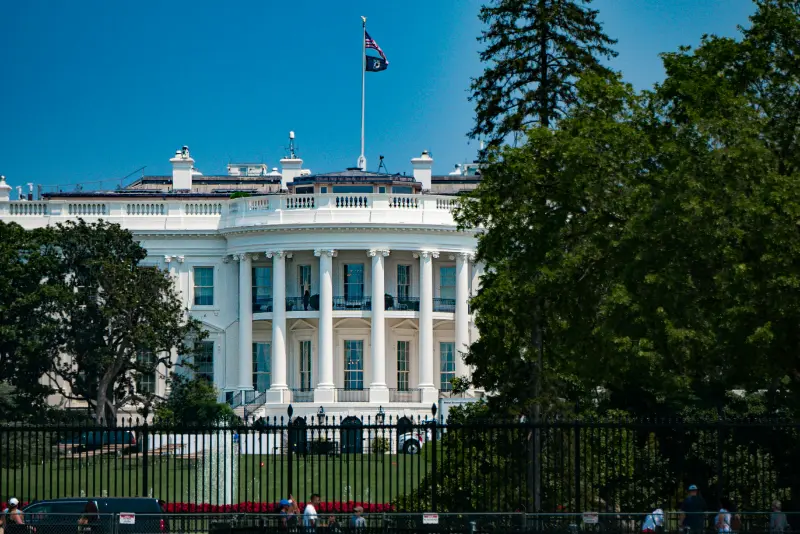
Move beyond the Mall: Georgetown waterfront, Dupont Circle, Shaw/U Street, Eastern Market/Capitol Hill or another area that matches your interests.
Day 5: Flexible museum or cultural day
Use the African American History and Culture Museum with the appropriate pass, National Gallery, another Smithsonian or the museum you skipped earlier. Keep the end close to the airport/rail route if departing.
Where to stay and how many hotel changes to make
Downtown, Penn Quarter, Capitol Hill and Dupont all work well when Metro access is strong. A slightly less central hotel beside a direct Metro line can outperform a more expensive room that still requires long walks.
Avoid choosing a hotel only because it is ‘near the Mall’; the Mall itself spans a large area.
Where you sleep should remove friction rather than create it. A well-connected room can save more time and energy than a cheaper property that requires repeated taxis, awkward luggage transfers or long walks at the start and end of every day.
Read recent guest reviews for details that booking photos rarely reveal: steps, lift size, road noise, parking, breakfast hours and the true walking distance from a station, ferry terminal or attraction.
Transport: what is worth planning in advance
Metro, buses and walking remove the need for a rental car. Rideshare can be useful late or when museum fatigue sets in.
Airport choice matters: Reagan National has the simplest Metro access, while Dulles is farther but connected by rail.
Measure every move door to door rather than by the headline timetable. Checkout, waiting, luggage, station access and the final connection can turn a short journey into half a day.
Use inflexible tickets only when the saving is meaningful and the day is genuinely fixed. Outdoor, island, marine and mountain plans are much easier when at least one component can move.
Food and daily rhythm
The Mall itself is not where you should plan every meal. Use Penn Quarter, Wharf, Georgetown, Shaw, Capitol Hill and other neighbourhoods for better variety.
A museum café can be strategically useful when leaving and re-entering would waste an hour.
Use meals to control the rhythm of the day. A long regional lunch can be both an experience and a recovery period after museums, hiking, heat or an early start.
Do not make every meal another attraction. Mix destination restaurants with bakeries, markets, cafés and simple local places so food improves the trip instead of controlling it.
Families, children and older travellers
Free museums are excellent for families, but children usually benefit from one major museum at a time rather than several enormous collections.
Older travellers should use Metro and buses to reduce long Mall walks; memorials can be grouped into shorter loops.
For multigenerational travel, the useful pace is the one at which the least mobile member still enjoys the day. That usually creates a better shared trip for everyone.
When accessibility matters, ask specific questions about steps, trail surfaces, boat boarding, lifts and vehicle access instead of relying on a generic accessibility label.
Budget: where the money really goes
Many major sights are free, so accommodation and food dominate the budget.
Do not buy an attraction pass automatically unless its paid attractions truly match your priorities.
Compare total trip cost rather than headline prices. Parking, transfers, luggage, tours and time lost reaching remote accommodation can erase an apparent saving.
The best splurges usually remove friction: a central room, a direct transfer, a quality guide or one extra night that prevents an exhausting move.
Best time to go
Spring and autumn are excellent but popular; summer can be hot and humid, making early museum starts and evening monuments valuable.
Winter can be cold but is often easier for museum-heavy trips outside holiday periods.
Shoulder season often balances weather, demand and prices well, but ferries, rural attractions and mountain services may run less frequently.
Heat, rain, wind, snow and daylight should change the order of a day. Keep lower-effort alternatives for conditions that do not suit the original plan.
Comfort, accessibility and realistic pacing
The itinerary intentionally alternates indoor and outdoor days.
One flexible final day absorbs pass availability, weather and museum fatigue.
Travel fatigue compounds. One difficult transfer can reduce the quality of the following two days, which is why this itinerary avoids one-night bases unless geography genuinely requires them.
A free half-day is not wasted time. It is insurance for weather, transport disruption, a tired child or a place you discover only after arriving.
Small decisions that improve the trip
Reserve only what truly requires it
Passes should not control every hour.
Use one museum at a time
The Smithsonian is too large for completion.
Leave the Mall
Neighborhood DC adds food and everyday atmosphere.
Walk monuments later
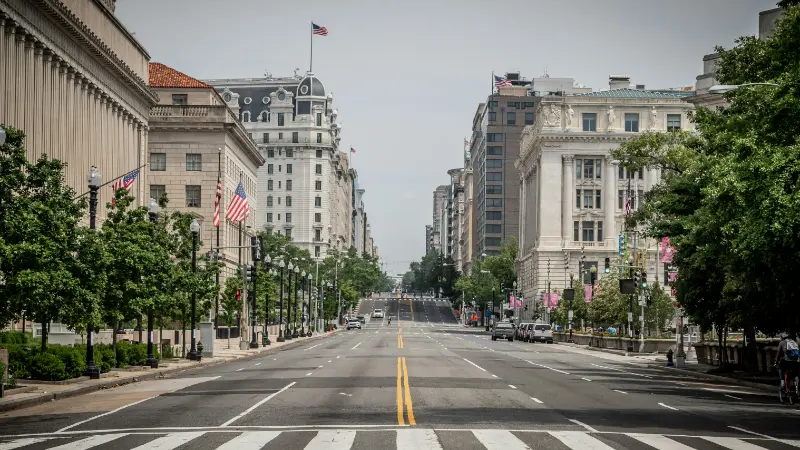
Evenings can be cooler and more memorable.
What I would leave out on this length of trip
Leave Mount Vernon, Baltimore and several Virginia day trips for another visit.
Skip trying to see every Smithsonian museum in five days.
Mistakes that make this trip harder than it needs to be
- Assuming free museums do not need tickets.
- Walking the Mall end-to-end several times.
- Scheduling three large museums in one day.
- Eating every meal inside tourist zones.
- Ignoring summer heat.
- Leaving a distant neighbourhood under a tight airport transfer.
How I would adapt the itinerary
With three days, choose two museum blocks, one monument loop and one neighbourhood.
With seven days, add Arlington, Mount Vernon or more neighbourhood time without changing hotels.
Before booking
- Check Smithsonian pass requirements.
- Choose a Metro-friendly hotel.
- Pack comfortable shoes.
- Group memorials geographically.
- Keep one day flexible.
Practical questions
Are Smithsonian museums free?
Generally yes, but several locations require free passes or tickets, so check the current Smithsonian visitor page.
Do I need a car?
No.
How many museums per day?
One major museum plus a smaller cultural stop is a comfortable maximum for most visitors.
Final thoughts
Washington is a better trip when free admission is treated as permission to slow down rather than permission to overfill the day.
Five days allow the Smithsonian, monuments and neighbourhoods to feel like one city rather than a list of institutions.
How to keep the itinerary resilient
Keep Day 5 open for any museum pass you could not secure earlier.
Use indoor museums as the fallback when heat, rain or cold makes a long memorial walk unpleasant.
Who this route suits best
This itinerary works best for travellers who prefer depth over collecting places. It keeps hotel changes low, protects flexible time and assumes that a good meal, an unexpectedly interesting neighbourhood or a slower morning can be as valuable as another attraction. That approach works especially well for first-time visitors, couples, families and multigenerational groups.
More energetic travellers can add a longer hike, another museum or a second excursion on flexible days. Travellers who prefer an easier pace can remove those extras and still keep the core journey intact. Before booking, identify the two or three experiences that would genuinely disappoint you to miss; those are the ones to reserve first.