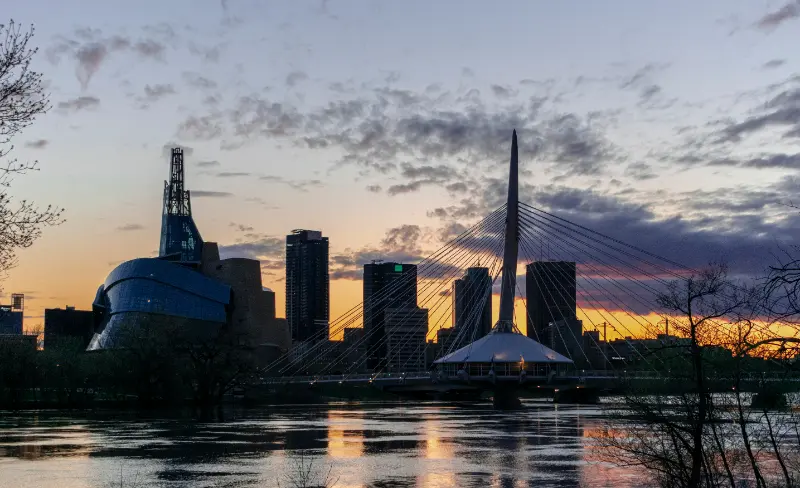
Winnipeg is easy to overlook between Canada’s better-known coastal cities, but that misses a destination shaped by Indigenous, Métis, francophone and immigrant histories at the meeting of the Red and Assiniboine rivers. The city has major national museums, strong architecture, food, parks and extreme seasonal contrasts. Four days gives you time to understand The Forks and central neighbourhoods while also seeing how much the weather changes the way Winnipeg is experienced.
If Winnipeg is part of a wider journey, compare the pace with Manitoba in 8 Days: Winnipeg and Riding Mountain Without Trying to Add Churchill. Use that wider article for route decisions; this guide focuses on making the city itself work once you arrive.
Quick trip summary
- Ideal stay: 4 days for a first visit.
- Best approach: one major experience per half-day, with one flexible block for weather, fatigue or transport changes.
- Good for: couples, solo travellers, families, older travellers and mixed-age groups who prefer realistic pacing.
- Main planning risk: underestimating local transport, climate or the time needed for the destination’s main experience.
Is Winnipeg the right trip for you?
Winnipeg makes a rewarding city break if you are curious about Canada’s stories as well as its sights. The Forks, the Canadian Museum for Human Rights and Qaumajuq each reveal something different. Choose the museums or neighbourhoods you care about most, then let the season decide how much outdoor walking you add between them.
Winnipeg is especially rewarding when you resist copying an itinerary designed for a different city. Distances, climate, opening patterns and local transport shape the day. Count arrival and departure honestly: if you reach the hotel after lunch, treat that as an orientation evening rather than pretending it is a complete sightseeing day.
Where to stay
| Area | Why choose it |
|---|---|
| The Forks / downtown | Best for first visits, museums, river walks and easy access to major attractions. |
| Exchange District | Strong for architecture, restaurants, galleries and evening atmosphere. |
| Osborne Village | More residential and lively, suitable for travellers who want cafés and nightlife outside the business core. |
| Saint-Boniface | Useful for francophone history and a quieter base across the river from downtown. |
Staying downtown puts the Exchange District, The Forks and several major cultural sites within reach, though the exact journey can feel very different in January and July. In winter, ask about sheltered entrances, nearby transport and parking arrangements. In any season, check recent reviews for noise and confirm accessible access if you need it.
How to get to Winnipeg
Winnipeg James Armstrong Richardson International Airport is relatively close to central neighbourhoods, making taxi and ride-hailing transfers straightforward. VIA Rail and long-distance bus options exist but distances across the Prairies are substantial. If Winnipeg is part of a longer Canada trip, compare flying and rail by total journey time rather than assuming the train is a quick intercity option.
Arriving by air is usually straightforward, but Winnipeg’s coldest weather changes the details: you may not want to stand outside comparing transport options with your luggage. Save the hotel address and plan the first ride before landing. If you arrive by rail, check the station and timetable carefully; Prairie distances make rail travel a different proposition from a short city hop.
Getting around
Downtown, The Forks and the Exchange District can be combined on foot in suitable weather, while buses and taxis cover longer trips to Assiniboine Park and other neighbourhoods. Winter changes everything: cold, snow and ice can turn short walks into serious outdoor exposure, so use indoor routes, buses and cars more generously when conditions demand it.
You can cover The Forks and parts of downtown on foot when the weather is kind, so a multi-day bus pass may not earn its keep. Work out which days need a bus to Assiniboine Park or another farther neighbourhood, then compare those fares with pass options. In deep winter, the extra comfort of fewer outdoor transfers matters as much as price.
A realistic 4-day itinerary
Treat Winnipeg as a four-day plan with two versions: one for easy walking weather and one for serious cold. The Forks and the Human Rights Museum remain central to both, but the park, river paths and outdoor activities may swap places with indoor galleries. Check seasonal opening details, especially for skating areas and nature trails, shortly before you go.
Day 1 – The Forks and river meeting place
Begin at The Forks, a gathering place with thousands of years of Indigenous history. Explore the market, river paths and interpretive spaces rather than treating it as only a food hall. Walk toward Saint-Boniface or the downtown bridges if weather is comfortable.
Day 2 – Canadian Museum for Human Rights and downtown
Give the Canadian Museum for Human Rights several hours; it is not a museum to rush between breakfast and lunch. Afterwards keep the rest of the day light with nearby architecture, river views or a simple dinner. The emotional weight of the galleries makes an overloaded evening unnecessary.
Day 3 – Exchange District, Qaumajuq and Manitoba culture
Explore the Exchange District’s historic commercial architecture, then choose the Winnipeg Art Gallery–Qaumajuq or Manitoba Museum depending on your interests. If you visit Qaumajuq, take time with Inuit art and interpretation rather than using it only as an architectural stop.
Day 4 – Assiniboine Park or a seasonal outdoor day
Use the final day for Assiniboine Park, The Leaf and, if it suits your interests, the zoo. In winter, consider skating and seasonal trails at The Forks when officially open; in warmer months, FortWhyte Alive or cycling can replace indoor time. Let season determine the itinerary rather than forcing the same plan year-round.
Assiniboine Park can easily occupy more of the day than planned, particularly if you add The Leaf or the zoo. Choose the part that interests you most and give it time. In winter, make the journey back to your hotel part of the plan before the light fades; in summer, enjoy the extra daylight without packing in another distant stop.
How many days do you really need?
Two days give you time for The Forks and one major museum, but little room to explore the rest of the city. With three, add the Exchange District or Qaumajuq. Four days allow a park visit as well, while a fifth day might be better spent trying local restaurants and revisiting a neighbourhood than rushing into a long regional trip.
If Winnipeg comes between two long travel legs across the Prairies, an extra night can be worth keeping simply to recover and enjoy the city properly. Arriving late and leaving early should not count as two sightseeing days. Think about the rail or flight schedule before trimming your stay; this part of Canada does not reward optimistic transfer assumptions.
Best time to visit
Winnipeg has genuine four-season travel. Summer brings long daylight and warm temperatures; winter can be extremely cold but also supports skating and winter culture. Spring can be variable and wet, while autumn is crisp and attractive. Packing decisions matter more here than in many city breaks, so check the forecast shortly before departure.
Choose your season for the experience you want. Long summer days make it easy to combine The Forks with parks and outdoor dining, while winter offers a distinctive city atmosphere if you prepare for severe cold. Look up the dates of any festival or seasonal activity that matters to you before booking; not every outdoor experience runs all winter.
Where and what to eat
Winnipeg’s diversity is reflected in Ukrainian, Filipino, Indigenous, Métis and many other food traditions. The Forks is an easy introduction, but include neighbourhood restaurants beyond the market. Local favourites and bakeries are often casual, so not every memorable meal needs a reservation.
Food is a good way to explore Winnipeg’s different communities, from the market stalls at The Forks to small neighbourhood restaurants. Leave some lunches open so a museum visit can take the time it deserves. If someone in your group has dietary restrictions, find a couple of suitable places near the hotel before you arrive, especially for cold evenings.
Travelling with children
The Manitoba Museum, The Forks, Assiniboine Park and The Leaf give families strong options. In winter, limit exposure and plan warm indoor intervals before children become uncomfortable. Summer requires sun and mosquito awareness for outdoor spaces.
For children, mix a cultural visit with a place to move around. The Forks or Assiniboine Park can balance a museum-heavy morning, while The Leaf offers a change of scene in colder weather. Winnipeg’s winter temperatures demand short outdoor stretches and reliable warm-up stops; in summer, remember water, sun protection and insect repellent for parks.
For older travellers and mixed-age groups
A mixed-age Winnipeg group may enjoy the same museums but not the same amount of standing or walking. Choose one shared activity each day and be relaxed about splitting up for an hour or two. A taxi between cultural sites can be a sensible expense when pavements are icy or someone would otherwise reach the next gallery too tired to enjoy it.
Accessibility and mobility
Major museums such as the Canadian Museum for Human Rights emphasize inclusive design, and modern attractions are generally accessible. Winter ice and snow can still make the outdoor route between accessible buildings difficult, so plan door-to-door transport when conditions are severe.
Even where a museum entrance is step-free, the route from the hotel may be difficult after snow or freezing rain. Ask about accessible drop-offs, lifts and toilets at each attraction rather than assuming the journey is easy from a general accessibility label. If someone uses a mobility aid, plan transport from door to door in severe winter conditions.
Budget: where to spend and where to save
Spend on the museum or experience that brought you to Winnipeg, and choose a hotel that makes your most frequent journeys comfortable. You can keep costs down with walks around The Forks and the Exchange District when conditions allow. A taxi to Assiniboine Park may be better value than losing half the day to complicated connections.
A Winnipeg budget needs to allow for the season. In winter, you may use more taxis and spend longer in cafés between visits; in summer, outdoor days are easier to keep inexpensive. Add museum admissions, snacks and a few unplanned rides to the hotel price before deciding whether a cheaper room on the outskirts really saves money.
Safety and practical awareness
The weather is part of Winnipeg’s practical safety picture. Check local forecasts before walking far in winter, wear footwear that grips on ice and use reliable transport if conditions are uncomfortable. In busier areas, take ordinary care of valuables and ask your hotel about current neighbourhood conditions rather than depending on an old online warning.
Photography without turning the trip into a photo shoot
The Forks offers lovely river views, but it is also a place with deep Indigenous history, not just a backdrop for photographs. Give the interpretation time and be thoughtful when taking pictures at cultural and memorial spaces. In winter, keep your camera or phone protected from the cold and avoid stepping onto ice unless the route is officially open.
Responsible travel and local rhythm
Make time for the stories told by Winnipeg’s Indigenous, Métis and immigrant communities, whether through a museum visit, an exhibition or a locally run business. Buy artwork from reputable sources that identify the maker, and respect signs about photography. At The Forks and in park areas, follow marked routes rather than creating shortcuts through sensitive spaces.
A respectful visit does not require a special performance from the city or the people who live there. Listen when a guide or exhibition explains the meaning of a place, support local businesses where you can and do not crowd memorials for photographs. Winnipeg is richer when you notice the communities behind its buildings and public spaces.
Common mistakes to avoid
- Underestimating winter cold because a downtown walk looks short on a map.
- Giving the Canadian Museum for Human Rights only an hour.
- Staying entirely indoors in summer and missing the river paths and parks.
- Assuming Winnipeg is only a practical stop before travelling farther north.
- Planning the same itinerary in January and July without seasonal adjustments.
The mistake visitors often make is copying a mild-weather itinerary into a Prairie winter. Walking from one attraction to another may look easy on the map, but wind, snow and icy paths can change the day entirely. Another is trying to fit the Human Rights Museum into a spare hour; give its exhibits the attention they deserve.
A slower experience worth protecting
Spend an unhurried evening at The Forks, eating from local vendors and walking the river paths or seasonal trail instead of treating the area as a daytime attraction only.
What to pack for this trip
Pack for Winnipeg’s actual forecast, not simply for the month written on the calendar. Winter calls for serious insulation, gloves and boots that handle snow and ice, while summer needs comfortable walking shoes, sun protection and something for mosquitoes in green spaces. A small day bag helps you manage layers as you move between indoors and outdoors.
Booking strategy: what deserves advance reservations?
Check the opening schedule for the Human Rights Museum, Qaumajuq and any special exhibition you really want to see. Seasonal activities at The Forks and Assiniboine Park deserve their own check because dates and conditions can change. Book a limited-capacity event early, then leave markets, cafés and ordinary neighbourhood walks unreserved.
Before paying for an outdoor winter activity, find out what happens if the weather or ice conditions make it impossible. The same goes for a summer nature outing affected by storms. A booking you can move is useful here; Winnipeg’s climate is one reason to avoid joining every day with back-to-back, non-refundable commitments.
How to make the four days feel less rushed
Keep one major event or museum as the day’s centre, then decide what to add when you see how long it takes and what the weather is doing. If Qaumajuq holds your attention, skip a second gallery rather than hurry through both. In winter, even the journey between attractions deserves a little more time than an online map suggests.
Winnipeg’s distances are not only measured in kilometres. A short summer walk along the rivers can be a pleasure; the same route in biting wind or after snowfall may be the wrong choice entirely. Use the bus, a taxi or a short indoor break when you need to. Getting around comfortably is part of enjoying the destination.
Official information to check before you go
Opening days, transport, weather-sensitive access and event schedules can change. Recheck the details that control fixed reservations shortly before travel, especially during public holidays, major festivals or severe weather.
How to adapt the itinerary
With less time: keep Day 1 and the single experience from Days 2–3 that matters most to you. Do not compress all four days into two.
With more time: add one carefully chosen excursion or a slower neighbourhood day rather than extending every sightseeing day.
For a group spanning grandparents, parents and children, choose a shared highlight such as The Forks or a museum with something for everyone. Then allow different interests to take over for a while: one person might explore art, another pause in a café and the children enjoy an open space. Meet again for a meal rather than expecting everyone to move at the same pace.
Final planning checklist
- Confirm passport, visa, entry and transit requirements for your nationality.
- Choose accommodation for location and repeated journeys before room size alone.
- Reserve only the attractions or excursions that genuinely control the day.
- Save offline copies of tickets, hotel details, insurance information and essential addresses.
- Check the exact airport, station, bus terminal, pier or pickup point before arranging transfers.
- Keep one flexible half-day for weather, fatigue or something discovered after arrival.
- Recheck official opening information and local transport shortly before each fixed day.
- Carry clothing and footwear for the real climate and walking surfaces, not only the average forecast.
Final thoughts
Winnipeg works best when you give its main experiences enough space and allow the rest of the destination to appear between them. Four days are long enough to understand the place without pretending that every surrounding attraction belongs in the same trip.