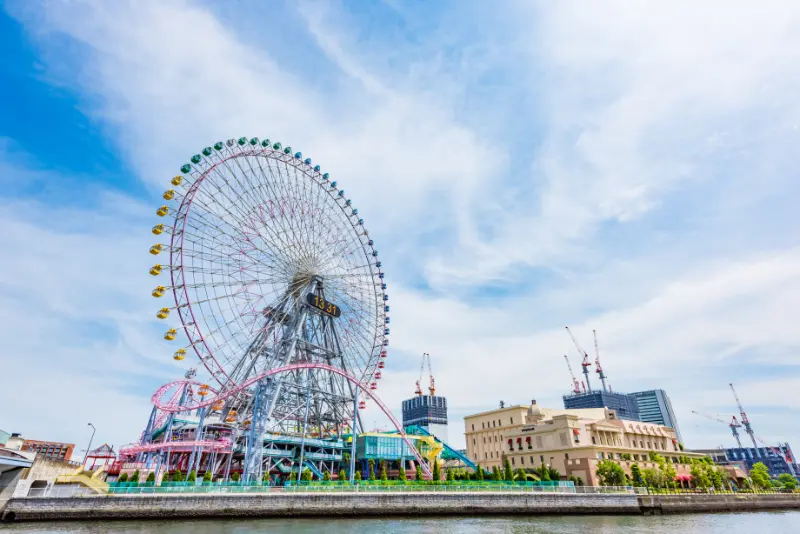
Yokohama deserves enough time to feel like a destination rather than a box between better-known stops. 4 days give a first-time visitor room for essential sights, neighbourhood life, meals and a flexible block without turning every morning into a race.
If Yokohama is part of a wider journey, compare the pace with Japan Beyond Tokyo in 10 Days: Kyoto, Nara, Hiroshima and Osaka Without Constant Packing. This city guide adds local depth rather than repeating the broader route.
Quick trip summary
- Ideal stay: 4 days for a first visit.
- Best planning rule: group days geographically and protect one flexible half-day.
- Best for: first-time visitors, couples, solo travellers, families and slower-paced travellers.
- Main risk: adding too many excursions or cross-city transfers and losing the destination itself.
Why 4 days works
The aim is not to maximise the number of attractions. A useful city itinerary should reduce backtracking, keep the hardest reservation or weather-dependent experience protected, and leave enough unstructured time for meals, rest and the small discoveries that make a destination feel distinct. Four or five days also allow different travellers to move at different speeds without turning every delay into a problem.
Yokohama has enough contrast to justify a real stay, but it remains manageable when each day has a geographic focus. Alternate heavier sightseeing with easier periods so the trip works for different ages, interests and energy levels.
Where to stay
| Area | Why choose it |
|---|---|
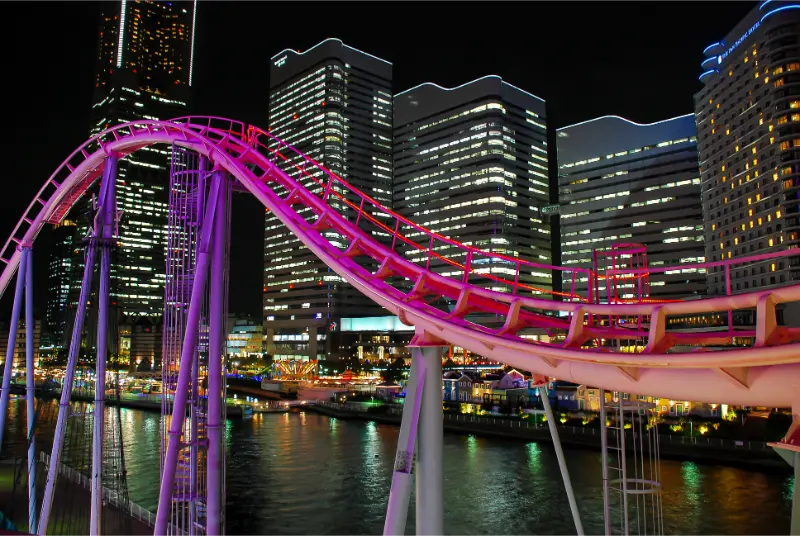
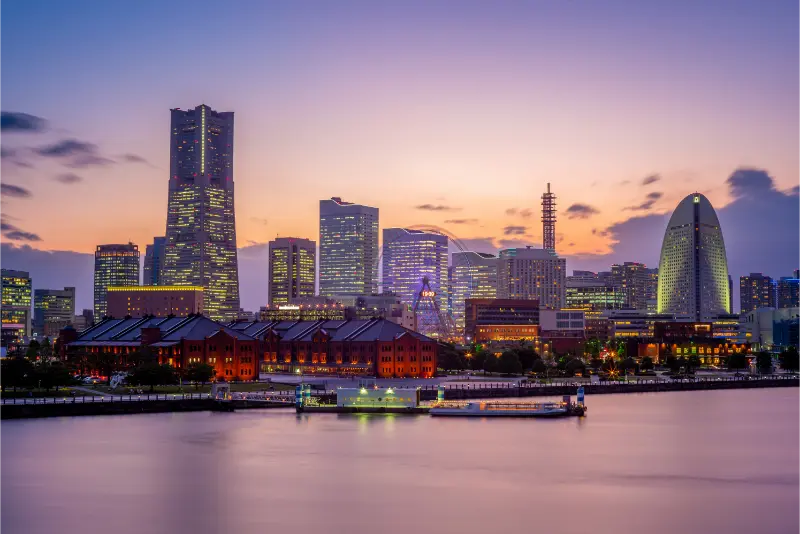
| Minato Mirai | Best for harbour views, modern hotels, museums and an easy first visit. |
| Kannai / Bashamichi | Good for port history, access to Chinatown and a more textured mix of old and new. |
| Motomachi / Yamate | Quieter and atmospheric, with historic foreign-influenced streets and hillside walks. |
| Yokohama Station area | Extremely practical for regional transport and shopping, though less distinctive as an evening base. |
Choose a base according to the part of the city you will use after 18:00, not only the attractions you will visit at 10:00. Evening restaurants, lighting, gradients, transit frequency and the final walk back to the hotel often matter more than saving a few euros. Before paying, check recent reviews for noise, lift access, air conditioning or heating, and the exact distance from the transport stop you expect to use.
A realistic 4-day itinerary
Day 1: Minato Mirai and the waterfront
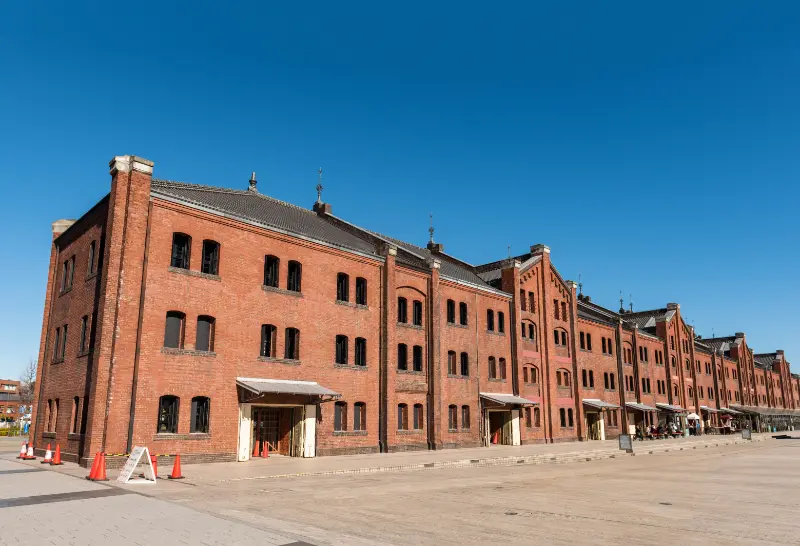
Start around Sakuragicho and Minato Mirai, walking toward the Red Brick Warehouse and harbour. Keep one museum or observation stop as the anchor rather than trying to enter every waterfront attraction.
Day 2: Chinatown, Yamashita Park and Motomachi
Explore Chinatown outside the absolute meal rush if possible, then connect Yamashita Park, Motomachi and Yamate. These areas fit one coherent day and show a different side of the port city.
Day 3: port history, Kannai and local Yokohama
Use Bashamichi, Kannai and one cultural museum or garden. Finish in Noge or another local dining area so the day is not entirely built around landmark waterfront spaces.
Day 4: Sankeien, flexible harbour time or Kamakura decision
Choose Sankeien, another museum, a slow harbour day or a carefully considered Kamakura outing. If Kamakura already has its own place in the wider Japan route, stay in Yokohama.
Arrival strategy
Yokohama is extremely well connected. The official visitor bureau notes that central Yokohama is roughly 30 minutes from Haneda Airport and around 25 minutes from central Tokyo by common rail routes; Shin-Yokohama connects the city to the Tokaido Shinkansen. Confirm whether your hotel is nearer Yokohama, Sakuragicho or another station before choosing a transfer.
Arrival day should carry less risk than the rest of the trip. Save the accommodation address offline, know the first transport option before landing or leaving the station, and avoid a non-refundable attraction immediately after a long journey.
Getting around efficiently
The visitor core is compact enough for walking combined with the Minatomirai Line, JR, buses and boats. The Akai Kutsu sightseeing bus can help on the bay–Chinatown axis, but the simplest plan is still to group Minato Mirai, Kannai/Chinatown and Yamate into separate blocks.
Compare routes door to door, not station to station. Waiting time, stairs, transfers and the final walk can make the nominally fastest option worse for a family, a senior traveller or anyone carrying luggage.
Best time to visit
Spring and autumn are excellent for walking; summer is hot and humid, while winter often brings clear views and comfortable daytime exploration. Weekends, holidays and events can make Chinatown and waterfront areas much busier.
Seasonal planning should also consider daylight, local holidays, school breaks and whether your most important experience depends on clear skies, calm water or outdoor access.
What to book before arrival
Book only the elements that can genuinely disrupt the trip if they sell out: a timed landmark, scarce train, special performance, high-demand excursion or airport transfer at an awkward hour. Leave ordinary museums, neighbourhood walks and most meals flexible unless your dates coincide with a major event or public holiday. Recheck official opening information shortly before travel because maintenance, weather and local events can change access.
Food strategy
Chinatown is an obvious attraction, but Yokohama has more than one food identity. Add local ramen history, Noge izakaya streets or station-area dining, and avoid making every meal a queue at a famous Chinatown restaurant.
Meals should also function as rest. A very good restaurant ten minutes from where you already are can be a better travel decision than a famous address requiring forty minutes of extra transport.
What is actually worth prioritising
Prioritise Minato Mirai, the historic port axis, Chinatown plus Yamate, and one quieter cultural area such as Sankeien. Yokohama is strongest when modern harbour architecture and the history of international exchange are experienced together.
A practical decision that saves time
The official visitor guide lists direct airport and Tokyo rail connections and several local day passes. A pass is worthwhile only if your actual route uses enough eligible trains or buses; otherwise an IC card and normal fares may be simpler.
Less obvious experiences worth keeping
Noge, Bashamichi and the hillside streets of Yamate provide the texture missing from a waterfront-only itinerary. They help the city feel distinct from Tokyo rather than like a collection of attractions beside Tokyo Bay.
Should you add a day trip?
Kamakura is close and tempting, yet Yokohama does not need to be sacrificed for it. If the wider Japan trip already includes temples, coastal towns or Tokyo day trips, keep all four days in the city and use the final day for Sankeien or neighbourhood depth.
A day trip earns its place when it adds a landscape, historical layer or experience that the city cannot provide. Count total door-to-door time, not only the advertised train, ferry or driving time.
Travelling with children
For families, the most resilient pattern is one main attraction before lunch, an easier second block, then an evening close to the hotel. Playgrounds, parks, aquariums, boats and markets can be more valuable than another formal museum. Build toilet, snack and shade opportunities into the route and verify age, height and stroller rules directly with any attraction where they matter.
Travelling as a senior or at a slower pace
Slower-paced travellers should reduce daily crossings before reducing the number of days. A central hotel, one taxi at the right moment and an afternoon rest can improve the trip more than deleting an important sight. Check lifts, steps, surfaces, heat exposure and seating for the exact attraction; broad claims that a whole district is accessible are rarely useful enough.
Budget planning
Separate the budget into accommodation, local transport, paid sights, meals and optional excursions. This makes trade-offs obvious: a more central hotel can reduce taxi costs, while one premium guided experience may provide more value than several mediocre admissions. Keep a contingency for weather changes, late transport and a meal chosen for convenience rather than price.
Weather backup plan
Prepare at least one indoor substitute and one outdoor activity that can move between days. Do not lock the entire trip to a forecast several weeks in advance; instead recheck two or three days before each weather-sensitive block. If conditions turn poor, protect the experience that is hardest to replace and move the flexible neighbourhood day.
Accessibility and mobility
Accessibility is route-specific. A destination may have accessible public transport yet still include steep streets, old paving, stairs or crowded entrances. Travellers using wheelchairs, walkers or strollers should verify the exact station exit and attraction entrance, and should consider a taxi for the one transfer that removes the largest physical barrier.
Connectivity, payments and practical details
Download offline maps, store the accommodation address in the local language where useful and keep an offline copy of important tickets. A local eSIM or SIM can make transport changes easier, but the day should not fail because a phone battery dies. Carry a power bank, a backup payment method and enough local currency for small transactions where cards or apps are unreliable.
What to pack
Comfortable walking shoes, destination-appropriate layers, sun or rain protection and a small day bag matter more than extra outfits. Add personal medication, a refillable bottle where practical and a compact power bank. Pack for the actual humidity, rain, wind, heat or cold of the destination rather than the average temperature shown by a generic weather widget.
Common mistakes to avoid
- Treating Yokohama as a two-hour evening extension of Tokyo.
- Spending all four days in Minato Mirai.
- Arriving at Yokohama Station and assuming every attraction is immediately outside it.
- Queuing for every Chinatown meal at peak time.
- Adding Kamakura automatically without considering the wider Japan itinerary.
Responsible travel and local etiquette
Residential streets, markets, places of worship and working neighbourhoods are part of daily life, not open-air sets. Keep doorways clear, follow photography rules, dress appropriately where required and support local businesses when it fits naturally. In natural or coastal areas, follow marked routes, local swimming guidance, closures and current environmental rules.
If you have less or more time
With one day less, remove the most distant excursion or the day with the most transport instead of compressing every highlight. With one or two extra days, add neighbourhood depth, a slower museum block or one nearby excursion that offers something genuinely different. Extra time should make the trip calmer, not simply add more pins to the map.
Safety and decision-making on the day
Use ordinary situational awareness, control valuables in crowded transport and use clearly identified taxis or trusted ride services where relevant. Conditions vary by neighbourhood and time of day, so current local advice is more useful than blanket labels. On excursion and departure days, set a turnaround time early enough that a delay does not threaten an expensive connection.
Useful official resource
Opening hours, fees, access rules, transport schedules and seasonal operations can change. Recheck the official source shortly before departure.
Final planning checklist
- Confirm passport, visa, transit and health requirements for your nationality.
- Reserve the attraction or transport that controls the rest of the itinerary.
- Save the accommodation address and first-day route offline.
- Recheck weather, closures and transport notices before each critical day.
- Keep at least one half-day flexible enough to absorb a delay.
- Leave a generous buffer before flights and other expensive connections.
A strong trip to Yokohama should feel as though you understood how the place fits together, not merely that you collected its famous names. Protect the reservations that matter, group the rest by geography and remove anything that creates more transit than experience.