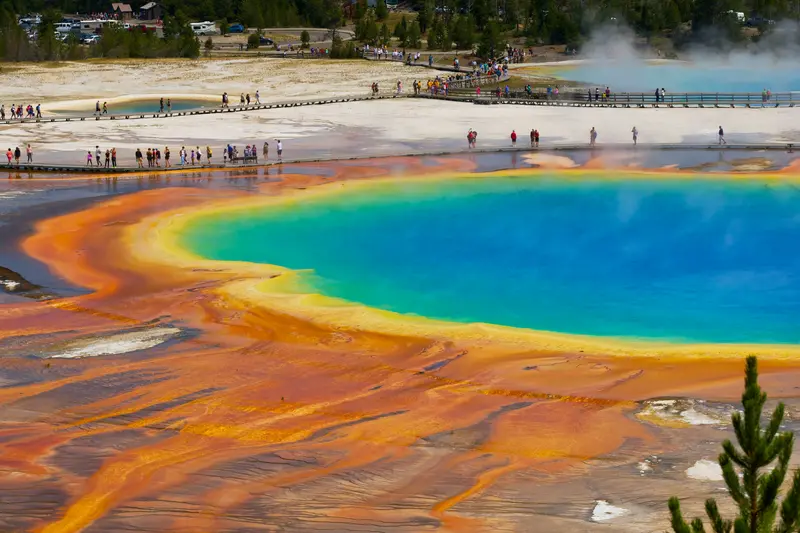
National parks offer extraordinary ways to experience landscapes, wildlife and cultural heritage, but there is no single model of what a national park visit looks like. Some have paved walks, visitor centers and public buses; others require long wilderness journeys and permits issued months ahead. A trip can be wonderful without climbing a famous summit. For families, older travelers and visitors with disabilities, a carefully chosen lookout, guided nature program or short boardwalk may be far more rewarding than a strenuous hike that leaves everyone exhausted. Planning begins with the official park website, not a photo of an empty trail.
Know who manages the park and what protection means
National park labels differ between countries and sometimes between regions of one country. Check the management authority, park boundaries, rules for vehicles and wildlife, and whether private land or indigenous territories exist within the wider landscape. Some parks contain sacred places or communities whose rights and instructions deserve respect. A recognized protected area is not automatically a free public playground. Certain trails, beaches or cultural sites can close seasonally for conservation or safety reasons.
Use official information to distinguish open viewpoints from restricted zones. Ask whether a guided visit is mandatory for certain areas, whether drones are prohibited and what photography rules apply. Respect for nature and local communities is part of the experience, not an optional extra after choosing the itinerary.
Check permits, entrance fees and reservation systems
In busy parks, a ticket to enter the wider area may not be sufficient for a popular trail, campsite, shuttle or timed vehicle entry. Some permits are limited by quota or allocated through lotteries; others are available close to departure. Fees can vary for residents, international visitors, vehicles, children and seniors. Confirm the official booking provider and understand whether a pass covers admission or merely a portion of the experience. The US National Park Service, for example, recommends checking each park’s own alerts, reservations and access rules, while Recreation.gov hosts many but not all federally managed bookings.
Avoid purchasing high-priced ‘guaranteed passes’ from unverified resellers. If a headline attraction is sold out, seek officially approved alternatives rather than entering a closed trail. Keep booking confirmation accessible offline where mobile signal may be limited.
Pick a base that reduces unnecessary travel
A popular park may be several hours from the nearest major airport. Staying within or near the park can shorten morning transfers, but accommodation may be limited or expensive. Calculate the actual route from your hotel to the entrance you will use, not merely the distance to a park pin on a map. Some entrance roads close in winter, while a shuttle may replace private cars in peak season. A village on the wrong side of a mountain range can look close on a map and still require a long drive.
For mixed-age groups, choose a base with food shops, medical services and rest opportunities. Do not book a beautiful lodge solely because it is isolated. A comfortable night, predictable meals and fewer early alarms usually improve the quality of time spent outdoors.
Use trail details rather than vague difficulty labels
A trail called ‘easy’ may be short but contain steep steps, loose gravel, heat exposure or no shade. Read distance, elevation gain, route surface, estimated time, water availability and whether the return is uphill. Look at accessible-route information separately from general difficulty. Check whether trails are loops or out-and-back and identify turnaround points. Weather, altitude and recent closures can change the real difficulty dramatically.
For children, pick a route with engaging stops rather than a long monotonous ascent. For older walkers, allow extra time and rests without treating age itself as a diagnosis. Travelers using wheelchairs or mobility aids should request current details about slopes, surfaces, accessible restrooms and shuttle lifts. Official park accessibility contacts can often clarify what a generic travel review cannot.
Take wildlife safety and habitat protection seriously
Wild animals are not attractions to feed, touch or approach for photographs. Distance recommendations and rules vary by species and park. Use the official advice for encounters with bears, big cats, bison, monkeys or marine animals where they are relevant. Keep food secured and never leave rubbish or scented items in areas where animals can access them. Feeding wildlife can change behavior and create danger for both visitors and the animal. Stay on authorized paths and observe seasonal closures designed to protect breeding or nesting areas.
If traveling with children, explain these boundaries before arriving. A child who understands why quiet observation matters may enjoy watching birds and tracks more than attempting a close-up selfie. Bring binoculars if appropriate, and value not disturbing the animal as a successful outcome.
Check seasonal conditions and natural hazards
A park open all year may have only part of its road network accessible in winter. At other times, wildfire smoke, floods, tropical rain, lightning, heat or rockfall can close routes suddenly. Consult park alerts and the local meteorological authority shortly before each visit. A forecast for the nearest city may be a poor description of conditions at high elevation. During hot periods, plan short morning walks, carry enough drinking water according to park guidance and choose shaded activities in the afternoon.
Do not depend solely on mobile reception. Download maps and tell someone your planned route when venturing beyond busy areas. For backcountry travel, local expertise and additional equipment may be necessary. Beginner visitors should not interpret a popular social-media photo as evidence that the journey is straightforward or safe.
Build an itinerary with different levels of activity
Instead of stacking three major hikes in one day, pair one primary experience with one flexible alternative. A morning ranger program, a scenic drive and a short accessible path can fill a satisfying day. Include stops for meals, toilets and hydration. Families may benefit from nature discovery programs, junior ranger activities or cultural demonstrations where available. Older visitors might choose interpretive trails and guided drives that reveal more about the landscape with less physical strain.
Choose one location where the group can separate for a short time if appropriate: keen hikers take a longer approved route while others visit a visitor center, then everyone meets at a fixed point. Agree on communication before the group splits, particularly where phone service is uncertain.
Make conservation part of the travel budget
Park fees can fund visitor management or conservation, but effects vary across jurisdictions. Choose authorized guides and locally operated services that follow park rules. Stay on established paths, take litter home, observe fire restrictions and avoid removing rocks, shells, plants or artifacts. In sensitive communities, ask whether a site or ceremony welcomes visitors before arriving. The UNESCO sustainable tourism approach emphasizes participation by local communities and protection of heritage values, an idea worth applying beyond famous World Heritage destinations.
Avoid rushing from one fragile viewpoint to another simply to collect photographs. Spending longer in fewer places can reduce driving and improve appreciation. Choose experiences whose operators explain protection measures rather than treating conservation as decorative marketing.
A simple two-day park plan
Day one can begin with the visitor center for current trail conditions, then a short interpretive walk and a relaxed scenic drive. Leave the afternoon open for a ranger talk or wildlife viewing from an approved distance. Day two can be a moderate trail chosen according to actual surfaces, weather and ability, with a shorter backup option already selected. If a permit is necessary, secure it before locking in accommodation. Keep a food, water and emergency plan proportionate to the route.
The right plan is the one that leaves room to notice sounds, light and landscapes. A national park visit is not measured by altitude climbed or number of trail photos shared.
Interpret visitor information carefully before entering the park
An official map may use symbols for trailheads, accessible routes, picnic areas, potable water and emergency points. Learn what each icon means for that particular park. A marked path does not guarantee phone coverage, wheelchair usability or protection from lightning. If a trail crosses a river or snowfield, the conditions can change after the map was printed. Visitor-center staff can often explain which options are currently open and appropriate, but you still need to describe your group’s abilities and intended plans honestly.
Check whether advance reservations are required for guided interpretation, accessible transportation or special equipment. Some parks offer educational programs for children and visitors with different sensory needs. Others have quiet times or restricted areas to protect wildlife. A visitor with hearing loss may benefit from printed interpretation; someone with low vision might appreciate tactile exhibits or an audio tour where offered. These details can transform a nominally accessible trip into one that is genuinely enjoyable.
Make a decision point part of every outing: before leaving a visitor center, identify what conditions would make you turn around. Heat, tiredness, deteriorating weather or a closed path are sensible reasons to change plans. A park visit should leave people feeling connected to the landscape rather than obligated to finish a route simply because it appeared in an itinerary.
Frequently asked questions
Are all national parks free to enter? No. Fees, passes and permits vary, sometimes even within one park.
Do I need a guide? Some activities or protected areas require one; others are self-guided. Check official park rules.
Are national parks accessible to wheelchair users? Many offer some accessible facilities, but paths and transport vary substantially; verify individual routes.
Can I use a drone? Restrictions often apply. Never fly without checking park and aviation rules.
Is a popular route always safe for beginners? No. Weather, altitude, terrain and personal capacity matter more than popularity.
Official resources to check before traveling
Requirements and facilities change. These primary sources are starting points; verify the rules for your precise dates and itinerary.