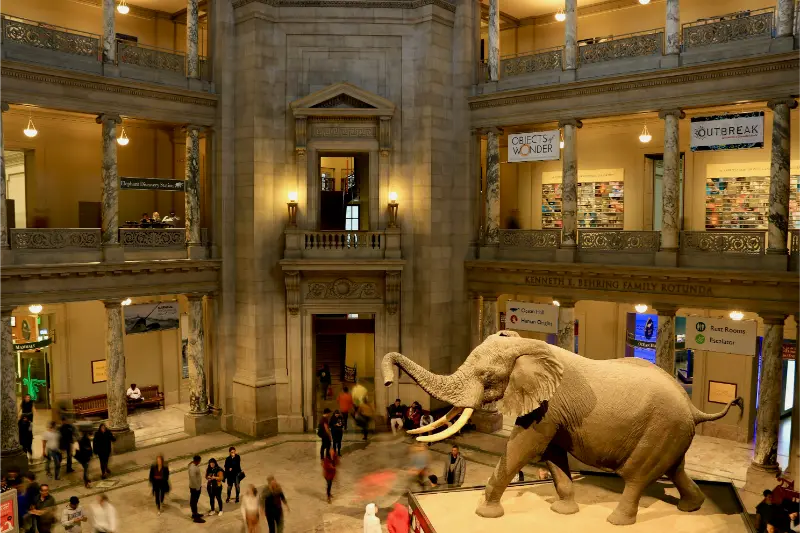
A museum can be the highlight of a family holiday or the moment when everyone becomes exhausted and impatient. The difference is often the planning, not the quality of the collection. A brilliant institution can feel overwhelming if a group tries to visit every gallery, while a small local museum may create a lasting memory through one memorable exhibit. Multi-age travelers bring different interests, energy levels and access needs. A successful museum day balances curiosity, comfort and the freedom to stop without guilt.
Quick planning reference
| Decision | What to check | Useful action |
|---|---|---|
| Priority | Two or three collections only | Plan a flexible route |
| Access | Toilets, lifts, benches and quiet areas | Use official access guide |
| Tickets | Timed galleries and family concessions | Calculate actual group price |
Choose a museum that suits the group
History, science, art, natural history, technology and local culture museums offer different visitor experiences. A child fascinated by dinosaurs may enjoy an interactive natural history display, while a teenager might prefer design, photography or a museum connected to a social issue. Grandparents may want comfortable galleries with strong interpretation and opportunities to talk about changes they have witnessed. There is no obligation for everyone to love the same collections equally.
Start with one primary museum that suits most of the group and add a smaller optional stop. Read the official website for current exhibitions, age recommendations and gallery closures. A large institution can require several hours just to reach the most popular exhibit. Choose two or three priority collections rather than treating the entire floor plan as a checklist. Small local museums can be especially effective at connecting familiar streets to unexpected stories.
Look beyond the headline attraction
A famous artwork or skeleton attracts visitors, but the gallery immediately beside it may tell a richer story. Before arriving, read the institution’s introductory material about its collection and communities. Museums are increasingly attentive to the origins of objects, questions of representation and the rights of source communities. The International Council of Museums provides ethical guidance for professional practice, including collection care and responsible interpretation.
Encourage conversation without turning the visit into a test. Ask children what surprised them; invite teenagers to challenge an exhibition’s perspective respectfully; and listen to older relatives who can connect displays to lived memory. Some topics—including war, migration, colonialism or loss—may require preparation for younger visitors. Explain that a museum presents evidence and interpretations, not a complete and neutral version of every historical event.
Reserve realistically and avoid queue fatigue
Popular museums may offer timed entry even when general admission is free. Special exhibitions, planetarium shows and workshops can require separate tickets. Check reservation rules, security screening, prohibited bags and the last admission time. A ticket at 10:00 does not mean your family can arrive at 10:20 without consequences. Leave time for public transport, cloakroom queues and finding the correct entrance.
Avoid booking another major attraction immediately afterward. Children need time to eat and move, and adults need a break from dense information. A café or outdoor square near the museum can turn a demanding morning into an enjoyable day. If the museum is closed unexpectedly, have a nearby alternative such as a library exhibition, heritage walk or indoor market. The fallback should be genuinely flexible, not another prepaid commitment.
Evaluate accessibility at the gallery level
A museum may provide step-free entry but still have galleries reached by narrow historic stairs, temporary displays with cramped passages or seating only in certain sections. Ask for the accessible route, elevator information, restroom locations and policies on mobility aids. Some institutions have wheelchairs to borrow, but availability may be limited and require reservation. A visitor with pain or fatigue may value a short route with benches more than a technically step-free marathon.
For people with low vision, ask about audio description, tactile models, large print and permitted handling sessions. Visitors with hearing loss may want captioned media, induction loops or sign-language tours where available. Sensory-friendly sessions can support people who find noise, crowds or intense lighting difficult. Check the exact date and conditions of those offerings; they are not necessarily available throughout normal opening hours.
Give children agency and manageable tasks
For a toddler, a short look at bright objects, animals or moving exhibits may be enough. Preschool children often learn through questions and storytelling rather than detailed labels. Provide one simple task, such as spotting a shape or comparing two objects. School-age children may enjoy a scavenger trail or a museum worksheet if it does not become homework. Give them a choice between two galleries so they feel involved.
Teenagers can use their interests to shape the visit, perhaps selecting a room on fashion, photography, science or music. Allow space for independent observation within agreed boundaries and follow the museum’s rules on devices. Avoid forcing a posed family photograph in front of every famous object. The best outcome is a conversation afterward about what each person noticed, not a record proving that the entire museum was covered.
Handle crowds, noise and behavior calmly
Interactive museums can be lively, while art galleries may expect quieter movement. Read conduct rules and explain them in advance. Children should not touch exhibits unless invited, and running can endanger visitors and collections. Some museums permit snacks only in designated areas; do not open food in galleries because a child becomes impatient. Planning breaks early is better than negotiating after everyone is hungry.
High-profile temporary exhibitions may have dark rooms, loud audio, projections or disturbing content. If sensory needs are relevant, request a visitor guide describing those conditions before buying tickets. Adults can also become overwhelmed by noise and crowds, so consider quieter opening periods and shorter visits. Make it acceptable for a family member to sit out one gallery while others continue, provided everyone has a clear meeting arrangement.
Budget with the full visit in mind
Admission policies differ widely. Many museums offer free permanent collections, but special displays can cost extra. Child, student, senior and resident discounts may require identification. Family packages are not always cheaper than individual admission, so compare the actual group composition. Add travel, lockers, lunch and workshops to determine the complete expense. A remote hotel can make a supposedly free museum more costly through transport.
City passes sometimes include museums, but pass eligibility can be complex. Count the specific institutions you will realistically visit and read the reservation rules. If the main museum is free, paying for an expensive pass just because it appears to include that museum may be poor value. A small museum with a modest admission fee and personalized interpretation can be equally worthwhile as a large national institution.
Build a flexible morning plan
A comfortable family visit might begin with an orientation map and a toilet break, followed by the most important gallery. After forty to sixty minutes, depending on ages and energy, pause for a drink or snack in the permitted area. Visit one second collection if enthusiasm remains, then stop while the experience is still positive. Adults who want a longer look can alternate childcare responsibility or arrange a second independent visit.
For a multigenerational group, agree on a meeting point and time rather than insisting everyone stand together. One person can enjoy a temporary exhibit while another visits the café. A shared lunch becomes a chance to exchange discoveries. If the museum offers a guided tour, confirm its duration and whether seating or step-free routes are available. An excellent tour is less enjoyable when it requires prolonged standing that a participant cannot manage.
Connect exhibits to the destination beyond the museum
After a history museum, visit a nearby square or street mentioned in the displays. After a design exhibition, observe local architecture and public transport. A natural history museum can inspire a short botanic garden walk; a maritime collection can lead to an accessible waterfront viewpoint. These connections help turn exhibits into a deeper understanding of place rather than an isolated indoor activity on a rainy day.
Keep the link manageable. A museum about local industries might suggest a neighborhood café or historic marketplace rather than a complicated journey to a distant factory site. Discuss with children how the objects in a display relate to everyday life. Ask whether the stories of residents, workers and minority communities are represented. Responsible cultural tourism is as much about listening as checking famous institutions off a list.
Photography and cultural respect
Rules about photography vary by gallery and exhibition. Flash, tripods, video and commercial use may be restricted even where casual photos are permitted. Some cultural or sacred objects should not be photographed because of community protocols, not merely conservation concerns. Follow the institution’s instructions and do not photograph other visitors or children without permission. Never touch an artifact for a staged image.
Treat staff and volunteer guides with respect, especially when asking complicated historical questions. If a label seems incomplete or disputed, look for more interpretation and reliable research rather than confronting the nearest attendant. Many museums publish resources or host discussions that explore changing understandings of collections. Curiosity can coexist with care for the people and objects involved.
Frequently asked questions
How long should a museum visit last with young children?
It depends on attention and energy. A short focused visit with breaks may be better than several hours. Select priority galleries before arriving.
Are free museums always completely free?
No. Permanent galleries may be free while temporary exhibitions, workshops or special experiences require tickets. Check current official prices.
Do museums provide wheelchairs and sensory support?
Some do, but availability differs. Contact the museum for specific services, reservations and accessible routes rather than assuming universal provision.
How can teenagers enjoy a museum they did not choose?
Offer a choice of galleries, connect exhibits with their interests and allow independent observation within clear boundaries. Avoid an overly rigid itinerary.
Can we take photographs everywhere?
No. Rules vary by collection and may reflect copyright, preservation or cultural concerns. Follow signs and ask staff when unsure.
The best museum day ends before curiosity turns into exhaustion. Choose carefully, adapt the pace and make room for each person to experience a collection in their own way. A single object that starts a thoughtful conversation can be worth more than an entire afternoon spent rushing through galleries.
Official and specialist references
Rules and availability may change. Check current official destination and provider information before booking or making health-related decisions.