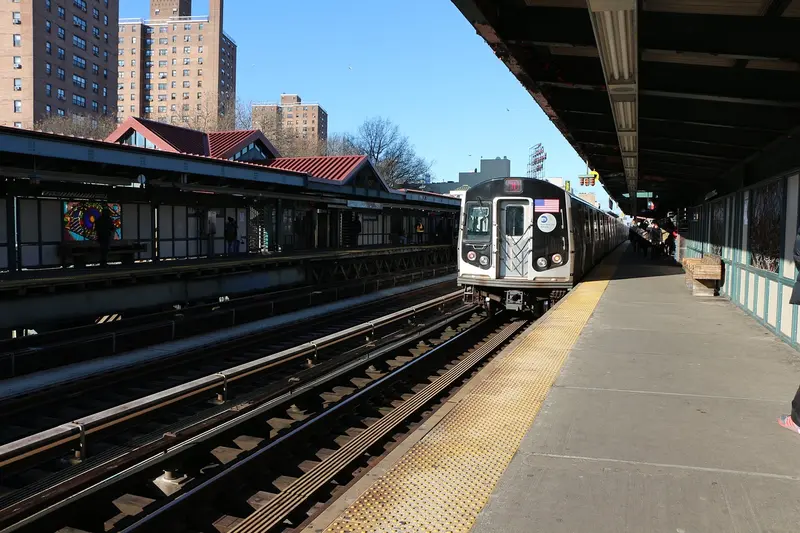
Train travel can be one of the most enjoyable ways to see a country, but bags change the experience quickly. A large suitcase that rolls smoothly across an airport may be awkward on old station steps, narrow train aisles or crowded platforms. Unlike flights, rail luggage allowances and security procedures vary widely by operator and route; there is no single worldwide rule about dimensions, storage or the number of bags. Good planning means bringing what you can move safely, understanding station layouts and allowing enough time to board without rushing. Families, senior travelers and visitors with mobility needs benefit especially from treating luggage logistics as part of the itinerary.
At a glance
- Read each train operator’s own baggage requirements.
- Pack only what you can safely lift and move between platforms.
- Allow extra time for stations, lifts and connecting services.
Research the specific operator's baggage policy
Do not assume every railway has the same rules. Some intercity trains offer generous included luggage, while budget operators may limit large bags or sell extra space. High-speed services crossing borders can have their own dimensions and security requirements. Overnight sleepers may allow bags in compartments but have little room for rigid suitcases. Before purchasing tickets, check the official operator's current baggage page for number, size, weight, prohibited items and any reservations required for oversize equipment.
A rail pass does not necessarily waive an operator's luggage conditions. If you change between companies, repeat the check for each segment. Sports equipment, musical instruments, bicycles and large strollers often have separate policies. Eurostar, for example, publishes route-specific size information and dedicated conditions for some excess or oversized items. Treat policy information as subject to change, and save a copy of relevant conditions in case of questions at boarding.
Choose bags you can actually lift and maneuver
The most practical suitcase is not always the largest one permitted. Imagine lifting it into a rack, carrying it over three station steps and turning with it on a crowded platform. If that sounds uncomfortable, pack lighter or use two manageable pieces rather than one oversized case. A soft-sided bag may fit an awkward storage shelf more easily, while sturdy wheels help on smooth urban surfaces. Test the packed weight at home rather than learning at the station that you cannot lift the bag safely.
Consider your route's surface conditions. Cobblestones, pedestrian underpasses, gravel access roads and snow can make small suitcase wheels difficult. A backpack can free your hands on stairs, but it may be uncomfortable for people with back problems and may bump other passengers in crowded aisles. Keep one small accessible bag for tickets, medication, water, baby supplies and valuables. Important items should not disappear into the suitcase you put at the far end of a carriage.
Plan the station entrance and platform route
Large stations may have several entrances, multiple levels, long corridors and confusing platform allocations. Study the official station map before departure and identify lifts, escalators, stairs and the route from your arrival mode. A metro station sharing the same name may still be a significant walk from the intercity platforms. If you arrive by taxi, check which entrance offers step-free access and whether cars may stop there. Leave extra time when moving with strollers, wheelchairs or multiple suitcases.
Station lifts can be out of service and escalators may not allow bulky equipment. Check accessibility alerts where available and identify a fallback route. Ask for assistance through official channels when needed, respecting notice requirements. A platform change announced just before departure is challenging when carrying heavy bags, so stay near information displays and avoid settling far from the correct boarding area. If your connection is short, reducing luggage may be as valuable as choosing a faster train.
Understand boarding time and carriage location
Some trains arrive early and allow relaxed boarding; others stop for only a short period. Read the boarding instructions for the specific service and never assume every international train works like an airport. Reservations may identify your carriage number and seat. On long platforms, standing at the wrong end can mean an uncomfortable sprint with luggage. Operators sometimes publish carriage-position displays, but these are not universal or always accurate after train substitutions.
Arrive with a safe time margin, look for clear signage and keep everyone together. Do not block doorways while reorganizing belongings; move into the carriage and store bags promptly as directed. If a bag is too heavy to lift, ask train staff about safe options rather than balancing it precariously overhead. Avoid standing in closing doors or trying to board a departing train to save a connection. The consequences of a missed departure are less serious than an injury on the platform.
Find appropriate luggage storage on board
Long-distance trains may have large racks near carriage entrances, spaces between seat backs and overhead shelves for smaller bags. Use the designated area for the bag's size and follow staff instructions. Do not block emergency exits, wheelchair spaces, doors or aisles. On crowded trains, your reserved seat does not guarantee that a nearby luggage rack will remain empty. Consider keeping a smaller bag at your seat and placing the main suitcase in the proper shared storage area.
Label bags discreetly with a name and contact method, avoiding excessive personal details. Take a quick photograph of the suitcase and note the carriage if it is stored away from view. Keep passports, money, medication and important electronics with you. Never secure baggage in a way that obstructs safety equipment or prevents other passengers from using the rack. On trains with multiple stops, pay attention as people move around shared storage, but avoid accusing others merely because they handle their own luggage nearby.
Protect valuables without becoming anxious
Train travel is generally straightforward, but theft and misplacement can occur in busy terminals or carriages. Use practical habits: close zips, keep a small valuables bag on your person, and avoid leaving a phone unattended while shopping. When using a station cafe, take bags into your seating area where permitted and ensure that someone responsible watches them. If traveling overnight, keep essentials and documents secure without creating a trip hazard in a shared sleeping compartment.
Tracking tags may help locate a misplaced suitcase, but they are not a substitute for clear labels and an organized packing system. Save booking confirmations and emergency contact numbers offline. If an item goes missing, report it promptly to train staff or the operator's lost-property service and record the train number, route, carriage and time. Avoid following a tracker into unsafe areas or confronting someone yourself. A calm, documented process is more likely to help than improvising a search in an unfamiliar city.
Build realistic connections when changing trains
The scheduled gap between trains may not reflect the actual time required to change platforms, descend stairs or find a new operator's boarding area. A station interchange involving separate terminals can require far longer than a same-platform connection. Add time for immigration or security where applicable, and examine whether a missed connection is protected by the ticket arrangement. Separate tickets can create different rights from one through booking, so read the conditions.
If traveling with children, several bags or mobility equipment, leave more than the bare minimum advertised for able-bodied passengers with light luggage. Use an itinerary with fewer changes where practical, even if the journey takes slightly longer. A direct train can provide better value than several cheap connections because it reduces handling, stress and missed-connection risk. Plan a meal or cafe break during a long transfer rather than treating spare time as wasted.
Manage strollers, wheelchairs and assisted travel
Folded strollers may be accepted without additional charge on some services, but storage rules differ. Confirm whether you must fold them before boarding and where they may be placed. If your child still needs a stroller at the destination, avoid purchasing an itinerary with several difficult stair-only interchanges. For travelers using wheelchairs, request accurate information about the booked train, boarding assistance, wheelchair spaces and accessible toilets, not merely the station's general accessibility rating.
Mobility aids and medical equipment can have rules distinct from ordinary bags. Contact the operator to clarify storage and assistance rather than allowing luggage to obstruct an accessible seating area. A companion may be able to help move a suitcase but should not be expected to perform unsafe lifting. An inclusive rail journey is one in which the passenger can reach the seat and necessary facilities comfortably while retaining safe access to essential equipment.
Consider station lockers and luggage delivery services
Station luggage lockers can free you for a museum visit or a long connection, but not every station has them. Security rules, size limits, opening hours and payment methods vary. Confirm the locker location and latest collection time. A left-luggage counter may require identification, security screening or advance booking. Avoid storing essential medications, passports or valuables, and keep the receipt or access code securely.
Some regions offer luggage delivery or hotel-to-hotel transfer services. These can be useful for multiday rail journeys with heavy bags, though cost, geographic coverage and delivery windows require checking. Never plan around same-day delivery unless the provider explicitly guarantees it, and keep overnight essentials with you. Compare the total service fee with choosing more practical luggage in the first place. For a short city break, a compact bag often remains the simplest and cheapest solution.
Make a family or senior rail day comfortable
Pack snacks, refillable water and layers where appropriate, but avoid carrying a bulky bag of items you will not use. Keep changing supplies and a small activity kit accessible for children. Older travelers may prefer a suitcase with a stable handle and fewer transfers rather than a very light but awkward backpack. Plan seating and assistance before departure, particularly when the boarding platform or carriage has steps. Shared responsibilities work best when each adult knows which bag they are managing.
A clear routine makes the journey calmer: before arrival at a station, repack small items, check under the seat and have tickets ready. Wait until the train has stopped before carrying heavy bags through the carriage. On departure, count bags and verify that passports and devices remain with you. Build an itinerary with adequate rest between travel days, so rail journeys feel like part of the vacation rather than a repeated exercise in moving luggage.
Frequently asked questions
Are train luggage rules the same everywhere? No. Allowances depend on country, operator, service and ticket conditions.
Can I keep a large suitcase next to my seat? Only when space and safety rules permit. Many trains require large items in designated racks.
Do stations always have lockers? No. Confirm availability, hours, size and payment before making plans.
Are strollers free on trains? Often, but folding and storage requirements vary. Check the specific operator.
What is the easiest way to reduce transfer stress? Pack fewer manageable bags, allow extra connection time and prefer routes with fewer changes.
Official resources and further reading
Always check the latest rules, access conditions and safety notices with the relevant local operator or authority.