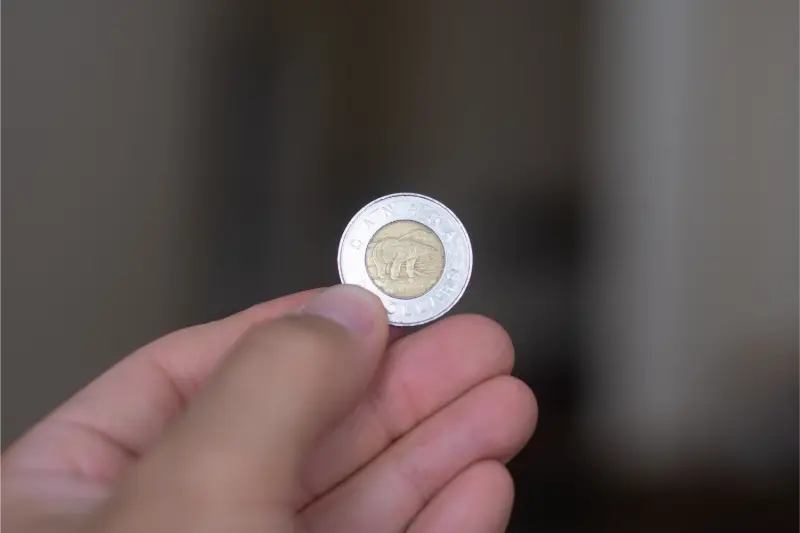
A holiday budget can look reasonable at home and quietly grow more expensive abroad. The cause is not always inflation or overspending: exchange-rate markups, ATM charges, cash withdrawal fees and card conversion choices can add small costs to nearly every transaction. Different destinations also have different payment habits. A contactless card may be accepted at a capital city’s transit gate but not at a rural market, small guesthouse or local bus. The sensible approach is to carry more than one way to pay, understand the costs before departure and know how to recognize the currency choice offered on an ATM screen. This guide is designed for both first-time international travelers and experienced visitors who would rather use their money on the trip itself.
| Payment method | Important limitation |
|---|---|
| Debit card at ATM | Issuer fee, cash limit and operator surcharge |
| Credit card for purchases | Foreign transaction fee and deposit rules |
| Cash | Theft risk and need for small notes |
| Backup card | Store independently from main wallet |
Learn the local currency before buying anything
Start with the official currency of each destination and check whether tourists regularly use another currency in particular situations. An advertised price in dollars or euros is not necessarily the final amount charged to your account. Learn a rough mental exchange-rate reference using an established financial source, then refresh it before travel. Avoid memorizing a precise rate because market rates move; a workable estimate is enough to spot a price that is unexpectedly high. Look at typical costs for airport transport, local meals, transit tickets and small purchases. This helps you estimate an initial cash withdrawal without carrying more money than needed. For multi-country trips, note whether each border crossing involves a new currency, whether old banknotes can be exchanged and whether a small amount of local cash is necessary immediately after arrival.
Understand what your card may charge
Card costs have several layers. Your bank may apply a foreign transaction fee to purchases in another currency. Its exchange rate may differ from the reference rate you saw online. If you withdraw cash, the issuer may charge a cash withdrawal fee and possibly interest when a credit card is treated as a cash advance. An ATM operator can also add its own service charge. Check the card agreement or ask the issuer for the exact fee schedule, ideally with an example in a foreign currency. Do not assume that a card marketed for travel is fee-free in every situation: promotional limits, monthly withdrawal allowances and excluded currencies can apply. When two cards are available, compare their actual total cost rather than selecting the one with the most attractive name.
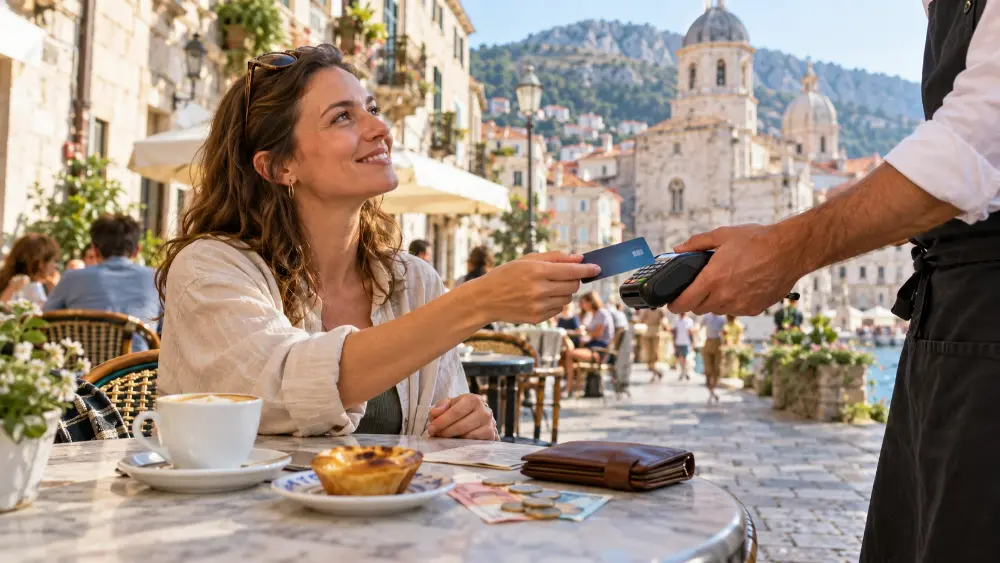
Choose local currency when offered conversion
At an ATM or card terminal you may see a question such as “Pay in your home currency?” This is usually a dynamic currency conversion offer, often called DCC. The provider offers to calculate the charge in your card’s billing currency using a rate and markup shown on the screen. In many situations declining the conversion and choosing the merchant’s local currency produces a better outcome because your card network and issuer handle the exchange instead. However, compare the actual terms of your card; the sensible choice depends on the full costs. The important point is that accepting DCC is optional, and the rate and added fees should be disclosed. Visa’s guidance explains that the merchant or ATM should not select the option for you. Keep the receipt when a terminal’s final amount differs from what you approved.
Make ATMs work for you, not against you
Withdraw cash from a reputable machine associated with a bank when practical, preferably during branch opening hours and in a place where you feel comfortable. Inspect the card slot and keypad for obvious tampering, cover your PIN and avoid people who offer unsolicited help. Confirm the operator fee before proceeding; cancelling and trying another machine may be worthwhile. Some ATMs display withdrawal limits lower than those your own bank allows, so plan accordingly. A few larger withdrawals can reduce fixed fees, but carrying all your holiday money in cash creates a different risk. For most travelers, withdrawing a manageable amount for several days is a reasonable compromise. Avoid using a credit card for cash unless you understand its cash-advance rules. Keep the card and cash separate when possible so one misplaced wallet does not eliminate both.
Carry a backup that truly is independent
Two cards from the same bank are helpful, but a bankwide outage or fraud block can still affect both. When possible, bring another payment method from a different issuer and network, and store it separately. A small emergency cash reserve can cover a taxi, pharmacy purchase or first night’s essentials if electronic payments fail. Do not make that reserve so large that losing it would ruin the trip. Keep the bank’s international support number outside your wallet and ensure you can sign in securely from another device. If you use mobile banking, check whether your security system requires SMS messages to a number that may not receive service abroad. Tell your bank about travel if its current fraud-prevention process recommends it, but do not assume a travel notification prevents every block.
Airport exchange desks and change at the counter
An airport currency exchange kiosk is convenient but may offer a rate or fee structure that is poor value. Compare the amount of local cash you receive after all commissions with the amount you would receive at a reputable city exchange service or ATM. Beware signs advertising “zero commission” when the cost is hidden in the exchange-rate spread. Always count money at the counter and take a receipt. Check the notes for damage and learn which denominations are practical for small purchases. In some destinations, paying a driver with a very large note may be difficult even when the fare is modest. If you need cash immediately upon landing, you can exchange just enough for the first transfer rather than committing the entire budget to the first counter you see.
Plan payments for local transport and small businesses
Before arrival, find out whether the airport train or bus accepts cards, requires a dedicated transit card or takes only cash. This detail matters at night, when staffed desks may be closed. Small businesses often prefer cash because payment terminals cost money or network service is unreliable. Respect clearly posted payment preferences and avoid assuming every seller will accept a contactless phone. For a family or group, one person paying all shared expenses can simplify the moment but make settlement awkward afterward. Agree who pays for hotels, tickets and daily meals, then track expenses in a simple shared note. For older travelers or people who need more time at a counter, preparing the expected amount before boarding or entering a queue can make transactions calmer and more comfortable.
Protect yourself from overcharging and card misuse
Read the amount on the terminal before tapping, especially when the screen is turned away from you. Where possible, keep the card in view instead of handing it to a stranger who walks off with it. Use established ticket sellers and official transport apps when available. Be cautious with unsolicited QR codes, payment links sent by messaging apps or last-minute requests to transfer a reservation deposit to an individual’s account. A real accommodation may communicate through a booking platform, but payment instructions that change unexpectedly are a reason to verify through a known number. Activate transaction alerts and review charges during the trip. If an unauthorized payment appears, contact the issuer promptly and follow its dispute process; take screenshots of suspicious messages and retain booking records.
Watch out for deposit holds
Hotels and car rental companies may place a temporary authorization hold on a payment card in addition to charging the final amount. The hold reduces your available balance or credit even if it is later released. Ask how much will be preauthorized, whether the amount is per room or reservation, and how the company handles a card that is not in the driver’s or guest’s name. A debit card with a low balance may be particularly awkward when a hold blocks money needed for the rest of the journey. Rental desks can have strict credit-card, age and deposit conditions that are separate from the prepaid reservation. Read them before booking. Keep enough uncommitted funds for meals and onward transport while deposits remain pending.
Build a realistic cash-and-card mix
For a short city break, one main card, one backup and a modest sum of cash may be sufficient. A village-based trip, remote trek or island journey may require more local cash and advance research on ATM locations. For a family, spreading emergency money among responsible adults protects against a lost bag or phone. For a long international journey, tracking what currencies you have left can prevent carrying pockets full of unusable coins. If you have accessibility needs, identify ATMs and bank branches with step-free access, suitable keypad height or other usable facilities before cash runs out. Avoid traveling with the entire emergency fund in one bag, and do not display large amounts of cash in crowded locations.
Solve problems methodically
If an ATM keeps your card, note the machine’s identification, address and operator, then call your bank and the machine owner using independently verified contact details. If a charge is duplicated, save the receipt and follow the card issuer’s dispute process. If your wallet is stolen, suspend cards immediately, obtain a police report if advised and contact your insurer if relevant. Banks may offer emergency cash or card replacement in certain circumstances, but delivery times and services vary by location. For a card that suddenly declines, test the alternative card before trying repeated transactions that could increase fraud flags. The best response is a calm backup plan developed at home, not an improvisation outside a closed bank late at night.
The day-before financial checklist
Check your cards’ expiration dates and foreign fee policies. Set transaction alerts, verify your daily withdrawal limit and make sure you can access your financial accounts safely while away. Save a current conversion reference and the bank’s support number. Decide how you will pay for the airport transfer and first meal, including a fallback if the card reader fails. Divide cards and emergency cash between secure places. Finally, remember a simple instruction at the payment terminal: inspect the amount and understand the conversion option before agreeing. A few practical safeguards protect both your holiday budget and your ability to keep traveling if something goes wrong.
Frequently asked questions
Is it always cheaper to choose local currency at the terminal?
Often it avoids the merchant’s dynamic conversion markup, but check your own card’s fees and compare any displayed rates. Never accept an unexplained conversion automatically.
Should I exchange all my money before leaving home?
Usually there is little reason to exchange an entire holiday budget at once. The best mix depends on destination payment habits, exchange options and personal safety.
Is a credit card or debit card better abroad?
Both can be useful. Credit cards may work better for certain deposits, while debit cards may be convenient for ATM withdrawals. Fees and protections depend on the issuer.