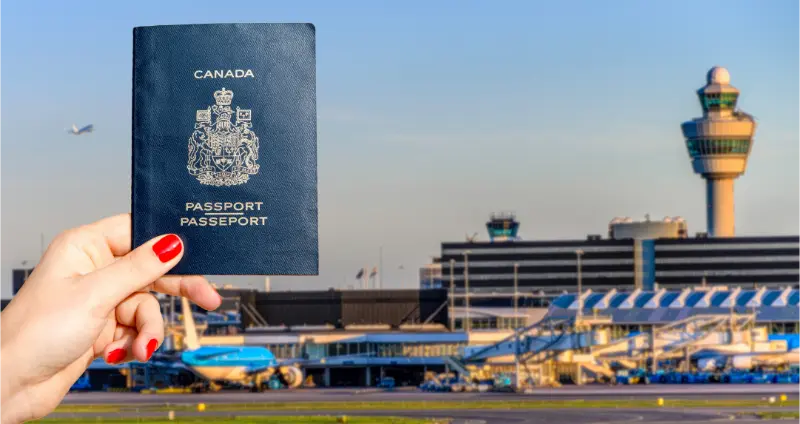
Airport security is easier when travelers understand why a bag might be stopped and what to prepare before joining the line. Screening rules differ by country, airport, equipment and sometimes terminal. New scanners in one building do not guarantee the same procedure on the return journey. Families with formula, people carrying medication, visitors with mobility aids and anyone flying with many electronics need a flexible packing system rather than a universal online checklist. The security officer and the rules applied at the checkpoint govern what can pass through. Plan for the more restrictive sensible scenario, check official departure-airport instructions and keep a little time for questions without treating the process as a test you can fail by asking for help.
At a glance
- Check exact conditions before booking, rather than relying on a universal rule.
- Choose arrangements that work for the ages, abilities and interests of your group.
- Keep a practical alternative in case prices, weather or access change.
Why airport security rules are not identical worldwide
An airport may require passengers to remove laptops and liquid bags, while another permits these items to stay inside carry-on bags when approved scanners are operating. Governments and local regulators decide screening requirements; equipment upgrades happen gradually. Transfer passengers may be screened again after an international connection even when their original departure followed different rules. The permitted cabin bag itself is a separate issue decided largely by the airline and ticket type.
Use the airport and security authority websites for the place from which you depart, and check your connecting and return airports too. Be especially cautious about older videos showing that liquids can be left in bags at a named airport, because a temporary technical restriction or changed rule can reverse that advice. If instructions conflict, arrive ready to present containers and devices separately. The best luggage arrangement supports both types of screening rather than depending on one specific procedure.
Liquids, gels, creams and aerosols
Common restrictions at many checkpoints limit containers of cabin liquids to 100 milliliters each inside a transparent resealable bag of about one liter. Local rules may differ, and medicines or baby-related items can receive exceptions under specified procedures. Importantly, a half-full 200-milliliter bottle may still exceed the container-size rule; it is not enough that the contents look small. Shampoo, toothpaste, sunscreen, liquid makeup, jams and certain foods may all be treated as liquids or gels.
Pack travel-sized products together in an easy-to-remove pouch and leave full-size toiletries in checked baggage where allowed. Do not decant medication into anonymous containers if labels are useful for identifying it. Check sprays for hazardous-material restrictions, which are separate from volume limits. An empty refillable water bottle often simplifies the trip: carry it empty through screening and fill it after the checkpoint wherever safe drinking water is available.
Baby formula, breast milk and children’s food
Passengers traveling with babies may need formula, expressed milk, sterilized water, puree, cooling packs or medically necessary food. In many places these items have screening arrangements beyond the standard small-liquids allowance, but exact quantities and handling rules differ. Check the authority responsible for departure and allow extra time. Declare the items before screening and keep them together, with labeling that allows staff to understand what they are. Ask about alternative inspection if opening a medically important item would be unsuitable.
Pack enough for the journey plus a sensible disruption margin rather than assuming every airport shop sells the correct brand. Bottles and feeding supplies should be accessible without opening the entire suitcase. If traveling with a child who uses a special diet, bring supporting documentation where useful and confirm any transit-airport restrictions. Food carried through screening may also face separate customs or biosecurity requirements on arrival; passing security does not automatically make an item lawful to import.
Medicines and medical devices
Keep essential medicines in cabin baggage whenever the carrier and security rules permit, so treatment does not depend on a checked suitcase arriving. Original packaging, a copy of the prescription and a clinician’s letter can help explain unusual quantities, injectable items or equipment. Check destination-country rules for controlled medications independently of airport screening. A medicine may be accepted through a checkpoint but restricted by the destination’s import laws.
For a CPAP machine, insulin supplies or other medical device, contact the airline and the screening authority ahead of time about batteries, separate trays, handling and possible additional screening. Do not disconnect critical equipment or discard required supplies solely because another traveler describes that as normal. If staff request inspection, calmly explain the functional need and follow the published process for assistance or private screening where available.
Laptops, cameras and power banks
Airport screening and airline dangerous-goods rules are two different systems. A tablet might pass through an X-ray machine in the cabin bag while a loose lithium battery is subject to special rules about where it can travel. Spare lithium batteries and power banks generally belong in carry-on luggage rather than checked baggage, subject to watt-hour limits and operator approval where needed. Check the device label for capacity and do not conceal a damaged or swollen battery in a suitcase.
Keep computers, cameras and cables arranged so an officer can inspect them without tipping out clothes or medication. If a carry-on is unexpectedly placed in the hold at the gate, remove restricted batteries and other items that must remain in the cabin first, in accordance with crew instructions. Carry a charging cable and offline copies of bookings but do not rely on internet access at the checkpoint. Security rules change faster than advice in an old packing video.
Shoes, jackets, belts and pockets
Plan a predictable sequence before reaching the trays. Empty coins, keys and metal objects into a zip pocket inside the bag instead of placing them loose in plastic bins. Wear shoes that are easy to remove when required but suitable for a long walk through the terminal. A light jacket can also help with the variable temperature inside airports. Body scanners or metal detectors may flag harmless objects and lead to additional checks; it is better to allow time than to become frustrated with staff.
Some travelers may request assistance or alternative screening arrangements for a disability, prosthesis or religious clothing. Policies differ by authority, so consult the official accessibility and security guidance in advance. Explain your needs directly and without unnecessary personal details. Never assume another passenger’s experience applies to you; individual screening decisions can differ even within one airport.
Strollers, wheelchairs and mobility aids
A stroller may be X-rayed, hand-inspected or otherwise screened depending on its size and equipment available. Remove bags and loose accessories so they do not get lost. A wheelchair or mobility aid may require a different procedure and should not be dismantled without understanding its safe handling. Explain any fragile control, battery or component to staff and request an accessible screening route if available.
Leave enough time to reassemble the stroller, fasten straps and gather children’s belongings after the checkpoint. A second adult can help by watching the child while the other collects the trays. Travelers alone with a baby can ask staff for practical assistance. Carry a small bag with nappies, wipes, essential medicine and a change of clothes that remains accessible even if the stroller is checked at the gate.
Duty-free liquids and connecting flights
Duty-free liquids bought after one checkpoint may not pass automatically through security during an onward connection. Some jurisdictions recognize sealed security tamper-evident bags with receipts under specific conditions, but the exact rules depend on route, airport and transfer. Do not open sealed bags before a connecting checkpoint if the applicable rule requires them to remain sealed. Bottles that are legal at the purchase airport can be confiscated later if the transit procedure does not provide an exemption.
Before buying, tell the shop the full itinerary, including any connection where checked baggage is not collected. Ask for the appropriate sealed bag and receipt when necessary and understand that retail staff cannot guarantee another country’s decision. Travelers with a direct flight face fewer transfer complications, but normal customs and import restrictions still apply at the destination.
Choosing a faster and calmer checkpoint routine
The real time-saver is organization, not rushing. Put passports and boarding passes in a secure accessible pocket, remove the required items once rather than repeatedly unpacking, and listen for local directions. If the airport offers a family lane or accessibility assistance, find its location before arrival. Lines may become longest around banks of departures; build time into the itinerary rather than assuming a social-media estimate of security waiting time.
Traveling companions can agree on simple roles: one manages the documents, another folds the stroller, and older children check their own empty pockets. Recount trays before leaving the area. Travelers who need more time should not feel obliged to hurry unsafely; move to the side to repack and ask questions when instructions are unclear. Never joke about weapons, threats or other prohibited items at security.
A realistic packing layout for the journey
Use three zones in the carry-on: an easily reached security pouch for liquids and devices, a medical or family pouch for declared essentials, and a main compartment for clothes and other items. Keep fragile electronics padded, not loosely stacked in a tray. This layout works whether your departure airport asks for removal or permits the items to stay packed. Avoid overstuffing the bag so officers can inspect it without damage.

If the group travels with children or older relatives, allow time for hydration and bathroom breaks before or after screening. Everyone should know where their identification is stored. The airport may offer repacking tables or seating near the checkpoint. Once finished, check that the number of devices, passports and bags matches the number you carried in; small accessories and travel documents are much easier to recover immediately than after boarding.
Common screening problems and what to do
When a bag is selected for additional checks, wait for instructions and avoid touching it while an officer is inspecting it. If a product is not permitted, ask whether it can be checked, returned to a non-traveling companion or surrendered; available options depend on airport layout and time before departure. Do not argue that the item passed elsewhere. Security agents work under the current checkpoint rules, not an agreement you had with another airport.
If an essential medication or disability aid becomes the subject of disagreement, ask for a supervisor or the authority’s established assistance process in a calm and documented manner. Arrive early enough that an unusual inspection does not become a missed-flight emergency. Take a photograph of packing arrangement before departure if it helps you reconstruct your bag after inspection, but never photograph screening staff or secure areas where photography is prohibited.
Frequently asked questions
Can I take a half-full large shampoo bottle in hand luggage?
At checkpoints applying the 100-milliliter container rule, a large container generally remains too large even when partly empty. Use a small travel container or checked baggage and check the exact departure-airport instructions.
Must I always remove my laptop from the bag?
No. Procedures depend on the checkpoint technology and local instructions. Pack it so you can remove it quickly if asked, and follow the officer’s direction on the day.
Are baby formula and breast milk treated as ordinary toiletries?
Often they have a special screening process, but permitted quantities, cooling products and declaration procedures are not globally identical. Consult the official authority for each departure or transfer airport.
Can a power bank travel in checked baggage?
Generally spare lithium batteries and power banks must be transported in the cabin, subject to operator restrictions. Verify the actual device capacity and current airline requirements.
Does clearing airport security mean my food is legal to import?
No. Security screening addresses aviation safety; customs, agricultural and public-health import rules are separate and may prohibit food that passed the departure checkpoint.
Quick comparison
| Decision | What to check |
|---|---|
| Standard liquids | Check departure checkpoint container rules |
| Medical or baby supplies | Ask about declaration and screening process |
| Spare lithium batteries | Follow cabin baggage restrictions |
| Strollers and aids | Allow time for alternative inspection |
Official resources and further reading
Rules and availability may change. Check these sources and the relevant local operator before booking.