Category: Travel Experiences & Activities

Glamping, nature, seasonal journeys, culture and memorable travel activities around the world.

  • Observation Decks and Rooftop Views Around the World: How to Choose the Best City Panorama

    Observation Decks and Rooftop Views Around the World: How to Choose the Best City Panorama

    Seeing a city from above can reveal its rivers, street patterns, landmarks and dramatic setting in a way that ordinary sightseeing cannot. Observation decks, hilltop terraces, towers, rooftop gardens and panoramic bars offer very different experiences, however. Some are expensive ticketed attractions with timed entry; others are free public viewpoints reached by transit or a gentle walk. Weather can transform an excellent skyline into a wall of cloud, and a famous height does not always provide the most interesting photograph. This guide explains how to choose a good viewpoint, time the visit, compare genuine costs and consider accessibility, safety and the needs of all generations.

    Choose a viewpoint by what you want to see

    A tower in the middle of a skyline lets visitors identify streets and landmarks close by; a viewpoint farther away can show the skyline as a coherent whole. If you especially want to photograph a famous tower, standing on that very tower may remove it from the picture. Consider the angle of the sun, the direction of the skyline and the distance to the waterfront or mountain backdrop. A lower public terrace can be more memorable than the city’s highest observation floor when the composition is better.

    Decide whether the priority is a sweeping landscape, architectural detail, sunset colours or simply a relaxed break. Families may want a wide enclosed space with toilets and seating; photographers may prefer an outdoor terrace without reflective glass. Travellers who dislike heights may enjoy a gently elevated park rather than a dramatic glass-floor installation. A city with several famous rooftops does not require collecting them all. One carefully selected view can be more meaningful than paying for three near-identical panoramas.

    Ticketed decks, public terraces and rooftop bars

    Commercial observation decks often provide organised queues, security screening, lift access and interpretive displays. Their entry prices and timed slots can be substantial, especially for families. Public terraces, hilltop parks and pedestrian bridges may offer excellent views without a ticket, but they might require outdoor walking or close early. Rooftop bars can have minimum spends, dress codes, reservations and age restrictions; ordering one inexpensive drink may not satisfy a venue’s access policy. Check whether a restaurant view is available only to diners and whether children are welcome at the chosen time.

    Compare total costs rather than the headline attraction price. A deck’s premium sunset slot, fast-track admission, digital photo package and viewing experience may each cost extra. Transport and food can add more. Conversely, a free viewpoint might require a long taxi ride or a steep path unsuitable for some travellers. If an attraction is included in a city pass, verify whether timed reservations are still necessary and whether the relevant ticket tier is included. Booking through the official operator usually provides clearer information about access and restrictions.

    Timing: morning, golden hour, sunset or after dark?

    Morning visits can offer softer crowds and clearer air in some destinations, but local conditions vary widely. Sunset is popular for good reason: the skyline changes colour and the first city lights appear. It is also one of the busiest periods, and choosing a timed ticket exactly at the published sunset time may mean spending the best light in a security queue. Plan enough arrival margin and remember that the most dramatic light can occur before or after the official sunset. Daylight offers easier landmark identification and can be more comfortable for travellers with children.

    After dark, illuminated buildings and traffic trails create another perspective. Outdoor terraces may feel windy and cold even in warm seasons, while glass panels can reflect interior lights into photographs. An enclosed deck may be a sensible choice for rain or winter weather. If your goal is to enjoy the view rather than collect photographs, choose a time when everyone is alert and comfortable. A tired toddler at the end of a long attraction day is unlikely to appreciate a premium sunset reservation, however spectacular the brochures look.
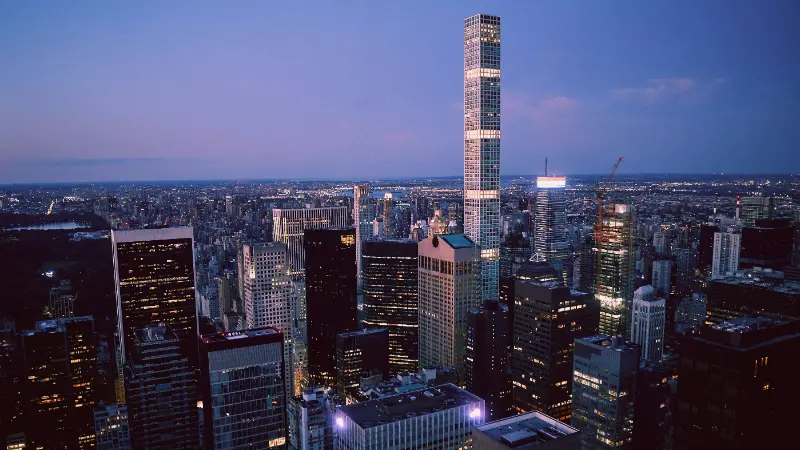
    New York Rooftop View At Dusk

    Check the weather and visibility before committing

    Height does not defeat clouds, haze, fog or wildfire smoke. An expensive observatory can offer almost no distant visibility when a low cloud layer surrounds the building. Look at local forecasts and real-time conditions, but avoid assuming a clear sky on the ground guarantees a clear horizon. Check the attraction’s weather policy before purchasing a non-refundable ticket. Some decks remain open in poor weather and do not offer free changes; outdoor areas may close in strong winds while interior areas continue operating.

    If flexibility matters, reserve closer to the visit where availability permits or choose a free alternative that does not penalise a last-minute change. In stormy conditions, never cross restricted barriers or enter a rooftop closed for weather. Lightning, high winds and slippery surfaces deserve respect even when the city looks beautiful. A lower sheltered viewpoint might make the day more enjoyable. For travellers with respiratory sensitivities, poor air quality can be a reason to select an indoor setting or postpone outdoor time rather than chase the perfect skyline image.

    Accessibility involves more than an elevator

    An attraction may advertise lift access while providing an outdoor upper tier reached only by steps. Ask which level has the actual panorama, whether wheelchair users can reach the window edge, and whether queues and security areas are step-free. Glass barriers, standing crowds and window heights can affect the view from seated positions. Other practical points include accessible bathrooms, seating, support for service animals and an alternative procedure when the main lift is unavailable. The elevator ride itself may be quick, but queue routes can be long.

    For visitors with vertigo, sensory sensitivities or anxiety around heights, check whether the attraction has glass floors, moving platforms, very loud effects or immersive simulations. These features may be optional rather than inherent to the viewpoint. Ask whether there is a quiet exit path. Older adults may appreciate a deck with seating and an easy return journey rather than a viewpoint reached by hundreds of steps. A family including both adventurous teenagers and cautious grandparents can often select a mixed indoor-and-outdoor attraction that suits different comfort levels.

    Photography without missing the experience

    Glass reflections are the main challenge at enclosed viewing areas. Clean camera lenses, avoid flash through windows and try to position the lens close to the glass without pressing equipment against a protected surface. A dark-coloured jacket can help reduce reflection in some settings. Check whether tripods, large camera bags or drones are prohibited. Drone use over skyscrapers or busy public places carries separate aviation and privacy rules and is not a shortcut around admission charges. Follow the operator’s instructions before setting up any equipment.

    For skyline photographs, include a foreground element such as a river, bridge or distinctive roof to give scale. A wider shot can describe the city’s layout, while a tighter frame highlights architectural detail. If travelling with a group, take a few pictures and then give everyone time to look without a phone. Never climb railings, step onto ledges or lean over barriers for an image. A viewpoint is designed to be admired from its authorised visitor areas, not modified into an extreme-sports experience by the visitor.

    Safer visits with children and larger groups

    Keep children close in queues and on terraces, particularly where there are numerous escalators, glass walls and crowds. Explain clear boundaries before entry, and do not let a child climb or sit on barriers. Some attractions offer engaging displays about urban development that make the visit more than a quick photo stop. If the group includes a baby, ask about stroller rules, baby-changing areas and security restrictions on large bags. A timed admission means the family should plan a feeding or bathroom stop before joining the main queue.

    Teenagers may enjoy comparing views from different heights or identifying landmarks on a map. Older relatives might prefer a sheltered terrace with seating and a café rather than a lengthy rooftop bar experience. Agree on a meeting point if people want to explore different levels. Mobile reception can be unreliable inside towers or underground entrance queues, so do not rely entirely on instant messages. A straightforward visit with enough time to sit and take in the skyline usually creates a better shared memory than rushing to the next reserved slot.
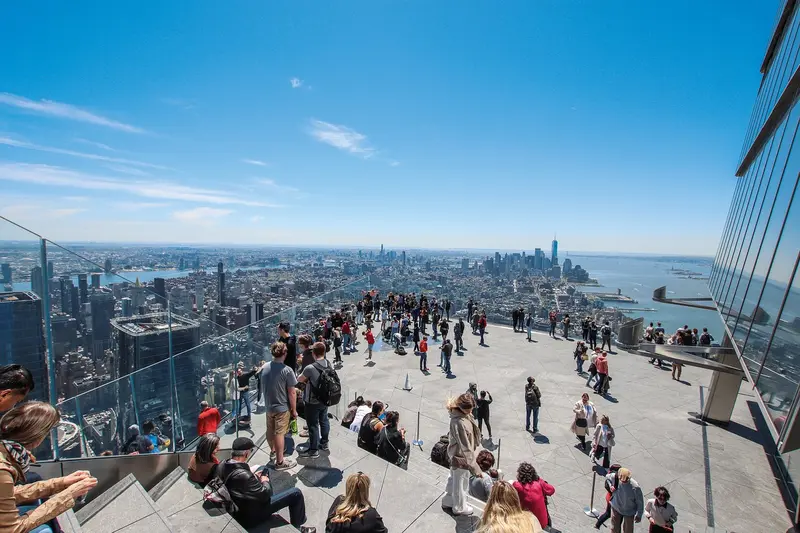
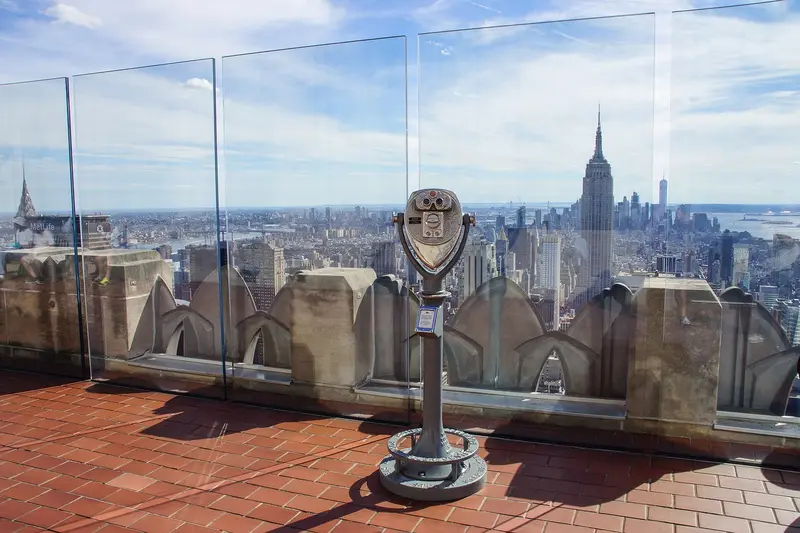
    Crowded New York Observation Deck With Skyline View

    Skyline alternatives that cost less

    Before purchasing an expensive deck ticket, look for municipal lookout points, elevated parks, harbour promenades, hilltop public gardens and waterfront crossings. A skyline seen from across a river can be more atmospheric than a view straight down from the highest building. Public observation platforms may be free but have opening restrictions or require timed reservations. Some museums include rooftop terraces with regular admission. Check that access is currently permitted, especially if an old travel article recommends a terrace that has since closed for construction.

    A sunset from a quiet public park can be a good choice for travellers on a modest budget and those who prefer more space. Pair it with an easy meal and public transport back to the accommodation. However, avoid entering isolated parks or poorly lit trails after closing just to obtain a night photograph. The route home is part of the experience. Choose a viewpoint with a reliable departure option and carry an extra layer for changing temperatures when visiting hilltops or waterfronts.

    Common booking mistakes and better decisions

    Visitors sometimes pay extra for a premium time without checking the forecast, buy a city pass without confirming reservation rules, or book two towers offering essentially the same view. Another mistake is misunderstanding what a rooftop bar’s reservation includes. A table booking might not guarantee an outdoor seat or a clear skyline angle. Families should check age restrictions before paying any deposit. Travellers with access requirements need specifics about actual viewing levels rather than a generic accessible logo.

    A quick decision checklist includes the exact view, price, weather exposure, crowd conditions, route, accessibility and cancellation terms. If two options appear equally attractive, favour the one that fits naturally into the itinerary rather than the one with the most aggressive marketing. Views are often at their best when you have time to identify what you’re seeing, notice the city’s geography and appreciate the distance between the neighbourhoods you have already visited.

    Frequently asked questions

    Is the highest observation deck always the best?

    No. A lower or more distant platform may frame landmarks, rivers or a skyline better. Consider the angle, visibility, ticket price, crowds and accessibility rather than ranking viewpoints by height alone.

    Is sunset worth the higher price?

    It depends on the weather and your goals. Sunset can be beautiful but busy, and a timed slot may involve queues. Morning or daytime visits may offer clearer identification of landmarks and a calmer family experience. Compare the complete conditions before paying a premium.

    Can I visit a rooftop bar without buying a full dinner?

    Some venues allow drinks-only reservations, while others impose minimum spends, dress codes or age restrictions. Check the actual venue policy and whether an outdoor table is guaranteed. Do not assume a bar admission policy is the same as that of a public viewing deck.

    Are observation decks suitable for wheelchair users?

    Many have accessible routes, but not every viewing tier or outdoor section is equally accessible. Confirm step-free access to the panorama, sightlines from seated height, bathrooms and procedures if a lift is out of service. Written venue-specific information is more useful than broad marketing language.

    What happens if weather hides the view?

    Policies differ. Some attractions offer flexible changes, while others remain open and do not refund poor visibility. Read the official conditions before buying and avoid assuming cloudy weather automatically qualifies for compensation.

    Finish with a view that fits your journey

    Choose one panorama for its composition, convenience and atmosphere. Check the weather, verify real access, understand the total cost and leave enough time to enjoy the scene beyond photographs. Whether it is a celebrated skyscraper or a free garden overlooking a river, the best city view helps you understand the destination more deeply without letting the ticket become the whole purpose of the day.

    Quick planning table

    What to checkRecommended action
    Ticketed observatoryVerify timed entry, priority upgrades and weather terms
    Public viewpointCheck route, opening hours and evening safety
    Rooftop barConfirm minimum spend, age rules and seating
    Accessible panoramaCheck viewing level, lift access and sightlines

    Official resources and further reading

    Regulations, access and operating conditions may change. Check the relevant official source and provider for the exact destination and dates.


  • Free Walking Tours vs. Paid City Tours: How to Choose, Budget and Explore Responsibly

    Free Walking Tours vs. Paid City Tours: How to Choose, Budget and Explore Responsibly

    A walking tour can be the best introduction to a new city, but the words “free”, “guided” and “private” describe very different experiences. Some tours charge a fixed ticket price; others operate on a tip-based or pay-what-you-wish model; private guides tailor an itinerary to one party; and self-guided routes provide independence without a live guide. The best choice depends on your budget, interests, mobility, group size and comfort with crowds. This guide explains how to compare the real costs and services, understand tipping expectations, spot confusing booking terms and select experiences that respect both local communities and travellers.

    Understand what a free walking tour actually offers

    A tour promoted as free often has no fixed upfront guide fee but invites contributions at the end. The guide may depend on these voluntary payments for income, sometimes while paying the booking platform or operator for each participant. That does not make the model inherently good or bad, but it is important to understand before joining. Read the organiser’s explanation of the payment model; distinguish a genuinely free publicly funded activity from a tip-based commercial tour. If a platform charges a booking deposit or reservation fee, check whether it is refundable or deducted from any final payment.

    Ask the guide or organiser about the route, duration, language, maximum group size and whether entry to museums or monuments is included. Many introductory walks focus on public streets and squares, with attraction admissions sold separately. A “free” walk can still be an excellent experience, especially if the guide tells engaging stories and helps newcomers understand the city. However, a long tour ending with strong pressure to contribute beyond your budget may not suit everyone. Choosing a transparent fixed-price tour can sometimes feel more comfortable.

    Compare the complete cost, not merely the advertised price

    For two people, a tip-based tour might be affordable; for a family of six, several expected contributions could exceed the cost of a small-group ticket. A fixed-price tour can offer more predictable budgeting, but compare inclusions. Does the price cover a professional guide only, local transport, an audio headset or entrance fees? Are child tickets discounted? Is there a cancellation deadline? Do not assume a more expensive tour means a better guide or a shorter itinerary. The quality depends on preparation, interpretation, group management and how the route matches your interests.

    Build a simple comparison in your trip notes: number of participants, expected guide contribution or ticket price, meeting-point transport, admissions, required food or rest stops, and total time. Consider the opportunity cost of queuing or retracing a route already covered independently. A private tour may make sense for a large family because its per-person cost falls as more relatives share the guide fee. Conversely, one traveller may prefer a regular small-group walk that offers some social contact without the full cost of a personal guide.

    Choose by interest and interpretation style

    General city highlights tours introduce major squares, neighbourhood histories and useful orientation. Specialist tours may focus on architecture, food, migration, street art, literature or the experiences of local communities. Decide whether you want a broad introduction or an in-depth theme. A guide who explains a building’s social history and relationship to the city offers more than a list of dates; a specialist who cannot adjust the detail to the audience may be a poor fit for a family with younger children.

    Search for evidence of responsible, informed guiding: clear operator information, realistic route descriptions, local knowledge and a willingness to answer thoughtful questions. Ratings can be helpful, but a handful of glowing comments should not outweigh an unclear meeting point or misleading prices. UNESCO’s sustainable tourism guidance encourages engaging local communities and businesses rather than reducing a destination to a backdrop. Ask whether the guide works locally and whether the tour respects residential areas and heritage restrictions. That question matters especially for highly visited city centres.

    Group size can change the entire experience

    In a small group you are more likely to hear clearly, ask questions and follow a manageable pace. A large group may spread across narrow pavements, create bottlenecks or make it difficult for people with hearing impairments to follow the commentary. Operators should have a sensible method for keeping participants together without blocking residents. Ask about a headset if hearing the guide is essential. For a child who needs frequent pauses, the advertised duration may be less useful than the number of standing segments and the availability of nearby toilets.

    A private tour provides control over pacing, which may be valuable for wheelchair users, older travellers or families with several generations. But “private” does not automatically mean accessible: historic streets, steep staircases and restricted buildings remain physical barriers. Request a route with specific alternatives, not a generic assurance that the guide can accommodate everyone. Sometimes a well-designed short public tour is more enjoyable than a lengthy private booking whose price creates pressure to continue after participants are tired.

    Check routes, surfaces and realistic walking pace

    Tour listings may describe distance in kilometres without mentioning gradients, steps or long stretches of standing still. Two kilometres through cobbled streets and uphill alleys can be more challenging than a flat walk of four kilometres. Check the meeting point, finish point, transport connections, restroom opportunities and whether the walk returns to its start. Ask whether breaks are planned and whether there is an easy option to leave early. Those details matter for children, pregnant travellers and anyone managing energy or mobility needs.

    Do not treat all advertised accessible tours as interchangeable. If someone uses a power wheelchair, a narrow medieval lane or temporary roadworks can prevent a route from functioning as described. Guests with hearing loss may need visual notes or assistive listening; travellers with low vision may appreciate more detailed verbal description. Explain the specific need before paying. A good guide can often suggest a realistic alternative, but should not promise access to a protected site where lifts or ramps do not exist.

    New York City Pedestrian Walking Tour

    Tipping etiquette without awkward surprises

    On a genuinely tip-based tour, plan a contribution you can afford and consider fair for the work provided. There is no globally valid amount. Expectations depend on local costs, duration, tour quality and whether you are paying for several family members. Check whether the operator explains how guides are compensated and whether a credit-card contribution is possible. If the experience disappointed you, you can raise specific concerns rather than publicly challenging the guide in front of a large group. Avoid accepting guilt-based statements that misrepresent an optional model as a compulsory hidden price.

    Fixed-price tours may also involve optional tips in some destinations, but do not assume an additional payment is required if the total fee includes the guide’s service. Consult local custom and the operator’s written terms. Respect the guide’s time: turn up punctually, cancel a booking you cannot attend and let staff know if you leave early. A “free” reservation still occupies a place that another traveller might have wanted, and empty spaces can materially affect the experience and earnings of a small local operator.

    Safety, booking reliability and meeting points

    Reserve through an identifiable operator and check the exact meeting point rather than following an unsolicited street approach. Legitimate tours generally provide a guide name or identification method, expected group size and an emergency contact or booking reference. Be cautious if asked to move the transaction outside a trusted payment channel, provide unnecessary identity documents or send money to a personal account without a clear reason. A free-tour listing does not remove the need to read privacy and cancellation terms.

    Carry a small amount of local money or a suitable payment method only as needed, and keep wallets and phones secure in crowded areas. Dress for the weather and bring water, especially when the route has few shaded stops. Never block roads or climb restricted monuments to follow a guide. In crowded historic areas, an operator should balance storytelling with public access and residents’ daily routines. If the group is asked to enter a place of worship or sensitive memorial, follow that site’s own visiting rules even when the guide is enthusiastic about a photograph.

    Self-guided walks and audio tours as alternatives

    A self-guided route can be excellent when you want to linger in a museum, move slowly with a stroller or change direction without explaining yourself. Many cities offer free official walking maps or interpretive signage; other companies sell audio tours that play at each stop. These options usually offer more control but less opportunity to ask a knowledgeable person contextual questions. They also shift route planning and problem solving to the traveller. If the app requires continuous location access or data, download the content before departure where possible.

    A blended approach often works best. Take one guided orientation walk early in a visit, then return independently to the neighbourhoods that captured your interest. This avoids paying for repeated general highlights tours while still benefiting from local interpretation. For families, a shorter guide-led experience followed by a playground or café can be more successful than a three-hour lecture without breaks. You may discover that one excellent conversation with a guide adds more value than several extra attractions purchased simply because they are listed in a pass.

    Respect neighbourhoods and heritage places

    Local residents have a right to pass through their streets without encountering a tour group that occupies the entire pavement. A responsible organiser limits amplified sound in residential areas and keeps entrances, shopfronts and accessible ramps clear. Be cautious about tours built entirely around photographing private homes or the personal lives of residents. Historical tragedies, religious sites and working markets require particular sensitivity. A good guide explains context and consent, not just where to stand for a dramatic image.

    Support local knowledge thoughtfully by asking questions and considering smaller operators when they demonstrate professionalism and appropriate licensing where required. Qualifications and licensing rules vary by country and by venue. A general city walk might not require the same authorisation as guiding inside a regulated museum or archaeological site. Check the appropriate rules when necessary and avoid assuming that every online platform has verified every claim. A fair, engaging tour creates value for the visitor while reducing unnecessary pressure on the place being visited.

    Frequently asked questions

    Is a free walking tour really free?

    Some tours are genuinely free public programmes, but many operate on a pay-what-you-wish basis and expect voluntary contributions. Check the actual model, platform booking fees and what is included. If you want a guaranteed total price, a clearly priced small-group tour may suit you better.

    How much should I tip the guide?

    There is no single worldwide amount. Consider local norms, the time spent, guide quality, the size of your party and your budget. Review how the organiser describes compensation; do not assume an advertised contribution is a legal requirement. Be respectful and transparent about your choice.

    Are private tours better for wheelchair users?

    They can allow a customised pace and route, but accessibility must still be checked at the individual street and attraction level. Ask about gradients, stairs, bathrooms and alternative viewpoints. A private label alone is not an accessibility guarantee.

    Are entrance tickets included in walking tours?

    Not necessarily. Many walks remain outdoors and discuss buildings without entering. Read the exact inclusions and exclusions, including transport or headset charges. Never infer museum entry solely from the name of a landmark in the itinerary.

    Can I join a free tour without booking?

    Some operators allow walk-ins, others require reservations to control group size. The safest approach is to check the organiser’s current policy, time and meeting point. If you reserve and cannot attend, cancel promptly so the place is available to somebody else.

    Choose the tour that makes a city easier to understand

    The best tour is not automatically the cheapest, longest or most highly rated. It is the one that fits your curiosity, walking comfort, budget and respect for local life. Compare complete costs, ask practical access questions and choose guides who explain places rather than treating neighbourhoods as photo stops. A thoughtful walking tour can turn an unfamiliar city into a place you want to explore further on your own.

    Quick planning table

    What to checkRecommended action
    Tip-based walkCheck contribution expectations and any booking fees
    Fixed-price group tourConfirm inclusions, size and refund deadline
    Private guideAsk for a route tailored to pace and interests
    Self-guided routeCompare flexibility with access to live local interpretation

    Official resources and further reading

    Regulations, access and operating conditions may change. Check the relevant official source and provider for the exact destination and dates.
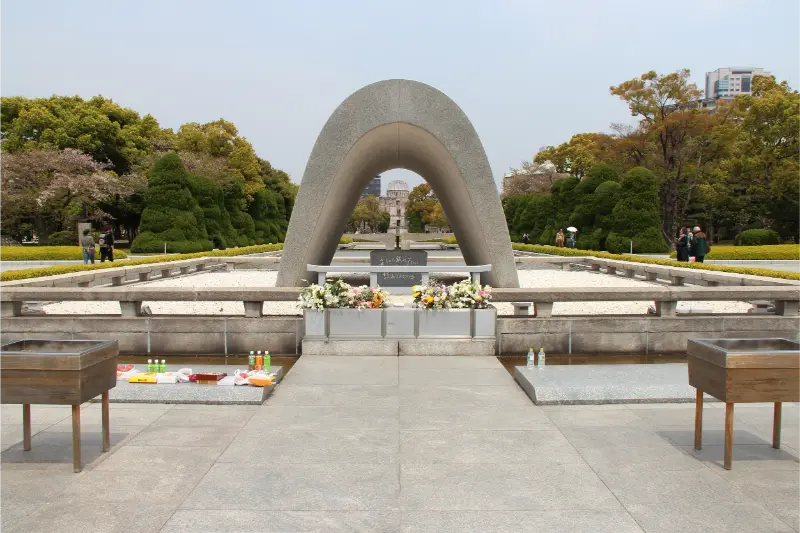
  • Visiting Historic Cemeteries and Memorial Gardens: Respectful Heritage Travel

    Visiting Historic Cemeteries and Memorial Gardens: Respectful Heritage Travel

    Historic cemeteries can reveal the language, art, architecture and social history of a city in unusually personal ways. Elaborate stone monuments, modest family plots, changing religious traditions and memorial gardens tell stories that conventional museums sometimes leave out. These places are also active spaces of mourning, worship and remembrance. A visitor may be interested in history or photography, while someone nearby is attending a recent burial or tending a loved one’s grave. Responsible cemetery tourism begins with that distinction. This guide explains how to choose publicly accessible heritage sites, understand their context, visit respectfully and explore without disturbing monuments, families or sensitive records.

    Understand the difference between heritage and a place of mourning

    Some well-known cemeteries offer official walking tours, museums, visitor maps and historic interpretation. Others are primarily working burial grounds with very limited public access. The presence of a famous grave does not turn the whole place into a tourist attraction. Check the site’s own visitor policy, permitted hours and restrictions before arriving. Opening times may vary for religious observances or ceremonies. Some places allow independent exploration but not commercial guiding, filming or group visits. Treat local instructions as more authoritative than old guidebook descriptions or social media recommendations.

    A respectful approach acknowledges that the cemetery’s significance is not limited to the people whose names are already famous. Workers, migrants, children, soldiers and overlooked communities may have stories expressed through ordinary grave markers. Walking with curiosity rather than seeking a list of celebrity graves can make the visit more meaningful. It also helps avoid treating private family memorials as props. If mourners or funeral staff are present, keep your distance and do not follow them to photograph or identify a burial location.

    Choose an appropriate site and learn its history

    Begin with municipal heritage offices, cemetery trusts, preservation organisations or museum resources. Look for official information about sections open to visitors, historical periods, walking routes and accessible entrances. A cemetery with a dedicated visitor centre may be easier to understand than a large site with no signage. Some memorial gardens commemorate disasters, epidemics or political violence; they require particular sensitivity and should not be selected merely because their architecture appears dramatic. Read enough background to understand whose memories the site preserves and whose perspectives might be absent.

    Humayun’s Tomb seen from its landscaped gardens in Delhi

    Different burial traditions use different symbols, layouts and practices. The meaning of an inscription, carving or offering may not be obvious. Avoid guessing or repeating sensational stories about individuals based on a photograph. Interpretive panels and local historians can provide context, but historical claims may still be debated. If researching family ancestry, use established archives and official records rather than asking strangers to reveal private information. The aim is understanding, not collecting intimate details about living families.

    Follow rules for photography and publication

    Policies differ widely. Some sites permit casual photography but restrict tripods, commercial shoots, drones or images during ceremonies. Others prohibit photography in particular sacred sections. Always check. A camera pointed at an old monument may seem harmless, but a person grieving nearby has a reasonable expectation of privacy and dignity. Do not photograph mourners without consent or treat the presence of an accessible public path as permission for intrusive close-ups. Be especially careful before posting legible recent memorial details with identifying information.

    A thoughtful image can show a landscape, architectural style or stone-carving tradition without exposing someone’s private moment. Use paths to frame a composition instead of stepping between graves for a better angle. Never move flowers or offerings, adjust objects or touch a monument to improve the shot. The National Park Service’s cemetery conservation resources emphasise preserving historic markers with minimal intervention; the same principle applies to ordinary visitors. A respectful photograph should leave the setting exactly as it was found.

    Protect fragile monuments and the landscape

    Older stone markers can be unstable, weathered or damaged by seemingly minor contact. Do not climb, lean on, sit on or rub inscriptions. Do not attempt to clean a gravestone, remove moss or trace lettering with chalk or wax. Conservation requires trained judgement; well-intentioned cleaning can harm delicate stone. Follow designated paths and avoid walking across burial plots. Low fencing, uneven ground and worn steps often indicate areas where extra caution is needed. Report a dangerous leaning marker to the site authority rather than trying to straighten it yourself.

    Plants, trees and insects form part of the cemetery landscape, but do not collect seeds or flowers unless explicitly allowed. Leave offerings and decorations untouched, even if they look abandoned. Some sites maintain conservation zones or protected habitats that should not be disturbed. Dispose of litter appropriately and keep food away from the graves. A visitor’s role is to observe and learn, not to undertake restoration or rearrange the environment. If the site offers authorised volunteer opportunities, follow the organiser’s training and supervision requirements instead of acting independently.

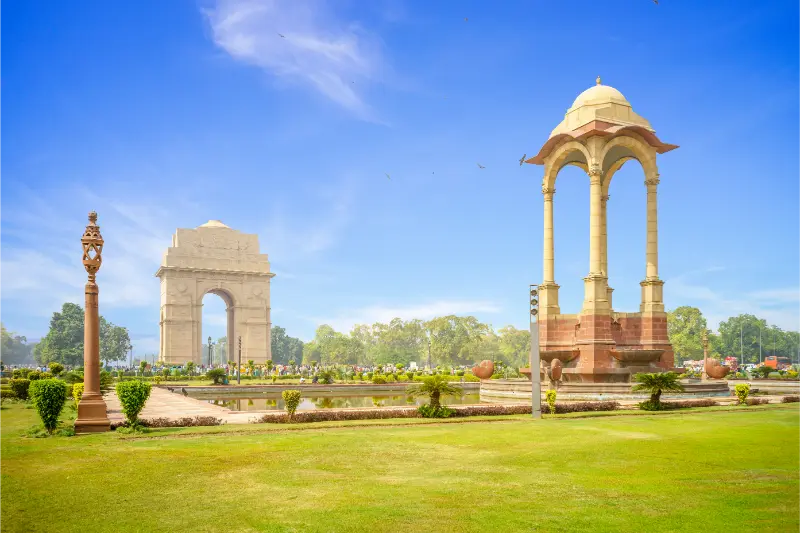
    India Gate War Memorial New Delhi With Canopy

    Visiting with children and teenagers

    Historic cemeteries can be an educational stop for older children who are interested in history, art or family stories. Explain the purpose of the place in age-appropriate language before entering: it is somewhere people remember the dead, so quiet voices and respectful movement are expected. Do not let children climb memorials, play chase among graves or remove small objects. For very young children, choose a short route and be willing to leave if the setting becomes uncomfortable. There is no requirement to expose children to disturbing details in order to make a cultural visit worthwhile.

    Teenagers may engage with architectural symbolism, migration history or a discussion about how public memory changes over time. Invite questions without forcing a single interpretation of religious or historical beliefs. If a child has recently experienced bereavement, a cemetery visit could have personal significance or feel upsetting. Allow them to opt out. Pair the visit with an appropriate museum or heritage walk if the group wants more context. The aim is not to make mourning entertaining but to understand how communities honour people and preserve their stories.

    Accessibility and physical comfort

    Historic sites may contain cobbles, steep paths, gravel, narrow gates and sections without step-free access. A cemetery that appears flat on a map may be physically demanding because of uneven surfaces. Ask the operator about accessible entrances, transport stops, seating, toilets and the length of the suggested route. Mobility scooters and wheelchairs may not be able to reach every historic section; an official accessible path or digital interpretation can still provide a worthwhile visit. Choose a shorter circuit rather than attempting every row in difficult conditions.

    For visitors with low vision, tactile or audio information may be limited, and fragile monuments should not be touched without permission. Large-print maps, guided interpretation or clear verbal descriptions can improve access. People who find quiet commemorative spaces emotionally challenging should feel free to shorten the visit. Older travellers may prefer a morning tour before the ground becomes hot or crowded. As with any historic attraction, comfort is not a distraction from learning: it helps people remain attentive and respectful.

    Guided tours, personal research and local experts

    An authorised heritage guide can explain changes in design, the history of different communities and the conservation challenges of a cemetery. Before booking, check whether the tour is officially permitted, how large the group will be and whether the guide understands sensitive areas. A specialist historical walk may cost more than self-guided exploration but offer better context. Some municipal sites provide free maps or visitor information. Even if a tour includes a cemetery, its general city-walk ticket does not necessarily grant access to restricted sections.

    September 11 Memorial Reflecting Pools New York

    For ancestry research, contact an archive or cemetery office in advance and ask about searching burial registers. Public records may be incomplete, and people with similar names are easily confused. Avoid publishing personal information about living relatives without consent. A family researcher who identifies a plot should follow the same visiting boundaries as everyone else. Do not disturb inscriptions or surrounding graves to obtain a photograph. Historical interest and family connection can coexist with restraint and compassion.

    Memorial gardens need particular sensitivity

    Memorial gardens may commemorate lives lost through war, persecution, disaster or other collective tragedy. Their design can deliberately invite silence and reflection. Read the visitor guidance before planning a group visit, and do not bring loud entertainment, inappropriate costumes or staged photographic poses. Commercial filming may require permission. Symbols, flowers and notes left by visitors can be part of ongoing remembrance. Never move them to create a tidy image. Some sites ask visitors not to bring food or to follow a particular route through the memorial.

    An informative visit can include a museum, testimony centre or educational programme that presents the historical context. Distinguish verifiable facts from commemorative interpretation and avoid turning complex events into simplistic social media captions. Many memorials have strong significance for descendants and communities who still face the consequences of the history being remembered. Respectful tourism allows space for their voices and does not assume every visitor comes for the same reason.

    Practical planning, costs and timing

    Many public cemeteries have no admission charge, while official tours, museums or heritage exhibitions may be ticketed. Some historic grounds have seasonal hours or restrict entry during ceremonies. Budget for transport and allow a realistic amount of walking time. Large sites can take hours to cross, so prioritise a small route connected to your interests. Check whether parking is permitted or public transport offers a more appropriate entrance. Save the official map offline if mobile reception is unreliable among large stone structures or wooded sections.

    Weather affects safety. Rain makes smooth historic stone, steps and leaves slippery; strong wind can create hazards around trees or fragile structures. The National Park Service’s preservation safety guidance highlights risks such as unstable monuments and damaged vegetation. Do not enter cordoned sections after storms. Bring water and respectful clothing appropriate to local customs. If a visit becomes emotionally difficult, there is no obligation to complete the planned route. A meaningful experience may last only twenty minutes.

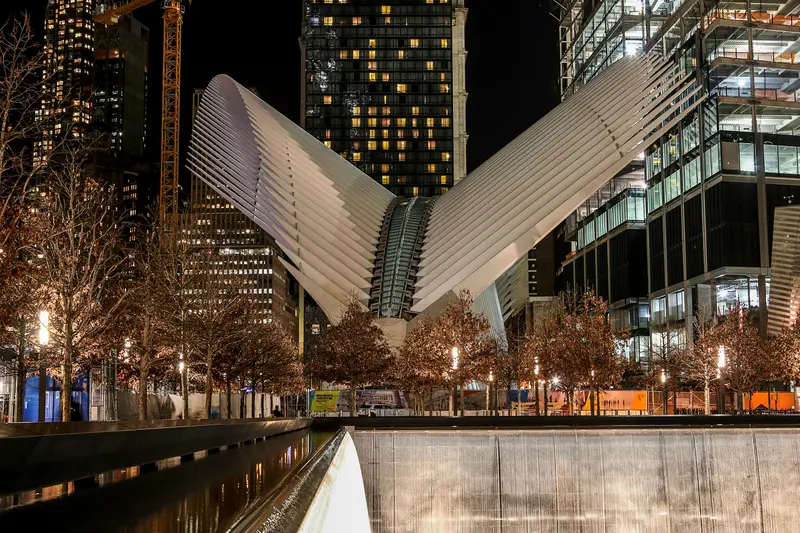
    September 11 Memorial At Night Manhattan

    Frequently asked questions

    Is it appropriate to visit a cemetery as a tourist?

    Yes, when the site welcomes visitors and the visit is respectful. Many historic cemeteries preserve important art and community history, while others are active, private or restricted. Follow the operator’s rules, respect mourners and avoid treating graves as props.

    Can I photograph old gravestones?

    Sometimes, but permissions vary by cemetery and section. Check the local rules, avoid photographing private ceremonies or mourners and never move objects to improve a picture. Be cautious about publishing identifiable details of recent graves or living relatives.

    Can I clean a historic gravestone to read the inscription?

    No, not without specific authorisation and appropriate conservation expertise. Cleaning or rubbing can damage fragile materials. Consult the cemetery authority or preservation specialists if you are researching an inscription. Observation and documentation from an authorised path are safer options.

    Are historic cemeteries wheelchair accessible?

    Some offer accessible routes, but paths, slopes and surface conditions vary. Confirm entrances, accessible toilets and the specific sections you hope to visit. A suitable guided route or digital interpretation may be more practical than attempting every historic pathway.

    Is a memorial garden the same as a public park?

    Not necessarily. Many memorial gardens are designed for quiet remembrance and impose rules on photography, food, group activities or entry. Treat the site according to its commemorative purpose rather than applying ordinary recreation-park expectations.

    Leave the place as you found it

    Choose a legitimate visiting route, learn enough history to understand the site, and keep your behaviour considerate of the people whose lives are remembered there. Resist intrusive photographs, do not touch or clean monuments and make space for active ceremonies. A thoughtful visit to a historic cemetery can deepen an understanding of the city while preserving the dignity that makes the place meaningful in the first place.

    Quick planning table

    What to checkRecommended action
    Public accessCheck authorised paths, opening times and ceremonies
    PhotographyRespect restrictions and the privacy of mourners
    Historic markersNever climb, clean, move or rub fragile gravestones
    Meaning and contextUse official archives or responsible local interpretation

    Official resources and further reading

    Regulations, access and operating conditions may change. Check the relevant official source and provider for the exact destination and dates.

  • Your First Theme Park Holiday Abroad: Tickets, Queues, Rest Days and Fun for Every Generation

    Your First Theme Park Holiday Abroad: Tickets, Queues, Rest Days and Fun for Every Generation

    A theme park can become the center of a memorable family holiday, but an international park visit is not simply a bigger version of an afternoon at a local fair. Tickets have conditions, popular rides may have height requirements, transport can be crowded, and the temperature inside a queue can be very different from the weather in a nearby city. The best experience is not necessarily the day when a group rides everything. It is the day when each person, from the youngest child to the oldest grandparent, has enough energy and opportunity to enjoy something worth remembering. This guide explains how to plan that day without making anyone feel rushed.

    At a glance

    • Pick rides and shows suitable for the whole group, not only headline coasters.
    • Read dated-ticket, height and access conditions before paying.
    • Plan meals and breaks to protect everyone’s energy.

    Choose the park for the people traveling, not its publicity

    Start with a realistic list of what your group enjoys. One traveler may want high-speed coasters, another may prefer dark rides or live performances, while a toddler may be happiest in a shaded playground. Inspect the official attraction directory and filter it by height, accessibility, intensity and indoor or outdoor location. A park famous for extreme rides can still be a poor choice for a group where most members do not want them. Conversely, a smaller park with shows, gardens and gentle attractions may deliver a fuller day with less walking.

    Before making a nonrefundable booking, compare the park's exact location, transport, opening dates and any special-event closures. A destination marketed under the name of a major city may be far outside its center. If the park includes separate gates, decide whether one day at each gate works better than switching constantly. Read recent operation notices from the operator rather than relying on an old visitor video.

    Understand dated tickets, reservations and park-hopping conditions

    Admission can involve a dated ticket, an undated voucher requiring a reservation, a multi-day pass or a hotel package. These products are not interchangeable. Check what happens if your travel date changes, whether an entry reservation is required, and whether admission is included for very young children. Some experiences, shows or seasonal events need separate tickets even when the main entrance is paid. Booking a promotional ticket only makes sense if the terms match your likely itinerary.

    Kissimmee Theme Park Fireworks Above Waterfront

    Park hopping sounds flexible, but walking or taking a shuttle between entrances may consume the best hours. For a first international visit, one gate per day often allows a calmer pace. Compare the total price for parking, train tickets, lockers and paid queue products. The apparent bargain can disappear once extras are included. Save the operator's confirmation and make a screenshot available offline in case mobile service fails at entry.

    Plan around height restrictions, fears and different stamina levels

    A child's height is a safety condition rather than an approximate age guide. Measure in shoes only if the park's published rules specify how height is checked, and never assume a parent can authorize an exception. Read the official restriction page for each priority ride. Some attractions also have seating, restraint or transfer requirements. A person who dislikes darkness, loud sound or spinning might find an apparently gentle ride uncomfortable, even when it has no minimum height.

    For a mixed-age group, create two short lists: experiences that everyone can share and optional attractions for people who want stronger sensations. Decide in advance where a nonrider can wait comfortably. A shaded stage show or relaxed lunch is not a consolation prize; it may be the highlight for a grandparent or child. Avoid letting the group's most adventurous member determine every hour of the day.

    Maps can make a park look compact, but queues, crowds, slopes and stroller detours turn short lines on a screen into long walks. Choose three must-do experiences, then group additional attractions by themed area. After each major ride, stay in the same zone for a smaller attraction, snack or show. Repeatedly crossing the park to chase a lower displayed wait often wastes more time than it saves, especially when published waits change while you walk.

    Arrive at a sensible time with admission ready, but do not rely on getting every headline ride immediately after opening. Some guests have early entry through hotels or specific passes. Use the official park app for operating times, show schedules and closures; have a printed or saved map as a backup. Add a meeting point that is easy to describe without needing an internet connection.

    Decide if express queues are worth paying for

    Paid priority access can help when there are only a few hours available, or when standing in queues is particularly difficult. It is not necessarily necessary on a quieter weekday, and it may exclude specific attractions, time slots or experiences. Study the exact product: some passes cover a fixed number of rides, some cover a limited selection and others require individual bookings. A pass that sounds unlimited may have important conditions in the small print.

    Compare the cost to the value of another park day. A family might spend less by choosing two relaxed days with ordinary admission rather than buying four expensive priority passes for one rushed visit. If a traveler requires disability-related queue support, investigate the park's separate access program rather than assuming a paid pass is the only solution. Accessibility systems usually require advance information and should not be confused with commercial upgrades.

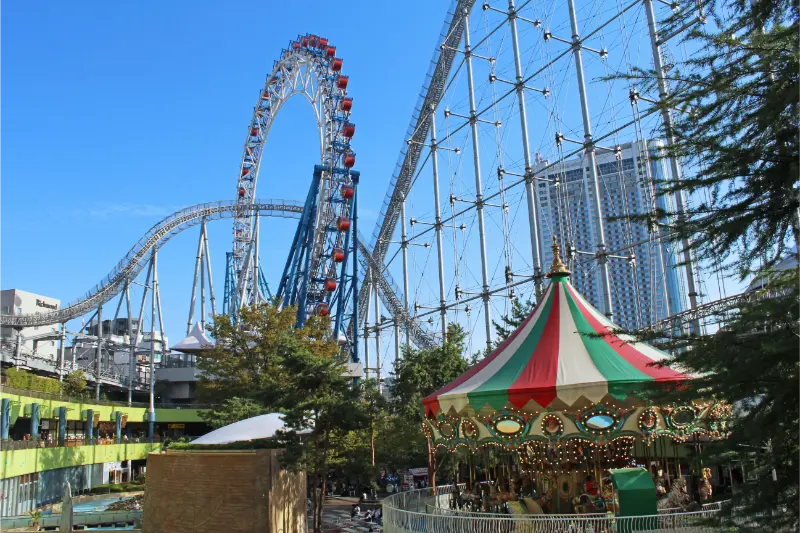
    Roller Coaster In Theme Park

    Manage food, hydration, weather and sensory overload

    Hot pavement, crowded indoor spaces and excitement can make visitors forget to drink or rest. Bring refillable water containers where permitted, check drinking-water stations and plan a meal at an off-peak time. Review rules about outside food, baby supplies and medically necessary items. People with severe allergies should request ingredient and cross-contact information directly from food operators; a menu icon alone is not sufficient assurance.

    Pack sunscreen, a compact rain layer, and one dry change of clothes for children if water attractions are on the plan. Live entertainment may include sudden sound effects or flashing lights. Ear defenders, quiet indoor spaces and breaks away from the most crowded paths can help people with sensory sensitivities. When a child is tired, another ride is seldom the solution. A scheduled pause in a cool, seated area protects the rest of the afternoon.

    Check accessibility and daily movement before booking

    Accessible does not always mean effortless. Ask the park about entrance routes, accessible toilets, ride transfers, wheelchair storage, mobility-device charging and transport between distant zones. Some attractions permit visitors to remain in their chairs while others involve transfer or evacuation requirements. A person who cannot transfer safely should not count an attraction as available until its specific rules have been reviewed. Confirm that the official access guidance is current for the date of travel.

    Rental strollers and wheelchairs may be limited, may not be reservable and may not be allowed beyond park gates. Determine whether your own mobility aid or stroller can use the hotel shuttle, local train and entry screening. An accessible hotel room is only one part of the journey; the entire route from bed to park gate must work. Plan rest spots with seats and shade rather than relying on finding them spontaneously.

    Make family safety simple and practical

    With children, establish a clear meeting procedure before anyone becomes separated. Put a parent contact number in an appropriate card or wristband without displaying unnecessary private information. Tell children to approach identifiable park staff rather than leaving the park or following unknown people. Photograph the group's clothing that morning for your own reference, and agree which adult is responsible for each child when the party splits for rides.

    Stroller parking is not secure storage for valuable items. Carry essential documents, medication and phones with you, using ride lockers if required. Keep a small kit with bandages, wipes and required medication, and locate the first-aid point on the map. If someone feels ill, stop and use the park's health services rather than trying to preserve the schedule. Planning a comfortable exit is as important as planning the entrance.

    Stay nearby or sleep in the city?

    A hotel near the park reduces early-morning transfers and may make an afternoon rest possible. It can also be more expensive and less convenient for sightseeing, restaurants or an airport departure. Compare actual door-to-gate time, not a hotel description such as 'close to the park'. Look at the frequency, last service and accessibility of shuttles. Parking charges at a park resort can change the comparison if a rental car is involved.

    Theme Park Pirate Ship Ride At Sunset

    For a family with children who nap, the ability to return to the room may justify a higher nightly rate. Adults visiting several city attractions may prefer a well-connected hotel in town. If you book a park hotel package, verify which benefits are genuinely included, whether early access applies on your dates and whether the advertised attraction is open during your stay. Do not make the hotel decision solely for a character breakfast or one promotional perk.

    A two-day itinerary that avoids burnout

    On day one, arrive with three priorities and explore nearby attractions slowly. Schedule a proper lunch and an indoor show during the hottest or busiest period. If a child needs a nap or an adult needs a break, leave before exhaustion rather than waiting for the evening spectacular. A hotel near the gates makes this much easier. An early night can be a better investment than one last hour in a crowded queue.

    On day two, repeat the experiences the group loved and try a few attractions missed previously. Allow extra space for shopping or photographs only after the main activities. A traveler who cannot walk long distances might prefer a later start and a short focused visit. If there is only one park day, save another full day of the holiday for a calmer city, nature or museum experience. Variety often makes the memories richer.

    Frequently asked questions

    Is a theme park suitable for a baby? Some parks have quiet paths, baby-care rooms and gentle experiences, but the usefulness depends on stroller access, weather and the family's routine. Check facilities before booking.

    Do height restrictions change by country? They can differ by attraction and operator. Always use the official rule for the specific ride, not age-based internet summaries.

    Should everyone buy an express pass? Not automatically. Compare actual coverage, cost and likely crowd levels, especially if some travelers will ride very little.

    Are parks accessible for wheelchair users? Many offer facilities and access programs, but ride-by-ride transfer and evacuation requirements differ. Request precise information in advance.

    How many days do first-time visitors need? One relaxed day can be enough for a smaller park; larger multi-gate resorts often reward more time. Decide based on the group's interests and stamina rather than completionism.

    Planning checklist

    FocusWhat to confirmWhen
    TicketsDated entry, reservations, extrasBefore buying
    AttractionsHeight and access restrictionsBefore making priorities
    ComfortWater, shade, seating, quieter spacesBefore entering the park
    ReturnLast shuttle, exit point and meeting planOn arrival

    Official resources and further reading

    Check the latest local rules, opening conditions and applicable safety requirements with the operator or authority before travel.

  • First Ski Holiday Abroad: Lessons, Equipment, Resort Choice and Safer Days on Snow

    First Ski Holiday Abroad: Lessons, Equipment, Resort Choice and Safer Days on Snow

    A first ski holiday is memorable for the quiet moments as well as the first successful turn: snow falling outside the window, a warm lunch after lessons, a mountain view from the lift and the surprise of discovering a new physical skill. But skiing also involves genuine cost, cold, unfamiliar equipment and the possibility of injury. For beginners, the smartest destination is rarely the resort advertising the most difficult slopes or the biggest lift network. It is a place with reliable beginner instruction, manageable access, a comfortable base and non-ski activities for anyone who wants to rest. Families, adult beginners and older travelers can all enjoy the mountains when the schedule allows learning at an individual pace.

    At a glance

    • Check exact conditions before booking, rather than relying on a universal rule.
    • Choose arrangements that work for the ages, abilities and interests of your group.
    • Keep a practical alternative in case prices, weather or access change.

    Choose a beginner-friendly resort, not merely a famous one

    Look beyond the number of piste kilometers. Ask whether the learning area is near the accommodation, whether nursery slopes are served by easy lifts, and whether lessons meet at a convenient location. A huge ski domain may offer spectacular terrain but require transfers just to reach the beginners’ zone. Check published piste maps, local snow reports, lesson availability and lower-elevation weather risks. A smaller resort with a gentle practice slope and welcoming instructors can be a much better first experience.

    For families, confirm the age accepted by ski schools and whether a children’s snow garden is included. For people who are not comfortable walking long distances in ski boots, ask how far equipment storage is from the lifts. An appealing hotel across a steep icy road may be unsuitable despite an excellent room price. Judge the entire morning journey from breakfast to the lesson meeting point before booking.

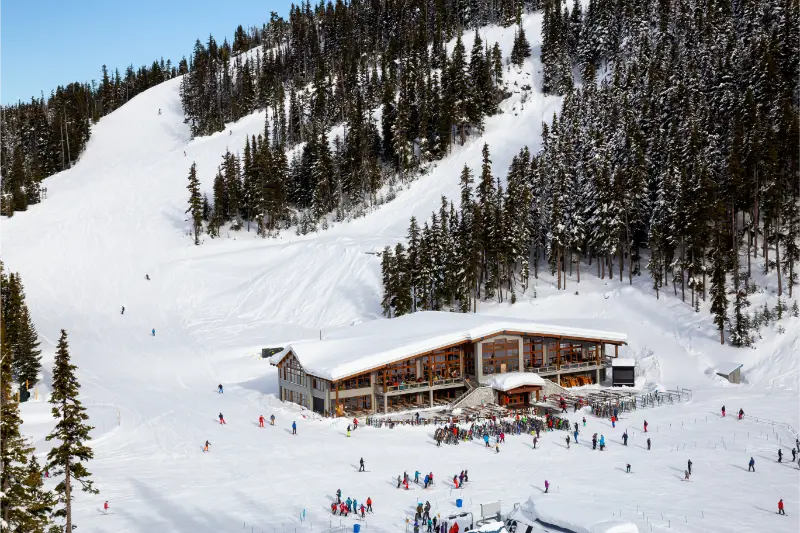
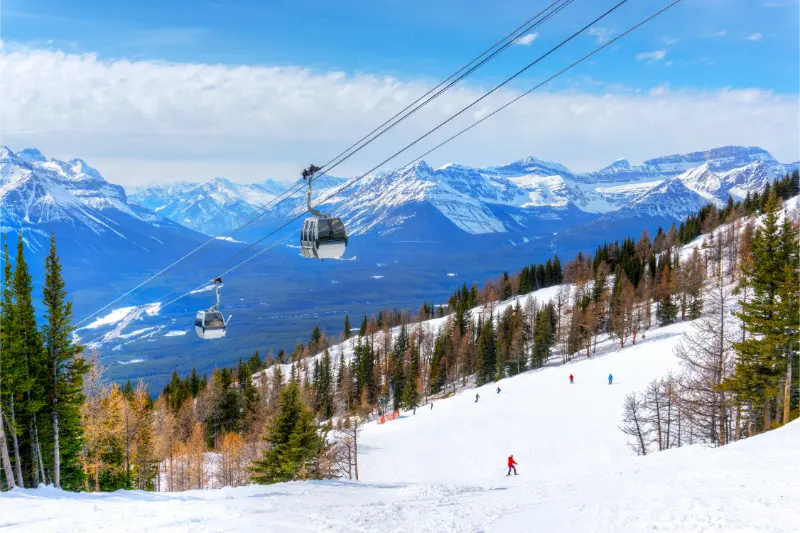
    Snowy Mountain Ski Resort And Chairlifts

    How many days to allow for lessons

    Most beginners benefit from structured instruction early in the holiday rather than trying difficult slopes after watching online videos. Group lessons offer social motivation and a lower cost per person, while private lessons can address specific fears, a limited schedule or adaptive techniques. Check instructor qualifications, language availability, maximum group size and the precise duration. A lesson advertised as a half day may include breaks and lift transfers, which affects how much on-snow practice you receive.

    Avoid booking the entire week as a competition to progress. Two or three well-paced learning days with time to rest may feel more rewarding than pushing through exhaustion. Children may need shorter sessions and breaks before they become cold or discouraged. Adults should not assume they will learn more slowly or quickly than someone else based on age alone. Comfort, health, previous balance skills and instruction all affect the experience.

    Ski equipment and boot fitting

    Beginners generally do not need to buy skis before their first trip. Renting lets an equipment professional select suitable skis, poles and boots for the current ability level. Poorly fitting boots can ruin a holiday, so try them on with proper ski socks, describe any pressure points and ask for adjustment before leaving the shop. Boots should feel secure without creating sharp pain or numbness. Do not wear multiple thick socks to fix the wrong size.

    Choose a helmet appropriate for skiing and check that it fits correctly; protective equipment reduces some risks but cannot eliminate them. Gloves or mittens, waterproof outer layers, eye protection and sun protection matter too. Layer clothing so you can adjust to weather and activity. If traveling by air, weigh the cost of bringing personal equipment against renting locally, including airline sports-baggage charges and the effort of transporting a ski bag through stations.

    The real cost: lessons, passes, rentals and food

    A ski package can include some but not all of the important elements. Make a budget line for accommodation, transport, lessons, rental gear, beginner lift access, winter clothing, insurance and meals. Verify whether ski school includes a lift pass or whether a cheaper learner ticket is available for a limited area. Paying for a full-area pass when you only use one nursery slope may waste money. Conversely, a cheap accommodation offer far from the lifts can add costly shuttle journeys or parking fees.

    Consider an illustrative two-person comparison: Resort A costs more per night but has lessons, rental and a beginner slope within a short walk; Resort B has a cheaper room but requires a car, paid parking and a lengthy daily transfer. Write the actual amounts beside each item before deciding. Do not infer that meals at a mountain restaurant will cost the same as groceries at home. Bringing water and a simple snack can improve comfort without requiring a complicated packed lunch.

    Mount Fuji Above Snowy Ski Slope

    Weather, snow conditions and visibility

    Snowfall alone does not guarantee good skiing conditions. Strong winds can close lifts, while freezing rain, very hard snow or dense cloud can make easy slopes difficult. Read the resort’s official daily lift and piste updates and follow closures, even when the view from the village seems pleasant. Beginner areas at lower elevation may have different conditions from upper mountains. Choose flexible lesson or rental arrangements where available so a disrupted day does not consume the whole budget.

    Pack for strong sunlight reflected by snow as well as cold. Sunglasses or appropriate goggles should fit securely. Protect exposed skin and apply sunscreen as directed, particularly at altitude. Dress in layers that keep moisture away from the body; sweating heavily during the first run can leave someone cold on the lift. When a child complains of wet gloves or cold feet, treat it as useful information rather than a sign that they need to try harder.

    Understand slope signs and the skier responsibility code

    Color grading varies somewhat across countries; an easy run on a resort map is not a promise that every section will feel effortless. Beginners should ski only within their control and instruction level. Common mountain safety codes require skiers to stay in control, respect people downhill, stop where visible and follow signs and closures. Ask the instructor which local rules apply. Do not enter closed terrain, jump barriers or follow someone off piste because the fresh snow looks inviting.

    Learning to stop and turn safely comes before speed. A helmet does not make risky behavior acceptable. If a slope feels too difficult, stop in a safe visible location and request assistance rather than accelerating to escape a problem. When starting downhill, look uphill for approaching people. Adults supervising children should make clear where the group will meet and what to do if someone becomes separated.

    Ski lifts and getting on or off safely

    Different lifts require different skills. A beginner may start with a magic carpet or gentle surface lift before using a chairlift. Pay attention to staff instructions on approaching the loading area, securing equipment and exiting at the top. If someone needs additional time due to disability, age or anxiety, tell the operator before boarding. Lift attendants can often explain the procedure or direct travelers to appropriate assistance, though arrangements depend on the resort.

    Ski Gondola Over Snowy Mountain Resort

    Never try to rescue dropped equipment by jumping from a chair. If a lift stops, remain seated and wait for instructions. Children must follow the area’s height and supervision rules; do not assume an adult can place unlimited small children on one chair. Learn how to lower and raise a safety bar where required and avoid loose straps or clothing becoming entangled.

    A family plan without pressure

    For children, set success goals such as becoming comfortable in boots, using the practice lift and learning to stop. Schedule meals and warmth breaks before everyone becomes tired. Teenagers may progress at a different pace from younger siblings; avoid sending a beginner onto terrain chosen for an advanced family member. If adults and children book different lessons, identify a meeting place away from busy lift exits and exchange emergency contacts.

    Not everyone needs to ski. A resort with scenic walks, sledding where permitted, cafés, swimming facilities or cultural sights can provide enjoyable days for grandparents, toddlers and relatives with mobility limitations. Check accessible winter paths rather than assuming a village pavement remains clear of snow. A satisfying family holiday includes people who opt out of lessons without treating them as an inconvenience.

    Adult beginners and older travelers

    Starting skiing as an adult is common, but fitness, balance, pre-existing injuries and personal confidence vary. A traveler with medical concerns should ask their clinician about strenuous activity rather than relying on a generic age cutoff. A gentle lesson can help build skills progressively. Flexibility to stop after an hour, take a full rest day or replace skiing with a scenic excursion is a strength of good planning, not a failure.

    Older beginners may prefer private lessons or very small groups, nearby accommodation and equipment storage without stairs. Consider the grip of footwear on icy sidewalks and the availability of handrails outside the slopes. Skiing can be demanding on knees and muscles, so allow recovery time. Warm, accessible lodging is often a better investment than an ambitious mountain itinerary.

    Insurance, emergency contacts and mountain boundaries

    Standard travel insurance does not always include recreational skiing, off-piste activity, rescue services or helicopter evacuation. Examine policy wording for winter sports, altitude limits, equipment loss, liability and medical treatment. Understand how to contact local ski patrol and what information they will ask for if an incident occurs. Keep a charged phone in an inside pocket where possible and store the resort’s emergency number offline.

    Many resorts distinguish patrolled marked pistes from uncontrolled backcountry terrain. A traveler who follows a closed track or goes beyond the ski area may face substantially different risk and insurance coverage. Stay with authorized instruction and permitted slopes on a first trip. If severe weather or illness changes the plan, review refund rules for lessons and passes before deciding whether to continue.

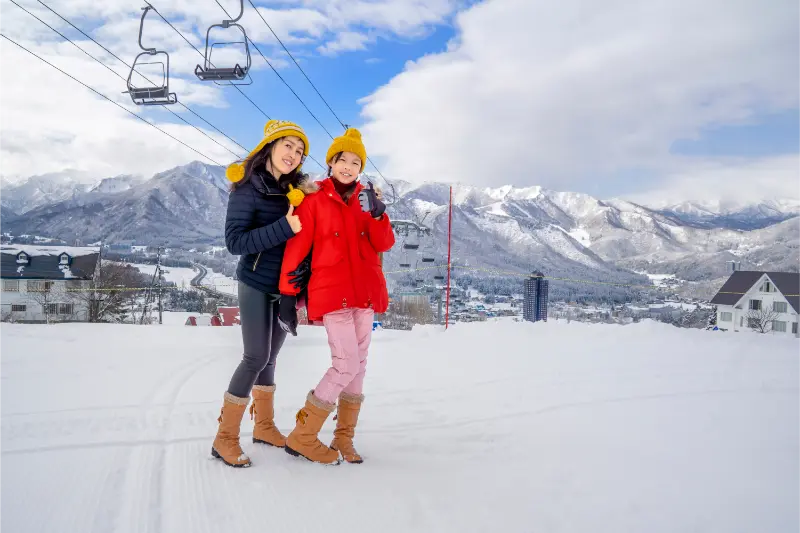
    Two Women In Winter Clothes At Ski Resort

    A four-day beginner itinerary

    On arrival day, settle into accommodation, collect equipment and walk to the lesson meeting point while it is quiet. Day two can focus on the first beginner lesson and a relaxed afternoon exploring the village. Day three allows another lesson and repeat practice only on suitable terrain, followed by a proper rest. Day four might combine a shorter instruction session with a scenic lift ride or non-ski excursion if weather and skill level permit. Extend the program only when everyone feels comfortable.

    This approach intentionally avoids promising a particular ability by the end of the week. Snow quality, teaching conditions, stamina and individual learning all vary. If a person is not ready for a higher run, repeating the learner slope is sensible. Returning home with positive memories and safe habits is a much better goal than checking off an impressive piste number.

    Frequently asked questions

    Is one lesson enough to learn skiing?

    One lesson can introduce basic equipment, stopping and controlled movement, but progression varies widely. Booking additional instruction is usually wiser than assuming you can safely tackle larger slopes afterward.

    Should I buy a full-area ski pass?

    Not automatically. A beginner ticket or limited-area pass may fit the practice terrain. Ask the instructor or resort what access the lesson requires.

    Can grandparents enjoy a ski resort without skiing?

    Yes, if the resort has suitable lodging, transport and non-ski activities. Check winter accessibility, local weather and alternative indoor options before booking.

    Is ski insurance included in ordinary travel insurance?

    Not always. Read explicit winter-sports, rescue, liability and off-piste provisions, including exclusions for closed terrain.

    Do I need to bring my own skis on a first holiday?

    Usually renting is practical. It reduces transport burden and allows professional fitting, though travelers should check rental condition, prices and any insurance or damage terms.

    Quick comparison

    DecisionWhat to check
    Beginner terrainGentle practice area near lesson meeting point
    LessonsQualified instruction and realistic group size
    EquipmentProper boot fitting and protective clothing
    BudgetPass, gear, teaching and winter sports coverage

    Official resources and further reading

    Rules and availability may change. Check these sources and the relevant local operator before booking.