Historic cemeteries can reveal the language, art, architecture and social history of a city in unusually personal ways. Elaborate stone monuments, modest family plots, changing religious traditions and memorial gardens tell stories that conventional museums sometimes leave out. These places are also active spaces of mourning, worship and remembrance. A visitor may be interested in history or photography, while someone nearby is attending a recent burial or tending a loved one’s grave. Responsible cemetery tourism begins with that distinction. This guide explains how to choose publicly accessible heritage sites, understand their context, visit respectfully and explore without disturbing monuments, families or sensitive records.
Understand the difference between heritage and a place of mourning
Some well-known cemeteries offer official walking tours, museums, visitor maps and historic interpretation. Others are primarily working burial grounds with very limited public access. The presence of a famous grave does not turn the whole place into a tourist attraction. Check the site’s own visitor policy, permitted hours and restrictions before arriving. Opening times may vary for religious observances or ceremonies. Some places allow independent exploration but not commercial guiding, filming or group visits. Treat local instructions as more authoritative than old guidebook descriptions or social media recommendations.
A respectful approach acknowledges that the cemetery’s significance is not limited to the people whose names are already famous. Workers, migrants, children, soldiers and overlooked communities may have stories expressed through ordinary grave markers. Walking with curiosity rather than seeking a list of celebrity graves can make the visit more meaningful. It also helps avoid treating private family memorials as props. If mourners or funeral staff are present, keep your distance and do not follow them to photograph or identify a burial location.
Choose an appropriate site and learn its history
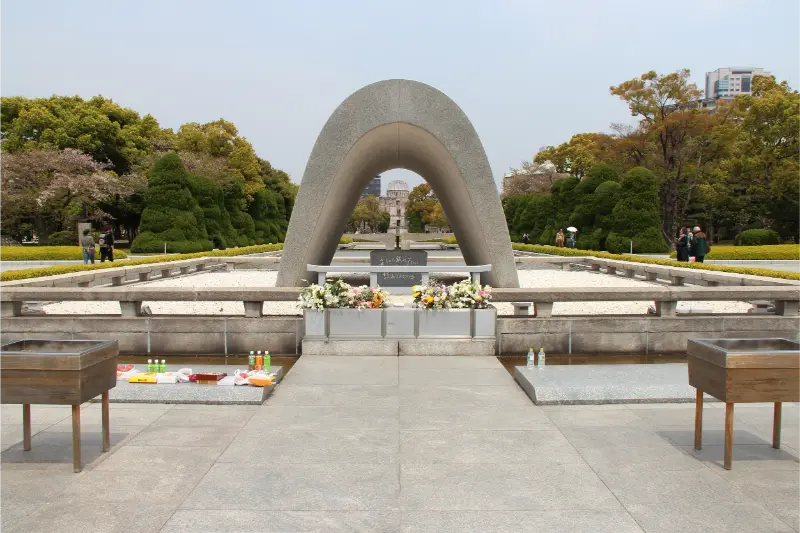
Begin with municipal heritage offices, cemetery trusts, preservation organisations or museum resources. Look for official information about sections open to visitors, historical periods, walking routes and accessible entrances. A cemetery with a dedicated visitor centre may be easier to understand than a large site with no signage. Some memorial gardens commemorate disasters, epidemics or political violence; they require particular sensitivity and should not be selected merely because their architecture appears dramatic. Read enough background to understand whose memories the site preserves and whose perspectives might be absent.

Different burial traditions use different symbols, layouts and practices. The meaning of an inscription, carving or offering may not be obvious. Avoid guessing or repeating sensational stories about individuals based on a photograph. Interpretive panels and local historians can provide context, but historical claims may still be debated. If researching family ancestry, use established archives and official records rather than asking strangers to reveal private information. The aim is understanding, not collecting intimate details about living families.
Follow rules for photography and publication
Policies differ widely. Some sites permit casual photography but restrict tripods, commercial shoots, drones or images during ceremonies. Others prohibit photography in particular sacred sections. Always check. A camera pointed at an old monument may seem harmless, but a person grieving nearby has a reasonable expectation of privacy and dignity. Do not photograph mourners without consent or treat the presence of an accessible public path as permission for intrusive close-ups. Be especially careful before posting legible recent memorial details with identifying information.
A thoughtful image can show a landscape, architectural style or stone-carving tradition without exposing someone’s private moment. Use paths to frame a composition instead of stepping between graves for a better angle. Never move flowers or offerings, adjust objects or touch a monument to improve the shot. The National Park Service’s cemetery conservation resources emphasise preserving historic markers with minimal intervention; the same principle applies to ordinary visitors. A respectful photograph should leave the setting exactly as it was found.
Protect fragile monuments and the landscape
Older stone markers can be unstable, weathered or damaged by seemingly minor contact. Do not climb, lean on, sit on or rub inscriptions. Do not attempt to clean a gravestone, remove moss or trace lettering with chalk or wax. Conservation requires trained judgement; well-intentioned cleaning can harm delicate stone. Follow designated paths and avoid walking across burial plots. Low fencing, uneven ground and worn steps often indicate areas where extra caution is needed. Report a dangerous leaning marker to the site authority rather than trying to straighten it yourself.
Plants, trees and insects form part of the cemetery landscape, but do not collect seeds or flowers unless explicitly allowed. Leave offerings and decorations untouched, even if they look abandoned. Some sites maintain conservation zones or protected habitats that should not be disturbed. Dispose of litter appropriately and keep food away from the graves. A visitor’s role is to observe and learn, not to undertake restoration or rearrange the environment. If the site offers authorised volunteer opportunities, follow the organiser’s training and supervision requirements instead of acting independently.
Visiting with children and teenagers
Historic cemeteries can be an educational stop for older children who are interested in history, art or family stories. Explain the purpose of the place in age-appropriate language before entering: it is somewhere people remember the dead, so quiet voices and respectful movement are expected. Do not let children climb memorials, play chase among graves or remove small objects. For very young children, choose a short route and be willing to leave if the setting becomes uncomfortable. There is no requirement to expose children to disturbing details in order to make a cultural visit worthwhile.
Teenagers may engage with architectural symbolism, migration history or a discussion about how public memory changes over time. Invite questions without forcing a single interpretation of religious or historical beliefs. If a child has recently experienced bereavement, a cemetery visit could have personal significance or feel upsetting. Allow them to opt out. Pair the visit with an appropriate museum or heritage walk if the group wants more context. The aim is not to make mourning entertaining but to understand how communities honour people and preserve their stories.
Accessibility and physical comfort
Historic sites may contain cobbles, steep paths, gravel, narrow gates and sections without step-free access. A cemetery that appears flat on a map may be physically demanding because of uneven surfaces. Ask the operator about accessible entrances, transport stops, seating, toilets and the length of the suggested route. Mobility scooters and wheelchairs may not be able to reach every historic section; an official accessible path or digital interpretation can still provide a worthwhile visit. Choose a shorter circuit rather than attempting every row in difficult conditions.
For visitors with low vision, tactile or audio information may be limited, and fragile monuments should not be touched without permission. Large-print maps, guided interpretation or clear verbal descriptions can improve access. People who find quiet commemorative spaces emotionally challenging should feel free to shorten the visit. Older travellers may prefer a morning tour before the ground becomes hot or crowded. As with any historic attraction, comfort is not a distraction from learning: it helps people remain attentive and respectful.
Guided tours, personal research and local experts
An authorised heritage guide can explain changes in design, the history of different communities and the conservation challenges of a cemetery. Before booking, check whether the tour is officially permitted, how large the group will be and whether the guide understands sensitive areas. A specialist historical walk may cost more than self-guided exploration but offer better context. Some municipal sites provide free maps or visitor information. Even if a tour includes a cemetery, its general city-walk ticket does not necessarily grant access to restricted sections.

For ancestry research, contact an archive or cemetery office in advance and ask about searching burial registers. Public records may be incomplete, and people with similar names are easily confused. Avoid publishing personal information about living relatives without consent. A family researcher who identifies a plot should follow the same visiting boundaries as everyone else. Do not disturb inscriptions or surrounding graves to obtain a photograph. Historical interest and family connection can coexist with restraint and compassion.
Memorial gardens need particular sensitivity
Memorial gardens may commemorate lives lost through war, persecution, disaster or other collective tragedy. Their design can deliberately invite silence and reflection. Read the visitor guidance before planning a group visit, and do not bring loud entertainment, inappropriate costumes or staged photographic poses. Commercial filming may require permission. Symbols, flowers and notes left by visitors can be part of ongoing remembrance. Never move them to create a tidy image. Some sites ask visitors not to bring food or to follow a particular route through the memorial.
An informative visit can include a museum, testimony centre or educational programme that presents the historical context. Distinguish verifiable facts from commemorative interpretation and avoid turning complex events into simplistic social media captions. Many memorials have strong significance for descendants and communities who still face the consequences of the history being remembered. Respectful tourism allows space for their voices and does not assume every visitor comes for the same reason.
Practical planning, costs and timing
Many public cemeteries have no admission charge, while official tours, museums or heritage exhibitions may be ticketed. Some historic grounds have seasonal hours or restrict entry during ceremonies. Budget for transport and allow a realistic amount of walking time. Large sites can take hours to cross, so prioritise a small route connected to your interests. Check whether parking is permitted or public transport offers a more appropriate entrance. Save the official map offline if mobile reception is unreliable among large stone structures or wooded sections.
Weather affects safety. Rain makes smooth historic stone, steps and leaves slippery; strong wind can create hazards around trees or fragile structures. The National Park Service’s preservation safety guidance highlights risks such as unstable monuments and damaged vegetation. Do not enter cordoned sections after storms. Bring water and respectful clothing appropriate to local customs. If a visit becomes emotionally difficult, there is no obligation to complete the planned route. A meaningful experience may last only twenty minutes.
Frequently asked questions
Is it appropriate to visit a cemetery as a tourist?
Yes, when the site welcomes visitors and the visit is respectful. Many historic cemeteries preserve important art and community history, while others are active, private or restricted. Follow the operator’s rules, respect mourners and avoid treating graves as props.
Can I photograph old gravestones?
Sometimes, but permissions vary by cemetery and section. Check the local rules, avoid photographing private ceremonies or mourners and never move objects to improve a picture. Be cautious about publishing identifiable details of recent graves or living relatives.
Can I clean a historic gravestone to read the inscription?
No, not without specific authorisation and appropriate conservation expertise. Cleaning or rubbing can damage fragile materials. Consult the cemetery authority or preservation specialists if you are researching an inscription. Observation and documentation from an authorised path are safer options.
Are historic cemeteries wheelchair accessible?
Some offer accessible routes, but paths, slopes and surface conditions vary. Confirm entrances, accessible toilets and the specific sections you hope to visit. A suitable guided route or digital interpretation may be more practical than attempting every historic pathway.
Is a memorial garden the same as a public park?
Not necessarily. Many memorial gardens are designed for quiet remembrance and impose rules on photography, food, group activities or entry. Treat the site according to its commemorative purpose rather than applying ordinary recreation-park expectations.
Leave the place as you found it
Choose a legitimate visiting route, learn enough history to understand the site, and keep your behaviour considerate of the people whose lives are remembered there. Resist intrusive photographs, do not touch or clean monuments and make space for active ceremonies. A thoughtful visit to a historic cemetery can deepen an understanding of the city while preserving the dignity that makes the place meaningful in the first place.
Quick planning table
| What to check | Recommended action |
|---|---|
| Public access | Check authorised paths, opening times and ceremonies |
| Photography | Respect restrictions and the privacy of mourners |
| Historic markers | Never climb, clean, move or rub fragile gravestones |
| Meaning and context | Use official archives or responsible local interpretation |
Official resources and further reading
Regulations, access and operating conditions may change. Check the relevant official source and provider for the exact destination and dates.