Category: Travel Planning

Practical planning guides for international trips, itineraries, destination choice, documents, timing and the decisions that make travel smoother.

  • Airport Lounges, Sleep Pods and Day Rooms: Making Long Layovers More Comfortable

    Airport Lounges, Sleep Pods and Day Rooms: Making Long Layovers More Comfortable

    A long airport connection can be a useful breathing space or an exhausting stretch of bright lights, announcements and uncomfortable seats. Airport lounges, paid day rooms and sleeping pods promise relief, but they differ dramatically in price, opening hours, facilities and location. The right option depends on the length of the stop, the terminal, security rules, luggage arrangements and how much rest the traveler truly needs. Before paying for a premium lounge, work out whether a quiet public seating area, an airport hotel or simply an efficient transfer would serve the trip better.

    At a glance

    • Calculate usable time after transfer and boarding margins.
    • Confirm whether a facility is airside or landside.
    • Check guest rules, facilities, accessibility and total cost.

    Start with the real amount of usable layover time

    The scheduled gap between flights is not the time available for relaxation. Subtract disembarkation, immigration if required, baggage collection and recheck, movement between terminals, security screening and the margin needed to reach the next boarding gate. An apparent five-hour connection can leave only two comfortable hours, particularly if tickets were booked separately or a terminal transfer is lengthy. Airport construction, night closures and international border controls can change the calculation.

    If your flights are on one protected ticket, the airline may have specific arrangements for disruptions, but you still need to understand the transfer procedure. Separate tickets can require entering the country and checking in again, potentially subject to entry requirements. Do not pay for a lounge on the assumption that you can reach it airside. Research the exact terminal and concourse you will be using, because two lounges at the same airport may sit on opposite sides of passport control.

    Know what an airport lounge usually offers

    Lounges may provide seating, drinks, light meals, Wi-Fi, charging points, toilets and workspaces. Some include showers, quiet rooms or family areas. Others are essentially busy dining rooms with an entry fee. Food may be buffet-style or ordered separately; alcohol, showers and premium services sometimes cost extra. Check whether entry is restricted to a particular airline, class of ticket, loyalty status or paid lounge program. A card promising 'worldwide lounge access' does not necessarily include every airport or terminal.

    Many operators limit entry to a number of hours before departure, and access can be denied when the lounge is full. Advance booking may reduce uncertainty but does not always guarantee a particular seat or shower slot. Read the terms on guests and children: a family of four may face a much higher total charge than the headline single-adult price suggests. For a traveler who only wants twenty minutes of quiet, the value may be poor.

    Compare lounge access with a terminal hotel

    An airport hotel can be better for a long overnight stop because it offers a private bed, bathroom and predictable noise level. Check whether the hotel is inside the secure transit zone or outside the terminal. A landside property may require border entry, a shuttle journey and another security screening. If you cannot lawfully enter the country, an attractive airport hotel outside immigration may be completely unusable. Confirm this with official airport and immigration information before booking.

    Day-use hotel rooms can work for a daytime layover when there is enough time to travel there and back. Compare check-in windows, shuttle frequency, luggage storage and cancellation conditions. A very early departure can make a nearby airport hotel worth the price for a family or an older traveler who sleeps poorly in public spaces. Conversely, a short connection may be safer and less tiring if everyone stays near the departure gate rather than trying to maximize paid amenities.

    Understand sleep pods and capsule facilities

    Sleeping pods and capsule cabins range from small enclosed seats to compact rooms with beds, ventilation and controlled lighting. Some offer hourly bookings; others charge for blocks of time. Verify exact dimensions, privacy, toilets, showers and whether personal luggage fits securely. A pod that suits one adult may not accommodate a parent with a baby or a traveler who needs room for mobility equipment. Some facilities are unsuitable for children or have explicit age restrictions.

    Pods are not a substitute for a hotel in every circumstance. Announcements, terminal noise and limited temperature control may still affect rest, and staff may require identification or payment cards. Check whether the unit is staffed around the clock and how late arrival affects the reservation. If the airport is closed to overnight passengers, a facility shown on a terminal map may not be accessible throughout the night. Never assume that a sleeping pod can legally or practically serve as overnight accommodation without checking the operator's rules.

    Evaluate shower, food and charging options honestly

    After a long-haul flight, a shower and a clean change of clothes can be more refreshing than unlimited snacks. Some lounges have complimentary showers; others require booking or an additional fee. If you are considering a lounge only for its shower, compare the cost with any standalone shower facilities at the airport. Bring travel-size toiletries and keep essential clothing available in cabin baggage, while observing liquid restrictions on subsequent security checks.

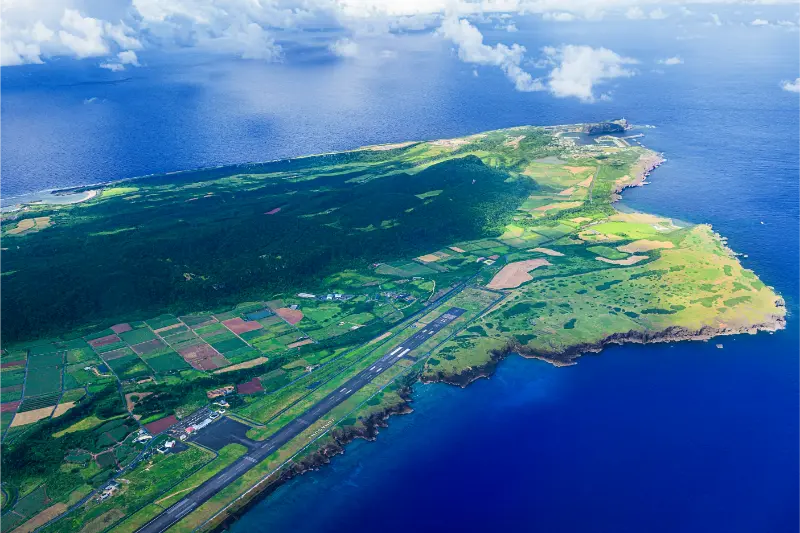
    Newark Liberty International Airport Aerial Terminal View

    Charging access matters for travelers using phones for boarding passes, payment and directions. Carry the appropriate charger and cable, and avoid relying on a single USB port in a crowded lounge. Read airport guidance before connecting unfamiliar devices to shared stations. Food quality and availability also vary: a lounge's promised 'light refreshments' may not meet a family meal requirement or the needs of someone with a serious food allergy. Ask about ingredients rather than assuming buffet labels are comprehensive.

    Check how families and children can use the space

    A lounge may look peaceful in photographs but contain areas with no space for a stroller, few child-friendly foods or rules limiting children to particular sections. Ask whether children count as full-price guests and whether infants are admitted without charge. Check for family rooms, baby-changing facilities, quiet zones and any practical restrictions on sleeping. Young children may be more comfortable with freedom to move in a public play area than being asked to sit quietly in an expensive lounge for three hours.

    For teenagers, charging, internet and a place to sit may be sufficient. A multigenerational group might prefer seating near toilets and departure information screens. Build in movement breaks and allow time to reach the gate before boarding. A lounge visit should reduce stress, not create a new deadline when staff suddenly announce that access is ending or the family must rush to another terminal.

    Consider accessibility and sensory comfort

    A venue described as accessible should be checked for its actual route, lift availability, seating layout, door widths and accessible bathroom facilities. Travelers using wheelchairs or mobility scooters may need to know whether equipment can remain nearby and whether a separate assistance service will escort them to boarding. The airport lounge generally does not replace prearranged assistance with the airline or airport. Ask how the lounge communicates gate changes and whether announcements are accessible to those with hearing impairments.

    For travelers sensitive to noise, light or crowds, a paid lounge is not guaranteed to be quieter than the main terminal. Some are busy at peak hours and use televisions or music throughout the space. Look for verified quiet areas, sensory rooms or less crowded gate zones; official airport accessibility resources may be more informative than lounge marketing. Choose the option that reduces actual discomfort rather than assuming a premium price equals better accessibility.

    Work out the cost per useful hour

    Divide the total price for everyone by the number of hours you will realistically use the service. Include any food, shower or guest charges that are not part of the basic entrance. For example, a hypothetical lounge visit costing 45 currency units for ninety minutes is a different proposition from the same cost for four peaceful hours. If a family can buy a proper meal and spend comfortable time in a public area for less, lounge access may not add much value.

    Check whether your ticket class, credit card or loyalty membership already provides entry and what fees apply to guests. Do not assume benefits remain unchanged from a card advertisement you saw months earlier. Some memberships count visits annually, restrict partner lounges or charge after a free allowance. Review cancellation rules before buying access for a connection that may change because of operational disruptions.

    A practical plan for short, medium and overnight stops

    For a connection under three hours, prioritize a secure, predictable transfer and avoid unnecessary purchases. For a four-to-six-hour connection, consider a lounge only after confirming terminal location, available time and entry conditions; a comfortable public space may be sufficient. For a truly overnight or very long connection, compare transit-zone sleep facilities, airport hotels and any visa requirements in detail. Allow a generous margin before your onward boarding time.

    If the arrival flight is delayed, revisit the plan rather than clinging to a nonrefundable lounge reservation. Keep water, essential medicines and a small rest kit readily accessible. Use the airport's official information channel for live gate and terminal updates. The best layover decision is rarely the fanciest facility; it is the one that leaves travelers rested, informed and ready to continue safely.

    Frequently asked questions

    Can I access any lounge with a premium credit card? No. Check the specific program, terminal, guest rules and operating hours.

    Are sleeping pods available overnight? Sometimes, but individual facility and airport access rules differ.

    Does a transit hotel require a visa? It depends on whether the hotel is airside, your citizenship, itinerary and local entry rules.

    Will a lounge help a traveler with sensory sensitivities? Possibly, but confirm noise, lighting and crowding; official quiet or sensory spaces may work better.

    Is a lounge worth it for a short connection? Often not once walking, screening and boarding time are subtracted.

    Planning checklist

    FocusWhat to confirmWhen
    TimeActual time after formalitiesBefore purchase
    LocationTerminal, airside or landsideBefore paying
    AccessEligibility, guests and facilitiesBefore booking
    RestComfort and onward-boarding marginDuring layover

    Official resources and further reading

    Check the latest local rules, opening conditions and applicable safety requirements with the operator or authority before travel.


  • Exploring Street Food and Local Markets Abroad: What to Eat and How to Stay Well

    Exploring Street Food and Local Markets Abroad: What to Eat and How to Stay Well

    Markets and street-food stalls often reveal more about a destination than a formal restaurant menu. You can watch a cook prepare a regional specialty, hear neighbors discussing what to buy and discover ingredients unfamiliar at home. Yet choosing what to eat while traveling raises genuine questions about hygiene, allergies, water quality and stomach upsets. A rewarding food-focused holiday combines curiosity with sensible precautions. The aim is not to avoid every unfamiliar dish, but to explore with attention to how food is prepared, stored and served.

    Start with local curiosity, not a checklist of famous dishes

    Before visiting a market, find out what food is seasonal and which specialties people associate with that region. The best discovery may be an ordinary breakfast, a small bakery or a weekday produce stall rather than the snack promoted by every tourism video. Ask a hotel employee or local guide where residents shop, while remembering that recommendations reflect individual tastes. Learn a few food words in the local language and write down any ingredients you cannot eat.

    Plan food experiences around the rest of the day. A market that opens before sunrise may be most enjoyable when followed by a slower afternoon. A busy night market can be tiring for young children or anyone sensitive to noise and crowds. Older travelers may appreciate a route with seating and accessible toilets. Your itinerary should include the pleasure of stopping, sitting down and observing, not simply trying to consume as many different items as possible.

    Understand the difference between lively and hygienic

    A long queue may indicate popularity, but it does not prove that food is safe. Notice whether the vendor handles money and food with clean practices, whether ingredients are protected from insects and heat, and whether cooked food is kept appropriately hot. A clean cooking surface and frequent preparation can be encouraging, but no single visual test guarantees safety. The local reputation of a stall matters, yet foodborne infections can occur in any setting, including expensive restaurants.

    The CDC Yellow Book food and water precautions advises particular care where sanitation or food hygiene is inadequate or uncertain. Fully cooked food served hot is generally a safer choice than food held at room temperature. Raw or undercooked animal products, unpasteurized dairy and produce washed in unsafe water can carry greater risks. Apply the guidance to the circumstances without treating every street vendor or culture as inherently unsafe.

    Assorted Restaurant Dishes With Bowls Of Food

    Choose foods that are prepared and served thoughtfully

    Watching a cook make a dish can help you see the preparation process. Choose fresh servings rather than ingredients that have been sitting unrefrigerated in the heat. In places where hygiene is uncertain, piping-hot cooked foods and fruits you can peel yourself are often practical options. Avoid assuming that sauces, ice, cut fruit or drinks diluted with water are safe just because a main dish was cooked thoroughly. Food left in the sun for hours deserves caution even if it smells normal.

    For families, introduce unfamiliar foods gradually. A child’s appetite may disappear in hot weather or when meals are served much later than usual. Bring a familiar snack so hunger does not force a rushed choice. Anyone with a sensitive stomach can start with a simple meal and enjoy the aromas and atmosphere without eating everything. It is perfectly possible to have a meaningful market visit while making a selective, informed food choice.

    Pay attention to drinking water and ice

    Tap water can be perfectly safe in some cities and unsuitable for drinking in others. Check current, destination-specific public-health information rather than relying on assumptions about a country’s income level or restaurant appearance. Where water is not reliably safe, use appropriately treated water or factory-sealed bottled water for drinking and, when recommended, for brushing teeth and preparing food. Ice may have been made with water of uncertain quality; in some settings it is wiser to skip it.

    Remember that boiling addresses many infectious hazards but does not remove chemical contamination. Ordinary travel filters vary in what pathogens they can remove and may not make untreated water safe by themselves. For more precise methods, consult the CDC water disinfection guidance. If a toddler needs formula, be especially attentive to official infant-feeding guidance and the quality of water and preparation equipment. Hydration matters, but choosing unsafe water is not an acceptable shortcut.

    Manage food allergies without gambling on translation

    A traveler’s allergy can make a seemingly simple snack difficult to judge. Recipes differ among regions and vendors; sauces may contain peanuts, sesame, fish, shellfish, milk, eggs or other allergens that are not visible. Cross-contact can occur when utensils or cooking oil are shared. Carry a clear written translation of your allergens and the seriousness of the reaction, but do not rely on an app or a verbal ‘no problem’ response as proof of safety.

    Ask about ingredients and preparation with enough time for the vendor to explain. If communication remains unclear, choose a safer option rather than asking someone to guess. Follow your personal emergency plan, carry prescribed medication including epinephrine where indicated, and know how to contact local emergency services. An allergy-focused traveler may prefer a food tour with advance communication and restaurants able to discuss ingredients, although no tour can promise zero risk. See the guide to traveling with food allergies for more detailed planning.

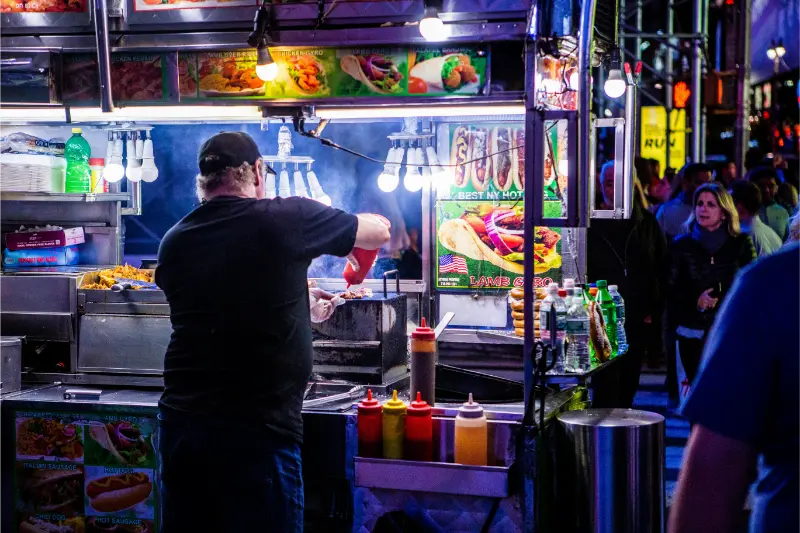
    New York Street Food Cart Vendor

    Explore markets respectfully

    Markets are workplaces before they are tourist attractions. Do not touch produce unnecessarily, block narrow aisles for photographs or ask vendors to pose without permission. Some sellers welcome conversation; others are busy serving residents. Observe local bargaining customs and posted prices. If buying small amounts, be considerate of queues. Learn a simple greeting and thank-you phrase. A respectful conversation about a regional spice or cooking method may become a richer memory than a photograph of a crowded stall.

    Avoid posting images of identifiable people, especially children, without permission. Some markets prohibit photography or filming entirely. Pay promptly using the accepted method; small cash may be useful in places where card terminals are rare. Take reusable bags where practical and avoid leaving litter. If sampling unfamiliar produce, ask how it should be washed, peeled or cooked. Buy only what you can reasonably consume, particularly when accommodation has limited refrigeration.

    Decide whether a food tour adds value

    A knowledgeable local food guide can explain history, ingredients, migration influences and social customs that a quick snack cannot reveal. They may introduce smaller neighborhoods or family-run businesses you would otherwise miss. Before paying, ask how many stops are included, the walking distance, group size, accessibility, duration and food-allergy procedures. Check whether the operator compensates vendors fairly and whether the tasting portions amount to a meal or only a few bites.

    A food tour is less appealing if it rushes through markets, treats sellers as props or substitutes bulk souvenirs for useful interpretation. Compare prices against the experiences provided, not only the number of dishes. Families may need a shorter route with toilet stops, while older travelers may appreciate comfortable seating. If you prefer spontaneous exploration, a self-guided morning at two or three markets can be just as rewarding, provided you follow local rules and food-safety precautions.

    Build a flexible market day

    Start with a morning market when vendors are active and produce is fresh. Walk the surrounding streets, learn what is seasonal and choose one prepared breakfast or snack that suits your needs. Leave time for a museum or shaded break at midday. In the afternoon, visit a bakery or sit-down restaurant where you can learn more about a dish you encountered. An evening night market can be a short optional outing rather than an obligation to stay until closing.

    Balance tasting with normal meals and hydration. A food itinerary filled entirely with small snacks can leave someone unsatisfied or unwell. For travelers with children, include familiar food options. For anyone who tires easily, pick a market with nearby transport and seating. Research opening days carefully: some wholesale markets welcome visitors only during limited hours, and religious holidays can change schedules completely.

    Street Food Vendor In Manhattan New York

    What to do if stomach symptoms develop

    Mild digestive discomfort may resolve with rest and suitable fluids, but foodborne illness can also cause serious dehydration or require medical care. Seek professional advice promptly for severe symptoms, blood in stool, persistent fever, marked dehydration or symptoms in vulnerable travelers, including small children and older adults. Do not assume all diarrhea can be treated with leftover antibiotics or over-the-counter medicines; appropriateness varies and some treatments are unsuitable for certain conditions.

    Have travel insurance details and the address of a reliable medical facility available before an emergency. Practice handwashing with soap and safe water, especially before eating and after bathroom use. Alcohol-based sanitizer can help when handwashing is unavailable, but it does not replace it for all pathogens or visibly dirty hands. If someone is ill, do not force a strenuous sightseeing day. The schedule should serve the people traveling, not the other way around.

    A practical market-food decision table

    Question Reassuring sign Reason to pause
    Cooking Food freshly cooked and served hot Cooked food standing for a long time
    Water Confirmed safe source Uncertain ice or water supply
    Ingredients Clear explanation possible Allergy answers vague or inconsistent
    Storage Appropriate hot or cold holding Perishables left warm outdoors
    Atmosphere Room to eat and wash hands Crowding prevents basic hygiene

    Keep the experience affordable and meaningful

    A busy market offers many ways to spend money quickly. Decide on a small tasting budget, compare portion sizes and leave space for one meal worth sitting down for. You do not need to buy every famous snack to understand a city. Visit markets as part of a broader itinerary that includes neighborhood life, public spaces and historical places. Supporting local sellers matters, but so does choosing businesses that respect workers and hygienic practices.

    For context, read traveling where you do not speak the language, travel money and local payments and cultural etiquette. A delicious travel memory usually comes from slowing down enough to understand the people and traditions behind the meal.

    Frequently asked questions

    Is food from street stalls always risky?

    No, but risks vary with preparation, storage, water quality and local conditions. Use credible destination health advice and favor freshly cooked, properly handled foods when hygiene is uncertain.

    Can a busy queue guarantee that a vendor is safe?

    No. Popularity is not evidence of suitable food temperatures, clean water or allergen controls. Observe preparation and use the same caution that you would apply in a restaurant.

    How should I approach food when traveling with a toddler?

    Keep regular meal and hydration needs in mind, choose foods appropriate for the child’s age, and pay particular attention to safe water, proper cooking and hand hygiene. Ask a pediatric clinician for any destination-specific concerns.

    Is an organized market tour better than exploring alone?

    It can offer cultural context and introductions, but only if the guide is reputable and the pace works for you. Independent visits may be more relaxed and economical. Choose according to your interests and practical needs.

  • Learning to Scuba Dive on Holiday: Training, Dive Centers and a Safer First Descent

    Learning to Scuba Dive on Holiday: Training, Dive Centers and a Safer First Descent

    The idea of breathing underwater can make a coastal holiday feel completely different. Scuba diving allows visitors to observe coral gardens, rock formations and marine animals in a slower, more immersive way than a quick surface swim. Yet a dive is not an ordinary boat excursion. It requires appropriate training, reliable equipment, medical screening and an operator who follows recognized safety practices. This guide helps a curious beginner decide whether to try an introductory program or a full certification during a holiday, while leaving individualized health decisions to qualified professionals. Nobody needs to dive to appreciate a marine destination, and an informed decision not to dive is just as valid as a successful first descent.

    Quick planning reference

    Decision What to check Useful action
    Dive center Instructor, training agency and emergency plan Request a written description
    Medical suitability Health questionnaire and dive-medicine assessment Never conceal a condition
    Return flight Surface interval and local expert advice Leave generous time after diving

    Introductory experience or certification course?

    A supervised introductory experience is designed to let a novice discover what scuba feels like under a qualified instructor’s direct control. It is not a diving license, and it does not authorize independent dives afterward. A beginner certification course is a more substantial commitment, typically involving theoretical learning, skill sessions in confined water and assessed open-water dives. Exact standards, minimum ages and prerequisites depend on the training agency and course; do not assume a resort advertisement describes the same qualification used elsewhere. Ask the center to identify the actual course, issuing agency and requirements in writing.

    If you are unsure whether you enjoy breathing through a regulator, begin with a short, properly supervised introduction rather than purchasing several days of training. You may love the quiet of the underwater environment, or you may find the mask and unfamiliar sensations uncomfortable. Neither reaction is a failure. Some travelers discover that guided snorkeling offers the nature experience they wanted with less equipment and planning. Companions can take different activities without dividing the whole holiday: a guided coastal walk or boat viewpoint visit can fit around a lesson.

    Certification is worthwhile when you expect to dive more than once, want transferable skills and can give the learning process proper attention. Avoid squeezing complex training between a long overnight arrival and a flight home. Knowledge development needs uninterrupted focus, and practical skills should not be hurried just to meet a departure date. A good instructor can explain how progress is assessed and whether additional lessons may be needed without promising a guaranteed pass.

    Choose a reputable center, not the cheapest package

    Ask about the training agency, instructor credentials, equipment maintenance, maximum student-to-instructor ratio, language of instruction and emergency procedures. Confirm the location of the nearest appropriate medical support and how staff would communicate with emergency responders. A friendly reception desk is pleasant, but the quality of the safety briefing and the willingness to answer questions matter more than marketing photographs. The center should explain what is included in the fee: learning materials, certification registration, equipment, boat transfers, local permits and any extra training sessions.

    Visit the premises if practical. Equipment should be stored cleanly, regulators and buoyancy devices should be checked, and cylinders handled by trained personnel. You do not need technical expertise to notice whether staff take questions seriously and run orderly briefings. If instructors dismiss safety concerns, refuse to describe emergency arrangements, or pressure guests to hide medical information, do not participate. A bargain that removes essential instruction or limits a student’s ability to stop is poor value.

    Pay attention to the dive sites proposed for the first sessions. A sheltered bay with controlled depth and good visibility is usually more suitable than an ambitious current-swept reef. Ask whether entry is from shore or boat, how waves affect boarding, and where an anxious student can pause. Some centers offer accessible instruction with specialized staff and equipment, but access must be discussed individually, including transfers, communication and emergency procedures. The same principle applies to older visitors: age alone does not decide suitability, and health and practical capability must be considered case by case.

    Medical screening is part of the booking decision

    Diving involves pressure changes and breathing compressed gas, so medical conditions or recent illness can affect safety in ways that ordinary swimming does not. Complete the operator’s health questionnaire honestly and obtain clearance from an appropriately qualified diving-medicine clinician if the answers require it. Never take an unfamiliar medication to suppress symptoms just to complete a planned dive. Sinus congestion, respiratory illness, some ear conditions and other concerns can make a descent unsafe; only a competent healthcare professional can assess individual risks. Do not rely on advice from social media or a resort salesperson to replace a medical assessment.

    Skills such as equalizing pressure in the ears, clearing a mask, recovering a regulator and controlling buoyancy must be learned with the instructor. Speak up at the first sign of pain or difficulty equalizing; forcing a descent can cause injury. Communicate before the lesson about vision, hearing, language, mobility, fatigue and any other need that may influence instruction. A good center adapts explanations when possible and will stop the session if essential conditions cannot be met safely.

    Never dive while impaired by alcohol or drugs, after a very exhausting journey or when unable to follow directions. If you feel uncomfortable underwater, use the signal taught by your instructor and follow the trained procedure rather than making a panicked ascent. Your first objective is controlled, confident skill practice, not reaching a famous depth or creating dramatic photographs.

    What a well-paced learning day looks like

    A sensible schedule begins with registration and equipment fitting, followed by an understandable briefing. In shallow or confined water, practice breathing, mask skills and buoyancy before progressing further under instructor supervision. There should be time between exercises for questions and feedback. On an open-water training day, transport, equipment setup, buddy checks, the dive itself and rest often take longer than the advertised time underwater. Do not plan a tight restaurant reservation or another activity immediately after every session.

    Bring drinking water, weather-appropriate clothing, sun protection, prescription medication and a snack that fits the operator’s instructions. If you are prone to seasickness, discuss appropriate options with a healthcare professional rather than experimenting with a sedating remedy before diving. Keep important belongings on shore or in a secure location arranged by the center. Underwater cameras can distract beginners who are still learning essential skills; first establish buoyancy and situational awareness. Photography becomes more rewarding once you can move without striking coral or disturbing animals.

    A beginner’s first descent may feel surprisingly busy: breathing through a regulator, monitoring the instructor, maintaining depth and noticing the surroundings all at once. Give yourself permission to move slowly. There is no prize for reaching the seabed before others. If you want a holiday that includes both study and relaxation, use free afternoons for short walks, light sightseeing and rest instead of stacking additional extreme activities onto the same day.

    Plan the time between diving and your flight home

    Flying after scuba diving can increase decompression illness risk because cabin pressure is lower than at the surface. Divers Alert Network provides commonly used minimum preflight intervals of at least 12 hours after a single no-decompression dive and 18 hours after multiple dives per day or on successive days; more complex dives require different, more conservative planning. These are risk-reduction guidelines, not a guarantee of safety or a personalized medical instruction. Longer intervals can provide additional margin, and relevant operator, training-agency and diving-physician advice must take precedence for your circumstances. The same issue may arise when ascending to high altitude by road after a dive.

    For a weeklong coastal holiday, it is often sensible to stop diving well before departure and reserve the final day for relaxing, sightseeing and packing. This leaves space for delayed lessons, rough-sea cancellations or simply recovering from a busy program. Do not book an extra dive at the last minute just because the weather is finally good if doing so would compromise the recommended interval. If you develop unusual symptoms after diving, seek urgent medical evaluation and tell clinicians about your dive history rather than boarding a flight and hoping they resolve.

    Check insurance carefully. Standard travel policies can exclude scuba, impose depth or certification limits, or omit specialized evacuation and hyperbaric treatment. Verify what is covered for the exact activity you are buying, including introductory programs and training. Keep the insurer’s emergency contact details accessible to your diving companions. Policies that look similar in a comparison table can have very different wording around medical transport.

    Protect the underwater world while learning

    Reliable buoyancy control protects marine environments as well as the diver. Practice staying clear of coral, never hold onto living reef structures and avoid lifting sediment with your fins. Do not chase turtles, handle sea stars, feed fish or pursue sharks for a dramatic close-up. Many responsible dive operators provide a marine-life briefing and explain how local protected-area rules apply. When in doubt, observe from a greater distance. The goal is to be a quiet guest, not an underwater performer.

    If a dive site is crowded, suggest a less congested location or a different departure time rather than contributing to pressure on a fragile reef. Take only photographs when allowed and leave natural objects where they belong. Underwater photography also has a safety cost: novice divers can lose awareness of depth, time and their buddy when focusing on a screen. A successful first course often ends with a few modest photographs and a much stronger understanding of the sea.

    Frequently asked questions

    Do I need to swim to learn scuba diving?

    Training programs normally require specific swimming or water-comfort abilities, with standards differing by course and agency. Explain your experience honestly and ask the center about eligibility before paying. Do not assume diving equipment makes basic aquatic skills unnecessary.

    Can children learn to dive on holiday?

    Some agencies offer age-limited junior programs with special restrictions. Minimum ages, depth limits, supervision and medical requirements vary. Confirm the actual training standard and whether the child genuinely wants to take part.

    How long does certification take?

    It depends on the program, preparation and student’s progress. Ask for the complete schedule, including theory, confined-water skills, open-water dives and a realistic weather contingency. Quality training should not be rushed.

    Can I dive the day before a flight?

    That depends on the dives and the remaining surface interval. Follow recognized diving medicine guidance and the instructions of qualified professionals; allow more time when possible. Never assume a short flight eliminates decompression risk.

    What if I feel frightened under the water?

    Signal the instructor and follow the practiced procedure. A responsible instructor should respond calmly, provide support and stop the session when necessary. Continuing simply to avoid disappointing others is not appropriate.

    Scuba training can become an unforgettable part of a trip when it is approached as a genuine skill rather than a souvenir experience. Select a conscientious center, allow time to learn, ask medical questions early and leave space after the final dive before traveling onward. The most meaningful achievement is returning from the water informed, safe and excited about the marine world.

    Official and specialist references

    Rules and availability may change. Check current official destination and provider information before booking or making health-related decisions.

  • Traveling in Extreme Heat: How to Plan Safer Holidays for Children, Adults and Older Travelers

    Traveling in Extreme Heat: How to Plan Safer Holidays for Children, Adults and Older Travelers

    A city that feels wonderful in spring can become exhausting during a heatwave. Long queues in unshaded streets, buses without reliable cooling and attractions reached by steep walks can make a carefully planned trip miserable or dangerous. Heat is not merely a comfort issue: it affects the body, and its risks are not equally distributed. Infants, older adults, pregnant travelers and people with certain medical conditions may need additional precautions.

    At a glance

    A travel-specific approach to extreme heat, from itinerary timing and shade to hotel cooling and age-sensitive precautions.

    What to check before booking
    DecisionWhat matters
    TimingWeather alerts and cool-hour sightseeing
    AccommodationDependable cooling and nearby transport
    AdaptationRest, water and age-sensitive planning

    This guide focuses on reducing exposure through travel planning, not on diagnosing or treating illness. Consult a healthcare professional about individual medical concerns, including how medication may affect heat tolerance. The CDC guidance for people at increased risk of heat illness explains why children and older adults deserve particular attention. Local health authorities and weather services should guide decisions during actual warnings.

    Check more than the average summer temperature

    Climate averages are useful when choosing a month, but they do not describe the temperature during a specific trip. Research the likelihood of heatwaves, humidity, nighttime temperatures and strong sun exposure. A destination with a moderate average can still experience dangerous conditions for several days. Check the official local forecast in the days before departure and each morning on location.

    Heat alerts sometimes consider humidity, duration or health impacts rather than temperature alone. Listen to local emergency guidance instead of dismissing a warning because the temperature resembles a familiar summer day at home. A dense city, exposed archaeological site, desert excursion and tropical island create very different heat loads. Use the forecast to change the itinerary, not simply the clothing in your suitcase.

    Shift outdoor sightseeing to cooler hours

    Start outdoor activities earlier when conditions permit, then move to indoor museums, a shaded café or your accommodation during the hottest part of the day. Evening outings can work well in some places, but warm nights may not provide meaningful relief. Check attraction opening hours and transport service before assuming a sunrise or late-night schedule is possible.

    Do not schedule the longest uphill walk after a midday queue. Group activities by neighborhood and leave time to stop rather than crisscrossing a city. For example, a morning historic district visit followed by an accessible indoor exhibition may be more pleasant than four exposed landmarks in succession. Our realistic itinerary guide provides a framework for creating breathing room without abandoning what you came to see.

    Choose accommodation for actual cooling, not a vague label

    “Air-conditioned” can mean central cooling, a portable unit in one room or equipment with restricted operating hours. Read recent reviews for comments about temperature and noise, then confirm the room setup. Ask whether fans, shutters, black-out curtains and drinking water are available. For apartment rentals, consider whether top-floor rooms and direct afternoon sunlight cause uncomfortable indoor conditions.

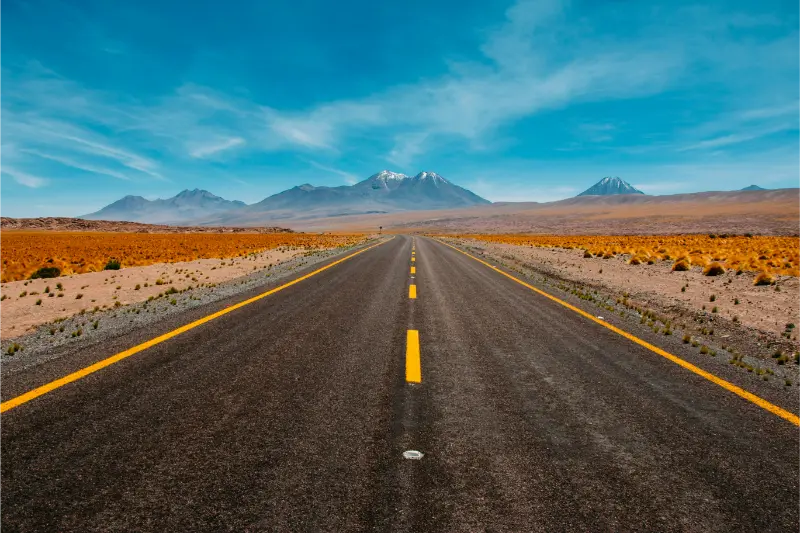
    Route 66 Empty Desert Highway

    Location matters too. A hotel near a shaded transport stop can spare a child or older adult several exhausting walks. Check whether lifts function, whether rooms require stairs and how easy it is to return for a rest. For families, a midday break should be realistically reachable without a lengthy bus journey. Our accommodation comparison guide helps evaluate the room and neighborhood together.

    Plan drinking water and meals without improvisation

    Drink regularly and follow relevant health guidance rather than waiting for severe thirst. Check whether tap water is safe at your destination; otherwise identify reliable supplies or refill points. Carry a reusable bottle where suitable, but avoid assuming every public fountain provides potable water. A long excursion needs adequate water for every traveler, not only for the most active adult.

    Meals and hydration routines can be disrupted by heat and sightseeing. Consider indoor meal breaks with access to clean facilities and time to rest. Anyone on fluid restrictions or medication affecting hydration should follow individualized professional advice. Do not use alcohol as a way to “cool down.” Plan where to obtain water during transfers, not just after arrival at the attraction.

    Adapt the holiday for infants and young children

    Babies and very young children depend on adults to regulate their environment and recognize warning signs. Shade, regular breaks and appropriate clothing matter, and a stroller canopy alone may not prevent dangerous heat buildup. Never leave a child inside a parked car, even briefly. For infants, ask a healthcare professional about age-appropriate feeding and hydration rather than applying adult water advice.

    Seek parks with genuinely shaded areas and nearby restrooms rather than scheduling hours on an exposed beach. Older children may not notice how much heat affects them when excited by activities. Teach them to say when they feel dizzy, unusually tired or unwell. Our toddler holiday guide offers practical routines that can be adjusted for hot weather.

    Include older adults and people with medical needs in planning

    Older travelers may be less able to regulate temperature or notice dehydration, and some medical conditions or prescriptions can increase heat-related risk. Do not make assumptions about an individual’s ability based only on age. Ask what pace, access to cooling and rest schedule they prefer, and arrange the trip accordingly. A short taxi or accessible shuttle may be a sensible alternative to a long walk.

    Before travel, people with health concerns should discuss potential heat exposure and medicines with their clinician. Know where a pharmacy and medical facility are located. If someone becomes confused, collapses or develops other severe symptoms in the heat, seek emergency assistance promptly; do not continue sightseeing. Our travel-after-70 guide emphasizes independence with appropriate comfort planning.

    Be selective about beaches, hikes and outdoor tours

    A coastal breeze can disguise sun exposure, and natural shade may be absent at scenic viewpoints. Evaluate distance, altitude gain, return transport, access to toilets and the possibility of leaving early. Organized excursions should explain water provision, cooling stops and cancellation or modification policies during official heat warnings. A tour that sounds manageable in a description may be unsuitable during a hot spell.

    Route 66 Desert Trading Post

    For hiking, never rely on a single bottle, uncertain spring or hope that a mobile signal will work. Heat, difficult terrain and remote locations can combine to increase risk. If conditions are unsuitable, change the excursion rather than trying to push through for a photograph. Alternative cultural experiences or a different day can preserve the enjoyment of the trip without the same exposure.

    Manage heat during transport and transit

    Airport queues, outdoor platforms and traffic jams can be tiring even when the vehicle itself is cool. Pack water consistent with security rules, refill after screening where possible, and carry lightweight layers for air-conditioned interiors. Before booking a long road journey, consider shade at rest stops, air conditioning and the risk of breakdowns. Do not leave children, dependent adults or animals in a parked vehicle.

    Check whether regional trains and buses offer reliable cooling. A missed connection can mean waiting in direct sunlight at a rural station. Our car-free travel guide is useful for planning backup routes and realistic transfer times. Keep an easy-to-reach supply of essential medication and avoid temperature-sensitive storage problems by following professional instructions.

    Recognize when to stop and seek help

    Heat exhaustion and more serious heat illness can involve symptoms such as weakness, dizziness, nausea or altered mental status. Specific symptoms and actions require authoritative local medical guidance. If someone appears confused, faints or has signs of heatstroke, seek emergency assistance immediately and follow emergency-service advice. Do not attempt to diagnose solely from a travel blog.

    Have the local emergency number saved and know your current address in a form that can be shared with responders. Identify a nearby cool public building and return to accommodation before people become dangerously unwell. If a warning becomes severe, cancelling a nonessential excursion is a responsible decision. Travel insurance may have exclusions for activities or cancellations; check the actual policy before assuming costs will be reimbursed.

    Build a flexible heat-aware daily itinerary

    For a five-day city visit, list your must-see sights and label each as exposed outdoors, partly shaded or indoors. Schedule only one demanding outdoor experience on a typical hot day and reserve flexible slots for weather-sensitive activities. Keep an alternative plan of museums, cultural centers and short shaded walks. Aim for a pleasant trip, not a competition to cover maximum distance.

    Discuss the plan with every traveler, including children old enough to express preferences. People with disabilities may need accessible cooling venues and routes rather than improvised stairs or crowded transport. Pay attention to air quality alerts as well as heat. The most memorable moments may come from an unhurried evening in a neighborhood rather than an exhausting midday dash across the city.

    Frequently asked questions

    Is a hot destination unsafe for everyone?

    Not necessarily. Risk depends on actual conditions, activity, accommodation and personal circumstances. Follow local warnings and adapt plans, especially for those at higher risk from heat.

    Does a stroller sunshade keep a baby cool?

    Shade helps limit direct sun, but some coverings can trap heat and impede airflow. Avoid enclosed hot environments and follow age-specific advice from pediatric health authorities.

    Should older travelers stop traveling in summer?

    No general age cutoff applies. Consider the person’s health, preferences, accessible cooling and itinerary; consult a clinician about individual risks when appropriate.

    Can travel insurance reimburse a cancelled outing during a heatwave?

    Policies differ. Some cover only specific named events or cancellation reasons. Check exclusions and operator conditions before assuming an uncomfortable forecast qualifies for reimbursement.

  • Architecture-Focused City Breaks: Read a Destination Through Its Buildings

    Architecture-Focused City Breaks: Read a Destination Through Its Buildings

    Architecture can make an ordinary walk feel like a journey through centuries. A railway station may reveal a period of industrial ambition; a neighborhood of apartment blocks may show how a city responded to population growth; a modern public library might express different ideas about space, democracy and civic life. You do not need a degree in design to enjoy an architecture-focused city break. The key is to look beyond isolated iconic buildings and explore how streets, public spaces and everyday homes work together.

    Quick planning reference

    DecisionWhat to checkUseful action
    ThemePeriod, style or urban questionSelect coherent neighborhoods
    EntryTimed tours and security rulesReserve key interiors first
    ContextResidents, conservation and adaptationRead locally grounded history

    Start with a theme rather than a list of landmarks

    Select a period or question that genuinely interests you: medieval street patterns, Art Deco, modernist housing, colonial-era urban development, adaptive reuse of industrial buildings or contemporary sustainable design. This keeps the itinerary coherent. A city can contain examples of several eras, but trying to visit every famous building in a single day often results in long transfers and shallow impressions. Three distinct places with time to observe may be more rewarding than twelve hurried exterior photographs.

    For a first architecture weekend, one theme could be the relationship between public buildings and surrounding neighborhoods. Visit a major library, a market hall and a transport hub, noting how people use each place. Alternatively, explore an old industrial quarter transformed into residences and cultural institutions. Read a local heritage organization’s interpretation before drawing conclusions; historical styles and dates are frequently oversimplified in travel marketing.

    Read buildings in their urban context

    A façade is only one part of architecture. Notice orientation, shade, public seating, pedestrian crossings and the relationship between a building and its street. A striking museum may be hard to approach on foot; a modest courtyard may be loved because it provides cool shelter and social space. UNESCO’s historic urban landscape approach encourages looking at heritage alongside everyday city life and its wider environmental and cultural setting.

    Ask which communities built, maintained and used a place, and whether those communities still have a voice in its future. Old neighborhoods can be charming and vulnerable to displacement at the same time. Avoid photographing residents’ homes as though they are museum exhibits. A respectful architectural itinerary makes space for local businesses, active public institutions and the ordinary users of the city.

    Choose destinations for contrasts

    Cities such as Barcelona, Chicago, Rotterdam, Brasília, Mumbai, Kyoto and Porto can illustrate very different architectural stories. Their suitability depends on your interests, not an objective ranking. Barcelona offers layered urban design; Chicago is associated with influential tall-building traditions; Rotterdam has significant modern reconstruction; Brasília is known for planned monumental urbanism. These examples are starting points, and each requires research into access, current opening schedules and neighborhood context.

    The most memorable contrasts can be found within one destination. A carefully restored historic quarter may sit near innovative social housing, an industrial waterfront or a new public square. Instead of treating one style as superior, ask what problem each building was intended to solve and how well it serves people today. Architecture is more interesting when it includes failures, adaptations and changes of use alongside celebrated masterpieces.

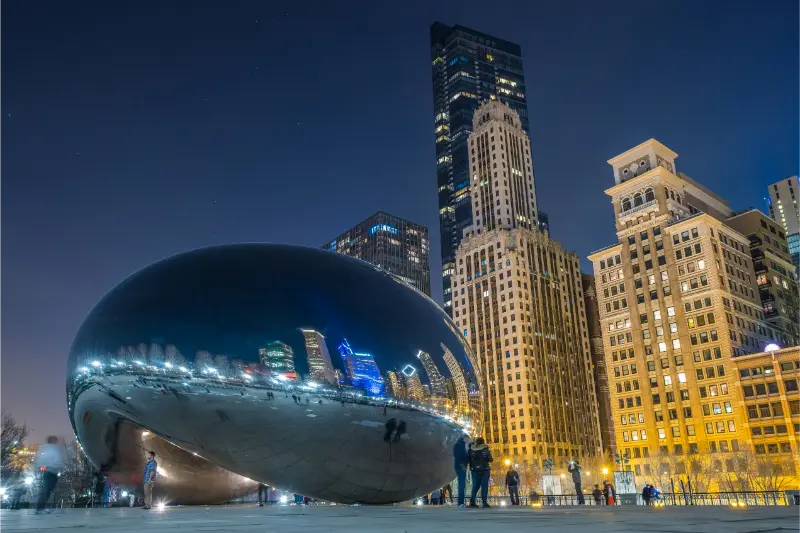
    Chicago Cloud Gate With Historic Buildings

    Use guided walks intelligently

    A well-qualified local guide can explain urban planning decisions, building materials and difficult historical contexts. Ask what the walk covers, how much of it is outdoors, whether any buildings are entered and whether photography is permitted. A tour advertised as ‘inside the secret city’ should be evaluated carefully; restricted interiors may be inaccessible for reasons of privacy, conservation or safety. Never accept trespassing as proof that a guide offers a special experience.

    Some travelers prefer an audio guide or a self-directed map. These can be excellent if routes are verified and the city feels safe. Choose a manageable district and allow pauses for sketching or reading. For visitors with mobility limitations, request step-free routes and exact walking distance. A walking tour may be labelled accessible while including uneven historic paving or long standing periods; advance details matter more than general promises.

    Plan interiors, tickets and photography

    Iconic buildings may be functioning courts, offices, private residences, places of worship or universities. Public opening hours and permitted areas are often limited. Check whether tours require advance reservations, identification, security screening or dress standards. An exterior can be enjoyed freely in many cases, but do not assume entry simply because the façade is famous. Some architectural interiors prohibit tripods, flashes or photography altogether.

    If your itinerary depends on two major ticketed interiors, reserve those first, then arrange nearby outdoor stops around them. Avoid booking timed slots on opposite sides of a city without realistic travel buffers. When a famous building is closed, a neighborhood walk or public architecture exhibition can save the day. Good itinerary design values the story of the city, not just the number of interiors entered.

    See architecture through different seasons and light

    Low winter light can emphasize building forms but offers fewer daylight hours. Summer gives time for long walks, while heat and reflected sun can make exposed plazas uncomfortable. Rain can reveal urban drainage and the relationship between covered and open spaces, but it also creates slippery surfaces. Check temporary scaffolding and restoration notices for a building you hope to photograph. Construction is a normal part of city life and preservation.

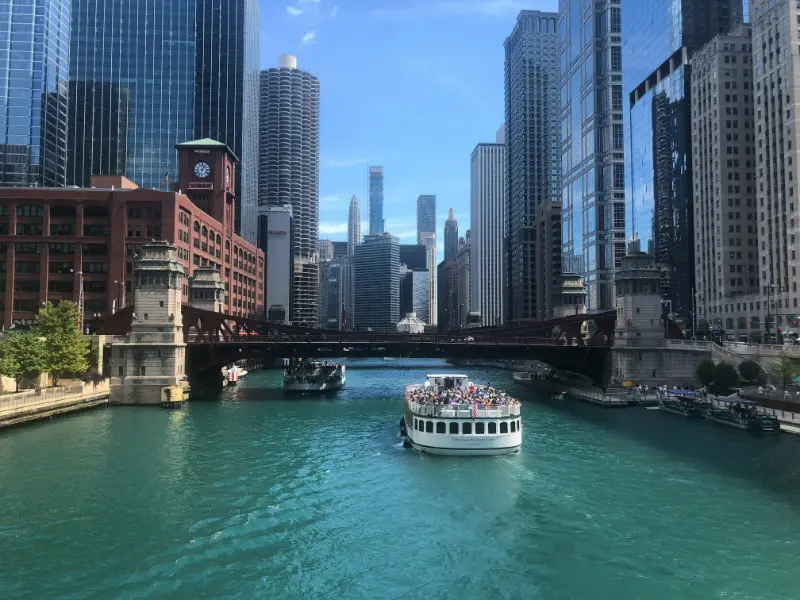
    A tour boat on the Chicago River between high-rise buildings

    For photography, look at how the building relates to people rather than waiting indefinitely for an empty street. Respect privacy when shooting residential windows, religious services and school areas. Drones may be restricted near public buildings or dense neighborhoods. A small notebook with sketches, materials and observations is a useful alternative to collecting hundreds of identical façade photographs.

    Make the itinerary work for every age

    Young children often respond better to playful observations—counting arches, spotting shapes and comparing bridges—than long explanations of architectural movements. Offer a short route and a nearby park. Teenagers may enjoy contemporary libraries, stadium architecture or digital design exhibits where visitors can build models. For adults interested in history, a local archive or guided conservation tour may add depth to ordinary sightseeing.

    Older visitors benefit from benches, toilets and reliable transport between districts. Someone with a wheelchair may be able to enjoy striking exteriors and public squares even when a protected historic interior has unavoidable access barriers, but this should be checked individually. For a mixed-age group, choose one principal visit per half day and let participants opt out of longer walking segments without feeling they have missed the whole trip.

    Calculate cost and travel time honestly

    Architecture is often a relatively economical travel theme because many important exterior spaces are free to view. Costs increase with specialist guided tours, museum entry, transport and premium interiors. Compare the complete experience, not just ticket prices. A central hotel can be worth more than a cheaper distant option if you plan early morning walks and evening photography, but accommodation cost needs to be balanced against your overall budget.

    Maine Town Main Street With Historic Buildings

    Public transport may help connect architectural districts, yet stations can have multiple exits and confusing pedestrian access. Save a route for each day and note the actual entrance to ticketed buildings. When using a city pass, check whether the relevant architecture tours are included or merely discounted. Passes should be evaluated against your realistic number of visits, not their long marketing list.

    Design a meaningful three-day plan

    On day one, take an orientation walk through the historic core and visit one public building. On day two, explore a contrasting district shaped by industry, modernization or redevelopment, perhaps with a local guide. On day three, tour an interior you particularly care about and leave an hour for a café and notes. The itinerary can be compressed to two days by selecting only one thematic district and one interior visit.

    Consider adding food markets and local transport to observe architecture in use. A great market building reveals the practical needs of vendors and residents, while a railway station tells stories through circulation, signs and platforms. The aim is to understand how design interacts with daily life. Avoid a schedule built entirely around famous monuments that visitors enter for five minutes before moving on.

    Avoid superficial claims about local history

    Architectural travel can involve uncomfortable subjects such as forced labor, segregation, demolition and displacement. A magnificent palace or planned district may reflect unequal power. Read material from respected museums, heritage organizations and local historians before celebrating a structure without context. Presenting complicated histories honestly can deepen admiration for craftsmanship without erasing the experiences of people affected by the building’s creation.

    Modern architecture may also provoke disagreement. A structure admired by design critics might be unpopular with residents who experience noise, expense or restricted public space. Listen to different perspectives. Support venues that make interpretation accessible to communities instead of reducing every city to a competition for the most unusual skyline.

    Frequently asked questions

    Do I need architectural knowledge to enjoy this kind of trip?

    No. Start with one theme, observe materials and public spaces, and use accessible interpretation or a beginner-friendly guide.

    Can I visit famous building interiors without booking?

    Sometimes, but many require reservations or restrict access. Verify each building’s official visitor arrangements rather than trusting old photos.

    Are architecture trips affordable?

    They can be, because exterior routes are often free. Budget separately for specialist interiors, guided walks and transport.

    Is architectural sightseeing suitable for children?

    Yes, especially with playful activities, short distances and regular breaks. Long technical tours may not suit very young children.

    What if a landmark is covered in scaffolding?

    Treat the city as a wider story. Explore an alternative neighborhood, museum or public space; restoration is part of the life of a building.

    An architecture trip is at its best when it helps you see relationships: between streets and homes, design and climate, public ambition and everyday use. Travel slowly enough to notice those connections, and familiar cities can begin to look entirely new.

    Official and specialist references

    Rules and availability may change. Check current official destination and provider information before booking or making health-related decisions.

  • Museum Days for All Ages: Plan Better Visits With Children, Teens and Seniors

    Museum Days for All Ages: Plan Better Visits With Children, Teens and Seniors

    A museum can be the highlight of a family holiday or the moment when everyone becomes exhausted and impatient. The difference is often the planning, not the quality of the collection. A brilliant institution can feel overwhelming if a group tries to visit every gallery, while a small local museum may create a lasting memory through one memorable exhibit. Multi-age travelers bring different interests, energy levels and access needs. A successful museum day balances curiosity, comfort and the freedom to stop without guilt.

    Quick planning reference

    Decision What to check Useful action
    Priority Two or three collections only Plan a flexible route
    Access Toilets, lifts, benches and quiet areas Use official access guide
    Tickets Timed galleries and family concessions Calculate actual group price

    Choose a museum that suits the group

    History, science, art, natural history, technology and local culture museums offer different visitor experiences. A child fascinated by dinosaurs may enjoy an interactive natural history display, while a teenager might prefer design, photography or a museum connected to a social issue. Grandparents may want comfortable galleries with strong interpretation and opportunities to talk about changes they have witnessed. There is no obligation for everyone to love the same collections equally.

    Start with one primary museum that suits most of the group and add a smaller optional stop. Read the official website for current exhibitions, age recommendations and gallery closures. A large institution can require several hours just to reach the most popular exhibit. Choose two or three priority collections rather than treating the entire floor plan as a checklist. Small local museums can be especially effective at connecting familiar streets to unexpected stories.

    Look beyond the headline attraction

    A famous artwork or skeleton attracts visitors, but the gallery immediately beside it may tell a richer story. Before arriving, read the institution’s introductory material about its collection and communities. Museums are increasingly attentive to the origins of objects, questions of representation and the rights of source communities. The International Council of Museums provides ethical guidance for professional practice, including collection care and responsible interpretation.

    Encourage conversation without turning the visit into a test. Ask children what surprised them; invite teenagers to challenge an exhibition’s perspective respectfully; and listen to older relatives who can connect displays to lived memory. Some topics—including war, migration, colonialism or loss—may require preparation for younger visitors. Explain that a museum presents evidence and interpretations, not a complete and neutral version of every historical event.

    Reserve realistically and avoid queue fatigue

    Popular museums may offer timed entry even when general admission is free. Special exhibitions, planetarium shows and workshops can require separate tickets. Check reservation rules, security screening, prohibited bags and the last admission time. A ticket at 10:00 does not mean your family can arrive at 10:20 without consequences. Leave time for public transport, cloakroom queues and finding the correct entrance.

    Avoid booking another major attraction immediately afterward. Children need time to eat and move, and adults need a break from dense information. A café or outdoor square near the museum can turn a demanding morning into an enjoyable day. If the museum is closed unexpectedly, have a nearby alternative such as a library exhibition, heritage walk or indoor market. The fallback should be genuinely flexible, not another prepaid commitment.

    A museum may provide step-free entry but still have galleries reached by narrow historic stairs, temporary displays with cramped passages or seating only in certain sections. Ask for the accessible route, elevator information, restroom locations and policies on mobility aids. Some institutions have wheelchairs to borrow, but availability may be limited and require reservation. A visitor with pain or fatigue may value a short route with benches more than a technically step-free marathon.

    For people with low vision, ask about audio description, tactile models, large print and permitted handling sessions. Visitors with hearing loss may want captioned media, induction loops or sign-language tours where available. Sensory-friendly sessions can support people who find noise, crowds or intense lighting difficult. Check the exact date and conditions of those offerings; they are not necessarily available throughout normal opening hours.

    Give children agency and manageable tasks

    For a toddler, a short look at bright objects, animals or moving exhibits may be enough. Preschool children often learn through questions and storytelling rather than detailed labels. Provide one simple task, such as spotting a shape or comparing two objects. School-age children may enjoy a scavenger trail or a museum worksheet if it does not become homework. Give them a choice between two galleries so they feel involved.

    Teenagers can use their interests to shape the visit, perhaps selecting a room on fashion, photography, science or music. Allow space for independent observation within agreed boundaries and follow the museum’s rules on devices. Avoid forcing a posed family photograph in front of every famous object. The best outcome is a conversation afterward about what each person noticed, not a record proving that the entire museum was covered.

    Handle crowds, noise and behavior calmly

    Interactive museums can be lively, while art galleries may expect quieter movement. Read conduct rules and explain them in advance. Children should not touch exhibits unless invited, and running can endanger visitors and collections. Some museums permit snacks only in designated areas; do not open food in galleries because a child becomes impatient. Planning breaks early is better than negotiating after everyone is hungry.

    High-profile temporary exhibitions may have dark rooms, loud audio, projections or disturbing content. If sensory needs are relevant, request a visitor guide describing those conditions before buying tickets. Adults can also become overwhelmed by noise and crowds, so consider quieter opening periods and shorter visits. Make it acceptable for a family member to sit out one gallery while others continue, provided everyone has a clear meeting arrangement.

    Budget with the full visit in mind

    Admission policies differ widely. Many museums offer free permanent collections, but special displays can cost extra. Child, student, senior and resident discounts may require identification. Family packages are not always cheaper than individual admission, so compare the actual group composition. Add travel, lockers, lunch and workshops to determine the complete expense. A remote hotel can make a supposedly free museum more costly through transport.

    City passes sometimes include museums, but pass eligibility can be complex. Count the specific institutions you will realistically visit and read the reservation rules. If the main museum is free, paying for an expensive pass just because it appears to include that museum may be poor value. A small museum with a modest admission fee and personalized interpretation can be equally worthwhile as a large national institution.

    Build a flexible morning plan

    A comfortable family visit might begin with an orientation map and a toilet break, followed by the most important gallery. After forty to sixty minutes, depending on ages and energy, pause for a drink or snack in the permitted area. Visit one second collection if enthusiasm remains, then stop while the experience is still positive. Adults who want a longer look can alternate childcare responsibility or arrange a second independent visit.

    For a multigenerational group, agree on a meeting point and time rather than insisting everyone stand together. One person can enjoy a temporary exhibit while another visits the café. A shared lunch becomes a chance to exchange discoveries. If the museum offers a guided tour, confirm its duration and whether seating or step-free routes are available. An excellent tour is less enjoyable when it requires prolonged standing that a participant cannot manage.

    Connect exhibits to the destination beyond the museum

    After a history museum, visit a nearby square or street mentioned in the displays. After a design exhibition, observe local architecture and public transport. A natural history museum can inspire a short botanic garden walk; a maritime collection can lead to an accessible waterfront viewpoint. These connections help turn exhibits into a deeper understanding of place rather than an isolated indoor activity on a rainy day.

    Keep the link manageable. A museum about local industries might suggest a neighborhood café or historic marketplace rather than a complicated journey to a distant factory site. Discuss with children how the objects in a display relate to everyday life. Ask whether the stories of residents, workers and minority communities are represented. Responsible cultural tourism is as much about listening as checking famous institutions off a list.

    Photography and cultural respect

    Rules about photography vary by gallery and exhibition. Flash, tripods, video and commercial use may be restricted even where casual photos are permitted. Some cultural or sacred objects should not be photographed because of community protocols, not merely conservation concerns. Follow the institution’s instructions and do not photograph other visitors or children without permission. Never touch an artifact for a staged image.

    Treat staff and volunteer guides with respect, especially when asking complicated historical questions. If a label seems incomplete or disputed, look for more interpretation and reliable research rather than confronting the nearest attendant. Many museums publish resources or host discussions that explore changing understandings of collections. Curiosity can coexist with care for the people and objects involved.

    Frequently asked questions

    How long should a museum visit last with young children?

    It depends on attention and energy. A short focused visit with breaks may be better than several hours. Select priority galleries before arriving.

    Are free museums always completely free?

    No. Permanent galleries may be free while temporary exhibitions, workshops or special experiences require tickets. Check current official prices.

    Do museums provide wheelchairs and sensory support?

    Some do, but availability differs. Contact the museum for specific services, reservations and accessible routes rather than assuming universal provision.

    How can teenagers enjoy a museum they did not choose?

    Offer a choice of galleries, connect exhibits with their interests and allow independent observation within clear boundaries. Avoid an overly rigid itinerary.

    Can we take photographs everywhere?

    No. Rules vary by collection and may reflect copyright, preservation or cultural concerns. Follow signs and ask staff when unsure.

    The best museum day ends before curiosity turns into exhaustion. Choose carefully, adapt the pace and make room for each person to experience a collection in their own way. A single object that starts a thoughtful conversation can be worth more than an entire afternoon spent rushing through galleries.

    Official and specialist references

    Rules and availability may change. Check current official destination and provider information before booking or making health-related decisions.

  • Slow Travel: How to Spend More Time in One Place and Experience It More Deeply

    Slow Travel: How to Spend More Time in One Place and Experience It More Deeply

    Slow travel begins with a small but powerful choice: spend less time moving between places and more time actually being somewhere. Instead of trying to visit five cities in a week, you might choose one neighborhood, take the same morning walk, learn how the local market works and notice changes in daily life. There is no fixed number of nights that makes a trip “slow.” What matters is the relationship between travel time, attention and experience.

    At a glance

    A grounded guide to slow travel: choosing a base, building local routines, budgeting longer stays and traveling with more attention.

    What to check before booking
    Decision What matters
    Stay Fewer bases and useful neighborhood services
    Explore Local rituals and unhurried day trips
    Check Total costs and legal stay limits

    This approach can work for solo travelers, couples, families, remote workers and older adults, but their needs differ. Slow travel is not a luxury reserved for people with months off work. A four-day city break with one hotel and fewer scheduled attractions can be more restorative than an exhausting two-week checklist across several countries. The idea is to make deliberate choices rather than simply travel at a lower speed.

    Understand the difference between slow and inactive travel

    A slow trip can be full of experiences: local cooking classes, neighborhood walks, public markets, museums, train excursions or conversations with people you meet. The difference is that you create enough time for each experience to unfold. You are not running from one photographed landmark to the next because the schedule says you must.

    Consider a familiar example. In seven days, you might visit three major cities, changing hotels twice, or spend the entire week in one city and explore surrounding districts. The first version offers geographic variety; the second offers repetition and depth. Neither is morally superior, but the second can reduce transfers, packing and decision fatigue.

    Write down what you hope to remember after the holiday. If the answer involves understanding local food, architecture or landscape, longer stays can help. Our itinerary planning method offers a useful starting point for removing excessive daily commitments.

    Select a base that supports everyday life

    A beautiful rental is not necessarily a good long-stay base. Look for groceries, pharmacies, cafés, public transport and comfortable walking routes within realistic reach. If you intend to work or study, reliable connectivity and a quiet workspace become essential. If traveling with children, nearby play areas and easy returns for rest may matter more than a dramatic view.

    Research the atmosphere of different neighborhoods, not only average hotel ratings. Staying in a residential district can be rewarding when it has straightforward transport and respectful visitor accommodation, but a remote base may create repeated taxi costs. You want the freedom to take a spontaneous evening walk or buy breakfast without planning an expedition.

    Ask practical questions about kitchens, laundry, heating or cooling, stair access and local waste disposal. Our accommodation comparison guide helps weigh serviced apartments, hotels and rentals without assuming one format always wins.

    Stay long enough to build small rituals

    Meaningful travel often lives in ordinary moments. Find a bakery you like and return twice. Visit a museum in the afternoon when you are not racing to catch a train. Walk a different street each morning and notice the architecture, shopfronts and how residents use public spaces. These experiences can be inexpensive, accessible and memorable.

    Create a flexible weekly rhythm: one major excursion, one cultural visit, one nature experience, one dedicated rest period and plenty of open time. This is not a strict formula. It is a way of avoiding the trap where every free hour becomes an obligation. Local activities sometimes depend on markets, festivals or opening days, so consult current official information before making a fixed plan.

    Returning to the same places does not mean you have run out of ideas. Familiarity changes what you notice. The first day you see a street; by the fifth, you may recognize its sounds, people and routines.

    Use public transport to explore beyond the obvious landmarks

    One base can support several manageable outings by train, bus, ferry or walking. Study a transport map and choose places that are straightforward to reach and return from. A nearby market town or nature reserve may reveal a different side of the region without requiring a new hotel.

    Check service frequency, weekend schedules, seasonal transport and the last return option. Travel time measured in a mapping app is not the same as door-to-door time with station access and waiting. When an excursion requires three connections and an early start, ask whether it truly adds enough to justify the effort.

    Our car-free travel guide explains how to plan journeys around real timetables and resilient connections. One pleasurable rail day can feel more like a holiday than a rental-car itinerary with constant parking decisions.

    Compare the full cost of a longer stay

    A longer stay may reduce transport between destinations and sometimes unlock accommodation discounts, but it also creates everyday spending on groceries, laundry, local services and entertainment. Budget for the full period rather than assuming cost per day drops automatically. Taxes, cleaning fees and deposits can change the economics of a rental significantly.

    A simple budget might separate accommodation, groceries, meals out, local transport, paid attractions and an emergency reserve. Record both fixed costs and discretionary experiences. The benefit of a longer stay is that you can choose fewer high-priced activities and enjoy more ordinary pleasures, but only if the destination’s cost of living fits your finances.

    Do not confuse cheap with responsible. Choose accommodation that operates lawfully and consider its impact on local housing. Our travel budget framework can help compare a seven-night stay in one place with a seven-night multi-city itinerary.

    Learn local etiquette before trying to belong

    Slow travel should encourage respectful curiosity rather than the feeling that a visitor becomes a local simply by staying longer. Learn greeting conventions, market etiquette, public transport habits, photography norms and waste-disposal rules. Try a few useful words in the local language and accept corrections graciously.

    Support independently owned businesses where appropriate, and look for experiences led by qualified local people who are fairly compensated. Respect private neighborhoods and do not treat residents’ doors, homes or religious practices as tourist backdrops. If a community is asking visitors to avoid a fragile site or behave differently, listen.

    A thoughtful trip leaves room for people who live there. Your holiday timetable is flexible; residents’ daily needs are not always. Respecting quiet hours and local rules often makes the stay more pleasant for everyone.

    Balance exploration with work or family responsibilities

    For remote workers, “workation” is not simply a vacation with a laptop. Verify whether the visa or immigration status permits the work you intend to do, and consider tax, employment, data security and insurance implications. Tourist entry does not automatically authorize paid work. Keep work hours realistic so you are not promising both a full working week and a full tourist itinerary.

    For families, slow travel can reduce packing and help children settle into a familiar routine. Plan a few predictable anchors such as breakfast, play time and bedtime, then leave room for the unexpected. Older adults may appreciate fewer transfers, but avoid stereotypes: pace should reflect each traveler’s preference and circumstances.

    The practical question is: what would a good ordinary Tuesday look like here? If the answer includes reliable internet, a safe walk, a good meal and time to rest, the base is doing its job.

    A longer trip can cross visa, registration, tax or residence thresholds. Rules depend on nationality, destination, purpose and duration. Do not rely on a casual statement that you can “stay three months anywhere.” Some regions share entry limits across several countries, and a second visit may count toward the same allowance.

    Confirm entry and stay conditions with official immigration authorities before booking. For example, the European Commission’s Schengen visa policy guide explains a shared short-stay framework for many non-EU visitors, while national rules may govern longer stays. Long-term accommodation arrangements can involve different tenancy or registration rules from a normal short hotel stay. Some destinations may require local visitor registration or tourist taxes, even when you are staying in one home for weeks.

    Keep a record of entry dates and documentation, and check onward tickets or proof-of-funds requirements. A slow trip is more enjoyable when its legal and financial foundations are clear.

    Design a ten-day slow travel example

    Days one and two: arrive, discover your immediate neighborhood, shop for essentials and sleep well. Days three and four: choose one major cultural experience and one unstructured local day. Day five: take a straightforward excursion outside the city, returning before evening. Day six: rest, do laundry or spend time at a neighborhood park and café.

    Days seven and eight: follow an interest that emerged while you were there, perhaps a food workshop, a coastal walk or a smaller museum. Day nine: revisit your favorite area without the pressure to see something new. Day ten: pack calmly and depart without a last-minute race across town.

    This rhythm leaves enough freedom for weather changes and personal discoveries. An itinerary that can absorb a rainy day without collapsing is usually a stronger itinerary.

    Decide when slow travel is not the right fit

    If you have limited time and two destinations are genuinely essential, a well-planned multi-stop trip may be more rewarding than forcing yourself to remain in one place. Similarly, some remote locations simply do not provide enough transport, healthcare access or suitable accommodation for a long stay. Slow travel is a method, not a rule to obey.

    The objective is to reduce unnecessary friction. Sometimes that means one hotel; sometimes it means two thoughtfully chosen bases in a large region. Look honestly at the ratio between transport and enjoyable time, and choose the arrangement that lets you experience the place rather than merely pass through it.

    Travel is wonderful not because you can count the greatest number of stops, but because you can leave with observations, memories and a genuine sense of where you were.

    Frequently asked questions

    Do I need a month abroad to practice slow travel?

    No. Staying in one base and leaving more free time can make even a short break feel slower and more connected.

    Is slow travel always cheaper?

    No. Fewer transfers may save money, but longer accommodation, food and local costs can add up. Compare the full budget.

    Is a rental apartment better than a hotel?

    It depends on location, length of stay, kitchen needs and local rules. Convenience and respectful accommodation choices matter more than labels.

    Can I work remotely on a tourist visa?

    Not automatically. Immigration, tax and employment rules vary. Confirm authorization for your exact activities and destination.