Category: Travel Planning

Practical planning guides for international trips, itineraries, destination choice, documents, timing and the decisions that make travel smoother.

  • Traveling With Pets on Trains and Ferries: Tickets, Carriers and Comfortable Crossings

    Traveling With Pets on Trains and Ferries: Tickets, Carriers and Comfortable Crossings

    A dog or cat may be welcome at a destination yet face restrictions during the journey there. Train companies and ferry operators have their own rules about carriers, leads, muzzles, cabins, decks, fees and the number of animals permitted. A route that looks straightforward for passengers may become difficult when a connection uses another operator or the crossing is overnight. Careful planning begins with the exact train and sailing, not an assumption that “pet-friendly” means access everywhere. The priority is safe transport for the animal, suitable arrangements for fellow passengers and a route that does not exhaust the people traveling with it.

    At a glance

    • Start with rules and services for the exact destination and operator.
    • Make travel choices appropriate to your group’s ages, accessibility needs and preferences.
    • Keep written confirmations, allow realistic time and have a practical backup.

    Separate entry documents from transport conditions

    Country-entry requirements and carrier acceptance are independent questions. An animal may have the documents required to enter a destination but still be refused by a specific train or ferry because of size, carrier rules, limited pet spaces or onboard restrictions. Conversely, a ferry’s pet-friendly cabin does not waive national microchip, vaccination, health certificate or other entry rules. Check the origin, destination, any transit country and the exact travel date with official authorities. Do not rely on last year’s blog post when animal-health rules can change.

    Keep copies of required records accessible without placing the only originals in a large checked bag. Check whether the operator needs pre-registration, special ticket purchase or presentation at a designated boarding desk. Service and assistance animals may be governed by different access rules, so travelers who rely on them should verify those specific provisions. An emotional-support designation used by one provider or country may not be recognized elsewhere.

    Understand pet rules on regional and long-distance trains

    Some rail services allow small pets in enclosed carriers free or at a reduced fare. Larger dogs may need their own ticket, leash and muzzle, while other operators limit access to certain train categories or seating areas. Carrier dimensions can be smaller than a container suitable for a car. Check the official policy for every train you intend to board, including the return journey. Do not infer national rules from a city metro’s policy or from a neighboring country’s railway.

    Reserved seating presents another issue. Pets may be excluded from some premium cars, sleeper compartments or dining spaces. On a crowded train, a carrier should not obstruct the aisle, accessible seating or evacuation routes. Avoid placing the animal on a seat unless explicitly allowed and safely protected. If your dog needs more room, contact the operator before booking to understand seating options. On international journeys, both the operating railway and border procedures may affect the plan.

    Plan transfers with an animal’s needs in mind

    A journey with two quick connections can be difficult when one train is delayed or the animal needs water, exercise or a toileting break. Choose generous transfer times and identify suitable outdoor areas near large stations. Not every station allows animals on escalators, and crowded platforms can be overwhelming for nervous pets. Bring a secure harness or carrier for moving through doors and lift queues. Keep the animal under control and away from the track edge; never release a lead in a busy terminal.

    Long connections can provide a calm break, but make sure you are permitted to leave and reenter the station if tickets or security controls apply. In warm weather, seek shade and ventilation. In cold weather, protect smaller or vulnerable pets without overheating them in heavy coverings. If the animal becomes distressed, a quieter platform area or a rebooked later service may be kinder than pressing onward through a packed train. Traveling with a pet should include flexibility for its welfare.

    Ferry options: pet cabin, kennel, deck or vehicle

    Ferry practices vary greatly. Some sailings offer pet-friendly cabins, some require animals to use onboard kennels, some allow designated outdoor deck areas and some prohibit pets in most passenger spaces. On routes carrying vehicles, operators may have strict rules about whether animals can remain in cars; heat, ventilation, safety and access are major concerns. Never assume leaving a pet in a parked vehicle is permitted or safe. Read the operator’s exact instructions for the vessel and crossing you booked.

    An overnight ferry demands more planning than a short crossing. Ask about pet exercise facilities, supervised access to kennels, cabin limits, bedding and any noise exposure near vehicle decks. If kennel visits are restricted while at sea, assess whether that arrangement is suitable for the animal. Securely fastened carriers and appropriate identification can help during boarding. Do not open a carrier on a crowded exterior deck where a frightened animal could escape.

    Book the pet space before passenger tickets become nonrefundable

    Ferries may have a small number of pet cabins and can sell out even when passenger seats remain available. Some railways restrict the number of animals in particular compartments. Confirm pet availability first, then pay for human tickets in the correct class or cabin. Ask the provider how animal tickets interact with changes, cancellations and no-shows. A booking platform might display only passenger availability, requiring a separate pet reservation through the operator.

    Record confirmation numbers for both the traveler and animal, plus any kennel or cabin assignment. Check whether pet fees include taxes, cleaning charges or a deposit. When traveling with more than one animal, confirm the maximum per cabin or booking; it may be lower than the general number allowed onboard. If another operator runs part of the route, recheck its independent policy. A through-ticket does not guarantee one shared animal-transport rule from start to finish.

    Select a safe carrier and familiar travel equipment

    A carrier should meet the operator’s size and construction requirements while allowing the animal appropriate space, ventilation and a secure closure. An old soft bag without proper airflow is not made safe by squeezing it under a seat. For dogs on leads, use correctly fitting equipment and comply with muzzle requirements when applicable. Familiar bedding or a small washable mat can make the journey more predictable. Introduce the carrier gradually before departure rather than forcing the animal inside for the first time at the station.

    Bring water, a collapsible bowl, suitable food, waste bags and materials for minor cleaning. Avoid overfeeding immediately before a journey if the animal is prone to travel sickness, but follow veterinary guidance for its needs. Do not administer sedatives or anti-anxiety medicine without individualized veterinary advice; such products can affect breathing or balance. For an animal with a medical condition, discuss whether the planned crossing and access to care are appropriate.

    Keep everyone comfortable during the journey

    Exercise the animal appropriately before boarding where safe. Offer water at reasonable intervals and respect rules for where food may be given. Do not allow pets to approach strangers or other animals without consent. A nervous dog may be more comfortable facing away from busy foot traffic, and a cat may prefer a secure partially covered carrier with adequate ventilation. Watch for excessive panting, drooling, agitation or unusual lethargy, and seek appropriate help if you suspect illness or heat stress.

    Noise levels differ between a smooth intercity train, a crowded commuter service and a ferry engine deck. If your animal struggles with loud environments, practice short journeys before attempting a long international trip. Some animals are better cared for at home by a trusted person than taken on a complex holiday. Responsible travel means acknowledging that the destination may be attractive to you without automatically benefiting your pet.

    International borders and port arrival procedures

    Border officials may inspect documentation or the animal itself. Some ferry ports require a special check-in lane or early arrival for passengers with pets. Review arrival deadlines separately from the ordinary pedestrian passenger deadline. When traveling without a car, ask whether pets are permitted on the shuttle or pedestrian gangway. A route advertised as pet-friendly to motorists may have different arrangements for foot passengers. Bring a suitable carrier for queueing and crossing unfamiliar surfaces.

    Check local public transport from the arrival port or station before the trip. A taxi company may accept pets only with advance notice, and some buses require carriers or muzzles. A hotel that welcomes dogs might charge a cleaning fee, restrict pets from dining areas or prohibit leaving them unattended. Coordinate all of these pieces before committing to the sea crossing. A few minutes researching onward transport can prevent an expensive emergency taxi when you arrive.

    Traveling with pets and a mixed-age family

    Assign one adult to supervise the animal and another to handle tickets, luggage or young children during boarding. This reduces the risk of a dog escaping while everyone is lifting bags. A stroller, a pet carrier and several suitcases can make a narrow gangway difficult; book assistance or a manageable boarding route when available. Encourage children to let an anxious animal rest rather than repeatedly opening its carrier or offering unfamiliar snacks.

    Older travelers may benefit from reserved seats near accessible toilets and a pet space requiring less lifting or stair use. If someone uses a wheelchair, ask how a pet carrier can be managed without blocking the mobility device or aisle. For assistance dogs, consult the dedicated operator process, which may differ materially from ordinary pet rules. The family’s transport plan should account for both the animal’s welfare and the human traveler’s independence.

    Handle disruption or refusal without losing control of the plan

    If staff say a pet cannot board, ask calmly which condition is not satisfied and whether a compliant alternative service is available. Show the reservation and documentation without arguing that other operators allow the same thing. Never conceal an animal in luggage or bypass a safety rule. If the refusal seems inconsistent with written terms, request a record and contact customer support, then focus on arranging a safe place for the animal while the issue is resolved.

    If a sailing is delayed, consider water, toileting, ventilation and access to shelter before simply waiting in the vehicle queue. If a ferry is cancelled, ask whether the animal reservation transfers to a replacement sailing. Review refund terms for both the pet and passenger components and document additional expenses. Keep an emergency contact for a local veterinarian and a pet-friendly overnight accommodation option on long or weather-sensitive routes.

    A final pet-friendly transport checklist

    Verify entry documentation, train or ferry pet policy, animal ticket, carrier measurements, available pet spaces and connection times. Confirm the accommodation and last-mile transport. Prepare identification, leash or harness, suitable food, water, waste supplies and familiar bedding. Ask a veterinarian about specific health concerns and whether the journey is reasonable for this animal. Shortly before departure, reconfirm the sailing or train status and any changed boarding arrangements.

    A good pet-friendly journey is quiet and uneventful: the animal is safe, other passengers can travel comfortably and you are not improvising at a border or gangway. That outcome comes from reading exact rules and building a gentler schedule, not from expecting every transport network to share the same idea of pet-friendly travel. When conditions do not suit an animal, selecting a different route or arranging care at home can be the most responsible choice.

    Frequently asked questions

    Can my dog travel freely on every European train?

    No. Each operator can have specific ticket, lead, carrier and muzzle requirements. Check the exact service, including international connections.

    Can pets stay inside cars during ferry crossings?

    Rules differ, and leaving animals unattended in vehicles can be dangerous. Follow the specific vessel’s instructions and never assume it is permitted.

    Are pet-friendly cabins guaranteed when passenger tickets are available?

    No. They may be limited and must often be reserved separately in advance.

    Do assistance dogs follow the same rules as ordinary pets?

    Not always. Specific recognition and access requirements apply; contact the operator with your itinerary and documentation.

    Should a nervous animal be sedated for the trip?

    Only follow individualized veterinary advice. Do not self-administer sedatives to make a crossing easier.

    Quick planning checklist

    Check Practical next step
    Border entry Confirm required documents and animal health rules
    Rail ticket Carrier, lead or muzzle and size restrictions
    Ferry sailing Reserve correct pet cabin or kennel early
    Connections Build time for animal comfort and welfare breaks

    Official resources and further reading

    Requirements and operating conditions can change. Consult official sources and the relevant provider for your specific trip.

  • Train Delays and Missed Connections Abroad: Tickets, Rebooking and Passenger Rights

    Train Delays and Missed Connections Abroad: Tickets, Rebooking and Passenger Rights

    A late train is frustrating, but the most expensive mistake can happen afterward: buying a replacement ticket before understanding whether the original journey is protected. Rail rules differ by region, carrier, ticket type and the way multiple trains were sold. A journey booked as one through-ticket may offer stronger missed-connection protection than several independent tickets purchased in separate transactions. The practical approach is to preserve evidence, identify the actual transport contract, speak to staff through official channels and document any necessary new expenses. With a little preparation, even a complicated rail trip can remain manageable for families, older travelers and people who need assistance.

    At a glance

    • Check exact conditions before booking, rather than relying on a universal rule.
    • Choose arrangements that work for the ages, abilities and interests of your group.
    • Keep a practical alternative in case prices, weather or access change.

    Know what kind of ticket you bought

    A through-ticket generally covers more than one rail service under a single transport contract. Independent tickets may cover each leg separately even when purchased on the same website. Some vendors offer additional connection protection voluntarily, but that is not identical to a legal through-ticket. Read the confirmation and fare terms for how the itinerary is defined. The difference is especially important for an international journey with two operators and a short transfer.

    Consider an imaginary trip involving a morning regional train followed by an international express. If the first train is late and both legs form one protected contract, re-routing arrangements may be available. If the express was booked independently on a nonrefundable fare, the passenger may face different conditions. Do not assume that a single payment transaction automatically creates one protected rail contract; the seller must make the terms clear under the rules that apply.

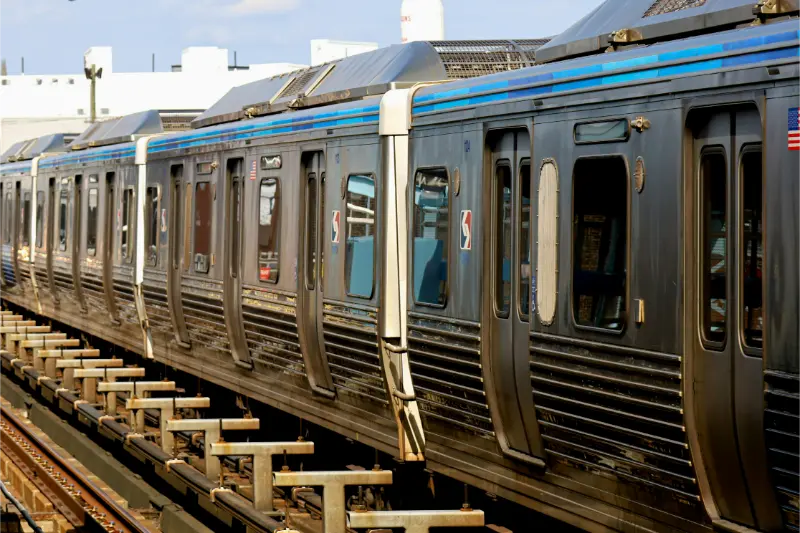
    A regional passenger train in Philadelphia

    Plan connections that reflect real stations

    Journey planners often list the shortest theoretical transfer. It may be fine for a traveler with one backpack who knows the station, but a different story for someone managing luggage, a stroller or a mobility aid. Research whether you must change platforms, pass through barriers, use a lift, switch terminals or complete passport controls. Large stations sometimes close certain entrances overnight or impose access limitations during works.

    A realistic connection includes the time needed to leave the incoming train, reach the next platform and board safely before departure. Add buffer time if trains run infrequently or if the next service is the last one of the evening. Travelers with specific mobility needs should confirm booked assistance and what happens if a delayed train changes the platform unexpectedly. A slightly longer connection can protect an entire day’s itinerary.

    What to do immediately after a delay is announced

    First check the departure board, the official app and announcements from the operating railway. Screenshots of the delayed train number and updated expected arrival can become useful evidence. Do not rely solely on a crowd gathered at the wrong platform. Ask staff which train now serves your destination and whether your ticket is automatically valid on an alternative. If the delay is substantial, seek a written confirmation or disruption reference if the operator provides one.

    Before buying a new journey, ask whether re-routing can be arranged without additional payment. A spontaneous ticket purchase may later be considered unnecessary if the railway had already offered a suitable alternative. On the other hand, some passenger-rights systems provide a route to self-arrange transport after a specified period without information. The key is to verify the law and carrier guidance for your exact service rather than assuming the same rules everywhere.

    Mountain Cable Railway Above Gorge

    European Union rail passenger protections

    EU rail passenger rules offer important protections on covered services. When a delay of at least 60 minutes is expected at the final destination, a traveler may be entitled to choose reimbursement under defined conditions or continuation and re-routing. In qualifying circumstances, care such as refreshments and accommodation may be owed, subject to the applicable conditions. Compensation can apply to some actual arrival delays, with exclusions including certain extraordinary circumstances. This is not a promise that every delayed train in Europe automatically creates a cash payout.

    The relevant EU rules have applied under Regulation 2021/782 since June 2023, though exclusions and service-specific conditions matter. Review the official Your Europe rail passenger-rights information, particularly the distinctions between cancellation, missed connections, refund choice and compensation. A passenger who chooses a refund may have different entitlements from one continuing to the destination. Avoid relying on a single percentage quoted without any explanation of the qualifying circumstances.

    Missed connections and the 100-minute issue

    For eligible EU rail journeys, the rules include a specific mechanism concerning alternative travel options when a qualifying delay is expected and the operator does not communicate re-routing options within the relevant timeframe. Under stated conditions, a passenger may arrange appropriate alternative public transport after 100 minutes and seek reimbursement of necessary, appropriate and reasonable costs. This must not be misread as permission to book any private taxi at any price or as an automatic rule for every train in the world.

    When the situation arises, use official information to identify the start of the timeframe and the route covered. Keep records of contact attempts and new ticket purchases. Travelers on separate tickets should be especially cautious; their rights may depend on different contracts or voluntary agreements between companies. If you are uncertain, ask station staff or the ticket vendor before committing to a costly alternative.

    Delay compensation versus refunds

    A refund and compensation for reaching a destination late are different remedies. A refund may apply where the trip no longer serves its intended purpose or a cancellation changes the contract substantially. Delay compensation in the EU can be calculated as a proportion of the affected ticket price when specified conditions apply. Certain exceptions and minimum thresholds can prevent payment. A claim is stronger when it states the scheduled and actual arrival times, contract details and the remedy requested.

    Keep both tickets and payment receipts, and do not delete the original itinerary after the app changes its display. A photograph of a platform board can help, but official delay certificates are preferable where issued. If your employer paid for the journey, coordinate who has the right to submit a claim and receive reimbursement. The same expense should not be claimed twice from incompatible sources without disclosure.

    Train cancellations and replacement services

    During strikes, infrastructure failures or major weather events, operators may substitute buses, change stations or cancel entire corridors. The fastest replacement is not necessarily suitable for every traveler. Ask whether the bus accepts wheelchairs, bicycles, strollers or bulky equipment, and whether accessible transport can be arranged. Replacement services may use a different departure point and have limited space; check that you can reach it safely with the time available.

    If the disruption is known before travel, explore postponement or alternative routes before leaving the hotel. Confirm that your reservation or seat assignment remains valid on the new service; a ticket may give permission to travel without guaranteeing the original reserved seat. Consider the possibility of arriving after hotel reception closes, and contact the property if the itinerary changes significantly.

    Overnight delays and essential comfort

    A late arrival can turn into an unexpected overnight stop. Ask the carrier what assistance or hotel arrangements it offers under the applicable rules before independently booking accommodation. When you must pay for necessary lodging, choose a reasonable option and keep receipts. Record why the extra stay was required and whether the operator had an alternative. Travelers with medical equipment should ensure any room can safely support their needs, including power, access and transport.

    Keep essential medication, a charging cable, basic toiletries and one small layer in hand luggage rather than in a suitcase you cannot easily reach. Families may need baby supplies, snacks and a change of clothes. A delayed final train can be particularly difficult for older travelers; a modest amount of contingency money helps maintain comfort without encouraging unnecessarily expensive choices.

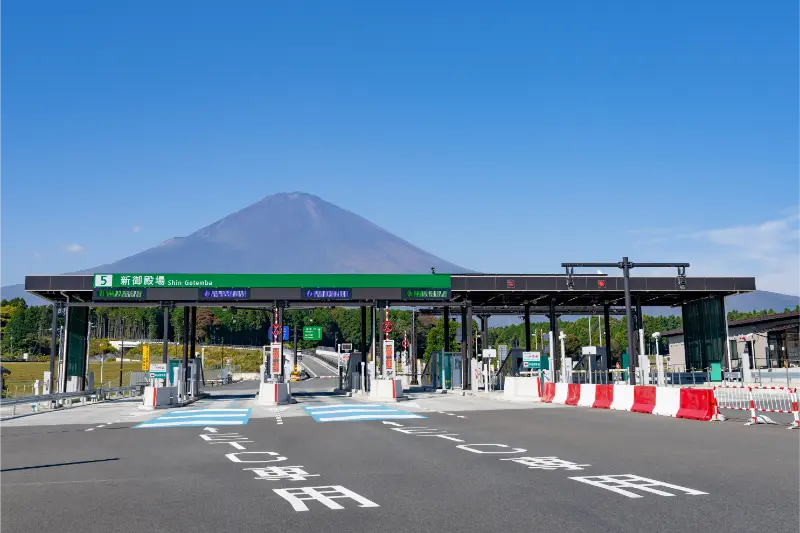
    Mount Fuji Beside Railway Station

    Traveling with a wheelchair, stroller or sensory needs

    Passenger assistance may involve a booked ramp, staff support or an accessible transfer route. When a delay occurs, contact the assistance provider promptly and request an updated plan. A replacement train that technically travels to the correct station may still be unusable if the platform, boarding arrangement or arrival station is inaccessible. Ask for confirmed alternatives rather than relying on assumptions made by a generic customer-service bot.

    For travelers with hearing loss, keep announcements available through text-based apps and monitor the official board. Families with children can designate one adult to track service changes while another stays with the children in a safe waiting area. Travelers with sensory sensitivities may benefit from quieter areas away from crowded concourses. Accessibility needs should be treated as essential journey requirements, not optional preferences.

    Cross-border connections outside the EU

    No single global railway passenger-rights code exists. A long-distance service in North America, an overnight train in Asia and a cross-border trip in Africa can have very different booking and disruption conditions. Review each operator’s official rules, especially where one train hands passengers to another company. Some operators protect connections only if all legs were issued on a through-ticket; others may have separate goodwill arrangements or none.

    Allow more buffer on international journeys that involve immigration procedures or infrequent departures. Check whether a missed train could invalidate an onward reservation and whether there is a reachable hotel near the station. If immigration status is affected by an unplanned overnight stay, obtain official guidance rather than relying on assumptions. Flexible plans are particularly valuable where alternate departures operate only once a day.

    How to submit a useful claim

    Prepare a concise timeline with the ticket number, planned services, scheduled arrival, actual arrival, disruption evidence and any staff instructions. State whether you seek a refund, legally applicable delay compensation or reimbursement of documented expenses. Attach receipts showing exact amounts and currencies. Use the railway’s official claims portal first, then identify any relevant national enforcement body or consumer resolution channel if the answer is inadequate.

    Expect the operator to check contract details and exemptions. Keep copies of everything you send and respond to requests for clarification. A claim supported by evidence has a better chance of success than a long complaint without a train number. Do not share sensitive payment details with unofficial people offering to “recover” rail compensation for a large advance fee.

    Frequently asked questions

    Does every late train entitle me to compensation?

    No. Rights depend on location, service, ticket and the length and reason for the delay. Consult the applicable rail rules and carrier contract.

    Is a connection automatically protected when I bought both tickets online?

    Not necessarily. A single checkout may still involve separate transport contracts. Read the confirmation for through-ticket status and missed-connection terms.

    Can I book a taxi as soon as my train is cancelled?

    Do not assume so. Ask the operator about re-routing and check the rules on alternative transport, reasonableness and timing before spending money.

    What if a replacement bus cannot accommodate my wheelchair?

    Notify the operator and assistance provider, request an accessible alternative and document the response. Accessibility is a central part of an appropriate travel solution.

    What proof should I keep for a claim?

    Tickets, official delay information, the actual arrival time, receipts, staff instructions and communications about re-routing are especially useful.

    Quick comparison

    DecisionWhat to check
    One through-ticketCheck connection and re-routing protection
    Separate ticketsReview each transport contract
    Long delayKeep evidence and ask official staff
    ClaimSeparate refund, assistance and compensation

    Official resources and further reading

    Rules and availability may change. Check these sources and the relevant local operator before booking.

  • Stargazing Holidays: Dark-Sky Destinations, Moon Phases and Night Safety

    Stargazing Holidays: Dark-Sky Destinations, Moon Phases and Night Safety

    A holiday under genuinely dark skies can reveal the Milky Way, familiar constellations and sometimes meteor showers with a vividness that is difficult to experience in bright cities. You do not need an expensive telescope or specialist knowledge to enjoy the night. You do, however, need a location with suitable darkness, weather, legal access and a safe route back to your accommodation. Responsible astrotourism also asks visitors not to disturb wildlife or the communities that protect natural darkness. This guide helps families, solo travelers, seniors and curious beginners choose a realistic stargazing experience anywhere in the world.

    Quick planning reference

    DecisionWhat to checkUseful action
    Astronomical timingMoonrise, moon phase and seasonDarkness is not guaranteed by a location
    Ground conditionsWeather, lawful access and road safetyScout viewing points in daylight
    Comfort and impactLayers, seating and low lightingRespect wildlife and local residents

    Start with darkness, not a dramatic advertising picture

    Travel brochures may show brilliant galaxies and colored nebulae that are invisible to the unaided eye. Long-exposure photographs gather light differently from human vision. Set expectations accordingly: a remote clear night can offer breathtaking stars, while a city observatory may provide better guided explanations of planets even with a brighter sky. Look for sites recognized by reputable dark-sky organizations, protected parks or local observatories with public programs. Then check how much artificial light reaches the exact viewpoint, not just the surrounding region.

    Darkness alone is not enough. A mountain pass may look ideal on a light-pollution map but be exposed to strong wind, cold and unsafe roads. An accessible village viewpoint could provide a more enjoyable experience for someone with reduced mobility. Confirm that the site legally permits visitors after dark. Some nature reserves close at sunset, and remote areas may require guided access or an overnight permit. A responsible itinerary places comfort and safety beside astronomical conditions.

    Understand moon phases and why timing matters

    A bright Moon makes it harder to see faint stars, although moonlight can be beautiful for landscape photography. For a holiday focused on the Milky Way or meteor watching, examine the lunar phase and the times the Moon rises and sets at the destination. A new-moon period can be favorable for dark conditions, but cloud cover and seasonal position of the night sky still matter. For viewing the lunar surface through a telescope, phases around the first or last quarter can reveal interesting shadows and detail.

    You do not need to memorize astronomical calculations. Use a reliable sky calendar or observatory guide to identify dark evenings during your dates, then verify the local forecast close to arrival. In some regions nights are short in summer; at very high latitudes, the sky may never become fully dark for part of the year. If you are organizing a family trip, choose a season when children can stay awake comfortably rather than requiring a midnight expedition after an already exhausting day.

    Pick the right destination style

    Dark-sky travel can take many forms. A desert lodge might offer dry air and broad horizons but large temperature swings. A mountainous park may have spectacular views and colder, changeable weather. A rural island can offer low light pollution but limited night transport. A city with a public observatory or planetarium provides accessible introductions and guided interpretation even when the sky itself is not perfectly dark. Compare the entire visitor experience rather than treating the most remote site as automatically best.

    Manhattan Skyline At Night Beneath Milky Way

    Ask whether accommodation is within safe walking distance of the observing point or whether an experienced guide provides transport. Check road quality, parking, winter closures, mobile coverage and availability of restrooms. A site advertised as a ‘dark-sky destination’ may encompass a broad region, while the actual parking area has floodlights. Read the managing body’s visitor information and contact staff for precise viewing suggestions. A legal roadside pullout is not necessarily a safe place to stop after dark.

    Learn the night sky with almost no equipment

    Begin by allowing your eyes time to adjust to darkness and using a printed chart or low-brightness astronomy app where appropriate. Look for obvious celestial landmarks and learn a small number of constellations relevant to the hemisphere and season. A red-filtered light can help preserve some night adaptation, but use it only where needed and keep brightness low. Binoculars can be useful for clusters and lunar features, though they should never be used to look at the Sun. A simple reclining chair can make comfortable observation easier than standing with your neck bent for long periods.

    Avoid buying a large telescope before your first stargazing holiday. Such equipment can be difficult to transport, align and keep stable in wind. A guided observatory session offers the chance to learn what an instrument reveals and decide whether owning one would suit your interests. A phone on a stable support can take basic night photographs, but focus on enjoying the sky rather than spending every moment adjusting settings. One patient hour may be more memorable than trying to photograph dozens of objects.

    Nighttime safety belongs in the itinerary

    Arrive at the viewing area in daylight when possible so you can identify safe paths, barriers, drop-offs and parking. Tell someone your plan and expected return time, especially when traveling alone. Pack layers, weather protection, water, a charged phone and a light suitable for emergencies. Temperatures can fall sharply after sunset even in places that are warm during the day. Do not leave a vehicle running to stay warm in enclosed or poorly ventilated areas, and never rely on a weak phone signal as the only emergency plan.

    Respect wildlife and habitats. Avoid loud music, powerful flashlights and leaving food that attracts animals. Use marked paths and stay clear of fragile ground or cliff edges. If conditions deteriorate, leave rather than waiting stubbornly for a small gap in cloud cover. On mountain roads, fatigue and darkness can make the return journey hazardous. Booking nearby accommodation or a guided transfer may be the most valuable safety investment of the trip.

    Respect local residents and natural darkness

    DarkSky International’s responsible astrotourism principles emphasize considerate lighting, environmental protection, community wellbeing and respect for local cultures. Visitors should avoid shining beams into homes, camping illegally on private land or crowding residential lanes in search of a dark viewpoint. Some communities actively manage outdoor lighting to preserve the night sky; travelers should contribute to that work by following access rules and supporting local businesses.

    If a destination has an Indigenous astronomical interpretation program, learn through authorized community guides who choose what knowledge to share. Do not claim ownership of sacred stories or record cultural presentations without consent. A night sky is both a physical environment and part of many living cultural traditions. An observatory visit, a guided walk and a conversation about local conservation may offer more depth than chasing a single photograph of the Milky Way.

    Stargazing with children, teenagers and senior travelers

    With young children, choose a short guided session or a safe viewpoint close to accommodation. Bring warm clothes, familiar snacks and an option to return early. Set one achievable goal such as identifying a bright planet or finding a well-known constellation. Teenagers may enjoy astrophotography or learning to navigate a sky map. Emphasize that a meteor shower is a probability-based experience; it is never a guaranteed fireworks display. Keep expectations playful rather than turning the night into an achievement checklist.

    Tenerife Stargazing Under Milky Way

    Older adults or travelers with mobility limitations may prefer a paved viewing platform, seating and accessible restrooms. Confirm whether the observing area is step-free, whether telescopes can be used from a wheelchair and how much standing is required. Cold weather or high elevation can affect individual comfort and health, so choose conditions suited to the person and ask for professional medical advice when relevant. Accessibility does not mean excluding a traveler from night-sky experiences; it means choosing a suitable format.

    Astrophotography without sacrificing the experience

    For a first attempt, steady the camera or phone on a tripod, use a timer to reduce shaking and take several test exposures. A very long exposure can make stars trail due to Earth’s rotation unless a tracking mount is used. Exact settings vary with lens, sensor, darkness and subject, so treat online presets as starting points rather than guarantees. Protect equipment from dew and extreme temperatures and bring spare power where needed. Never set a tripod where it blocks a path or creates a hazard in darkness.

    Turn off unnecessary screen brightness and cover bright indicators where safe. Ask permission before including other people’s faces, vehicles or campsites in a night photograph. Do not use light painting on wildlife or protected rock art. If sharing edited astronomical photos online, explain when color or exposure has been substantially enhanced; a heavily processed image should not promise that all visitors will see the same colors with their eyes. Honesty makes the destination more appealing to travelers with realistic expectations.

    A relaxed two-night dark-sky itinerary

    Day one: arrive before sunset, explore the village or visitor center, check official night-access conditions and enjoy a short introductory sky session if weather permits. Day two: take an easy daytime walk or museum visit, rest in the afternoon, then attend a longer guided night session. Day three: travel onward after a proper night’s sleep rather than driving a long distance immediately after being awake until dawn. Having two possible viewing nights makes a single cloudy evening less damaging to the holiday.

    If both nights are cloudy, consider a planetarium, astronomy museum, guided cultural program or a scenic daytime activity. The dark-sky destination still has a landscape and community worth understanding. Check admission, guiding and cancellation policies before paying, and avoid operators promising sightings that nature cannot guarantee. The best stargazing trip combines curiosity, sensible logistics and respect for the night.

    Frequently asked questions

    Do I need a telescope to enjoy dark skies? No. The unaided eye and binoculars can provide memorable views in suitable conditions.

    Is a new moon always the best time? It generally favors faint stars, but weather, season and the objects you want to observe are equally relevant.

    Can I stargaze from any national park parking lot? Not necessarily. Parks have site-specific closures and rules; check approved areas.

    Will my phone capture the same colors I see? Night photographs can record and enhance details differently from human vision.

    How do I make a family visit manageable? Choose a nearby safe viewpoint, warm clothing, realistic bedtimes and at least one weather backup.

    Official sources for current requirements

    Information changes across countries and over time. Check these primary resources alongside the rules of your specific destination and travel provider.

  • Overnight Trains for Beginners: Sleeper Cabins, Luggage and a Better Night on Rails

    Overnight Trains for Beginners: Sleeper Cabins, Luggage and a Better Night on Rails

    An overnight train can turn a journey into part of the holiday. You leave one city in the evening, watch the landscape fade and arrive somewhere different the next morning. It sounds romantic, and sometimes it truly is. But the reality depends on what you book: a reclining seat, a shared couchette and a private sleeping compartment are not interchangeable experiences.

    At a glance

    A practical beginner’s guide to overnight trains, with booking choices, cabin etiquette, security, sleep and next-day planning.

    What to check before booking
    DecisionWhat matters
    SeatUsually least private and hardest to sleep
    CouchetteBasic berth, often in a shared compartment
    SleeperGreater privacy; facilities vary by train

    The best first night train is the one where you know exactly what your ticket includes, how to board and what you will need without opening your main suitcase at midnight. With thoughtful preparation, the journey can be restful and memorable even when the train is not luxurious. This guide focuses on practical decisions rather than assuming every operator runs the same kind of service.

    Understand seats, couchettes and sleepers before paying

    The most economical option on some night trains is a standard or reclining seat. It may be suitable for a short journey or very limited budget, but continuous sleep can be difficult. A couchette usually provides a basic lying-down berth, often in a shared compartment with several travelers, and may include simple bedding. A sleeper compartment generally offers greater privacy and a more comfortable bed, sometimes with extra facilities depending on the train.

    Train layouts vary by operator, country, rolling stock and service date. For example, ÖBB Nightjet’s official accommodation information distinguishes seating, couchettes, mini cabins and sleeping-car options. Do not assume photographs from one route describe another. Read the specific booking page and whether you are reserving one berth in a shared compartment or the entire space.

    The price difference can be significant, especially for a family needing several berths. Calculate total costs against the daytime train plus hotel night you might otherwise pay for; our travel budget framework helps make that comparison honestly.

    Decide whether privacy is worth the extra cost

    A private sleeper can be valuable for couples, families, light sleepers and people who need a calm space. Shared couchettes may be sociable or simply practical, but you will probably hear other travelers settling in. Some services have compartment choices or single-traveler cabins, while others do not. Ask about gender-specific accommodation only where it is explicitly offered; do not infer it from a promotional picture.

    Examine the sleeping space itself. Upper berths may require climbing a ladder; bathroom facilities may be shared; luggage storage can be limited. For tall travelers, lower-berth preferences or accessible design may matter more than extra amenities. If using a mobility aid, contact the operator to confirm the actual train, boarding arrangements and any accessible compartments.

    Private does not necessarily mean silent. Track noise, stops and train movement remain part of the night. Earplugs and a flexible attitude often matter just as much as the category you reserve.

    Check the exact station and departure details

    Large cities can have several railway terminals, and a night train may depart from a station you did not expect. Confirm the full station name and departure date, particularly for departures just after midnight. A ticket for 00:20 on Tuesday normally requires you to be at the station late Monday night, not Tuesday evening.

    Japanese Elevated Railway Above Residential Streets

    Check whether the service boards early, whether platform details appear only shortly before departure and how far your accommodation is from the station. In an unfamiliar city, a short direct journey to the departure terminal can be worth more than saving money on a distant hotel. Plan how to reach the station safely after dark without relying on a bus that may have stopped running.

    Tickets may include reservations automatically or require a separate berth supplement. Confirm passenger names, dates, accommodation category and any discounts before final payment. Our guide to car-free travel offers strategies for coordinating rail connections and local transfers.

    Build in realistic connection buffers

    Rail travel avoids some airport procedures but is not immune to delays, cancellations or missed connections. A late-running daytime train can leave you stranded before a night service, while a late night train may affect a morning tour or flight. Understand whether your tickets form a protected through-journey under applicable rules or separate contracts with different obligations.

    Where possible, arrive in the departure city with time for a relaxed meal and a backup plan. Do not book a costly nonrefundable morning activity immediately after arrival. A cafe breakfast and hotel luggage drop-off is more forgiving than a tour with a strict 08:00 start.

    For services within the European Union, the European Commission’s passenger rights overview links to the rules relevant to rail journeys. Rights vary by service and circumstances, so check the current details rather than assuming all missed connections receive identical treatment.

    Pack a small overnight bag, not a whole suitcase at bedtime

    Your main case may be stored at the end of a compartment, under a berth or in a luggage area. Bring a compact night bag with toothbrush, sleepwear, medicines, tissues, a light sweater, earplugs, eye mask, water and phone charger. Add a small breakfast snack if catering is uncertain. Keep valuables and identity documents where you can access them without unpacking everything.

    Choose comfortable clothing that lets you move through shared corridors and toilets. Lightweight shoes or slippers are handy, but avoid walking barefoot in communal facilities. Check power socket types and availability on the specific train. A power bank may be useful where permitted, but do not assume you can run large appliances from train sockets.

    Our carry-on packing method can help organize the rest of your luggage. For a night train, the principle is even stronger: the bag you can reach quietly matters more than how much you managed to pack.

    Know what happens after boarding

    A staff member may check tickets, passports or travel documents and may explain breakfast or wake-up procedures; practices vary. Listen to the instructions and ask questions while you are fully awake. Locate the toilets, emergency information and the stop where you will leave. If you have a top berth, test the ladder carefully before putting away your bags.

    Some services offer locks or security devices for compartments, while others have open shared areas. Use the locking mechanisms exactly as instructed and do not block emergency exits. Keep small valuables in a secure pouch and avoid displaying cash or expensive electronics in communal areas. Ordinary precautions are usually enough; there is no need to treat every fellow passenger as a threat.

    If something is broken, unsafe or disruptive, contact train staff early rather than waiting until it is too late to move or resolve a problem. A good night’s sleep begins with knowing whom to ask for help.

    Respect shared-compartment etiquette

    Quiet voices, dim lights and keeping luggage within your allotted area make shared travel easier. Ask before changing the cabin temperature or opening a window where possible. If you expect several phone calls, take them in an appropriate common area instead of using a shared sleeping compartment as a meeting room.

    Historic Stone Railway Viaduct In Countryside

    Nighttime personal routines should be simple. Avoid strong scents and noisy packing, and plan your clothes for the next morning before lights out. In a crowded compartment, a few minutes of cooperation matters more than any single travel gadget. If you have food, choose something easy to eat and dispose of safely rather than a messy meal requiring several surfaces.

    Family travelers should discuss sleeping positions and ladder safety in advance. For younger children, follow operator restrictions and choose a suitable berth arrangement. A toddler who needs frequent attention may do better in a private space than in a shared compartment with strangers.

    Manage sleep expectations and next-day energy

    Train movement, braking, corridor sounds and unfamiliar bedding can interrupt sleep. On a first journey, avoid making rest a pass-or-fail test. Go to bed at a sensible time, keep light out of your eyes and allow yourself an easy next morning. The night can still be enjoyable if you sleep somewhat less than at home.

    Choose the first morning activity accordingly. Find a place to leave bags, eat breakfast and freshen up. Some stations offer lounges or showers, but availability and eligibility vary; confirm rather than assuming. If your accommodation cannot check you in until afternoon, identify a safe luggage-storage option and a gentle walk or indoor café nearby.

    For travelers with chronic health or sleep needs, think carefully about berth access and medication timing and seek individualized medical advice when appropriate. Our flexible travel itinerary approach is useful for keeping the arrival day manageable.

    Compare overnight rail with flying or daytime rail

    An overnight train may save one hotel night and bring you directly into the city, but it is not automatically cheaper or lower-stress. Door-to-door cost includes local transfers, meals, berth price, baggage and potentially a separate day hotel if you need rest afterward. For groups, a private compartment might cost more than a daytime train and conventional hotel.

    Also consider whether you enjoy the experience itself. Watching railway stations pass at night, sharing breakfast on board and arriving in a walkable center can feel like travel rather than transit. If you dislike unfamiliar sleeping environments, a comfortable daytime journey may be a better choice. There is no need to force an overnight train simply because it sounds adventurous.

    Environmental comparisons require the actual route and transport alternatives, not a universal claim. Choose rail where it works practically and acknowledge when a different option is better for your needs.

    A first-timer’s timeline from afternoon to arrival

    Afternoon: confirm the train’s status, eat a proper meal, charge devices and check the station route. Before boarding: buy water and snacks if needed, visit a station toilet and keep tickets accessible. On board: settle luggage, confirm your berth and destination stop, then prepare night essentials before the cabin becomes dark.

    Before sleep: secure valuables, set a backup alarm and follow staff instructions. Morning: pack quietly, confirm arrival information and leave time to navigate the station. After arrival: choose breakfast and one easy activity before the main sightseeing day begins.

    If you keep these steps simple, the train’s quirks become part of the pleasure. Traveling overnight is less about sleeping perfectly and more about crossing distance without turning the journey into a logistical obstacle.

    Frequently asked questions

    Is a couchette the same as a sleeper cabin?

    No. Couchettes usually provide simpler berths and are often shared; sleepers generally offer more comfort or privacy. Check the actual operator’s product details.

    Do I need to reserve a berth separately?

    Sometimes the reservation is bundled and sometimes it is a distinct part of the ticket. Verify the final confirmation names a specific accommodation category.

    Can I bring a large suitcase on a night train?

    Baggage allowances and storage differ by operator. Check size rules and plan an accessible small night bag to avoid opening the main case.

    Is an overnight train ideal before an early flight?

    Not necessarily. Delays and imperfect sleep make a tight morning connection risky. A generous buffer is safer where feasible.

  • Traveling in the Rainy Season: Storm Warnings, Flexible Plans and Safer Holidays

    Traveling in the Rainy Season: Storm Warnings, Flexible Plans and Safer Holidays

    A holiday during the rainy season is not automatically a holiday ruined. Tropical downpours can transform landscapes, fill waterfalls and change the rhythm of a destination in memorable ways. But the same travel window may also bring flooding, rough seas, landslides or severe tropical storms. The challenge is to separate ordinary seasonal rain from hazards that require a different itinerary or no trip at all. This guide shows how to research local patterns, build sensible flexibility and respond to official warnings.

    Rainy season and cyclone season are different ideas

    ‘Rainy season’ describes a recurring period when precipitation is more common in a region. It does not tell you whether rain falls briefly each afternoon or lasts for days. Tropical cyclone seasons refer to periods when storms may form in particular ocean basins; actual risks vary by exact location and year. An inland capital, a small offshore island and a mountain village can experience the same broad season very differently.

    Begin with the destination’s national meteorological service, not a global chart that paints an entire continent one color. Check historical rainfall, local terrain, flooding patterns and season-specific transport disruptions. Remember that a calendar does not predict a specific storm weeks in advance. If severe weather is possible, research evacuation advice and communication channels before paying for nonrefundable experiences.

    Start with the hazards that matter to your route

    A beach holiday may be affected by waves, rip currents and canceled boat trips even when the sky is bright. A mountainous road trip may face landslides or washed-out bridges after intense rainfall. Urban flooding can close underpasses and transit stations. Nature tours may be suspended to protect visitors and trails. Identify which activities are the most exposed instead of treating weather as a single number on a forecast app.

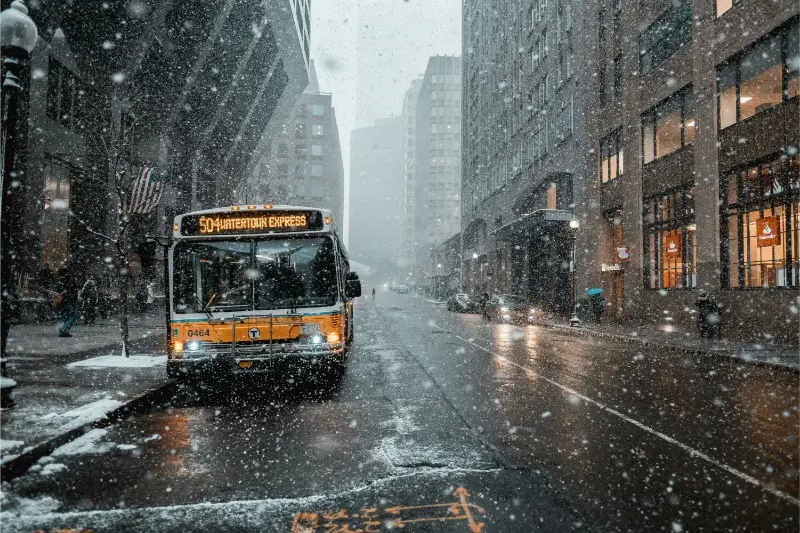
    Boston City Street In Rain

    For every base, ask three questions: How will we arrive? How will we leave if the main road or ferry stops? What safe indoor options are available? If the route depends on one narrow road, one weekly flight or several open-water transfers, weather resilience deserves more weight than hotel price. Families and travelers with mobility needs may require extra time to move during disruptions.

    Check official forecasts and alerts as your trip approaches

    Reliable severe-weather information comes from national meteorological and emergency-management agencies. In the Atlantic and eastern Pacific, the US National Hurricane Center provides hurricane preparedness information and official forecast products. Other ocean regions have their own agencies; do not assume an American forecast covers the whole world. Follow local government evacuation orders and instructions even when a booking company says its tours are still running.

    Use at least two communication methods when possible: a local emergency-alert system and a verified official website or radio source. A hotel reception can help explain local routes, but an informal assurance is not a substitute for a government warning. Be wary of dramatic social-media videos with no date or location. Confirm whether an alert refers to your district, a distant region or a different storm.

    Decide when to avoid a destination entirely

    Some travelers can accept occasional rain; others cannot safely manage flooded streets, isolated roads or unpredictable boat service. Avoid high-risk itineraries during periods when you cannot absorb cancellations or evacuations. A remote island with limited medical facilities may be unsuitable for someone who needs reliable access to care. A hiking trip that requires dangerous river crossings should be rescheduled rather than treated as an adventurous test.

    Do not assume that the absence of a named cyclone means conditions are safe. Dangerous rainfall and flash floods can occur outside major storms. Equally, do not cancel a whole continent on the basis of one weather headline. Evaluate the actual destination, dates, exposure and official advice. If warnings recommend not traveling, take them seriously; no holiday photograph is worth putting yourself, rescuers or residents at risk.

    Times Square Tourists And Umbrellas In Rain

    Build the itinerary around flexible days

    A rigid daily schedule is particularly fragile in wet seasons. Keep a small set of must-do activities and several substitutes within reach of your accommodation. Visit museums, covered markets or cooking classes during rainy hours when the facilities are safely operating. Reserve outdoor excursions for periods with favorable local forecasts, and ask operators about cancellation and rescheduling conditions before paying.

    If a ferry to an island is essential, place it early enough in the trip to allow a weather buffer before your international flight home. Avoid separate tickets with a final ferry arrival only hours before departure. For rural road trips, choose fewer bases, stay longer and allow time for detours. A slower route often delivers a better holiday than a photograph-heavy plan that depends on every bridge staying open.

    Choose accommodation with safety and access in mind

    A seafront bungalow may look irresistible online, but location deserves scrutiny during storm-prone months. Investigate whether the property is in a known flood zone, how it communicates emergencies and whether access roads are reliable. A high floor may reduce one type of inconvenience but create difficulties if power fails and elevators stop. Travelers with mobility needs should ask about evacuation support and alternative access routes.

    A staffed property with a clear emergency plan can be a practical choice, especially for families or people unfamiliar with the region. Check whether the hotel has backup power, potable water arrangements and a way to contact guests during disruptions; do not assume any property has these systems. If authorities order evacuation, follow the designated plan rather than remaining to protect a prepaid booking.

    Understand what travel insurance may and may not cover

    Weather-related cancellation is not automatically reimbursed. Policies may distinguish between trip cancellation, interruption, delay, missed departures and evacuation, with exclusions for known events or travel against official advice. Buying insurance after a storm has been named may be too late to obtain certain protections. Compare policies before booking and keep written copies of terms relevant to your exact trip.

    Do not confuse voluntary changes because the forecast looks wet with cancellations caused by covered events. Airlines, hotels and tour operators each have separate change rules. During serious disruption, keep receipts, official alerts, cancellation messages and evidence of attempts to contact providers. Contact your insurer through verified channels before committing to unusual expenses whenever practical.

    New York Times Square Night Rickshaw In Rain

    Pack for moisture without overpacking

    A compact rain shell, quick-drying layers and footwear with reliable grip are usually more useful than carrying several heavy outfits. Protect passports, electronics and important papers inside suitable waterproof pouches, while keeping them accessible. Use dry bags where relevant for boat transfers, but remember that no bag replaces safe weather decisions. A small torch or flashlight, power bank and offline route information can help during short interruptions.

    Pack basic medicines, any prescribed treatment and appropriate child supplies according to local entry and airline rules. In mosquito-prone regions, check destination-specific prevention advice from an authoritative travel-health source. Do not assume that rain makes sun protection unnecessary; UV exposure remains possible between showers. Keep a dry set of socks and clothes available for long transfers.

    Families, older visitors and travelers with disabilities

    A wet-weather itinerary with children works better when indoor spaces are genuine activities rather than emergency punishment. Choose a museum, aquarium or workshop that everyone would enjoy anyway, and avoid long exposed queues. For a baby or toddler, consider safe shelter, feeding spaces and the ability to return easily to the hotel. Children should never be allowed to play in floodwater, which can conceal hazards and contamination.

    Older adults and travelers with reduced mobility need a plan for slippery streets, disrupted public transport and possible lift outages. Ask a hotel or transport provider about accessible alternatives before severe weather arrives. If your group includes someone dependent on electric medical equipment, review safe backup arrangements with the relevant professional. The itinerary should be built around everyone’s actual needs, not around an average traveler who can sprint through a storm.

    When rain can actually improve the trip

    Outside dangerous conditions, seasonal showers can provide quieter landscapes, greener scenery and interesting local traditions. A short tropical downpour may be the perfect moment for a long lunch; a cloudy morning can make a historic city pleasant to walk. Avoid promising that wet-season travel is always inexpensive or empty, because school holidays and regional festivals may bring high demand.

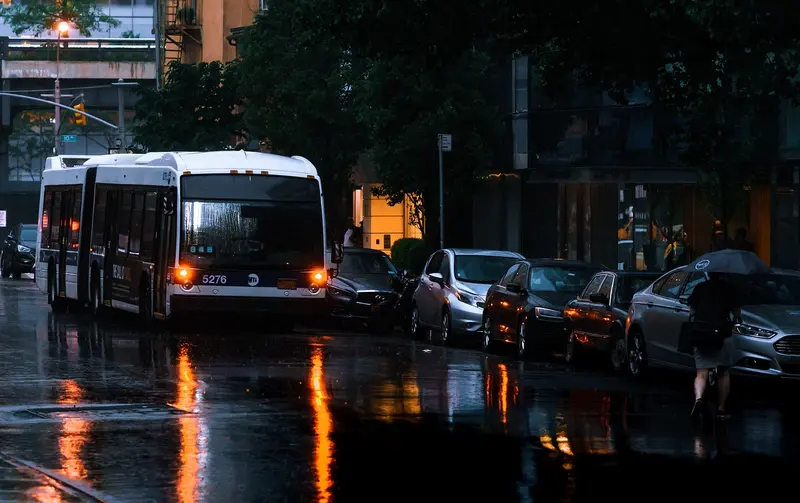
    New York Public Bus In Rain On City Street

    Respect environmental restrictions even when trails appear tempting. Heavy rain can make paths fragile and riverbanks unstable; walking through closed areas damages habitats and creates rescue risks. Take inspiration from residents’ everyday pace instead of challenging the weather to obey your timetable. The best experiences can involve adjusting a plan thoughtfully rather than fighting a climate pattern.

    What to do when an official storm warning appears

    First, identify the alert area and expected impacts. Second, follow local emergency instructions, including evacuation where directed. Third, secure travel documents, essential medicines, phone power and emergency contacts. Fourth, notify your accommodation and airline or other operator through authenticated channels when safe to do so. Fifth, avoid flooded roads, beaches with dangerous surf and unnecessary travel during the warning period.

    Do not drive through floodwater: depth and current are difficult to judge and road surfaces may be damaged beneath it. Avoid filming hazardous scenes or moving into restricted areas to collect social-media content. If the situation requires sheltering, choose the official safe location or guidance from local authorities. Once the immediate danger passes, check that transport networks and attractions have actually reopened before resuming the itinerary.

    Weather-planning table

    Destination situation Main concern Planning response
    Island hopping Ferries canceled by rough seas Extra night near departure airport
    Mountain village Road closures and landslides Fewer bases and alternative roads
    Tropical city Flooded streets Nearby indoor options and alerts
    Beach resort Dangerous surf Verify beach warnings and safe transport
    Rural wildlife trip Trails and river crossings unsafe Ranger-led decisions and postponement

    Frequently asked questions

    Is the rainy season a bad time to travel?

    Not necessarily. The experience depends on rainfall pattern, local infrastructure, trip purpose and tolerance for flexibility. Severe-weather risks must be assessed separately.

    Can I rely on a weather app weeks in advance?

    Long-range forecasts are uncertain and cannot guarantee conditions for a specific day. Use historical climate for planning and official short-range warnings nearer travel.

    Will insurance cover a canceled excursion because of rain?

    Only if your policy or the tour operator’s conditions provide a relevant benefit. Routine rain and serious covered disruptions are often treated differently.

    Further reading

    Pair this guide with travel insurance explained, shoulder-season travel planning, driving abroad and traveling in extreme heat. Always defer to the destination’s official meteorological service.

  • Crossing Borders With a Rental Car: Documents, Fees and Road Trip Planning

    Crossing Borders With a Rental Car: Documents, Fees and Road Trip Planning

    The freedom of collecting a rental car in one country and exploring the next can make a road trip memorable, but an international border is not merely another turn on a navigation screen. Rental contracts, vehicle registration, insurance territory, road tolls, environmental restrictions and driver documents all need checking. A car may be legal to drive in both countries yet prohibited from crossing under the rental agreement. Even when a border has no visible checkpoint, the contract still matters. This guide shows how to plan a cross-border rental with realistic routes, written permission, transparent costs and thoughtful alternatives for travellers who would rather avoid a stressful driving day.

    Establish whether the rental company allows the exact route

    Begin with the actual country sequence, not simply the starting and ending cities. A vehicle collected in one country and returned there after visiting two neighbours creates different contractual questions from a one-way drop-off abroad. Rental brands operate through different local franchise or corporate arrangements; permission from a company’s general website is not always approval for a specific office or vehicle category. Name every planned border at booking and ask which destinations, transit countries and ferry routes are permitted. Make sure the response is recorded in the booking conditions or a written confirmation that the collecting branch will honour.

    Some operators prohibit taking premium cars, certain electric vehicles or particular categories into specific countries. Others permit travel but charge a cross-border fee or require additional equipment and paperwork. A border may also divide the operating areas of roadside-assistance providers. If you discover an exclusion only after picking up the keys, you may face the choice of changing the itinerary or breaching the contract. Neither is pleasant while a family waits in a crowded rental hall. Resolve restrictions before paying for non-refundable accommodation across the border.

    Understand insurance territory and financial responsibility

    Basic third-party liability coverage and optional damage protection are different things. Even where compulsory liability insurance applies across a regional area, the rental company’s additional damage waiver, theft cover and roadside-assistance arrangements may have their own territorial restrictions. Ask how the excess changes outside the pickup country, whether glass and tyres are covered, and what happens after a breakdown beyond the permitted border. The European Commission’s Your Europe guidance specifically advises customers to tell the rental firm before taking a hired vehicle into another country so that documents and cover can be arranged.

    Do not assume that a credit card’s rental-car benefit replaces the supplier’s required insurance or satisfies local law. Such benefits often have country, duration, vehicle-category and claim-procedure conditions. Keep the rental contract, emergency phone numbers, insurance certificate and any border permission accessible offline. When travelling outside a regional common insurance area, ask whether a Green Card or equivalent proof is required and who provides it. If an accident occurs, prioritise everyone’s safety and use local emergency services, then follow the documented rental and insurance reporting procedures.

    Check licences, age rules and authorisation documents

    The driver must hold a licence legally recognised at the destination, and some countries require an international driving permit in addition to a valid home licence. An international permit is generally a translation or supporting document, not a replacement licence. Check official information for every country, not just the location where the keys are issued. Rental companies may impose additional age, licence-holding-period or extra-driver rules that go beyond local legal minimums. If two adults will share the driving, both may need to be named and present during collection.

    Border officials or traffic police may request original travel documents, proof of permission to use the vehicle and evidence of insurance. Keep passports or accepted travel documents ready and do not leave them unsecured inside the car during stops. Requirements for minors, assistance animals or non-resident drivers can be separate from vehicle rules. If the journey leaves and re-enters a customs territory, there may be more complex temporary importation or vehicle-registration questions. The cheapest booking is not a bargain if the car and driver paperwork are unsuitable for the planned route.

    One-way international returns and hidden costs

    Returning a vehicle in a different country may trigger a high international one-way fee because the supplier must reposition it or manage separate fleet arrangements. The price can dwarf the advertised daily rental rate. A more economical route may be to return the vehicle before crossing and continue by train, or to make a loop back to the original office. Compare the complete calculation: vehicle rate, border permission, optional cover, one-way fee, tolls, fuel or electricity, parking, accommodation and time. Check whether the pickup and return stations close early on Sundays or public holidays.

    Avoid confusing airport rental taxes with charges for entering another state or country. Ask the supplier to provide a line-item final quote. At return, photograph the vehicle and obtain any available signed condition report. Fuel-policy misunderstandings become more complicated when prices and currencies change. If a full-to-full policy applies, keep proof of the last authorised fuel stop. For electric cars, verify that return battery requirements and charging cards remain practical across the planned territory; a cable supplied at pickup does not guarantee access to every public charging network.

    Know tolls, vignettes and environmental-zone restrictions

    Road charging systems differ: some motorways have staffed toll booths, others require advance vignettes, and some use electronic plate recognition. A car fitted with one country’s electronic toll device may not be enrolled in the next country’s programme. Ask which vignettes are already included in the rental and how cross-border charges will be billed. In some countries you must register before driving on the road; in others you pay after passage. Use official toll operator websites to avoid overpaying through unnecessary intermediaries.

    Low-emission zones, city-centre permits, congestion charges and winter-equipment rules can cause problems even on a route without a formal border inspection. A registration plate may need an exemption or permit before entering a restricted urban area. Check whether the rental vehicle has compliant tyres, warning equipment or other legally required items for the season. Do not trust a general navigation app to understand every local regulation. Build your itinerary around routes where you can verify requirements rather than taking a shortcut through an unfamiliar restricted district.

    Plan realistic border crossing time

    Within some regional travel areas, land borders can feel routine; elsewhere, crossing may involve lengthy queues, passport checks, customs declarations or temporary closures. Check whether your particular nationality has permission to enter each country and whether the vehicle may accompany you. Transit rules may differ from the ultimate destination. Add time for border controls and rest breaks instead of using an optimistic driving-time estimate as a guaranteed arrival time. If crossing a border on a ferry, separately verify the rental company’s ferry permission and the operator’s vehicle check-in rules.

    A humane schedule matters. A family with children needs regular food and toilet breaks, and a traveller with mobility needs may need to identify accessible rest stops in advance. On a long summer drive, avoiding the busiest crossing period can be more valuable than leaving before dawn with everyone exhausted. Keep the tank or battery comfortably above minimum before reaching an isolated crossing. Download offline maps and a copy of the written rental approval. Mobile service may change providers at the border, and navigation can be unreliable precisely when local signage matters most.

    What to do if the rental car breaks down abroad

    Pull over only where it is lawful and safe, switch on the appropriate warning signals and follow local safety guidance. For motorways, moving occupants to a protected area when safely possible takes priority over searching for a repair number on the shoulder. Call emergency services when the situation warrants it, then the provider’s designated assistance line. Ask whether assistance may come across the border or whether the operator will arrange a transfer to an authorised workshop. Do not allow an unofficial repair without understanding the rental terms, especially if doing so could void the damage waiver.

    Keep proof of the incident, photographs when safe, reference numbers and receipts. If the rental company offers a replacement car, confirm in writing that the new vehicle has the same cross-border permission. Do not automatically drive it into a neighbouring country simply because the original booking allowed that route. If a long delay affects hotels or activities, contact providers early and keep a timeline of written responses. A calm plan focuses on safety and documentation before compensation questions; coverage depends on the actual contract and relevant law.

    A better itinerary for different travellers

    For first-time international drivers, a loop with one or two carefully chosen borders is more manageable than a five-country sprint. Spend more nights in fewer places, park outside difficult historic centres and use local public transport for crowded city visits. Families can plan a midday break near a park or service area. Older travellers may prefer daylight driving and pre-booked accessible accommodation with parking close to the entrance. Travellers who cannot comfortably use standard vehicle seats should verify appropriate restraints and vehicle dimensions long before collection.

    A cross-border rental is not always the best mobility solution. Train travel can avoid traffic restrictions and parking charges; short local rentals on either side of the border may work better than paying a high international return fee. Consider access to rural villages and luggage needs rather than choosing a car by habit. If using a rental car does not substantially improve the holiday, reducing the number of driving days may create more time for sightseeing, meals and conversations with local people.

    Booking checklist and mistakes to avoid

    Write a route containing every country of travel, vehicle collection and return location, and any ferry. Confirm operator permission and territorial insurance in writing. Verify all driver documents and age requirements, add cross-border and one-way fees to the quote, and save the local breakdown line. Check toll registration, environmental zones, seasonal tyres and border schedules. Photograph the car at pickup and return. These steps are much easier to complete at home than while negotiating a change at a busy foreign rental desk.

    The most damaging mistake is treating a rental agreement as though it grants unlimited international travel. Other recurring mistakes include relying only on mandatory liability cover, leaving a second driver undeclared, assuming toll equipment works across borders, and planning arrival immediately before an inflexible event. Separate the questions “Can I legally drive here?” and “Does my specific rental agreement allow this car here?” Both must be answered before the journey is genuinely ready.

    Frequently asked questions

    Can I take any European rental car across an EU border?

    No. The European Union has regional driving and consumer rules, but vehicle rental restrictions depend on the supplier, office, car and countries involved. Ask the company before booking, secure written permission and check insurance and roadside cover. Even a border without routine checks does not erase the agreement.

    Is third-party insurance enough?

    It is a separate question from optional vehicle damage protection, theft coverage or roadside assistance. Check contractual territory and exclusions for all components. If the trip involves a country outside the normal insurance area, ask about additional certificates or arrangements. Do not infer that a credit card automatically fills every gap.

    Is an international driving permit always required?

    No. Recognition of licences differs by issuing country and destination. Some foreign drivers need a permit or translation; others do not. Consult official driving authorities and the rental supplier for every country on the route. Carry your valid licence in any case.

    Can I return the car in another country?

    Sometimes, but only where the particular company and branch support it. International one-way fees can be considerable and available vehicle classes may be limited. Compare the written total against returning the car to its original location or using trains for the border segment.

    What if the contract does not allow one of my planned countries?

    Change the route, supplier or transport mode before crossing. Ask whether written supplementary permission is possible and what it costs; do not rely on informal verbal assurances. Driving into an excluded country can leave you with substantial contractual and financial exposure.

    The decision that makes a cross-border road trip worthwhile

    A good international rental itinerary treats roads as connections between experiences, not as a challenge to collect as many border signs as possible. Secure permission, understand the costs, leave schedule margins and be prepared to travel without the car where that makes more sense. When the legal and logistical details are settled, you can enjoy the landscapes, market towns and small places that are the real reason for taking the road.

    Quick planning table

    What to check Recommended action
    Cross-border authorisation List every destination and obtain written supplier consent
    Cover and paperwork Check damage waiver, assistance and vehicle documentation
    Road charges Verify vignettes, toll devices and low-emission zones
    Return plan Compare original-location return against international one-way fees

    Official resources and further reading

    Regulations, access and operating conditions may change. Check the relevant official source and provider for the exact destination and dates.

  • Traveling Abroad for Major Sporting Events: Tickets, Hotels and Match-Day Plans

    Traveling Abroad for Major Sporting Events: Tickets, Hotels and Match-Day Plans

    An international sporting event can transform a city. Streets fill with supporters, public transport becomes busier and venues create an atmosphere that ordinary sightseeing rarely matches. Whether you are watching football, tennis, athletics, rugby or a major multi-sport competition, the event itself is only part of the journey. Tickets, accommodation, schedules, venue rules and the route home require early attention. This guide helps first-time fan travelers and experienced tourists plan a sports-focused holiday without letting logistics overwhelm the excitement.

    Quick planning reference

    DecisionWhat to checkUseful action
    TicketOfficial seller, seat and ticket termsAvoid unverified resale
    ScheduleFixture changes and match-day gatesKeep a spare day
    TransportRoad closures and last servicesBook a realistic exit route

    Start with the official competition schedule

    Use the governing organization, host venue and authorized ticket seller to verify event dates. Fixtures, start times and stadium assignments can change, especially when tournaments progress or weather affects play. Do not book nonrefundable flights based solely on a social media graphic or a speculative draw. Understand whether you are purchasing a ticket for a specific team, session, day or knockout round. Different sports sell admission in very different ways, so a ‘day ticket’ might not cover every match on the grounds.

    For major events, use official sites such as the competition organizer, federation or host city visitor office. The Olympics and UEFA websites are examples of primary entry points for their respective events, but authorized sellers and rules are event-specific. Read the exact calendar and ticket conditions before committing. Build flexibility into accommodation if the sporting program can shift.

    Buy genuine tickets and understand your seat

    Unofficial resale markets can expose travelers to invalid tickets, excessive prices or scams. Follow the event’s official purchasing, exchange or authorized resale process. Confirm whether tickets are mobile-only, tied to a named attendee or require an identity check. A screenshot may not function as a ticket when access depends on a dynamic barcode. If you buy several seats, check whether they are actually together and whether children require their own admission.

    Review the stadium or arena seating map. A cheaper upper-level seat may involve many stairs, while a seat near the action may have limited views or be exposed to sun and rain. For wheelchair users and people requiring accessible seating, use the event’s dedicated booking process and ask about companion tickets and the precise entrance. Never assume an ordinary ticket can simply be exchanged for an accessible space on arrival.

    Choose accommodation around transport, not just distance

    Hotels near stadiums may be expensive or inconvenient when roads close for security. An accommodation near a reliable transit line can be better than one that appears close in a straight line but requires a complicated walk. Check the route back after the event. Some stations may operate crowd-control systems, temporary one-way exits or altered timetables. Look for official match-day transport plans as they become available, and do not rely entirely on ride-hailing immediately after a sold-out event.

    Sports tourists often arrive during unusually high-demand periods. Compare cancellation terms and beware of listings that are far from the venue despite marketing themselves as ‘event accommodation.’ Use a realistic total budget that includes higher room rates, airport transfers and meals. Traveling with children or older relatives may justify a quieter neighborhood with good transport rather than a busy nightlife district close to fan zones.

    Atlanta Braves Baseball Stadium

    Learn the stadium rules before match day

    Venue policies can restrict bag sizes, liquids, cameras, umbrellas, flags or external food. Rules may change between competitions in the same building. Read the official spectator information shortly before attending and avoid arriving with items that must be discarded. Security checks can be slow, particularly for high-profile games. Allow time for queues, identity checks and finding the correct entrance. A seat assignment does not necessarily identify the nearest exterior gate.

    International events may have specific behavior policies concerning banners, chants and prohibited symbols. Respect local law and the event’s code of conduct. Supporters can create a wonderful atmosphere without harassing other spectators or opposing fans. If traveling with a group, agree on a meeting point outside the venue in case phone networks become congested after the final whistle or ceremony.

    Make a realistic match-day timetable

    Begin with breakfast and a look at official transport updates. Travel to the venue district earlier than the minimum entry time if the event attracts major crowds, leaving room for a meal and a relaxed walk. Do not schedule a distant museum reservation shortly before kickoff or immediately after a late match. Queueing, security and the return journey often take longer than expected. A flexible day helps you enjoy the city rather than checking your watch constantly.

    Save the route to your accommodation offline and identify the last normal public transport service. Some organizers provide additional trains or shuttles, but these must be verified for the specific event. If the match ends late, plan a safe return that does not depend on improvising a ride in a huge crowd. Wear comfortable footwear and prepare for weather if the venue is outdoors.

    Include fan zones and cultural activities thoughtfully

    Official fan zones may offer screenings, food or entertainment, but they have capacity limits, security rules and opening hours. Some areas are free; others require tickets or registration. Do not assume an event village operates every day of a tournament. Check age restrictions and accessibility before bringing children. Crowds may be overwhelming for travelers with sensory sensitivities, so a quieter café or smaller community gathering can be a better alternative.

    A sport-focused holiday becomes more interesting when it includes the destination itself. Pair an event with a local history museum, public park, food market or neighborhood walk. Learn about the city’s sporting heritage without spending every hour at merchandise shops. If your chosen athlete or team loses early, you should still have a trip worth remembering.

    Keep families, seniors and accessibility in mind

    Children may enjoy the excitement but become tired during long waits and noisy celebrations. Bring suitable ear protection if advised, locate toilets and identify the venue’s rules for children’s items. Older travelers may prefer daytime sessions and seats with manageable stairs. Visitors with visual or hearing needs should research commentary services, captioning, hearing loops or accessible information where offered. Facilities vary greatly by venue, so do not rely on another stadium’s accessibility description.

    For wheelchair users, confirm arrival routes, drop-off points, accessible entrances and where assistance can be requested. A complex after-event crowd can be more challenging than the event itself. Ask whether the usual lifts and transport services will operate during crowd controls. A trip is more inclusive when every member of the group can participate comfortably rather than being expected to endure an unsuitable arrangement.

    Travel responsibly among large crowds

    Keep valuables secure, use established ticket channels and avoid sharing ticket barcodes publicly. Petty theft and scams can increase around crowded transport and unofficial merchandise stalls. Be thoughtful about alcohol, particularly when navigating an unfamiliar city late at night. Follow police and steward instructions, and leave an area if tensions develop. Avoid wearing symbols or engaging in behavior that violates local rules or puts you at risk.

    Denver Coors Field Baseball Stadium

    Respect residents living near a stadium. Blocked doorways, litter and noise can turn a festive event into a burden for the surrounding neighborhood. Choose local businesses that welcome visitors and dispose of waste responsibly. An excellent supporter experience includes consideration for the people who will still live there after the tournament ends.

    Build a budget with contingency space

    A sports holiday’s real price is the ticket plus flights, accommodation, local transport, meals and any additional event sessions. Merchandise and hospitality upgrades can add substantial cost without improving the core experience for everyone. Set a maximum budget before buying event tickets. If you plan to attend several sessions, consider rest days and the cost of getting between venues. Multi-city tournaments need particular care: a future round may be hosted far from your first location.

    Travel insurance should be reviewed for relevant interruption and cancellation terms. Ordinary policies may not reimburse a ticket simply because your team is eliminated or the weather is disappointing. Check the event organizer’s ticket transfer, resale and refund policies separately from travel cover. Book flexible travel when competition scheduling makes plans uncertain.

    A practical three-day sports city break

    Arrive on day one, settle into your accommodation and explore the event neighborhood in daylight. Verify the venue route and enjoy a nearby cultural attraction. Day two is the main event, with generous time for security, meals and transport. Keep the evening after the game free, especially if it may finish late. Day three can include local sightseeing or an additional match if tickets and energy allow, before a relaxed departure. This plan avoids placing travel connections too close to the event.

    For families, agree on a meeting point and a simple emergency contact routine. For solo travelers, consider a reputable organized supporter experience without sacrificing your freedom to leave when you want. For groups, discuss budgets and interests in advance; not everyone must attend every session. Good planning makes space for shared excitement without creating avoidable stress.

    Frequently asked questions

    Where should I buy event tickets?

    Use the competition’s official channels or its explicitly authorized resale and ticketing partners. Check naming and mobile-entry requirements before purchasing.

    Will kick-off or session times ever change?

    Yes, depending on the sport and competition. Monitor the official schedule and avoid tightly coupled nonrefundable travel arrangements.

    Is it better to stay next to the stadium?

    Not necessarily. A hotel near a dependable transit route and amenities may be more comfortable, especially with event-related road closures.

    Are major sporting events suitable for children?

    Often, with careful choices about session length, noise, seating, crowding and venue age rules. Check child tickets and facilities in advance.

    Can I use a normal seat ticket if I need wheelchair access?

    Do not assume so. Contact the event’s accessibility ticket team and confirm the correct category, entrance and companion policy before buying.

    The best international sports trips capture the atmosphere while leaving enough time to enjoy the host destination. Verify the details, protect your budget and treat match day as a highlight rather than the only reason the journey matters.

    Official and specialist references

    Rules and availability may change. Check current official destination and provider information before booking or making health-related decisions.

  • Shoulder-Season Travel: Find Quieter Weeks Without Booking the Wrong Weather

    Shoulder-Season Travel: Find Quieter Weeks Without Booking the Wrong Weather

    A quieter week in a beautiful destination can be more memorable than a rushed visit in the most popular month. Shoulder-season travel sits between a destination’s peak demand and its quieter periods, although those boundaries change by region, school calendar and activity. The reward may be more comfortable streets, a wider choice of accommodation and time to enjoy local life. The trade-off is that weather, transport frequency and seasonal opening hours may be less predictable. This guide helps you decide whether the quieter window is actually right for your holiday.

    What shoulder season really means

    Shoulder season is not a universal date range. In much of Mediterranean Europe, parts of spring and autumn can be gentler than the busiest summer weeks; on tropical islands, rainy-season patterns and holiday demand may produce very different windows. In alpine resorts, the weeks between ski and hiking seasons can mean closed lifts and quiet hotels rather than bargain adventures. A destination can have separate peaks for beaches, wildlife, festivals and business travel.

    Start with the activity you most want to enjoy. A family hoping for warm swimming water is asking a different question from someone interested in museums or photography. Then identify the local climate, key business opening dates and school breaks in both the origin and destination. A month described online as ‘low season’ can still be crowded during a major festival or long weekend. Travel calendars are useful starting points, not firm promises about price or weather.

    Why a lower price is not the whole calculation

    Hotel rates sometimes fall when demand falls, but savings can disappear if direct flights stop, local buses run less frequently or a rental car becomes necessary. A low advertised room rate may be paired with paid heating, limited facilities or a long transfer from a reduced-season airport. Compare the total door-to-door trip rather than one eye-catching nightly price.

    Build three realistic budgets for your preferred dates: transport, accommodation and daily experiences. Include time cost as well as money. A three-night break requiring two complicated transfers may not be good value for an older traveler or a family with small children. Compare nearby weeks instead of assuming that the first day outside summer automatically becomes cheap. Consider free cancellation if the destination is vulnerable to seasonal transport changes, but read the actual conditions.

    Evaluate weather through the activities you want

    Average temperature is only a partial guide. A coastal destination can feel cooler because of persistent wind; mountains can receive snow at elevation while towns enjoy sunshine; tropical places may see brief intense storms rather than constant rain. For walking holidays, the number of usable daylight hours, trail conditions and transport back to the hotel can matter more than the daily maximum temperature. For beach holidays, sea temperature and lifeguard availability might decide the itinerary.

    Use national meteorological services or reputable climate records for historical context, then check an up-to-date forecast as departure approaches. Do not interpret a historic climate chart as a prediction for a particular week. Make two versions of the itinerary: an outdoor choice for good weather and an indoor or short-distance alternative. Traveling off peak is easier when your happiness is not tied to one perfect sunset.

    Autumn Forest Road Through Mountains

    Ask which attractions are genuinely open

    Outside high season, a museum might close one extra day, a boat trip may operate only on weekends and a coastal restaurant may take a winter break. Some seasonal attractions post their dates only shortly before reopening. Verify the official website of every non-negotiable activity, especially ferries, mountain lifts, guided excursions and natural sites with restricted access. Third-party booking portals may show approximate availability before operators release their schedules.

    Avoid planning a holiday around a single tour with one departure each week unless there is a backup. Create a short list of three experiences that are excellent in any weather or season, then add seasonal extras. If you are visiting a small island or remote valley, confirm that a supermarket, pharmacy and transport service remain available. A quieter place can be delightful, but quiet does not always mean convenient.

    When shoulder season is especially rewarding

    Cities rich in museums, markets and neighborhood walks often work well when crowds are lighter. Spring and autumn can offer pleasant sightseeing in some parts of Europe, while heritage towns may feel more lived-in once cruise-ship or day-trip peaks ease. Nature and wildlife trips can also be superb in specific transitional periods, but timing must come from local ecology and conservation guidance rather than generic ‘best months’ lists.

    For couples or solo travelers with flexible leave, the best opportunity may be to choose a weekday arrival and avoid the first or final school-holiday weekend. For food lovers, harvests, seasonal products and community festivals can add meaning beyond famous sights. Respect that local celebrations are for residents first. Buy from local businesses, learn basic etiquette and avoid treating quieter streets as an invitation to ignore community boundaries.

    When high season may still be the better choice

    A family whose main goal is supervised swimming may value a staffed beach and reliable water conditions more than lower prices. A skier needs dependable lifts and snow, not merely a mountain hotel with an attractive offer. Remote national parks may have access roads, visitor centers or shuttles operating only in their main season. Travelers with limited mobility may rely on services that are less available during quiet months.

    Sometimes paying more is reasonable because the specific holiday experience genuinely depends on peak-season infrastructure. The useful question is not ‘How can I avoid crowds at any cost?’ but ‘Which services must be available for this trip to work?’ List those requirements, check them directly and compare the cost difference against the inconvenience of an off-peak alternative.

    Choose accommodation by comfort rather than a photograph

    During transitional weather, heating, air conditioning, rainproof access and a practical neighborhood matter more than a dramatic pool photograph. A remote villa can be peaceful, but with restaurants closed and buses infrequent it may leave non-drivers dependent on taxis. Read recent reviews from the same season, not just July reviews for an October visit. Ask specifically whether breakfast, reception, elevators and accessibility features are available on your dates.

    For older adults, families and wheelchair users, favor a reliable base near transport and essential services. For a quiet couple’s escape, a beautiful rural property can be ideal if roads and dining options are open. Consider whether the property offers free cancellation, flexible check-in and support during bad weather. An accommodation that works beautifully on a bright summer day may be very different in wet November.

    Build transport slack into the calendar

    Reduced flight schedules can turn a small disruption into an overnight delay. Some ferries suspend sailings in rough seas, and regional buses may run on school-day timetables. Check the last journey of the day before booking an onward accommodation. Do not build a chain of separate nonprotected tickets with only minutes between transfers, especially on islands or in mountain areas.

    New York City Autumn Trees And Streets

    A practical approach is to sleep near the arrival hub on the first night if transport is limited. Plan the most weather-dependent excursion for the middle of the stay, leaving a spare day to swap activities. When you rent a car, investigate road closures, snow regulations and parking before leaving. This flexibility is part of the value of shoulder-season travel, not evidence that your plan is incomplete.

    How families and older travelers can benefit

    With younger children, quieter playgrounds, shorter queues and a less frantic pace can be an advantage. However, swimming lessons, kids’ clubs and family shows may operate only during school-holiday peaks. Confirm childcare provision instead of assuming a resort remains fully staffed all year. With school-age children, fixed term dates limit flexibility, but shorter school breaks may still offer excellent city or nature opportunities.

    Older travelers may appreciate easier museum access and milder walking conditions, provided accessible transport and local healthcare are still available. Build rest breaks into the itinerary and avoid accommodation requiring a long uphill walk from reduced bus services. Travelers with specific health or sensory needs should prioritize predictable facilities above potential savings.

    A sensible seasonal packing strategy

    Transitional seasons reward layers rather than carrying clothes for every imagined disaster. Use a comfortable base layer, a warm layer and an outer layer suited to forecast wind or rain. Comfortable shoes with suitable grip matter more than an extra dressy outfit on wet cobbled streets. For family travel, add a small set of dry socks and spare children’s clothing to hand luggage when transit delays are possible.

    Pack for planned activities: sturdy shoes for gentle hikes, appropriate sun protection even in cooler weather and any special equipment required by operators. Before packing a bulky coat, check whether you will spend most time inside cities or at altitude. Review luggage allowances if changing from high-season nonstop flights to a cheaper route with separate carriers. There is little value in saving on airfare if unexpected baggage charges erase the difference.

    Example decision matrix

    Holiday priority Shoulder season advantages What to verify
    Art and city walks Quieter attractions and flexible dining Museum hours, local events
    Beach relaxation Less-crowded sand and accommodation Water temperature, beach services
    Family resort Possible lower room prices Kids’ clubs, pools, restaurants
    Mountain hiking Attractive colors and quieter paths Trail access, daylight, weather
    Island hopping Calm towns and different local rhythms Ferries, wind, open lodging

    Make your booking plan resilient

    First, choose two date windows rather than one fixed week. Compare flight connections, room cancellations and must-see activity calendars. Second, contact accommodation when a facility such as heating, accessible parking or an elevator is essential. Third, identify one alternative excursion for every weather-sensitive day. Fourth, monitor significant seasonal closures in the two weeks before departure. Finally, avoid booking every meal and tour unless there is a genuine capacity reason.

    A good shoulder-season itinerary often contains fewer attractions on paper but more time to experience them. There is room to return to a market, enjoy a café or ask a local guide what is happening that week. That flexibility is one of the strongest reasons to travel outside the most predictable months.

    Frequently asked questions

    Is shoulder season always cheaper?

    No. Events, business travel, school holidays, reduced flight capacity and local demand can raise prices. Compare total trip costs for several weeks.

    Is autumn better than spring?

    It depends on destination and priorities. Sea temperature, daylight, rainfall, wildlife patterns and annual closures can make one transitional season preferable to the other.

    Should I buy travel insurance for an off-season trip?

    Review cancellation, interruption and weather-related terms for any trip, particularly when transport is infrequent. Policies do not automatically cover every poor-weather day.

    Further reading

    Start with how to build a realistic travel budget, then compare hotel, apartment, hostel or resort options. For disrupted journeys, see flight delays and cancellations and travel insurance explained.

  • Responsible Wildlife Tourism: How to Choose Ethical Animal Encounters

    Responsible Wildlife Tourism: How to Choose Ethical Animal Encounters

    Watching an animal in its natural habitat can be one of the most memorable travel experiences. It can also become harmful when visitors crowd wildlife, purchase close-contact encounters or reward operators that keep animals in poor conditions. The difficult part is that marketing words such as ‘sanctuary’, ‘rescue’ and ‘eco-tour’ do not guarantee good welfare. Responsible wildlife travel begins before booking, with careful questions about animal behavior, the guide’s methods and how tourism benefits conservation and local communities.

    Start by deciding what kind of encounter you want

    A walk through a protected wetland with a knowledgeable guide is very different from touching a captive wild animal for photographs. Responsible choices usually emphasize observation at a distance, natural behaviors and a quiet visitor role. That might mean birdwatching from a hide, whale watching with regulated approach distances, visiting a national park or taking a guided night walk where local rules permit. The best experience does not always include the closest photograph.

    Think about your mobility, budget and the ages in your group. A small child may enjoy a short dawn wildlife walk more than six hours in a vehicle. A traveler with limited mobility may need a step-free viewing platform or adapted safari vehicle. Ask operators for honest descriptions of terrain, toilet access and activity length. An ethical excursion should also be safe and feasible for the humans who attend.

    Why labels such as ‘sanctuary’ are not enough

    Some venues use conservation language while encouraging riding, bathing, feeding or selfies with wild animals. A credible organization should explain the animals’ origin, daily management, welfare standards and whether they can avoid interacting with people. In facilities caring for rescued animals that cannot be released, good welfare may mean space, appropriate veterinary care, species-specific social conditions and distance from visitors—not performances on demand.

    The World Animal Protection elephant-friendly guide warns that close-contact activities can disguise poor welfare and advises travelers to prioritize observation rather than touching. The principle extends beyond elephants: a captive dolphin show or posed photograph with a sedated-looking predator deserves scrutiny, regardless of a polished website. Ask where the booking revenue goes and whether an independent conservation authority oversees the facility.

    Questions to ask before paying a tour operator

    Begin with one specific question: ‘What will the animals be free to do if they do not approach us?’ A responsible answer should not promise contact or a guaranteed close-up. Ask for the guide-to-visitor ratio, minimum distances, whether feeding is prohibited and how operators respond when animals change direction. For boats, ask about engine speed and procedures to avoid surrounding or chasing marine mammals.

    Read recent independent reviews carefully, looking for descriptions of overcrowding, repeated pursuit, noise or coercive handling. A few exceptional photographs may reflect pressure on wildlife rather than quality. Confirm that the operator holds required local permits and follows the rules of the protected area. Prefer companies that explain how visitors can minimize disturbance before setting out.

    Keep your distance even when an animal approaches

    Animals can move unpredictably, particularly around young, food, nesting sites and territories. Keep to officially published viewing distances and follow rangers’ instructions; the appropriate distance depends on the species and location. Never use food to lure an animal closer, imitate distress calls for photographs or step between a parent and its young. Do not touch wildlife, including animals that appear calm or accustomed to tourists.

    If an animal approaches, follow the site-specific guidance rather than improvising. Some areas require visitors to remain still; others recommend moving away or returning to a vehicle. A generic internet rule cannot replace instruction from the responsible park authority. For families, explain ahead of time that wild animals are not pets and that seeing them briefly from far away is still a successful outing.

    Choose viewing times for welfare, not just photos

    Dawn and dusk can be productive wildlife-viewing periods in some ecosystems, but the right time depends on season, species and conservation restrictions. Night activities may be inappropriate in sensitive habitats, particularly when bright lights disturb animals. Verify whether seasonal closures protect nesting birds, breeding beaches or migration corridors. Accept that reputable operators sometimes cancel outings when conditions would make them unsafe or damaging.

    Create an itinerary with optional nature time instead of building the whole holiday around a single guaranteed sighting. Weather, food availability and animal movements are beyond a guide’s control. Being prepared not to see a specific species is part of ethical wildlife tourism. A guide who explains habitat and tracks carefully can offer a worthwhile experience even when the hoped-for animal remains hidden.

    Whale watching and other marine encounters

    On a whale- or dolphin-watching boat, watch how the captain behaves before you focus on your camera. Chasing an animal, forcing repeated approaches or blocking its movement can create stress. Local regulations may set approach distances, speed limits, visitor caps and restrictions around calves. Review the relevant marine wildlife authority’s rules for your destination, as one global number would be misleading.

    For snorkeling or diving, do not stand on coral, touch turtles or use wildlife as a prop. Secure loose equipment so it cannot drag across a reef. Choose operators who provide a safety and conservation briefing and who do not promise that you can swim directly alongside protected species where such interaction is restricted. Sea conditions also determine whether an activity is suitable for children or less confident swimmers.

    Tenerife Pilot Whales At The Ocean Surface

    Birdwatching without disturbing nests and habitats

    Birdwatching is accessible at many budgets, from urban wetlands to guided mountain walks. A small pair of binoculars and a local field guide often create more enjoyment than the largest camera lens. Use marked trails and designated hides where available. Avoid playback of bird calls where it may disturb nesting or territorial birds, and never move branches or approach a nest merely to improve a photograph.

    Many wetlands have boardwalks, accessible paths and short loops suited to mixed-age groups. Ask about mosquito activity, heat exposure and the availability of benches. Respect quiet zones and other photographers’ space; a noisy group can disturb birds and spoil the visit for everyone. The point is learning to recognize behavior and habitat, not collecting the longest checklist at the expense of the animals.

    How to judge conservation claims

    A tour company may advertise that it ‘supports conservation’ without explaining what this means. Look for measurable activities: payments to a park authority, habitat restoration, a research partnership with a named institution or wages for trained local guides. Claims should be specific and independently verifiable where possible. A photo with an animal is not evidence of a conservation outcome.

    Be cautious about volunteer experiences that invite untrained tourists to handle wild animals, provide veterinary care or rear orphaned juveniles. Such activities may be inappropriate or harmful and can create demand for contact. Legitimate scientific or rehabilitation work requires expertise, protocols and supervision. Supporting conservation through entrance fees, donations to credible organizations and responsible observation is often more useful than trying to participate in animal care during a short vacation.

    Make the experience accessible and family-friendly

    A responsible excursion must respect both wildlife and people. Ask whether the vehicle has a high step, whether a boardwalk is suitable for a wheelchair and how long the group will remain without toilets. Older travelers may prefer a shorter sunrise excursion and an afternoon rest rather than several days of rough-road drives. Parents should clarify minimum ages, life-jacket sizes and safety barriers on boats or platforms.

    Explain rules to children as a positive promise: ‘We watch from here so the animal can choose what to do.’ Give them a role such as recording bird colors or identifying footprints. Avoid using food to entice animals for entertainment. For sensory-sensitive visitors, ask about engine noise, crowd size and the length of quiet stops. Access and animal welfare do not have to compete when planning is thoughtful.

    Photograph memories without changing behavior

    A long lens, binoculars or cropping later can help you enjoy distant animals without moving closer. Silence camera sounds where allowed and minimize flash, especially around nocturnal animals. Do not use drones unless expressly permitted by local law and park policy; they can frighten wildlife and disturb other visitors. Respect guides who tell you a particular photo is not possible or that an area is temporarily closed.

    Be careful how you caption and share wildlife images. A geotag can attract crowds to fragile nesting or breeding sites. If a photograph shows an animal being held or handled, it may inadvertently promote a harmful attraction even if your post criticizes it. Share the story of the habitat, the guide’s knowledge or the conservation project rather than only the ‘perfect’ close-up.

    Budget and community impact

    Ethical nature excursions can cost more because well-trained guides, small groups, licensed access and conservation fees have real costs. Price alone does not prove good practices, but an impossibly cheap tour that guarantees close animal interaction is worth questioning. Compare what is included: transport, park permits, safety equipment, insurance arrangements and fair guide pay. Avoid bargaining over protected-area fees or asking to skip required permits.

    Support nearby communities by eating locally, staying longer when practical and using trained guides with authentic connections to the place. Yet do not assume that a business is responsible simply because it is locally owned; ask the same welfare questions. The best tourism models benefit residents while protecting the ecosystems that make the destination special.

    Wildlife-tour checklist

    Green flags Red flags
    Natural observation at a distance Guaranteed touching or riding
    Published rules and required permits No clear access permissions
    Qualified guide who accepts no sightings Claims that wildlife always performs
    Conservation activity explained concretely Vague ‘eco’ branding only
    Safety and accessibility questions welcomed Pressure to book immediately

    What to do when something feels wrong

    If an operator behaves differently from the promised standard, ask calmly to stop participating in unsafe or harmful activities. Follow local emergency and park procedures rather than confronting staff in a way that creates risk. Keep factual notes, relevant photos taken lawfully and the business’s booking details. Report serious concerns to the appropriate local wildlife authority or trusted conservation organization. Reviews can be useful when they describe what happened without exaggeration.

    The goal is not to shame every imperfect venue from afar, but to direct demand toward better practices. Choose fewer, better-researched experiences instead of filling every morning with animal attractions. Your memory of wildlife will be more powerful when you know that your presence did not require an animal to perform for you.

    Frequently asked questions

    Are all animal sanctuaries ethical?

    No. The word ‘sanctuary’ is not sufficient proof of welfare. Research how the facility obtains, houses and manages animals, and whether visitors are encouraged to touch them.

    Is feeding wild animals harmless?

    Often it is not. Feeding can change behavior, create dependence and lead to dangerous encounters. Follow the site’s specific rules and avoid feeding unless it is part of authorized professional animal care.

    What if we see no animals?

    A responsible guide cannot control wildlife. Enjoy the habitat, plants, tracks and broader ecosystem, and treat a sighting as a bonus rather than a guaranteed product.

    Further reading

    For a slower style of exploration, see how to plan slow travel and cultural etiquette and photography. For current animal welfare guidance, consult World Animal Protection and the destination’s national park authority.

  • City Bike Sharing Abroad: How to Use Public Rental Bicycles Without Unwanted Fees

    City Bike Sharing Abroad: How to Use Public Rental Bicycles Without Unwanted Fees

    Public bicycle-sharing systems can make a city feel smaller. A short ride between two neighborhoods may be more enjoyable than waiting for a bus, especially where protected cycle lanes link public squares, parks and waterfronts. Yet bike sharing is not the same as hiring a bicycle for a full day from a shop. Most schemes are designed for short, repeat journeys, with app registration, unlocking procedures, service areas and extra fees if the bicycle is not properly returned. Travelers should understand the local road rules and total charging model before their first ride, then choose routes that match their confidence rather than treating cycling as a universal shortcut.

    At a glance

    • Start with rules and services for the exact destination and operator.
    • Make travel choices appropriate to your group’s ages, accessibility needs and preferences.
    • Keep written confirmations, allow realistic time and have a practical backup.

    Identify the type of bike-sharing system

    A docked system uses fixed stations where riders collect and return bicycles. A dockless system allows parking in designated areas shown in an app, subject to geofencing and local restrictions. Some schemes mix conventional bicycles and pedal-assist e-bikes with different charges. A bicycle available on the map may be reserved, defective or unsuitable for a rider’s height. Review the operator’s official map and user instructions, not just a third-party travel blog that may describe an older version of the service.

    Many systems require a phone, mobile data, a payment card and a functioning app. Some also offer passes through ticket machines, kiosks or transport-card integration. Visitors without a local phone number may face identity or payment verification barriers. Register and test the application before reaching a busy street corner with luggage. If the app refuses your card, do not assume a stranger offering to unlock a bicycle for cash is a legitimate representative of the program.

    Work out the real fare before riding

    Pricing may combine an unlock fee with minutes ridden, a daily pass with time-limited journeys, or a membership allowing a specified number of short trips. The word “day pass” does not necessarily mean one bicycle can remain checked out for an entire day without further fees. In some systems, keeping it for two hours instead of returning within the included period creates a large additional charge. E-bikes may have separate minute rates even under an ordinary bike pass.

    Imagine a city scheme offering a day pass with unlimited individual rides of up to thirty minutes. A ride lasting forty-five minutes could trigger a fee, even if you intend to take no other bike that day. If you want an extended countryside ride, a conventional bicycle rental shop with a day rate may be better. Use the official pricing page to compare realistic trip lengths and remember possible deposits, damaged-bike charges and penalties for parking outside permitted zones.

    Learn the road rules and cycling culture first

    Traffic-side conventions, bicycle lane rules, helmet requirements and restrictions on sidewalks vary by destination. In a city unfamiliar to you, take time to observe intersections before joining traffic. Protected lanes can end abruptly, turn across tram tracks or merge with turning vehicles. Plan a calm first route through a park or a well-marked corridor instead of choosing the app’s shortest path through a complex junction. Never assume that a green route on a map guarantees separation from cars.

    Use hand signals where appropriate, obey traffic lights and pedestrian priority, and keep predictable distances from parked vehicles. When crossing tram rails, take special care with the angle and surface. Do not wear headphones that block awareness of surrounding traffic. Follow the law on lights at night and choose slower, simpler routes in rain. If the road conditions feel unsafe, park the bicycle correctly and continue by public transport rather than forcing the trip to justify the rental fee.

    Inspect the bicycle before unlocking it

    Check tires, brakes, frame, saddle, handlebar, chain or drive system, lights and any visible damage. Adjust the seat to a safe height. A wobbly handlebar, broken light or rubbing brake is a reason to choose another bike. In app-based systems, report damaged bicycles using the provider’s official process so you are not inadvertently charged for damage caused by a previous rider. Photograph obvious issues before starting if permitted, especially when the system has no staffed location.

    An e-bike can accelerate more quickly than expected, and some models are much heavier than ordinary cycles. Start in a safe space and test the assistance setting. Check battery level against the planned route but allow a margin; estimated range depends on terrain and riding style. Never use a bicycle that seems to have a faulty motor or controls. Return it through the normal procedure and report the issue rather than attempting a repair on the street.

    Understand docking and parking rules

    The ride is not finished just because you stop moving. A docked bicycle usually must lock fully into an available station bay; look for the confirmation light, sound or app message. If a station is full, find the next official station rather than leaving the bike against a railing. For dockless schemes, the legal parking zone might exclude footpaths, doors, tactile paving and historic squares. A geofence may prevent ending the ride outside a permitted area, continuing minute charges until you relocate the bicycle.

    Before walking away, wait for the app to show the ride is closed. Save a screenshot with end time and location, especially if the dock indicator appears inconsistent. If the service does not end, use official support immediately and document your attempts. A properly parked bicycle can still create access barriers if it blocks a wheelchair route or a stroller crossing. Responsible parking is an essential part of respectful travel, not an optional courtesy.

    Choose routes with scenery rather than speed

    Bike sharing works especially well for short riverside stretches, waterfront parks, campuses and connected neighborhoods. Build a route with a safe return station near the next attraction. Consider your group’s riding ability, road surfaces and hills. What looks like a ten-minute ride on a map may be tiring in extreme heat or strong wind. Include a break and enough time to return the bike within the relevant charging period. Planning two relaxed short rides is often better than using one long trip to cover the entire city.

    A first-day route might start at an outer transit stop, follow a protected cycle lane toward a public park, finish near a museum and continue on foot. That avoids carrying a bicycle all day and gives the group flexibility. Do not ride through pedestrian-only zones or crowded market streets merely because the app shows the shortest distance. Where cycling infrastructure is limited, consider a guided introductory ride with a qualified operator or skip bike sharing entirely.

    Bike sharing with teenagers and families

    Minimum rider ages, height requirements and account-sharing rules differ, and many public bike-share services are not designed for young children. Standard rental bicycles may have adult frames and no approved child seats. Never improvise by carrying a child in a basket or on handlebars. If your family needs child seats, a cargo bike or a trailer, find a specialized rental service that supplies properly approved equipment and a suitable route. A city known for cycling is not automatically suitable for a six-year-old on every street.

    For teens who meet the local age and size requirements, practice starts, stops and road positioning in a safe place. Avoid complex multi-lane junctions on a first ride. Agree on a meeting place if separated and make sure each rider knows how to end the rental. A group with grandparents or less confident riders may prefer one scenic path and public transit for the rest of the day. Freedom should not come at the cost of putting someone on a bicycle they cannot control comfortably.

    Accessibility and alternatives to ordinary bicycles

    Standard bike-share fleets may not meet the needs of riders using adaptive bicycles, tricycles or handcycles. Some cities and specialist operators have inclusive cycling programs, but equipment availability requires advance confirmation. Ask about stable adapted cycles, reservation conditions, trained assistance, surface quality and storage. Do not treat e-bike assistance as a substitute for an adapted bicycle when balance or mobility is a concern. An accessible waterfront path might offer an equally enjoyable route by wheelchair, scooter or on foot.

    For visitors with visual or hearing impairments, app accessibility and road safety are both relevant. A screen-reader-friendly app is helpful but does not establish that a route is safe or comprehensible. In unfamiliar cities, a tandem ride with an experienced guide may be preferable for some travelers. Check whether local rental insurance and liability conditions allow an accompanied or assisted rider. The goal is a comfortable experience rather than an obligation to follow a popular cycling trend.

    Theft, accidents and insurance

    Read who is responsible if a bike is stolen before it has been properly docked, or if it is damaged during a ride. Some schemes make riders liable for substantial replacement costs. Do not leave a running rental unattended outside a cafe, even for a moment. If the system provides a lock, use it according to the terms; locking a bike incorrectly may leave the trip active and vulnerable to theft. Ensure payment details and your account are protected with appropriate device security.

    If an accident occurs, prioritize medical assistance and local emergency procedures. Report the incident through the operator’s official channel and document the bicycle number, place and time. Personal travel insurance may exclude certain cycling activities or have conditions about helmets and road use; check before riding. Third-party liability coverage is a separate concern from medical treatment. A small fare does not necessarily mean the service includes comprehensive insurance for visitors.

    Avoid problems with roaming and weak phone coverage

    Download the app on reliable internet and verify sign-in before departure. A weak signal can prevent unlocking or confirming the end of a journey in some systems. Keep a charged phone and an offline screenshot of customer support information. Some bike-sharing schemes require location permission or Bluetooth; learn the requirements before standing at a dock. Never use an untrusted public Wi-Fi portal to enter card details if a safer connection is available.

    If a bike will not unlock, end the attempt within the app instead of repeatedly paying for failed starts. If the ride will not close, call support and keep the bicycle in the correct location until you receive instructions. A city transport visitor center may help you understand the scheme’s boundaries and payment system. Budget time to solve technical issues: a few extra minutes at the first station can prevent an expensive day of unexplained charges.

    Frequently asked questions

    Is a bike-share day pass the same as a full-day bicycle rental?

    Often no. Many passes permit multiple short trips rather than one continuous all-day booking. Check the time limits and overage fees.

    Can I leave the bicycle anywhere?

    No. Docked and dockless systems both have defined return and parking rules. Improper return can cause large charges.

    Can children ride shared bicycles?

    Only when local minimum ages, height and account rules permit. Most standard fleets are adult-oriented and do not provide child restraints.

    What happens if I cannot end my ride in the app?

    Park correctly, document the issue and contact the operator immediately. Do not assume charges stop when you physically leave the bicycle.

    Are helmets and insurance always provided?

    No. Rules and provisions vary; check both the operator’s terms and local cycling laws before your first ride.

    Quick planning checklist

    Check Practical next step
    Short ride Check inclusive minutes and unlocking fee
    Docking Wait for digital or dock confirmation
    Children Check age, height and approved child equipment
    Insurance Understand damage and theft liability

    Official resources and further reading

    Requirements and operating conditions can change. Consult official sources and the relevant provider for your specific trip.