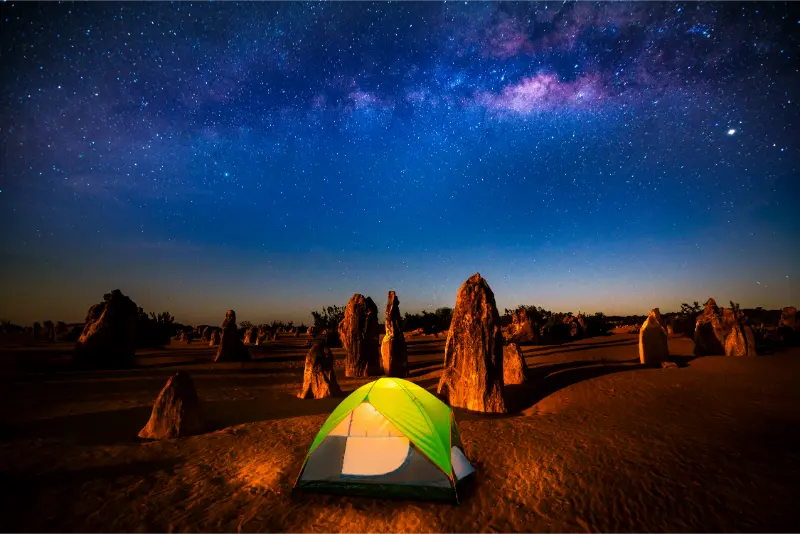
A holiday under genuinely dark skies can reveal the Milky Way, familiar constellations and sometimes meteor showers with a vividness that is difficult to experience in bright cities. You do not need an expensive telescope or specialist knowledge to enjoy the night. You do, however, need a location with suitable darkness, weather, legal access and a safe route back to your accommodation. Responsible astrotourism also asks visitors not to disturb wildlife or the communities that protect natural darkness. This guide helps families, solo travelers, seniors and curious beginners choose a realistic stargazing experience anywhere in the world.
Quick planning reference
| Decision | What to check | Useful action |
|---|---|---|
| Astronomical timing | Moonrise, moon phase and season | Darkness is not guaranteed by a location |
| Ground conditions | Weather, lawful access and road safety | Scout viewing points in daylight |
| Comfort and impact | Layers, seating and low lighting | Respect wildlife and local residents |
Start with darkness, not a dramatic advertising picture
Travel brochures may show brilliant galaxies and colored nebulae that are invisible to the unaided eye. Long-exposure photographs gather light differently from human vision. Set expectations accordingly: a remote clear night can offer breathtaking stars, while a city observatory may provide better guided explanations of planets even with a brighter sky. Look for sites recognized by reputable dark-sky organizations, protected parks or local observatories with public programs. Then check how much artificial light reaches the exact viewpoint, not just the surrounding region.
Darkness alone is not enough. A mountain pass may look ideal on a light-pollution map but be exposed to strong wind, cold and unsafe roads. An accessible village viewpoint could provide a more enjoyable experience for someone with reduced mobility. Confirm that the site legally permits visitors after dark. Some nature reserves close at sunset, and remote areas may require guided access or an overnight permit. A responsible itinerary places comfort and safety beside astronomical conditions.
Understand moon phases and why timing matters
A bright Moon makes it harder to see faint stars, although moonlight can be beautiful for landscape photography. For a holiday focused on the Milky Way or meteor watching, examine the lunar phase and the times the Moon rises and sets at the destination. A new-moon period can be favorable for dark conditions, but cloud cover and seasonal position of the night sky still matter. For viewing the lunar surface through a telescope, phases around the first or last quarter can reveal interesting shadows and detail.
You do not need to memorize astronomical calculations. Use a reliable sky calendar or observatory guide to identify dark evenings during your dates, then verify the local forecast close to arrival. In some regions nights are short in summer; at very high latitudes, the sky may never become fully dark for part of the year. If you are organizing a family trip, choose a season when children can stay awake comfortably rather than requiring a midnight expedition after an already exhausting day.
Pick the right destination style
Dark-sky travel can take many forms. A desert lodge might offer dry air and broad horizons but large temperature swings. A mountainous park may have spectacular views and colder, changeable weather. A rural island can offer low light pollution but limited night transport. A city with a public observatory or planetarium provides accessible introductions and guided interpretation even when the sky itself is not perfectly dark. Compare the entire visitor experience rather than treating the most remote site as automatically best.
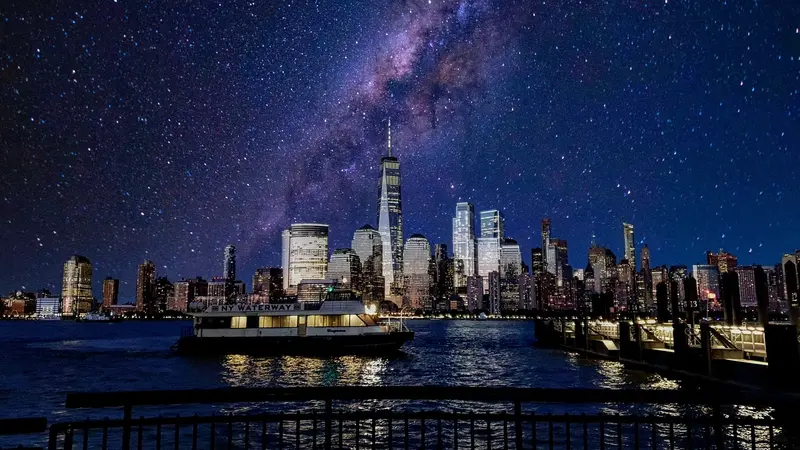
Ask whether accommodation is within safe walking distance of the observing point or whether an experienced guide provides transport. Check road quality, parking, winter closures, mobile coverage and availability of restrooms. A site advertised as a ‘dark-sky destination’ may encompass a broad region, while the actual parking area has floodlights. Read the managing body’s visitor information and contact staff for precise viewing suggestions. A legal roadside pullout is not necessarily a safe place to stop after dark.
Learn the night sky with almost no equipment
Begin by allowing your eyes time to adjust to darkness and using a printed chart or low-brightness astronomy app where appropriate. Look for obvious celestial landmarks and learn a small number of constellations relevant to the hemisphere and season. A red-filtered light can help preserve some night adaptation, but use it only where needed and keep brightness low. Binoculars can be useful for clusters and lunar features, though they should never be used to look at the Sun. A simple reclining chair can make comfortable observation easier than standing with your neck bent for long periods.
Avoid buying a large telescope before your first stargazing holiday. Such equipment can be difficult to transport, align and keep stable in wind. A guided observatory session offers the chance to learn what an instrument reveals and decide whether owning one would suit your interests. A phone on a stable support can take basic night photographs, but focus on enjoying the sky rather than spending every moment adjusting settings. One patient hour may be more memorable than trying to photograph dozens of objects.
Nighttime safety belongs in the itinerary
Arrive at the viewing area in daylight when possible so you can identify safe paths, barriers, drop-offs and parking. Tell someone your plan and expected return time, especially when traveling alone. Pack layers, weather protection, water, a charged phone and a light suitable for emergencies. Temperatures can fall sharply after sunset even in places that are warm during the day. Do not leave a vehicle running to stay warm in enclosed or poorly ventilated areas, and never rely on a weak phone signal as the only emergency plan.
Respect wildlife and habitats. Avoid loud music, powerful flashlights and leaving food that attracts animals. Use marked paths and stay clear of fragile ground or cliff edges. If conditions deteriorate, leave rather than waiting stubbornly for a small gap in cloud cover. On mountain roads, fatigue and darkness can make the return journey hazardous. Booking nearby accommodation or a guided transfer may be the most valuable safety investment of the trip.
Respect local residents and natural darkness
DarkSky International’s responsible astrotourism principles emphasize considerate lighting, environmental protection, community wellbeing and respect for local cultures. Visitors should avoid shining beams into homes, camping illegally on private land or crowding residential lanes in search of a dark viewpoint. Some communities actively manage outdoor lighting to preserve the night sky; travelers should contribute to that work by following access rules and supporting local businesses.
If a destination has an Indigenous astronomical interpretation program, learn through authorized community guides who choose what knowledge to share. Do not claim ownership of sacred stories or record cultural presentations without consent. A night sky is both a physical environment and part of many living cultural traditions. An observatory visit, a guided walk and a conversation about local conservation may offer more depth than chasing a single photograph of the Milky Way.
Stargazing with children, teenagers and senior travelers
With young children, choose a short guided session or a safe viewpoint close to accommodation. Bring warm clothes, familiar snacks and an option to return early. Set one achievable goal such as identifying a bright planet or finding a well-known constellation. Teenagers may enjoy astrophotography or learning to navigate a sky map. Emphasize that a meteor shower is a probability-based experience; it is never a guaranteed fireworks display. Keep expectations playful rather than turning the night into an achievement checklist.
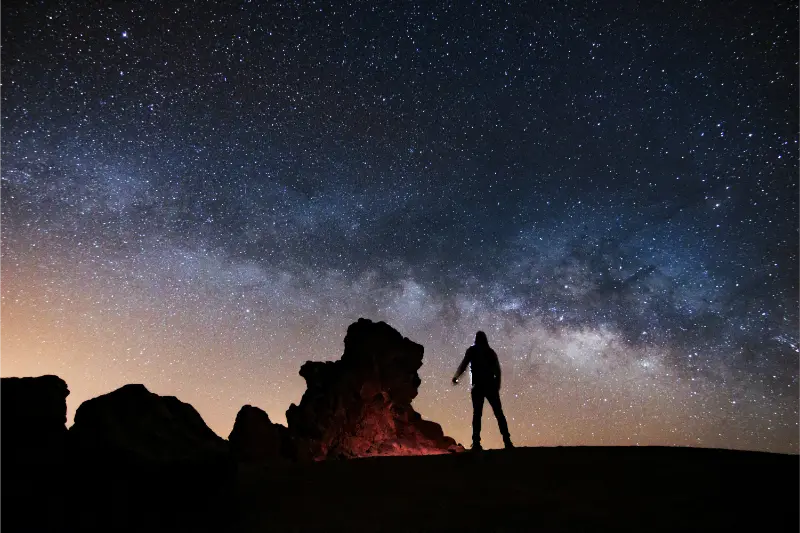
Older adults or travelers with mobility limitations may prefer a paved viewing platform, seating and accessible restrooms. Confirm whether the observing area is step-free, whether telescopes can be used from a wheelchair and how much standing is required. Cold weather or high elevation can affect individual comfort and health, so choose conditions suited to the person and ask for professional medical advice when relevant. Accessibility does not mean excluding a traveler from night-sky experiences; it means choosing a suitable format.
Astrophotography without sacrificing the experience
For a first attempt, steady the camera or phone on a tripod, use a timer to reduce shaking and take several test exposures. A very long exposure can make stars trail due to Earth’s rotation unless a tracking mount is used. Exact settings vary with lens, sensor, darkness and subject, so treat online presets as starting points rather than guarantees. Protect equipment from dew and extreme temperatures and bring spare power where needed. Never set a tripod where it blocks a path or creates a hazard in darkness.
Turn off unnecessary screen brightness and cover bright indicators where safe. Ask permission before including other people’s faces, vehicles or campsites in a night photograph. Do not use light painting on wildlife or protected rock art. If sharing edited astronomical photos online, explain when color or exposure has been substantially enhanced; a heavily processed image should not promise that all visitors will see the same colors with their eyes. Honesty makes the destination more appealing to travelers with realistic expectations.
A relaxed two-night dark-sky itinerary
Day one: arrive before sunset, explore the village or visitor center, check official night-access conditions and enjoy a short introductory sky session if weather permits. Day two: take an easy daytime walk or museum visit, rest in the afternoon, then attend a longer guided night session. Day three: travel onward after a proper night’s sleep rather than driving a long distance immediately after being awake until dawn. Having two possible viewing nights makes a single cloudy evening less damaging to the holiday.
If both nights are cloudy, consider a planetarium, astronomy museum, guided cultural program or a scenic daytime activity. The dark-sky destination still has a landscape and community worth understanding. Check admission, guiding and cancellation policies before paying, and avoid operators promising sightings that nature cannot guarantee. The best stargazing trip combines curiosity, sensible logistics and respect for the night.
Frequently asked questions
Do I need a telescope to enjoy dark skies? No. The unaided eye and binoculars can provide memorable views in suitable conditions.
Is a new moon always the best time? It generally favors faint stars, but weather, season and the objects you want to observe are equally relevant.
Can I stargaze from any national park parking lot? Not necessarily. Parks have site-specific closures and rules; check approved areas.
Will my phone capture the same colors I see? Night photographs can record and enhance details differently from human vision.
How do I make a family visit manageable? Choose a nearby safe viewpoint, warm clothing, realistic bedtimes and at least one weather backup.
Official sources for current requirements
Information changes across countries and over time. Check these primary resources alongside the rules of your specific destination and travel provider.