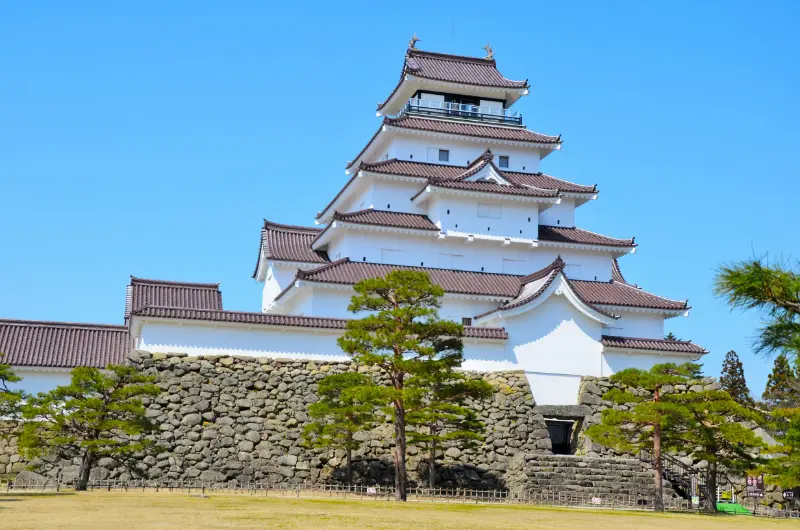
Himeji is best known for its spectacular white castle, but an enjoyable visit involves much more than climbing to the top. The broad approach from the station, the free outer grounds, Koko-en garden and the surrounding city offer different ways to understand this remarkable Japanese fortress. The official castle website makes an essential point: reaching the main keep involves slopes and steep, narrow stairs, and the keep itself has no elevators. This guide distinguishes the famous tower climb from satisfying lower-effort alternatives and explains how to build a thoughtful day trip or overnight stay.
| Suggested time | 1 full day or 1 night |
|---|---|
| Getting there | Rail from Osaka, Kobe or Okayama |
| Key experiences | White castle, outer bailey and Koko-en |
| Plan ahead | No elevators in the main keep; steep stairs |
See the castle long before reaching the ticket office
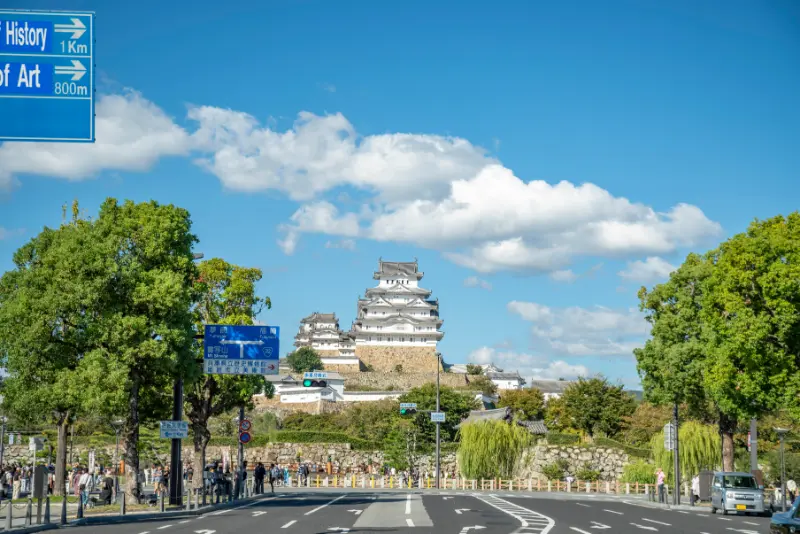
From JR Himeji Station, the castle’s pale roofs form the visual destination at the end of Otemae-dori. Walking the broad boulevard is part of the experience, and it lets you appreciate how the castle dominates the town’s layout. The distance may be manageable for many travelers, but not every person wants to walk it with luggage or on a hot afternoon. Local buses run toward Otemon-mae; verify current stops, service and boarding access. Photographing from the station area or the boulevard can be rewarding without paying for admission.
The main Otemon Gate leads toward San-no-maru, a large outer enclosure. The Japan National Tourism Organization describes this area as accessible before the paid inner section. It provides views of the layered white roofs and stone ramparts that are impressive even if you never enter the keep. During cherry-blossom season, the grounds attract crowds, so an early arrival can help with space and photographs. Keep paths clear for local residents and do not climb onto restricted walls for a better angle.
Decide whether the main keep climb suits you
Himeji Castle’s main keep is an extraordinary surviving wooden structure, with a sequence of gates, defensive approaches and increasingly elevated interior floors. You can see how the design channels visitors through narrow passages, but these features also create physical challenges. The official site warns about steep stairs, slopes and the absence of elevators inside the keep and turrets. This is not an attraction where every paying visitor can automatically reach every level. Socks or safe footwear requirements may apply on interior flooring.
Before entering, assess whether everyone in your party can manage long stair sequences, tight turns and standing in queues. Ask staff about the sections currently open and whether a partial visit is possible. A toddler cannot safely navigate all ladders independently; someone with vertigo, poor balance or knee problems may be happier outside. Never pressure an older relative to continue upward merely because admission has been paid. The engineering can be appreciated from the lower grounds and interpretive material without ascending to the top floor.
Look beyond the white silhouette and study the defenses
Himeji’s beauty tends to dominate photographs, yet the stone bases, angled routes, loopholes and numerous gates reveal its military purpose. From the inner approaches, notice how the path twists instead of leading directly to the heart of the fortress. The white plaster is part of a historic fire-resistant exterior finish, not simply decoration. Interpretive signs help explain which buildings and passages belong to the early seventeenth-century complex. The castle has UNESCO World Heritage status, and preservation involves continual care rather than a static monument.
Set a modest observation goal for children: find a gate, stone wall, opening and roof feature rather than demanding that they absorb every historical date. Photographers should check restrictions on tripods and drones. Wheelchair users need venue-specific access advice because outer approaches and interiors differ substantially; the official site’s assistance guidance should be read before booking. Avoid claiming that a paved outer area guarantees step-free movement throughout the paid enclosure. A shorter visit with focused observation often generates better memories than a tiring climb.
Balance the castle with Koko-en Garden
Koko-en is a landscaped garden near the castle and an excellent companion for visitors who enjoy plants, ponds and quiet seasonal design. Its sections provide a contrast to the fortress’s enclosed passages. Garden access may be more comfortable than the main tower, but bridges, gravel paths and stepping surfaces still need checking. A combined admission option may exist, although prices and eligibility have changed; consult official sources for current ticket arrangements rather than relying on an old blog’s figures.
If traveling with a person who cannot climb, consider dividing the group: one person explores the upper keep while the others visit appropriate outer grounds or selected garden areas. Agree on a realistic meeting point and time so no one has to wait standing in heat. A garden visit works especially well in the afternoon when castle queues may be longer. Seasonal flowers and foliage change the atmosphere, but a quieter winter garden can be appealing too. Photography should respect planted areas and posted pathways.
Add a neighborhood stop without overloading the day
Himeji’s station area has shops, dining choices and services that simplify a day trip. Instead of rushing onto the first train after the castle, walk a few streets away from the busiest route to enjoy a meal or find a local café. Some visitors add a museum or shrine visit, but check opening times and travel distances before committing. The pleasure of a Japanese city outside the country’s most famous hubs often lies in everyday streets and an unhurried lunch as much as a headline monument.
For families, a predictable food stop after the grounds prevents an afternoon of tired children and queue frustration. Vegetarians and travelers with allergies should request ingredient information and keep an explanatory translation ready. Restaurants near the station may be easier for wheelchair users than upper-floor establishments in older buildings, though entrances still need checking. Store bulky luggage at an appropriate station facility rather than attempting to carry suitcases through castle grounds. Keep your rail return flexible if possible.
Reach Himeji by rail from Osaka, Kobe or Okayama
Himeji is a convenient rail destination on routes across western Honshu, including services from Osaka, Kobe and Okayama. Which train is best depends on whether you have a rail pass, prefer speed, or need fewer transfers. A Shinkansen journey may save time but cost more than conventional services. Confirm your exact departure station and train type, especially if traveling from a hotel far from a major hub. Check railway accessibility services and reserve assistance where appropriate rather than assuming every transfer is effortless.
For a same-day excursion, make the castle your main booking and leave room for the garden. Arriving as the gates open may help in busy seasons, but account for school groups and temporary conservation works. Drivers should use designated parking and expect traffic restrictions around major events. Overnight visitors can stay close to Himeji Station for restaurants and onward travel, then tour the castle at a gentler pace the following morning. A short overnight stop is especially useful for travelers who cannot stand in queues for hours.
Read the current admission rules, not yesterday’s prices
Castle admission policies can change. By October 2026, the castle’s own English website lists different adult and under-eighteen arrangements from older tourism pages, so copying a past fee is risky. Check the official castle website on the booking day for admission bands, combined tickets, last entry time and scheduled closures. Also review crowd notices and any temporary alterations to the interior route. The official information states that the last entry is earlier than closing time; allow enough time to finish before the gates close.
Parents should look at stroller storage guidance because wheeled equipment is not suited to the keep. Visitors who require support should contact the castle about current arrangements before purchasing; the published accessibility explanation is unusually specific about steep stairs. Heat, heavy rain and crowds can make even the approach tiring. Pack water, comfortable shoes and a plan for where someone can rest. Do not base a tightly timed onward connection on finishing a full keep circuit in exactly one hour.
Build two itineraries for different abilities
For a more active day, walk from the station, explore San-no-maru, purchase the appropriate ticket for the inner enclosure, climb the keep if safe, then visit Koko-en and eat before returning. The sequence introduces the building from the outside before exposing its defensive interior. A calm overnight version divides the garden and outer grounds from the keep, allowing more time for the city’s ordinary life. Either route can be shortened if the weather changes or queues become uncomfortable.
For a low-stair day, use a bus or taxi closer to the gate, enjoy the lower views, select accessible garden paths after confirmation and return to the station for lunch. This is not a lesser version of Himeji: the exterior architecture is an essential part of its significance. Families with babies, travelers with limited mobility and those simply uninterested in castle stairs can still have an excellent visit. The central principle is to respect the building’s physical reality while enjoying what it reveals from many angles.
Frequently asked questions
Is Himeji Castle wheelchair accessible?
Its outer areas differ from the keep. The main keep and turrets have no elevators; consult official accessibility guidance before purchasing tickets.
Can I enjoy the castle without climbing?
Yes. Exterior views and the outer enclosure reveal the monument’s appearance and defensive layout without requiring the complete tower route.
How far is the castle from the station?
The main approach is around a twenty-minute walk for many adults, while buses also serve the castle vicinity.
Should I book Koko-en with the castle?
It can be an excellent combination, but check the current combined admission offer and access conditions.
Are old ticket prices reliable?
No. Pricing changed in 2026; use the castle’s official website for current visitor categories and admissions.
More trip ideas from Travel Is Wonderful
- Japan Beyond Tokyo in 10 Days: Kyoto, Nara, Hiroshima and Osaka Without Constant Packing
- Kyoto in 5 Days: Temples, Arashiyama and Neighbourhoods Without Chasing Every Famous Shrine
- Osaka in 4 Days: Food, Castle District and Neighbourhoods Without Treating It as a Kyoto Add-On
- Nara Beyond the Deer: Temples, Old Streets and an Overnight Stay from Kyoto or Osaka
Travel resources and latest official conditions
Before your visit, confirm opening hours, admission details, transport, conservation rules and safety notices with the official organisations listed below.
Last reviewed: October 11, 2026.