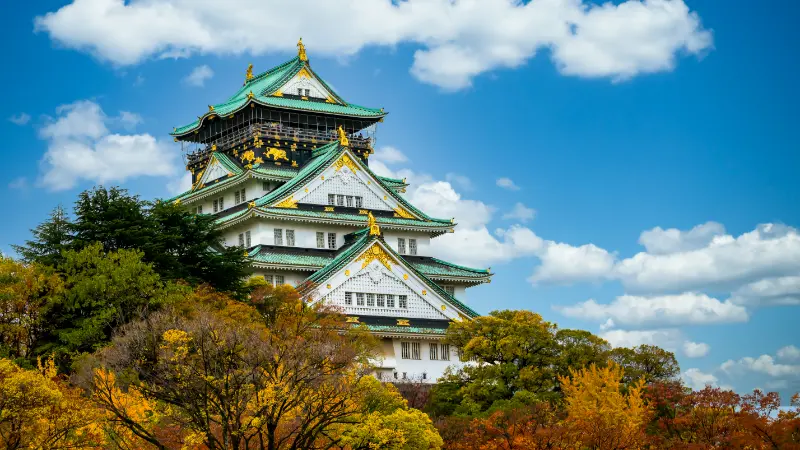
Osaka comes alive through its contrasts: busy food streets after dark, calm corners around the castle, huge transport hubs and neighbourhood cafés where daily life carries on. Four days let you move beyond a quick Dotonbori visit and discover why the city feels so different from nearby Kyoto. Eat well, explore one district at a time and keep at least one evening unplanned.
Osaka makes more sense as a destination in its own right than as a quick evening after Kyoto. The wider rail journey in Japan Beyond Tokyo in 10 Days: Kyoto, Nara, Hiroshima and Osaka Without Constant Packing helps you compare both cities without constant packing. Keep time for Osaka’s food streets, everyday shopping districts and relaxed nights; those are exactly the experiences that disappear on a rushed day trip.
Quick trip summary
- Recommended time: 4 days.
- Best planning principle: group each day by geography and protect only the reservations that control access.
- Best for: independent travellers, couples, families and slower-paced visitors who prefer a realistic rhythm.
- Keep flexible: at least one half-day or one major activity that can move with weather, traffic or energy.
- Book first: the accommodation location, scarce transport and any permit, timed entry or signature experience that shapes the rest of the trip.
Is Osaka the right trip for you?
Osaka works well for travellers who enjoy food, urban energy, shopping, casual nightlife and efficient public transport. Families can build around aquariums, parks and observation decks, while slower-paced visitors benefit from elevators and dense rail coverage. The city is less about one monumental list and more about contrasting districts.
Osaka is a good match for travellers who enjoy eating, wandering and seeing how a busy city lives after dark. Its appeal is not just one castle or a row of neon signs. Choose whether you most want street food, neighbourhood exploration, family attractions or a major entertainment day, then give each its own space.
Where to stay: choose location before hotel style
| Base | Why choose it |
|---|---|
| Namba / Shinsaibashi | Best for food, nightlife and first-time atmosphere with strong transport connections. |
| Umeda / Osaka Station | Best for regional rail, department stores and day trips to Kyoto, Kobe or Himeji. |
| Tennoji | Best for a slightly calmer base with good transport and access to southern districts. |
Namba is convenient for evening food and the bustle of southern Osaka, while Umeda makes many train journeys straightforward. Neither choice is automatically better: think about where you will finish most nights and how you will reach the next city. Check the exact station exit, too, as Osaka’s large underground complexes can make a ‘short walk’ unexpectedly long.
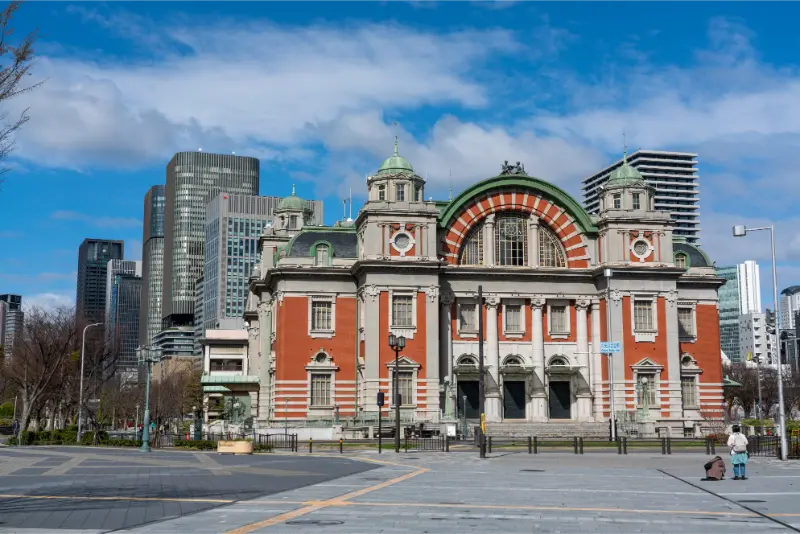
A realistic 4-day itinerary
Day 1: Namba, Dotonbori and Shinsaibashi
Start with the southern centre, markets and canal area, but do not spend the entire day under neon signs. Add Hozenji, side streets and a slower meal, then return after dark when the district changes character.
Day 2: Osaka Castle, riverside and central districts
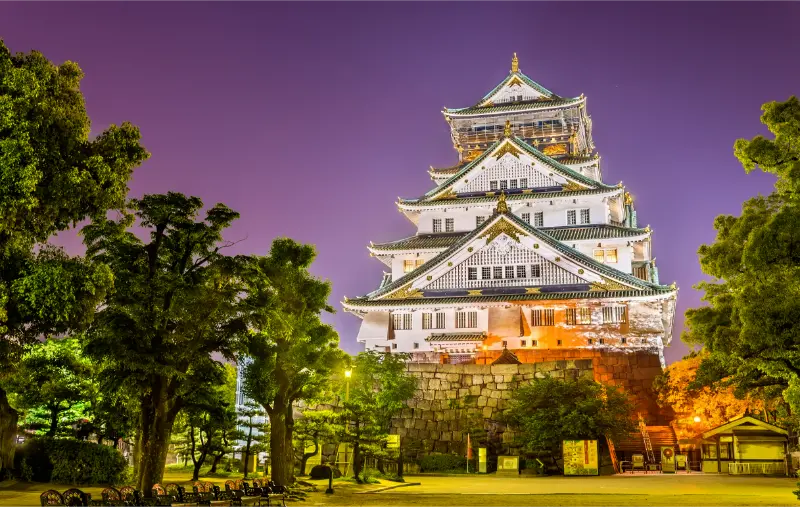
Visit the castle park and decide whether the interior is important to you, then continue through nearby riverside or museum areas. Finish in a different central district instead of returning immediately to Namba.
Day 3: Umeda, north Osaka and city views
Explore Osaka Station City, Umeda and one observation deck or cultural site. The northern centre has a different rhythm from Namba and deserves its own half-day or more.
Day 4: bay area, Shinsekai or one regional day trip
Choose based on interests: aquarium and bay area, Shinsekai and Tennoji, or one simple excursion such as Kobe. If Kyoto is already part of your wider trip, resist using Osaka days to commute back there repeatedly.
How to move around without wasting the day
Osaka has several rail and metro operators, so route apps are extremely useful. Choose the fastest practical route rather than insisting on one pass or one company. Walking inside large stations can add significant time, so allow extra minutes for platform changes and exits.
The subway and rail network cover Osaka well, but major stations take time to navigate. Pair Dotonbori with nearby Namba streets, and give Osaka Castle its own area rather than tacking it onto every other district. For a transfer between rail systems, allow enough time to find the right platform without hurrying through crowded corridors.
Best time to visit
Spring and autumn are comfortable for walking, summer is hot and humid, and winter is cool but generally manageable. Rainy periods are easy to adapt because Osaka has extensive indoor shopping, stations and food areas. In peak blossom or holiday periods, expect heavier demand.
Osaka’s hot, humid summers favour earlier starts and indoor breaks. Cooler months invite long neighbourhood walks, while spring and autumn can be attractive but busy. Weather matters especially for outdoor castle grounds or a waterfront evening. Check local forecasts and event calendars before choosing which day will involve the most walking.
What to book first
Reserve the hotel first and any high-demand themed attraction, observation experience or restaurant that truly requires it. Most ordinary food exploration should remain spontaneous. If using Osaka as a regional base, book only the day trips that have a real capacity or timing constraint.
Universal Studios Japan, a special performance or another limited-capacity experience should be the first item you secure. Food streets, neighbourhood walks and much of the everyday city remain flexible. Resist buying tickets for every afternoon; one unplanned evening around Namba may become the part of Osaka you remember most.
Food strategy: eat well without scheduling every meal
Osaka is a place to eat often but not necessarily formally. Build the day around neighbourhoods with multiple choices and share smaller dishes when possible. Avoid spending an hour crossing the city for one famous stall when excellent alternatives exist in the district you are already visiting.
Osaka is the kind of city where a meal often becomes the destination, but it need not require a complicated reservation. Try casual food around the streets you are already exploring, whether in Namba, Tenma or near the station. For mixed-age groups, a relaxed lunch before a busy entertainment evening helps everyone enjoy the night.
Travelling with children
Aquariums, trains, observation decks, parks and casual food make Osaka easy for children. Big stations can be overwhelming, so keep meeting points clear and avoid excessive transfers with tired children. Use department-store food floors for simple meal options when everyone wants something different.
With children, pick one main experience and leave time for something playful or open-ended afterwards. The aquarium or a family attraction can be absorbing enough for much of a day. Busy Dotonbori is exciting but sometimes overwhelming, so arrive earlier in the evening if you want to enjoy the lights without the biggest crowds.
Travelling at a slower pace or as a senior
Stay near a major station with lifts and direct lines, and use rail to reduce unnecessary walking. Stations themselves are large, so a hotel described as five minutes from a station may still involve long internal walking. Schedule one major district per half-day.
Large stations can be more tiring than the distances shown on a map. If walking is difficult, choose a hotel near a straightforward exit, check lifts in advance and avoid switching rail lines just to save a few minutes. A short taxi at the end of a long evening may be a better choice than negotiating another underground passage.
Budget: where the money really goes
Transport is efficient but multiple short journeys can accumulate. Compare individual fares with passes only after your route is known. Food can range from inexpensive casual meals to high-end dining, so the city is easy to adapt to different budgets without sacrificing local character.
Osaka can be relatively easy to enjoy without paying for many attractions. Street food, neighbourhoods and waterfront walks balance the cost of an expensive theme-park day. Choose your hotel for the train journeys you will repeat, and factor in any luggage transfer or day-trip fares before assuming a room farther away is cheaper overall.
Weather fallback plan
Rain is rarely a reason to lose a day because stations, arcades, malls and museums provide strong indoor alternatives. In summer, move between air-conditioned stops and protect the middle of the day from long exposed walks.
A wet afternoon is a chance to explore an indoor market, shopping district, museum or food destination. Save exposed views and long castle-park walks for clearer weather. Because Osaka’s trains link many covered stations and shopping areas, it is usually better to adjust the local plan than lose hours crossing the city for a supposedly perfect alternative.
Connectivity, cash and small practical details
Use a transport card or mobile option where compatible, keep cash for smaller venues and save the Japanese name or map pin of your hotel. Large station complexes have multiple exits, so follow the exit number rather than only the station name.
Keep the Japanese name and address of your accommodation saved on your phone. Osaka’s big stations have multiple exits, so a screenshot of the correct one can spare you a lot of wandering. Card payment is easy in many places, but carry some cash for smaller food businesses and keep a separate way to pay in case one option fails.
What to pack
Comfortable walking shoes, a small umbrella, breathable clothing in warm months and a light layer in winter are enough for most city days. Leave luggage compact if travelling onward by train.
Comfortable shoes are essential for a city where you may spend hours on your feet without noticing. Bring a light layer for evenings or indoor cooling, a small umbrella in unsettled weather and enough bag space for anything you pick up in a market. Travelling with luggage during commuter peaks is best avoided when practical.
Common mistakes to avoid
- Treating Osaka as only a dinner stop from Kyoto.
- Crossing the city for one viral food stall.
- Underestimating walking time inside Umeda and Namba stations.
- Buying an expensive transport pass without checking the actual journeys.
- Scheduling several distant day trips and never seeing Osaka beyond the station areas.
Responsible travel and local etiquette
Queue neatly, keep station pathways clear and follow local rules for eating and waste. In residential streets, avoid loud late-night behaviour and treat small food businesses as working spaces rather than photo sets.
Food stalls, busy arcades and nightlife streets work better when visitors leave clear space for other people. Follow instructions on eating areas and rubbish disposal instead of assuming the street is a dining room. Be considerate with photographs, particularly in small businesses and residential lanes away from the main tourist corridors.
If you have less or more time
With two days, focus on Namba and one castle/Umeda day. Three days adds Tennoji, Shinsekai or the bay area. With five days, add one regional excursion while keeping at least three full days for Osaka itself.
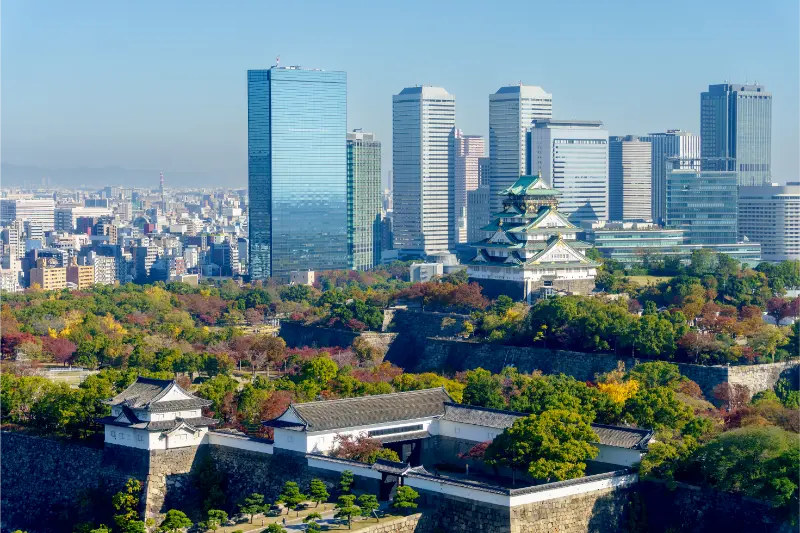
If you have only two days, enjoy the castle area and one southern neighbourhood without adding a distant excursion. A longer stay gives you time for a major entertainment attraction or a slow afternoon in less-visited districts. You can also keep Osaka as a convenient rail base, but only if the extra day genuinely adds to your interests.
How to choose between similar experiences
Choose Kobe for an easy urban-and-harbour excursion, Himeji for a major historic castle, and the Osaka bay area for a low-logistics family day. If Kyoto is already on the main itinerary, another Osaka neighbourhood often adds more variety than a repeat commute.
Choose between a theme-park day and a deeper city day based on your companions, not because both appear on a top-ten list. The aquarium and the castle district also give different rewards: one is a substantial indoor visit, the other combines history with outdoor space. Decide which experience you will enjoy at your own pace.
Safety and decision-making on the day
Osaka is straightforward for most visitors, but crowded stations, nightlife districts and bicycle traffic deserve normal awareness. The bigger practical risk is missing a train or getting separated in large stations, so establish clear meeting points.
Stay attentive around busy junctions, late-night entertainment streets and escalators in crowded stations. Follow railway announcements when there are delays, and give yourself a generous margin before intercity departures. If the group is tired, shorten the evening rather than pushing on to a final neighbourhood just because it is highlighted on a map.
Useful official and planning resources
Before your visit, confirm attraction hours and any time-specific tickets, particularly for theme parks or special events. Station works, rail changes and holiday schedules can also affect connections. A little checking makes the big transport hubs easier to handle, leaving more time for the city itself.
Final planning checklist
- Confirm passport, visa, transit and health requirements for your nationality.
- Reserve the transport, permit or timed entry that controls the rest of the itinerary.
- Check how luggage moves between airport, road transfer, ferry, train or accommodation.
- Download offline maps and save key tickets outside your email app.
- Recheck weather, sea, road, trail or park notices before each critical day.
- Keep at least one half-day that can absorb a delay or become simple rest.
- Leave a generous buffer before international flights and other costly connections.
Osaka is often remembered through small pleasures: a lively evening meal, a neighbourhood you wandered into by chance, the view from a quiet riverside path. Let the headline attractions shape part of your trip, then leave space for the everyday city around them. That is where much of Osaka’s character appears.