Banff becomes less enjoyable when every sunrise is assigned to a different famous lake and every afternoon to another long drive. Five days is enough to combine Banff town, Lake Louise, Moraine Lake in season, a canyon or lake corridor and one flexible hiking day without turning the national park into a sequence of parking problems. The most important planning decisions are transport reservations, weather and choosing which landscapes matter most to you rather than trying to reproduce every photograph you have seen.
If this destination is part of a wider trip, compare the pacing with Canadian Rockies in 7 Days: Banff, Icefields Parkway and Jasper at a Realistic Pace. The city guide adds local depth; the wider itinerary is better for deciding how this stop fits into the rest of the journey.
Quick trip summary
| Ideal stay | 5 days for a first trip |
|---|---|
| Best approach | Group each day by geography and keep one flexible block for weather or energy |
| Transport strategy | Use public transport or transfers for long moves, then explore each district locally |
| Who it suits | First-time visitors, couples, solo travellers, families and slower-paced travellers |
| Most common mistake | Adding another distant attraction because it looks close on a map |
How to plan the trip before booking
For Banff, the first booking decision is often transport to Lake Louise and Moraine Lake, not a restaurant or a viewpoint. Access arrangements and shuttle reservations matter, while most town walks can wait until you arrive. Keep a hiking day movable: mountain weather and trail conditions are better judged close to the date.
Banff is at its best when you allow yourself to stop looking at the clock. A morning by Lake Louise or a walk along the Bow River can easily become the highlight of a day. Choose a main outing, pack food and leave enough space to rest or simply sit with the view instead of driving straight to the next photo stop.
Where to stay: choose location before hotel style
| Base | Why choose it |
|---|---|
| Downtown Banff | Best for first-time visitors who want restaurants, Roam Transit and evening walks without driving after every activity. |
| Banff Avenue north / Uptown | Still convenient but often a little quieter, with straightforward access to shuttles and town services. |
| Tunnel Mountain area | Good for cabins, views and a more residential feel, though some travellers will use transit or drive into the centre. |
| Canmore | Outside Banff National Park but often better value and useful for longer stays; allow extra travel time for park days and check transit options. |
Staying in Banff town makes evening meals and short local walks convenient. Lake Louise puts you closer to some famous scenery but is a different base with different transport needs. Compare accommodation against where you expect to spend each morning, especially if you plan to use park shuttles or visit without a car.
A realistic 5-day itinerary
Day 1: Banff town, Bow River and a gentle first viewpoint
Use the first day to understand the town and recover from the journey. Walk the Bow River, Bow Falls or easy nearby trails, then choose one viewpoint such as the gondola only if weather is clear and energy is good. Buy or confirm your park pass and learn the local transit stops. Do not drive to Lake Louise simply because you arrived before hotel check-in; save the most logistically constrained places for a planned day.
Day 2: Lake Louise and Moraine Lake with reserved transport
In the 2026 season, Parks Canada requires reservations for its Lake Louise and Moraine Lake shuttles, and Moraine Lake Road remains closed to personal vehicles. Use the official shuttle or another authorised transport option. Combining the two lakes in one planned day can reduce duplicate transfers. Choose a short walk at one lake rather than demanding major hikes at both. Carry layers because mountain weather can change quickly even when Banff town is warm.
Day 3: Johnston Canyon and Lake Minnewanka corridor
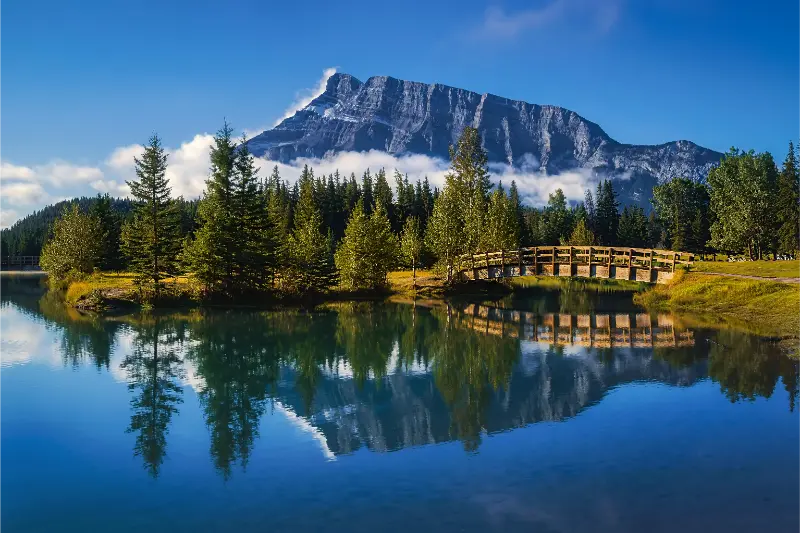
Visit Johnston Canyon early or use current transit where available to reduce parking pressure. Decide in advance how far you want to hike; the lower and upper falls are enough for many visitors, while longer routes require more time and fitness. Pair the day with Lake Minnewanka, Two Jack Lake or a quieter town afternoon rather than driving to the Icefields Parkway as well. Geographic discipline is what keeps Banff from becoming a windshield holiday.
Day 4: Your best hike, chosen for conditions and ability
Choose one trail according to current closures, wildlife notices, weather and your actual fitness. Options range from gentle lakeside walks to demanding alpine hikes. Check Parks Canada trail information shortly before leaving and carry the equipment appropriate to the route. Start early for popular trailheads, but do not force a summit when smoke, storms, snow or fatigue make the day poor. A shorter safe hike is a successful mountain day.
Day 5: weather buffer, hot springs or a final scenic day
Keep the final full day deliberately flexible. Use it for the activity displaced by weather, a quieter lake, Banff Upper Hot Springs if operating, museums, shopping or a second modest walk. This buffer is valuable because mountain plans fail for reasons that cannot be solved months in advance. If you are driving onward, leave enough daylight and energy for the next road rather than treating departure morning as one more sunrise mission.
Getting from the airport or station and handling arrival day
Most international visitors reach Banff through Calgary and continue by shuttle, bus or rental car. A car adds flexibility for some corridors but is not required for every major sight, especially with Roam Transit and seasonal shuttles. If driving, remember that a national park pass is separate from transport reservations. In winter, road and vehicle requirements need additional attention. Build the arrival day around the transfer rather than a timed mountain attraction.
Most visitors reach Banff via Calgary, so treat the transfer into the mountains as a proper part of arrival day. Check your bus or car arrangements ahead of time and avoid scheduling a demanding hike after a flight. An easy walk through Banff town and an early dinner are a much better introduction to the Rockies.
Getting around without wasting the day
Banff now requires more transport planning than a simple rental-car itinerary suggests. Roam Transit serves many popular locations, and Parks Canada shuttles are central to Lake Louise and Moraine Lake access. For 2026, Moraine Lake Road is closed to personal vehicles year-round and regular Parks Canada shuttle reservations are required. Parking at Lake Louise is limited and not a dependable strategy. Reserve the constrained transport first, then build hiking and meals around it.
Distances in Banff National Park can look modest on a map, yet parking, shuttles and trail access determine how much you can actually do. Do not assume you can drive a private car to Moraine Lake: access is restricted. Plan the Lake Louise area as a coordinated outing and check Parks Canada’s current transport guidance before leaving.
Best time to visit and how the season changes the itinerary
Summer offers the broadest hiking access and lake colours, but it is also the busiest period. Shoulder seasons can be beautiful yet bring snow or trail closures at elevation. Winter turns Banff into a snow destination with very different road, clothing and daylight requirements. Wildfire smoke can affect summer visibility and air quality. Use current Parks Canada information shortly before each day because conditions can change far faster than hotel reservations.
A summer Banff visit may offer long days for hiking, but some mountain trails remain affected by snow early in the season. Autumn brings changing conditions, and winter calls for a very different plan built around safe access and suitable activities. Use the season to choose your walks rather than trying to follow the same lake-and-trail itinerary year-round.
What to book first
Book accommodation early in peak periods and treat Lake Louise/Moraine Lake transport as a priority. Parks Canada states that 2026 shuttle reservations open in advance, with additional seats released two days before departure. Reserve only the hikes, tours or gondola times that truly need fixed access. Too many timed bookings remove the flexibility that mountain weather demands.
Before each major Banff outing, check Parks Canada’s latest notices for trail conditions, wildlife restrictions and the Lake Louise–Moraine Lake shuttle arrangements. A route that looks simple in a travel photo can require advance transport booking or be closed temporarily. The official park information should decide the day when conditions differ from your original plan.
Food strategy: eat well without crossing the city for every meal
Banff has a wide restaurant range, but popular dinner times can fill in peak season and prices reflect the resort setting. Buy trail snacks and breakfast supplies before early starts. For Lake Louise or shuttle days, carry enough food and water to avoid relying on one crowded café. If staying in Canmore, dinner there can reduce cost and add variety, but do not underestimate the energy needed to commute back after a long hiking day.
A packed lunch can be more useful than a restaurant reservation when you are heading into Banff’s mountain areas. Bring food and water for the trail, then enjoy a relaxed dinner back in town. On days spent around Banff itself, leave time for a café or a meal without rushing to another lookout before sunset.
Travelling with children
Families should prioritise transport certainty and shorter trails with clear turnaround points. Lake Louise and Moraine Lake are easier when shuttle times are organised before the trip. Johnston Canyon can be appealing but becomes crowded, so early timing helps. Wildlife should always be observed from a safe distance; never approach animals for photographs. Build one low-effort afternoon into the trip because five consecutive mountain days can overwhelm younger travellers.
For children, choose Banff walks that suit the youngest person’s stamina rather than beginning with the most famous trail. The Bow River area and a gentle lakeside outing can offer plenty of scenery without a hard climb. Keep layers, snacks and a clear turnaround point handy; mountain weather can change during a family afternoon.
Travelling at a slower pace or as a senior
Transit and shuttles can reduce parking stress, but boarding, waiting and uneven trail surfaces still matter. Choose accommodation near a transit stop and select viewpoints that do not require steep hiking. Parks Canada provides accessible shuttle options for Lake Louise and Moraine Lake; check current procedures before travel. Mountain weather and altitude can increase fatigue, so one major outdoor block per day is often enough.
You can enjoy Banff without tackling steep trails. Take your time along accessible stretches of the Bow River, choose suitable lakeshore viewpoints and check the accessibility arrangements for transport and attractions in advance. A gentle hour surrounded by mountains is worth far more than a strenuous hike undertaken to keep pace with someone else’s itinerary.
Budget planning
Banff costs can rise quickly when you combine sought-after accommodation, car hire or shuttle transport, park admission and organised experiences. Compare the total cost of reaching each major lake before booking a cheaper room far away. Scenic town walks and carefully chosen easy trails can make a wonderful day without adding a paid activity at every stop.
Keep a little money and time available for changes in Banff: an extra shuttle, a warmer meal after cold weather or an alternative excursion if a trail closes. It is worth paying for a practical adjustment rather than forcing an unsafe or exhausting plan. A free afternoon by the river is also a perfectly good replacement for a cancelled outing.
Weather backup plan
The itinerary should be built around movable outdoor blocks. Thunderstorms, snow at elevation, smoke or low cloud can change the best trail within hours. Use the flexible fifth day to rescue a key lake or hike rather than forcing it in poor conditions. Carry layers and rain protection even in summer. If air-quality advisories are poor, reduce strenuous activity and follow official health guidance.
In the Rockies, a sunny forecast in Banff town does not guarantee the same conditions on a higher trail. Check wind, storms, snow and visibility for the specific area you plan to visit. If a mountain hike is unsuitable, move it to another day and enjoy a lower, gentler outing or time in town instead.
Connectivity, payments and small practical details
Download your maps and save the shuttle booking details before heading out of Banff; mobile reception can be unreliable beyond the busier areas. Carry a charged power bank, but do not rely on your phone as your only navigation tool on a trail. Let someone know your plan if you are going beyond easy, well-used walks.
Cards work in many Banff businesses, but having a backup payment method and a little Canadian cash can be sensible. More important is sorting out park admission and any shuttle reservation before you travel to a remote pickup point. Keep the booking confirmation easy to find even when your phone has no signal.
What to pack
For Banff, pack as if the mountains might surprise you. Sturdy footwear, a waterproof layer, warm clothing, water and sun protection are useful even on apparently mild days. Add supplies appropriate to the route and follow current park guidance on wildlife safety. A town walk needs less equipment than a remote hike, but both deserve preparation.
Common mistakes to avoid
- Planning to drive a private vehicle to Moraine Lake despite the year-round road restriction.
- Assuming parking at Lake Louise will be available without a transport backup.
- Scheduling a famous viewpoint for every sunrise and exhausting the group by day three.
- Ignoring wildlife closures, bear-safety guidance or changing trail conditions.
- Using the final travel day for a remote hike with no delay buffer.
Responsible travel and local etiquette
Banff is a national park and a community, not simply a scenic drive. Park only where allowed, keep trails and footpaths clear and respect the people who live and work in town. The quietest experience often comes from staying longer at one viewpoint rather than joining the constant movement between crowded roadside stops.
Give Banff’s wildlife plenty of room. Never approach animals for photographs or feed them, even if they appear calm or are close to a road. Stay on designated routes, obey closures and learn the current bear-safety advice before hiking. These rules protect people as well as the animals that make the park special.
If you have less or more time
With three days, focus on Banff town, one Lake Louise/Moraine Lake day and one canyon or hiking day. Four days adds breathing room. With six or seven days, continue toward the Icefields Parkway or Jasper only if the wider road itinerary is realistic; otherwise spend the extra time on fewer hikes with better weather flexibility.
Safety and decision-making on the day
In Banff, the most important safety decisions often concern weather, wildlife and trail difficulty rather than city crime. Check current conditions, carry suitable layers and turn around if the terrain or weather exceeds your ability. Driving in the mountains also requires patience: wildlife can appear near roads, and winter conditions call for extra care.
Set a firm turnaround point for Banff hikes and lakeside excursions, allowing for the return journey and your transport connection. Do not start a long trail late because the morning ran behind schedule. Missing one viewpoint is disappointing; getting caught out by darkness, bad weather or a missed shuttle is far worse.
Useful official and planning resources
Opening hours, fees, transport schedules and access rules change more often than the overall itinerary. Recheck the official source shortly before departure.
Final planning checklist
- Confirm passport, visa, transit and health requirements for your nationality.
- Reserve the attraction, tour or transport that controls the rest of the itinerary.
- Save your accommodation address and first-day route offline.
- Recheck weather, closures and transport notices before each critical day.
- Keep at least one half-day that can absorb a delay or become simple rest.
- Leave a generous buffer before flights and other costly connections.
Banff is not a place to measure by the number of lakes on your camera roll. Plan the transport that needs reserving, respect the mountain conditions and spend longer in the landscapes you find most moving. A quiet Bow River walk or a slow morning by a lake can be every bit as memorable as a demanding hike.
Leave a Reply