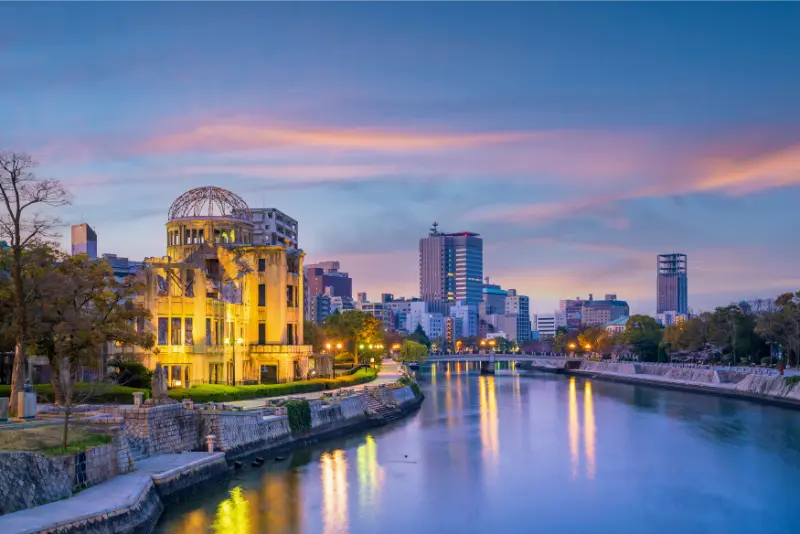
Hiroshima deserves more than a brief stop between Kyoto and Fukuoka. Its memorial sites ask for attention and respect, while the rivers, gardens, neighbourhood restaurants and nearby island of Miyajima reveal a much broader city. Four days make room for both experiences, without hurrying through the museum or treating the island as a quick photo opportunity.
If Hiroshima is one stop in a longer journey, compare it with Japan Beyond Tokyo in 10 Days: Kyoto, Nara, Hiroshima and Osaka Without Constant Packing before choosing your number of nights. Giving Miyajima a proper day and leaving time for the Peace Memorial area makes more sense than borrowing hours from both simply to fit another city into the route.
Quick trip summary
| Ideal stay | 4 days for a first trip |
|---|---|
| Best approach | Group each day by geography and keep one flexible block |
| Transport strategy | Use the fastest reliable mode for long moves, then explore locally on foot |
| Who it suits | First-time visitors, couples, solo travellers, families and slower-paced travellers |
| Most common mistake | Adding distant attractions because they look close on a map |
How to plan the trip before booking
Plan Hiroshima around two very different experiences: the memorial sites in the city and the island of Miyajima. The museum deserves time and emotional space, while Miyajima depends on ferry connections, tides and possibly a walk toward Mount Misen. Set those days first; the castle grounds, gardens and food stops fit around them.
Four days allow for a quiet hour after the Peace Memorial Museum, an unrushed island day and some ordinary city life. You may spend longer at Shukkeien than expected or decide to sit by the river rather than visit another museum. That is not lost time; it is part of seeing Hiroshima respectfully.
Where to stay: choose location before hotel style
| Base | Why choose it |
|---|---|
| Hiroshima Station | Best for rail connections, airport buses and early departures to Miyajima or other parts of western Japan. |
| Hondori / Kamiyacho | Excellent for first-time visitors who want restaurants, trams and easy access to the Peace Memorial Park. |
| Peace Park area | Quiet and convenient for memorial sites, especially if you prefer to begin early before larger groups arrive. |
| Nagarekawa / Hatchobori | Useful for evening dining and nightlife while remaining within easy tram reach of the main sights. |
A hotel with good access to the tram network keeps both the memorial district and Hiroshima Station practical. Staying very close to the station can help with an early onward train, while a central location works well for evening meals. Compare the actual stops you need, especially if you will be travelling with suitcases.
A realistic 4-day itinerary
Day 1: Peace Memorial Park and central Hiroshima
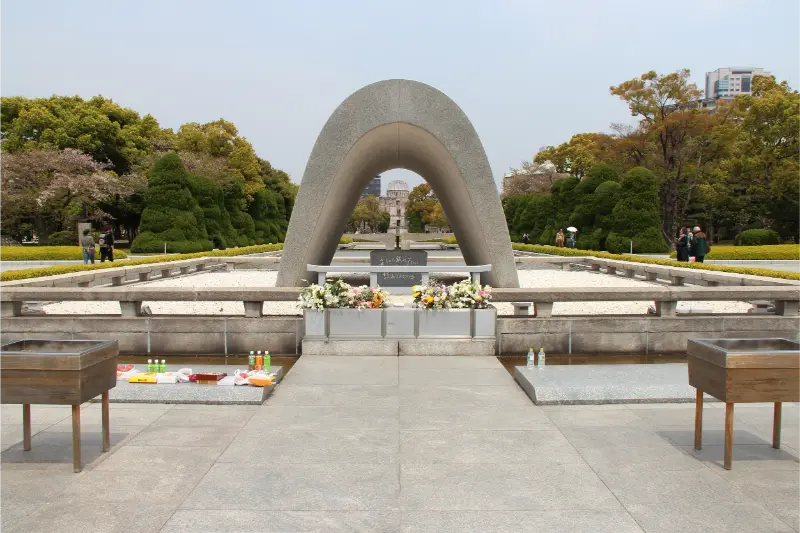
Begin early at the Peace Memorial Park and give the museum, Atomic Bomb Dome and surrounding memorials enough time. This is not a place to squeeze between lunch reservations. Afterward, walk along the rivers and move gradually toward Hondori or Shukkeien rather than immediately adding another major excursion. Keep the evening simple and choose a local okonomiyaki restaurant near your hotel.
Day 2: Miyajima as a full day, not a rushed half-day
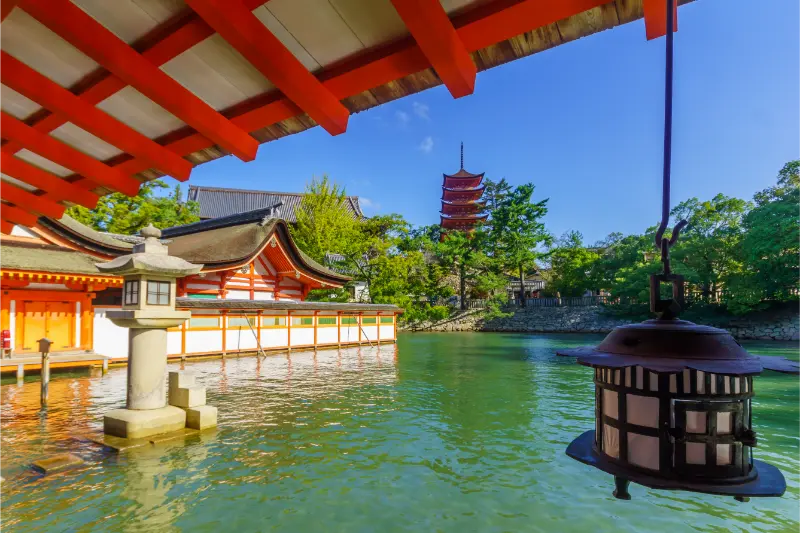
Travel to Miyajima in the morning and let tide, weather and your energy decide the order of Itsukushima Shrine, the village streets and Mount Misen. If hiking or using the ropeway, leave a margin for queues and changing conditions. Stay into the later afternoon when many day groups leave. Returning to Hiroshima after sunset is usually more rewarding than racing back for a second city attraction.
Day 3: Hiroshima Castle, Shukkeien and neighbourhood time
Use the third day for the city itself. Combine Hiroshima Castle or its surrounding park with Shukkeien Garden, then explore a shopping street, café district or riverside area at a slower pace. This is also a good day for an indoor museum if rain affects outdoor plans. Keep the evening free for local food rather than another transport-heavy excursion.
Day 4: One focused regional option or a deeper city day
Choose either a carefully selected regional trip, such as a Setouchi destination that fits train and ferry schedules, or stay in Hiroshima for markets, museums and neighbourhoods you skipped. If your next train is in the afternoon, keep the final morning within the city and leave luggage at the hotel or station rather than dragging it through sightseeing stops.
Getting from the airport or station and handling arrival day
Most international visitors arrive by Shinkansen at Hiroshima Station or via Hiroshima Airport. The airport is outside the urban core, so use the official limousine bus or another current transport option that matches your hotel location. If arriving by rail, a hotel near a tram or bus corridor can make the rest of the stay easy. Do not assume every major sight is next to the station; central Hiroshima is several tram stops away.
After a long Shinkansen journey, start with dinner or a gentle walk rather than racing straight to a fixed museum slot. If you arrive through Hiroshima Airport, allow for the additional transfer into town. Once checked in, locate your nearest useful tram stop so the following morning is uncomplicated.
Getting around without wasting the day
Hiroshima’s tram network is one of the most useful visitor systems in Japan because it connects the station, downtown, Peace Memorial area and routes toward Miyajima. Walking works well once you are inside one district. For Miyajima, compare the JR and tram-plus-ferry combinations based on your pass and starting point. A rental car is unnecessary for a first city stay unless you are continuing into rural Chugoku.
Trams are useful for much of central Hiroshima, but the route to Miyajima is a different kind of journey. Include the time to reach the ferry, board and walk around the island rather than judging the outing by one train segment. A simpler connection can be worth more than a marginal saving in travel time.
Best time to visit and how the season changes the itinerary
Spring and autumn are comfortable for walking and Miyajima, while summer is hot and humid and winter is cooler but often manageable. Cherry blossom and autumn foliage periods can be busy, especially on Miyajima. Rain can change the value of Mount Misen views, so keep the island day movable when your schedule allows.
Heat and humidity can make the Peace Memorial area and long walks on Miyajima tiring in summer; cooler months call for an extra layer near the water. Spring and autumn are popular for good reasons, but crowd levels and daylight will affect how much you can comfortably see. Keep the island day flexible when possible.
What to book first
Treat the Peace Memorial Museum and any special exhibitions as the first places to check for admission details. For Miyajima, plan around transport arrangements and the kind of visit you want, particularly if a ropeway or longer mountain walk is involved. There is little advantage in reserving every meal and leaving no time to explore.
Check the museum’s official notices, ferry and rail updates, and the opening arrangements for any site you particularly want to enter. A plan copied from an old itinerary may not reflect changes to services. Reconfirm these details near departure, especially if travelling on a holiday or planning an early start.
Food strategy: eat well without crossing the city for every meal
Hiroshima-style okonomiyaki is an obvious priority, but do not make every meal the same experience. Try oysters when in season and appropriate to your preferences, local noodles, izakaya dishes and bakeries or cafés around central neighbourhoods. Okonomimura is famous, but excellent shops exist across the city; convenience and atmosphere can matter more than chasing one address.
After a serious museum visit, a relaxed lunch may be more welcome than another ticketed activity. Hiroshima-style okonomiyaki is a good local choice, and an unhurried dinner can be saved for the evening after Miyajima. Travelling with different ages is easier when people have time to sit and talk between stops.
Travelling with children
Families can balance the emotionally demanding memorial area with riverside walks, gardens and the ferry ride to Miyajima. Explain the museum visit in an age-appropriate way and avoid adding another intense museum immediately afterward. On Miyajima, keep children away from unsecured food around deer and allow extra time for toilets, snacks and ferry queues.
Prepare children for the emotional weight of the Peace Memorial Museum and choose which exhibits are appropriate for them. Balance that visit with a riverside stroll or time in a garden. The ferry to Miyajima can provide a completely different experience, though younger children may enjoy the village more than a strenuous mountain walk.
Travelling at a slower pace or as a senior
The central city is relatively easy when you use trams for longer sections. At Miyajima, the village and shrine areas are more accessible than the full Mount Misen experience; choose the ropeway or a lower-elevation day if steep paths are not suitable. A hotel near a tram stop can remove many unnecessary steps.
Use trams for the longer stretches and reserve your walking for the memorial park, garden paths and areas you actually came to see. On Miyajima, a visit around the shrine and waterfront can be satisfying without climbing Mount Misen. Check the routes and terrain beforehand if anyone needs a gentler day.
Budget planning
A central hotel may cost more than a room farther out, but it can save repeated transfers after museum visits and dinners. Factor in the rail and ferry journeys for Miyajima rather than treating them as an incidental expense. The city itself has plenty of pleasant, inexpensive wandering between paid stops.
Keep some spending flexibility for an easy ride back after a long day, a meal when plans run late or a change caused by heavy rain. You may find that you want to stay longer at one memorial and skip a paid attraction elsewhere. A budget that allows such choices makes the trip more comfortable.
Weather backup plan
If heavy rain arrives, move a museum or indoor cultural visit to that period and save the island’s outdoor walks for a better forecast. Not every rainy day calls for a wholesale rearrangement: a short café stop can be enough if the weather is passing. Avoid committing to a long mountain route in doubtful conditions.
Connectivity, payments and small practical details
Keep your hotel address, transport route and the tickets you cannot easily replace available offline. Japan’s main stations can be busy, so a screenshot of your platform information or a written note helps when changing trains. Have a payment option beyond your phone and keep a little cash for smaller purchases.
What to pack
Take comfortable shoes for the memorial park and the village streets on Miyajima. A compact umbrella or waterproof layer is useful, and summer visitors will appreciate water and something for sun protection. If you intend to walk toward Mount Misen, dress for that route rather than assuming ordinary city footwear is enough.
Common mistakes to avoid
- Visiting the Peace Memorial Museum on a stopwatch because another attraction is booked immediately after it.
- Treating Miyajima as a two-hour photo stop instead of allowing for ferry time, tides and crowds.
- Staying near Hiroshima Station but assuming the entire city centre is directly walkable from the hotel.
- Planning Mount Misen on a poor-visibility day when the island itinerary could be swapped.
- Eating every meal in one tourist complex instead of exploring Hiroshima’s broader food scene.
Responsible travel and local etiquette
The Peace Memorial Park is a place of remembrance, not simply a photo stop. Keep conversations and photography considerate, especially near memorials and people paying their respects. On Miyajima, follow shrine guidance, leave wildlife alone and remember that the busy visitor streets are also part of a living community.
In natural settings, stay within marked routes and respect closures even when another visitor appears to ignore them. Access rules often protect both visitors and the place itself.
If you have less or more time
With two days, dedicate one to central Hiroshima and one to Miyajima. Three days adds gardens, castle grounds and neighbourhood time. With five or six days, add a Setouchi or Chugoku excursion while preserving at least two full days in Hiroshima itself.
Safety and decision-making on the day
Pay attention to traffic when crossing tram routes and keep belongings close in busy stations and ferry queues. If you are unwell or tired after a demanding day, adjust the plan instead of pushing on. Hotel staff and official transport notices are good sources when services are disrupted.
On the Miyajima day, settle on a sensible time to head back, particularly if you are considering a longer walk or have onward travel. Ferry and train connections are easier to manage when you leave a margin. Missing one extra viewpoint is much less important than returning safely and without a last-minute rush.
Useful official and planning resources
Opening hours, fees, transport schedules and access rules change more often than the basic geography. Recheck the official source shortly before departure.
Final planning checklist
- Confirm passport, visa, transit and health requirements for your nationality.
- Reserve the attraction, tour or transport that controls the rest of the itinerary.
- Save your accommodation address and first-day route offline.
- Recheck weather, closures and transport notices before each critical day.
- Keep at least one half-day that can absorb a delay or become simple rest.
- Leave a generous buffer before flights and other costly connections.
Hiroshima stays with visitors for different reasons: the time spent reflecting at the memorials, the view across the water on the way to Miyajima or a lively evening over okonomiyaki. Leave space for each kind of experience. Four days are most worthwhile when you can give the difficult history the attention it deserves and also see the life of the city today.
Leave a Reply