If this stop is part of a wider journey, use China in 10 Days: Beijing, Xi’an and Shanghai by High-Speed Rail for the broader planning decisions and this guide for the destination-level details.
Quick trip summary
- Ideal stay: 5 days for a first visit.
- Best approach: one major experience per half-day, with at least one flexible block for weather, fatigue or transport changes.
- Good for: first-time visitors, couples, families, senior travellers and independent travellers who prefer a realistic pace.
- Main planning risk: treating map distance as if transfers, queues, terrain, heat and meals took no time.
Is this the right trip for you?
Guilin is less a single-city sightseeing break than a gateway to one of China’s most distinctive landscapes. Karst peaks rise directly around the urban area, the Li River leads south toward Yangshuo, and the Longji rice terraces add a very different mountain environment north of the city. Five days is a strong first visit because it lets you keep one city day, one river day, time in Yangshuo and a separate terrace excursion instead of treating every attraction as a bus transfer.
This destination suits travellers who prefer a mix of major sights and time to understand how the place works between them. The itinerary is intentionally paced around one main experience per half-day. That approach leaves room for meals, transport, weather changes and discoveries that are impossible to schedule in advance.
Where to stay
| Area | Why choose it |
|---|---|
| Central Guilin / Two Rivers and Four Lakes | Convenient for the city’s evening scenery, restaurants and short taxi rides to central sights. |
| Near Guilin railway stations | Practical for travellers using several trains, but choose the exact station carefully because Guilin has more than one major rail stop. |
| Yangshuo town | Best if you want two nights among the karst scenery and easier access to countryside cycling, river activities and evening streets. |
| Yulong River countryside | Quieter and more scenic than central Yangshuo, ideal for travellers who value landscape over nightlife and can manage local transfers. |
Choose accommodation by the journeys you will repeat, not by a small difference in nightly price. Check the first morning route, likely dinner area and departure point for any fixed excursion. Recent reviews about noise, air-conditioning, heating, lift access and luggage handling are often more useful than generic star ratings.
Before booking, zoom in on the exact entrance and surrounding streets. A property that looks central can still involve steep steps, a busy highway, a long beach access path or a difficult old-town lane. Practical access matters more than a few hundred metres on a map.
How to get there
Guilin Liangjiang International Airport serves the region, while high-speed rail connects Guilin with major Chinese cities. Check which Guilin station your train uses before booking the hotel or transfer. For a wider China itinerary, rail is often the most efficient option, but flight schedules may make more sense from distant regions.
Save the accommodation name and address offline before travelling. Keep arrival day low-risk: avoid a non-refundable attraction immediately after a flight or long transfer, and leave extra time for baggage, immigration, traffic and finding the correct pickup point.
Getting around
Taxis, ride-hailing and buses handle Guilin city, while Yangshuo and Longji require separate transport planning. The classic Li River cruise is a sightseeing transfer as much as an attraction, but luggage rules and arrival logistics should be checked before treating it as a hotel-to-hotel move. Countryside cycling or e-bikes can work around Yangshuo for confident riders, while families may prefer a driver.
Compare journeys door to door rather than only looking at distance. Waiting time, stairs, traffic, the final walk and the number of transfers can matter more than the nominally fastest route, especially for families, senior travellers or anyone carrying luggage.
A realistic itinerary
The schedule below is a framework rather than a rigid timetable. Recheck opening days, weather and local transport shortly before each block. If one major experience is closed or conditions are poor, move the entire block instead of forcing the rest of the trip to become inefficient.
Day 1 – Guilin city and lakes
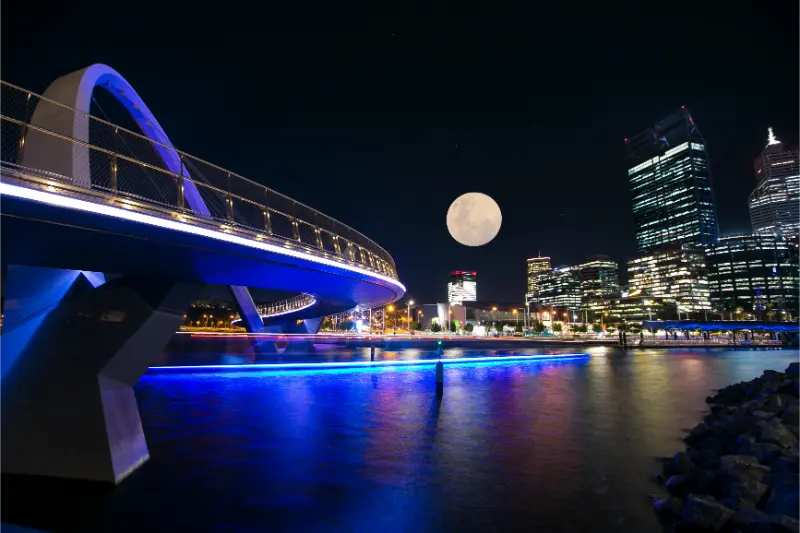
Begin with a relaxed city day: Elephant Trunk Hill area, riverside walking and the Two Rivers and Four Lakes zone. Add Reed Flute Cave if caves interest you, but do not stack every famous city attraction into one afternoon. The illuminated lakes and bridges are best appreciated after dark, so leave energy for an evening walk.
Day 2 – Li River to Yangshuo
Make the Li River the centrepiece of the day. A cruise from the Guilin area toward Yangshuo reveals the classic karst scenery without constant road stops. Once in Yangshuo, check into your accommodation, walk the town or riverside and keep the evening simple. Weather and visibility can change the experience dramatically, so avoid building the entire trip around one exact photograph.
Day 3 – Yulong River and countryside
Use the day for the quieter landscapes around the Yulong River. Choose a combination of walking, cycling, bamboo-raft sections where operating and village stops rather than chasing every viewpoint. Heat and humidity can be significant, so an early start and long lunch break improve the day.
Day 4 – Longji Rice Terraces
Treat Longji as a full excursion. The road journey, village access and walking take time, and terrace conditions vary by season. Choose one main village area rather than trying to cover multiple terrace systems. Good footwear matters because steps can be steep, wet and uneven.
Day 5 – Return to Guilin or keep a flexible Yangshuo day
Use the final day as a buffer. Stay around Yangshuo for another countryside block if weather was poor earlier, or return to Guilin for a museum, park and an easier departure. This flexibility is more valuable than pre-booking a fifth major excursion.
Keep enough margin for meals, transport and an unscheduled stop. If this block runs long, remove the lowest-priority extra rather than turning the rest of the day into a race.
How many days do you really need?
If you have one day less, remove the most optional excursion and protect the core city or island experience. If you have one extra day, add a slower neighbourhood, nature block or rest day rather than stretching every sightseeing day until evening. The aim is to finish the trip with energy, not with a list of technically completed attractions.
5 days is a strong first-trip length because it leaves enough time for the essential sights and at least one slower or weather-flexible block. Travellers on a longer regional route can shorten the stay, but the cut should come from an excursion rather than compressing the core experience.
Best time to visit
Spring and autumn are popular for milder temperatures, but rain and mist are part of the landscape and can affect visibility. Summer is hot, humid and busy, while winter is quieter but cooler and sometimes grey. The rice terraces look different by planting, green-growth and harvest season, so choose dates according to the landscape you want rather than assuming one month is always best.

Do not choose dates from average temperature alone. Check daylight, rainfall, local holidays, school breaks and the seasonal schedule of the one experience that matters most to you. Shoulder season is excellent only when the things you actually want to do are operating.
What deserves advance booking?
Li River cruises, good Yangshuo hotels and Longji transport are the main items to arrange ahead during busy periods. High-speed train tickets also matter on national holidays. Avoid locking every countryside activity weeks in advance because weather can make a flexible day much more valuable.
Build the trip around the reservations that genuinely control the day, then keep the rest flexible. A fully prepaid itinerary can become a problem when weather, traffic or fatigue changes the order of the trip.
Food and drink
Guilin rice noodles are the obvious local staple, while Yangshuo has its own tourist-focused restaurant scene and countryside dishes. Try local specialities in busy places and carry a translation app for menus. If you have allergies or strict dietary needs, prepare written Chinese explanations rather than relying only on spoken English.
Use meals as part of the itinerary rather than something squeezed between attractions. A long lunch can be the right strategy in hot weather, while an early dinner can protect an evening walk or performance. For allergies or strict diets, prepare a clear written explanation in the local language when useful.
Families, senior travellers and mixed-age groups
Families can enjoy the cruise and the visual landscape, but Longji’s steps and long road transfer may be tiring for small children. Senior travellers should be selective about terrace walking and choose accommodation with easy vehicle access in Yangshuo rather than a scenic property reached only by steep lanes.
For mixed-age groups, plan around the slowest realistic pace. One major experience in the morning and one flexible block later usually works better than several timed entries. Build in seating, toilets and food stops before they become urgent.
Accessibility
Accessibility varies widely between modern districts and historic or natural sites. Confirm step-free entrances, lift operation, accessible toilets and vehicle drop-off points directly when they are essential. A route described as accessible may still contain cobbles, steep gradients, sand, uneven paths or long distances between seats.
Budget: where to spend and where to save
The city itself can be moderate, while cruises, private transfers and scenic-area tickets increase costs. Decide which landscape experiences matter most and spend there. A private driver may be better value for a family than several separate tickets and complicated transfers.
Compare the total cost of a day, not only individual ticket prices. A hotel that removes repeated transfers, a driver that replaces three difficult connections or a flexible ticket that protects a weather-dependent plan may be better value than the cheapest option on paper.
Safety and practical awareness
The main practical risks are heat, wet stone, traffic and overambitious outdoor schedules. Follow local rules for river activities, wear proper footwear at the terraces and keep offline copies of hotel names in Chinese. Check current entry, payment and connectivity requirements before travelling in mainland China.
Keep digital and offline copies of important booking details, use official or reputable transport and avoid carrying every card and document in one place. Before travel, check current government entry requirements and local official guidance because visa, health, transport and security conditions can change.
One day trip or regional extension
Longji is already the major day trip in this itinerary. If you stay longer, consider a slower countryside day around Xingping rather than another distant transfer. The best extension is usually more time in the karst landscape, not a collection of unrelated scenic parks.
A day trip should add a different experience, not duplicate something already scheduled later in the journey. Measure it from hotel door to first attraction and back again, including waiting time, so a destination described as nearby does not quietly become a full transport day.
How to handle bad weather or extreme heat
Build one movable indoor or low-risk block into the itinerary. In hot climates, move the longest walk to the morning and protect the middle of the day; in wet or cool places, keep a museum, market or long lunch available. Weather flexibility is especially important for boats, mountain roads and viewpoints.
Solo travel
Solo travellers can simplify the trip by choosing a central base, sharing selected guided experiences and avoiding isolated late-night transfers. Keep a charged phone and offline address details, and let accommodation staff know about any remote hike, boat trip or long excursion where practical.
Evenings and nightlife
Do not treat every evening as another sightseeing shift. One planned dinner, live performance, waterfront walk or neighbourhood café is usually enough. Keeping some evenings light also protects early starts and gives the trip a rhythm that feels like travel rather than a work schedule.
Photography without turning the trip into a photo shoot
Early morning and late afternoon usually bring softer light and fewer people, but the best photographs often come from staying long enough to understand how a place is used. Ask before photographing people closely, respect restrictions in religious or museum spaces and avoid blocking narrow streets, trails or working areas for staged images.
Shopping and souvenirs
Buy souvenirs that connect to the destination rather than generic travel merchandise. Markets, museum shops and specialist craft stores are usually better places to understand provenance. Check customs rules before carrying food, plants, animal products, antiques or large quantities of liquids across borders.
What to pack
Comfortable footwear is the first priority. Add sun protection, a light rain layer and one modest outfit suitable for religious or formal cultural sites. Pack for the transport and terrain you will actually use: a small day bag is more useful than dragging the contents of a suitcase through historic streets, beaches or trails.
Common planning mistakes
The biggest mistake is trying to convert a map into a timetable. Opening hours, heat, traffic, queues, meal times and the simple need to stop for a while all change the realistic pace. A second mistake is choosing accommodation for a low headline price while ignoring the transport cost and time it creates every day.
Leave one low-priority block that can disappear without damaging the trip. That single piece of slack protects the experiences you travelled for when a flight is late, rain arrives, a museum closes unexpectedly or you simply need a slower morning.
Practical habits that make the trip easier
- Save offline maps and the exact names of stations, terminals, hotel entrances and meeting points.
- Carry a small amount of local cash even when cards are widely accepted.
- Check the last practical return option before starting a day trip.
- Download tickets and booking confirmations before leaving reliable Wi-Fi.
- Separate one payment card from your main wallet and keep backup contact details offline.
- Recheck weather, transport notices and opening hours on the morning of any fixed excursion.
Official information to check before you go
Opening days, transport, weather-sensitive access and event schedules can change. Recheck the details that control fixed reservations shortly before travel, especially during public holidays, major festivals or severe weather.
Final planning checklist
- Confirm passport, visa, entry and transit requirements for your nationality.
- Choose accommodation by the journeys you will repeat, not by price alone.
- Reserve only the attractions or excursions that genuinely control the day.
- Save offline copies of tickets, hotel details, insurance information and essential addresses.
- Check the exact airport, station, bus terminal, ferry pier or pickup point before arranging transfers.
- Keep one flexible half-day for weather, fatigue or something discovered after arrival.
- Recheck official opening information and local transport shortly before each fixed day.
Final thoughts
A good stay is not the itinerary with the highest number of pins. It is the one that protects the experiences you care about, leaves enough energy to notice the destination between them and can absorb a delayed arrival, hot afternoon or change of weather without collapsing. Use this plan as a structure, then let local conditions and your own pace decide the final order.