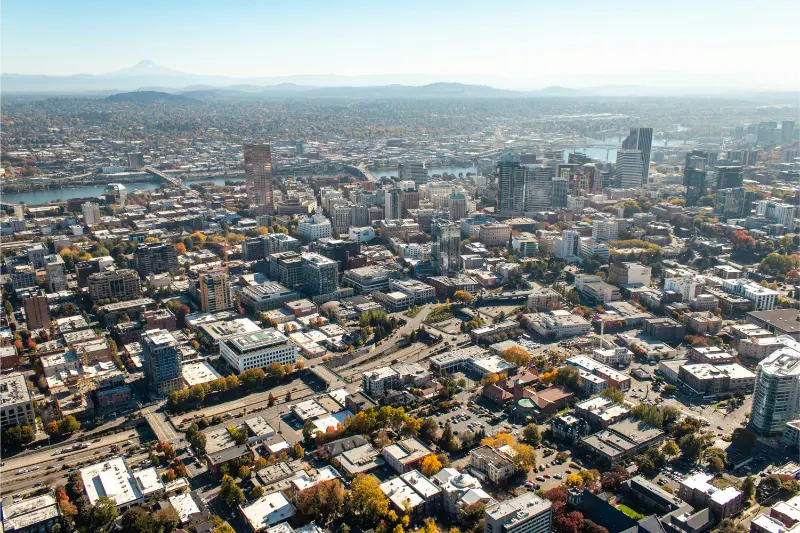
Portland deserves enough time to feel like a destination rather than a box between two more famous places. Portland is most enjoyable when the trip is built around neighbourhoods rather than a checklist of scattered attractions. The city’s food culture, parks, independent shops, river crossings and east-side districts reward slow movement. Four days are enough for a strong first visit if you avoid turning the city break into four separate road trips through Oregon.
If this stop is part of a wider trip, compare the pacing with Columbia River Gorge in 5 Days: Waterfalls, Hood River and Scenic Drives Without Parking Stress. The broader itinerary helps with regional logistics; this guide focuses on what matters once you actually stay in Portland.
Quick trip summary
- Ideal stay: 4 days for a first visit.
- Best planning rule: group each day geographically and protect one flexible half-day.
- Best for: first-time visitors, couples, solo travellers, families, older travellers and mixed-age groups.
- Main risk: adding distant excursions until the city itself becomes the least-seen part of the trip.
Why 4 days works
Portland has enough range to reward several days, but it does not need an exhausting schedule. The key is to separate the large, time-consuming experiences from neighbourhood time. A good first visit should include headline sights, one or two deeper cultural blocks, ordinary meals and enough unstructured walking to understand how the city fits together.
The itinerary below deliberately avoids putting a major attraction in every available slot. Queues, transit, weather, meal breaks and simple fatigue are part of travel. A plan that looks slightly under-filled at home often feels exactly right on the ground.
Where to stay in Portland
| Area | Who it suits |
|---|---|
| Downtown / West End | Best for first-time visitors who want central transit, easy access to the river and a short trip to Washington Park. |
| Pearl District / Northwest | Good for restaurants, galleries, walkability and quick access to Northwest 23rd and Forest Park approaches. |
| Inner Eastside | Best for travellers who care most about food, breweries, neighbourhood streets and a more local evening atmosphere. |
For a first visit, choose the district that shortens your most frequent journeys. A larger or cheaper room far from the places you care about can be a false saving once repeated transfers are included. Open the route from the hotel to your first morning stop, likely dinner area and departure station before booking.

If noise matters, do not assume “central” means one thing. A room facing nightlife can feel completely different from a hotel two blocks away. Families and older travellers should also check lifts, steps, station exits and the final walk from public transport rather than relying only on the property’s distance from the centre.
Getting there and getting around
Portland can be visited without renting a car. MAX light rail, buses, streetcars, walking and cycling cover most city priorities, and the airport is linked to the urban transit network. Travel Portland specifically recommends public transport and notes that a rental car is not necessary for a typical city visit. If you add the Columbia River Gorge, treat that as a separate transport decision rather than keeping a car for all four days.
Plan journeys door to door. Add the walk to the station, waiting, platform changes and the final connection. The most efficient itinerary usually has fewer transfers, not the highest number of attractions.
Portland day-by-day itinerary
Day 1: downtown, the river and the Pearl District
Begin with a simple orientation walk through downtown and toward the river, then continue into the Pearl District. Bookshops, cafés and galleries work well on arrival day because they are easy to shorten if the flight runs late. Finish with dinner nearby instead of crossing the city simply because one restaurant is famous online.
Day 2: Washington Park and Northwest Portland
Use the clearest part of the day for Washington Park. Choose the Japanese Garden, the International Rose Test Garden or another major stop rather than attempting every attraction in the park. Continue into Northwest Portland for an easier afternoon and evening. The point is to let one green district fill the day naturally.
Day 3: east-side neighbourhoods and food
Explore one or two east-side corridors such as Alberta, Mississippi, Hawthorne or Division rather than all of them. Food carts, independent shops and residential streets are part of the experience. If the weather is good, include a river crossing or waterfront section so the day is not only eating and shopping.
Day 4: Forest Park or a carefully chosen Gorge extension
Keep the final day flexible. Forest Park offers a nature day without leaving the metropolitan area. If the Columbia River Gorge is a priority, use the linked regional guide and check current permits, closures and transport before committing. Do not attempt a full Gorge road trip and a complete Portland sightseeing day at the same time.

How to plan the pace
A useful four-day city break has one clear priority per half-day, not a reservation every ninety minutes. Start with the experience that would be hardest to move, then add nearby streets, food and smaller sights around it. The result may look less ambitious on paper, but it survives delays, weather and fatigue far better than an itinerary that depends on perfect timing.
Count transport door to door. A twenty-minute metro ride can become forty minutes after the walk to the station, waiting, transfers and the final walk. The same rule applies to airports, ferries and day trips. If a journey requires luggage, check-in or border procedures, treat it as a real travel block rather than invisible time.
What to book in advance
Reserve popular gardens, special exhibitions or a restaurant you genuinely care about, but keep most food and neighbourhood time flexible. If you plan the Columbia River Gorge, check permit and parking rules for your exact date because access systems can change by season and year.
Before buying a city pass, list the attractions you would genuinely enter and the transport you would genuinely use. Passes are valuable only when they match the itinerary. Check current inclusions on the official website, because an old blog comparison can become inaccurate after one museum or transport rule changes.
Food and drink
Portland’s food reputation is broad enough that a rigid restaurant list is unnecessary. Build meals around food-cart pods, bakeries, coffee, seasonal produce and one or two neighbourhood restaurants. The most efficient strategy is geographic: eat where you already are, then reserve only one dinner that is important enough to justify crossing town.
Build meals into the geography of the day. One destination restaurant is reasonable; three long cross-city food journeys are usually not. Families and mixed-age groups should carry water and a small snack so a delayed lunch does not force everyone into the first convenient option. Travellers with allergies or dietary restrictions should prepare translated wording before arrival where useful.
Best time to visit Portland
Late spring through early autumn usually gives the easiest outdoor conditions, but summer heat and wildfire smoke can affect plans. Winter is wetter and darker yet works well for food, museums and neighbourhood cafés. Always check air quality and fire conditions before hiking or driving east in late summer and early autumn.
There is no single best month for every traveller. The right period depends on whether your priorities are long outdoor days, festivals, museums, food, lower prices or specific seasonal landscapes. Check public holidays and major local events because one weekend can behave very differently from the week before it.

Families, older travellers and accessibility
The same geography that makes an itinerary efficient also makes it friendlier for children and older travellers. Put the main attraction in the first half of the day, eat before everyone becomes tired and keep the late afternoon optional. A midday break is not wasted time if it protects the evening.
Accessibility must be checked attraction by attraction. Historic paving, stairs, steep streets, long station corridors, crowded entrances and older buildings can matter more than a distance shown on a map. If step-free access, wheelchair space, hearing support or a particular lift is essential, use the venue’s current accessibility information and contact the operator directly when necessary.
A realistic budget
Accommodation location is usually the most important budget decision after flights. A cheaper room that adds two long transfers every day can cost more in transport and usable holiday time than a better-located hotel. Budget for local transport, one or two paid priorities each day, food and a contingency margin rather than trying to predict every coffee.
Keep a small daily buffer for normal travel friction: lockers, local taxes, luggage storage, an occasional taxi, replacement transit tickets, extra drinks or an indoor stop during bad weather. These costs are ordinary. They become stressful only when the trip has been planned with no margin.
Weather backup plan
Keep at least one indoor-heavy half-day movable. Museums, markets, cafés, galleries and long lunches are part of a resilient itinerary, not consolation prizes. Use the clearest forecast for viewpoints, parks, coastlines or exposed walks and move indoor culture to the weaker weather rather than forcing the original order.
For any waterfront, mountain, long outdoor day or excursion, check conditions again on the morning itself. Visibility, heat, wind and transport can change quickly. A strong backup plan is often more valuable than squeezing one extra attraction into the schedule.
Common mistakes to avoid
- Renting a car for the whole stay without a specific need.
- Trying to visit six neighbourhoods in one afternoon.
- Treating the Columbia River Gorge as a quick add-on with no permit or parking check.
- Crossing town repeatedly for restaurants instead of eating by neighbourhood.
- Ignoring heat, wildfire smoke or heavy rain when planning outdoor days.
Most itinerary problems come from the same source: trying to maximise quantity instead of usable travel time. The best version of Portland is not the plan with the most map pins. It is the one that keeps distances sensible, gives major places enough attention and leaves enough energy to enjoy the city after dinner.

Safety and practical habits
Use normal urban precautions on transit and in busy nightlife areas, and do not leave visible luggage or valuables in a parked vehicle if you rent one for an excursion. Trail and weather conditions matter on outdoor days, so carry water, layers and offline directions when leaving the central grid.
Save essential addresses and tickets offline, keep a charging option for the phone and store a backup payment method separately from the main wallet. Entry rules, health guidance, local regulations and transport procedures can change, so check official government information for your nationality before departure when those details affect the trip.
Official information to check before you go
For current events, transport changes, attraction information and visitor updates, use Travel Portland. Recheck any detail that affects a fixed reservation shortly before travel, especially opening days, seasonal access, tickets and major transport changes.
How to adapt the itinerary
With 2 or 3 days: keep the historic or central day, one specialist district and one outdoor or cultural priority. Remove the longest excursion rather than compressing every day.
With 5 or 6 days: add a genuinely different neighbourhood, a slower museum day or one regional excursion. More time should make the trip calmer, not simply increase the number of check-outs and transfers.
For a multigenerational group: agree on one shared priority each day and allow people to split for specialist interests. It is often better for one person to visit a niche museum while another rests than for the whole group to become tired together.
Final planning checklist
- Confirm passport, visa, entry and transit requirements for your nationality.
- Choose accommodation for location and transport convenience before room size.
- Reserve only the attractions or events that genuinely control the day.
- Save offline copies of tickets, hotel details and essential addresses.
- Check the exact airport, railway station, ferry terminal or border crossing before arranging transfers.
- Keep one flexible half-day for weather, fatigue or something discovered after arrival.
- Recheck official opening information and local transport shortly before each fixed day.
Final thoughts
Portland becomes much more rewarding when the itinerary has enough structure to remove friction but not so much structure that every delay feels like failure. Four days give a first-time visitor room for the essential places, food, neighbourhoods and one or two deeper experiences without racing across the destination. Keep the geography sensible, protect the experiences that matter most and let the rest of the trip breathe.