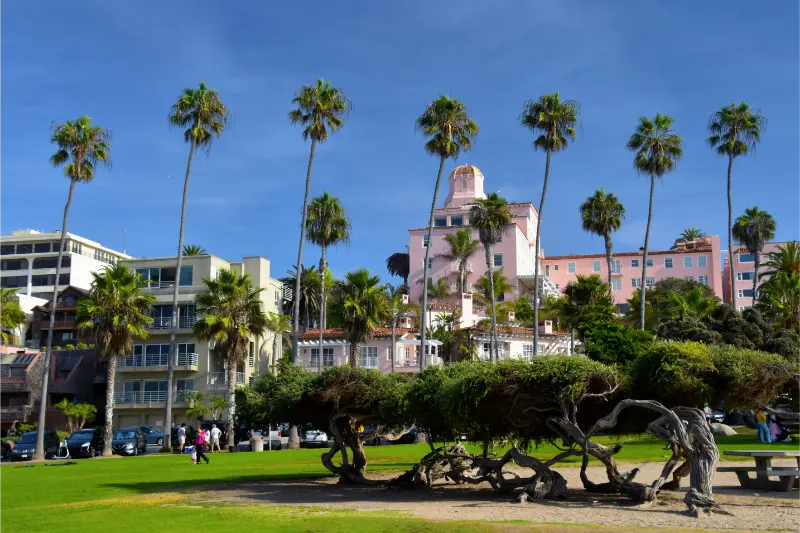
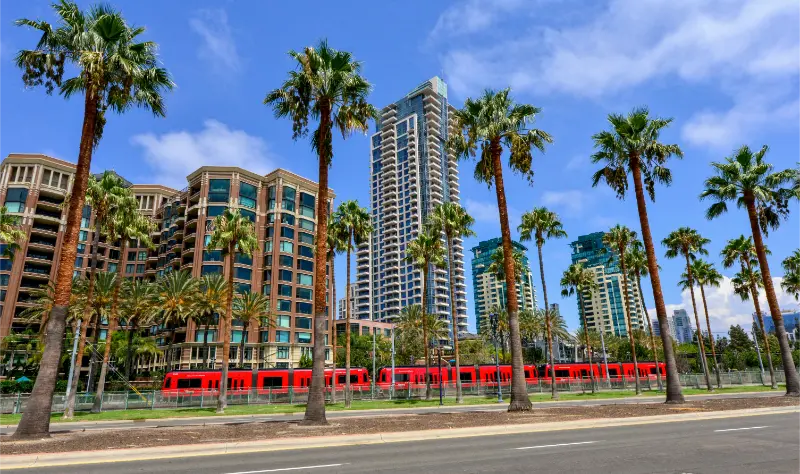
Southern California looks compact on a map, but traffic and climate make it a region where overplanning quickly destroys the trip. San Diego, Joshua Tree and Palm Springs already create three very different chapters: Pacific coast, high desert and mid-century resort city. Los Angeles is deliberately left for another trip so the itinerary never becomes a freeway exercise.
This itinerary is designed for travellers who want useful decisions rather than a checklist. The route deliberately limits hotel changes, keeps the longest transfers separate from the hardest activity days and leaves room for weather, transport delays and ordinary travel fatigue.
The day-by-day order is a framework, not a rule. Outdoor and marine days should move when conditions are poor, while museums, neighbourhoods and food-focused blocks make reliable alternatives.
Quick trip summary
- San Diego is the first base and the route uses only 3 main travel blocks.
- Keep at least one weather- or transport-flexible day.
- Book only the genuinely capacity-limited experiences early.
- Avoid adding another distant destination simply because it fits on a map.
- Protect the final airport or ferry connection with extra margin.
Why this route works
The route works because each base has a distinct purpose. You are not moving hotels merely to save a few kilometres; every relocation changes the type of experience and earns the packing time.
It also avoids the common mistake of attaching a famous but distant place to an already full itinerary. On a short trip, removing one destination often improves every remaining day.
A realistic itinerary at a glance
| Days | Base | Main focus |
|---|---|---|
| 1–4 | San Diego | Balboa Park, coast, neighbourhoods and food |
| 5–6 | Joshua Tree area | Desert landscapes, short hikes and night sky |
| 7–8 | Palm Springs | Architecture, canyon/desert day and recovery |
| 9 | Departure | Palm Springs or San Diego onward |
Day-by-day plan
Day 1: Arrival and orientation
Arrive in San Diego and keep the first evening around the waterfront or your neighbourhood.
Day 2: Main experience
Use Balboa Park as the anchor, choosing one or two museums rather than trying to complete the entire park.

Day 3: Second focused day
Spend a coast day around La Jolla, Torrey Pines or another single shoreline area instead of zigzagging between beaches.
Day 4: Flexible day
Keep a flexible San Diego day for Coronado, Cabrillo, another neighbourhood or a slower food day.
Day 5: Transfer day
Drive to Joshua Tree after the worst commuter period and use sunset or one short loop only.
Day 6: Full destination day
Start Joshua Tree early, combine a few classic short trails and viewpoints, and take a long midday break in hot weather.
Day 7: Flexible or recovery day
Move to Palm Springs slowly and use the afternoon for architecture, pool time or downtown.
Day 8: Departure planning
Choose the aerial tramway, Indian Canyons, architecture or a spa according to weather and mobility.
Day 9: Departure
Depart from the airport that truly simplifies the route rather than saving a small fare and adding a dawn freeway crossing.
Where to stay and how many hotel changes to make
In San Diego, pick the neighbourhood for the evenings you want. Near Joshua Tree, choose the town by park entrance and dinner availability. In Palm Springs, central lodging makes the final days easier and more walkable.
Choose accommodation for geography before decoration. A well-positioned room can save an hour every day and often matters more than a small difference in nightly rate.
Read recent guest reviews for practical details that hotel pages rarely emphasise: stairs, parking, road noise, breakfast hours, room temperature and the real walk from a station, ferry terminal or car park.
Transport: what is worth planning in advance
Measure every move door to door rather than by the headline journey time. Luggage, waiting, parking, ferry check-in and the final transfer can turn a short trip into half a day.

Save tickets, hotel addresses and maps offline. The places where navigation matters most are often exactly where mobile coverage becomes unreliable.
Food and daily rhythm
Use San Diego for tacos, seafood and the widest restaurant choice. Desert meals can be simpler and earlier, with hydration and heat management taking priority after hikes.
Use meals to shape the rhythm of the day. A long regional lunch can be both an experience and a recovery period after hiking, museums, heat or an early start.
Do not make every meal another reservation. Mix destination restaurants with markets, bakeries, cafés and simple local places so food improves the trip instead of controlling it.
Families, children and older travellers
Families can mix beaches, museums and short desert trails. Older travellers can enjoy Joshua Tree mostly through scenic drives and short walks, then use Palm Springs as a lower-effort finish.
For multigenerational travel, the right pace is the one at which the least mobile member still enjoys the day. That usually creates a better shared trip for everyone.
When accessibility matters, ask precise questions about steps, trail surfaces, boat boarding, lifts, toilets and vehicle access rather than relying on a generic accessibility label.
Budget: where the money really goes
The largest costs are usually accommodation, intercity transport and one or two signature experiences. Spend where logistics improve; save on ordinary meals and attractions that do not matter to you.
Compare total trip cost rather than headline prices. Parking, transfers, fuel, luggage and guided excursions can erase an apparent saving.
The best splurges usually remove friction: a central room, a direct transfer, a quality local guide or one extra night that prevents an exhausting move.
Best time to go
Spring and autumn are easiest for combining coast and desert. Summer can be pleasant on the coast but dangerously hot in Joshua Tree; winter is often comfortable inland with cold desert nights.
Shoulder season often balances weather, crowds and prices well, but rural attractions and mountain or marine services may run less frequently.

Weather should change the order of the day. Keep lower-effort alternatives so wind, rain, heat or snow do not force you to waste the trip.
Comfort, accessibility and realistic pacing
This route assumes one main experience per day, one secondary activity and enough open time to recover. Travellers who prefer a slower pace can remove the secondary activity without damaging the itinerary.
Travel fatigue compounds. One difficult transfer can weaken the following two days, which is why this itinerary avoids one-night bases unless geography genuinely requires them.
A free half-day is not wasted time. It is insurance for weather, delays, a tired child or a place you discover only after arriving.
Small decisions that improve the trip
Use the bases as anchors
Once you check in, explore that region rather than repeatedly crossing back through places you already saw. A base should simplify the next two or three days.
Protect the hardest day
Do not place the longest hike, boat trip or road excursion immediately before the longest transfer. Leaving one easier block on either side makes the whole trip more resilient.
Book the scarce things first
High-demand accommodation, ferries, cave tours, park access and limited-capacity guides deserve early attention. Ordinary meals and minor attractions usually do not.
What I would leave out on this length of trip
Leave Los Angeles, Santa Barbara and the Pacific Coast Highway for another trip. Adding them to nine days would replace experience with traffic.
If you have extra time, add nights before adding destinations. One additional night in the most interesting base usually produces more value than another one-night stop.
Mistakes that make this trip harder than it needs to be
- Crossing the metro area repeatedly at rush hour.
- Visiting Joshua Tree only at hot midday.
- Carrying too little water.
- Adding Los Angeles because it looks close.
- Booking rigid dinner times after outdoor days.
- Choosing a departure airport that creates a huge final drive.
How I would adapt the itinerary
With two or three fewer days, remove the most distant secondary base rather than shortening every stop. With two or three extra days, extend the strongest base and add one carefully chosen excursion.
For families or travellers who prefer a gentler pace, keep mornings active and afternoons open. For more energetic travellers, flexible days can absorb a longer hike, another museum or an additional boat trip.
Before booking
- Check current entry, park, ferry or road requirements.
- Reserve the accommodation or transport segment with the least capacity first.
- Verify the final airport or ferry connection before booking the last hotel.
- Download offline maps and save confirmations.
- Keep travel insurance appropriate to the activities and season.
Practical questions
Is this itinerary too fast?
For most first-time visitors it is moderate because hotel changes are limited. Remove one optional excursion if you want a genuinely slow holiday.
Should I rent a car?
Delay the rental car if your San Diego hotel and first days are easy without it. Once you move inland, a car becomes essential. Joshua Tree has limited services inside the park, so fuel, water and offline navigation should be handled before entry.
What should I book first?
Start with the hardest-to-replace item: peak-season hotel, inter-island ferry, limited park access, domestic flight or specialist guide. Everything else can be arranged around it.
Final thoughts
The strongest version of this trip is not the one that includes the most names. It is the one where each base feels different, travel days remain manageable and the final days still have enough energy for spontaneous discoveries.
Use this route as a decision framework: keep the core, remove anything that creates disproportionate travel and leave at least one block flexible enough to absorb the reality of the destination.
How to keep the itinerary resilient
Recheck weather and transport every evening, especially before ferries, remote roads, desert days, high-country hikes or domestic flights.
If something moves, protect the final connection and the experiences you care about most. Optional attractions are easier to sacrifice than sleep, safety or an expensive ticket home.