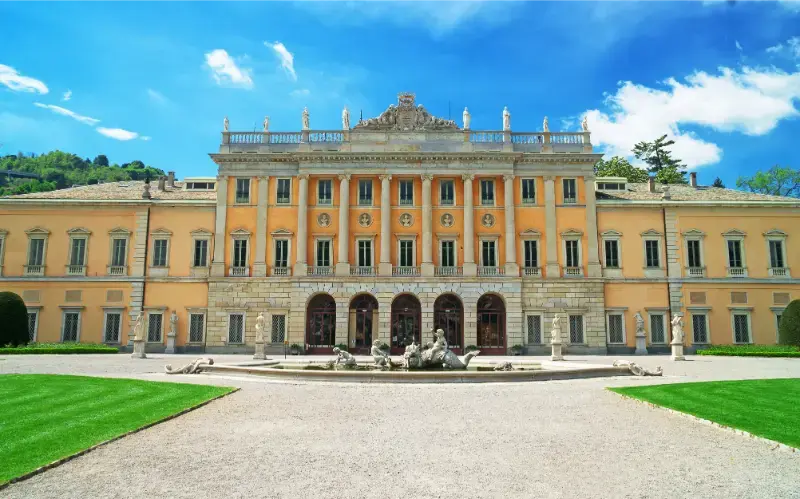
In Vienna, the grand buildings are only part of the pleasure. A morning among the Ringstrasse’s museums feels very different from an afternoon in Neubau or an evening at a concert. Four days let you enjoy both sides of the city: choose a few imperial sights that really interest you, then leave time for cafés, parks and the neighbourhoods in between.
If this destination is part of a longer journey, compare the pacing with Austria in 8 Days by Train: Vienna, Salzburg and the Salzkammergut Without a Rental Car. The useful question is not how many famous names fit on the map, but how much usable holiday time remains after transfers, check-in, meals, weather and rest.
Quick trip summary
- Recommended time: 4 days.
- Best planning principle: group each day by geography and protect only the reservations that control access.
- Best for: independent travellers, couples, families and slower-paced visitors who prefer a realistic rhythm.
- Keep flexible: at least one half-day or one major activity that can move with weather, traffic or energy.
- Book first: the accommodation location, scarce transport and any permit, timed entry or signature experience that shapes the rest of the trip.
Is Vienna the right trip for you?
Vienna suits travellers who enjoy art, architecture, classical music, cafés and orderly public transport, but it also works for families because parks, the Prater and interactive museums break up formal sightseeing. Older travellers can control the pace well with trams and U-Bahn. The key is accepting that you do not need to enter every famous building to understand the city.
Vienna rewards visitors who enjoy a little structure but dislike being hurried. If the Hofburg, the Kunsthistorisches Museum or a concert is high on your list, give it proper time rather than squeezing it between several palaces. You can still see a great deal in four days by exploring the nearby streets and cafés between major sights.
Where to stay: choose location before hotel style
| Base | Why choose it |
|---|---|
| Innere Stadt edge | Best for a first visit and evening walks, though prices can be high and some streets are busy. |
| Neubau / Mariahilf | Best for cafés, independent shops and access to the MuseumsQuartier while remaining close to the centre. |
| Wieden / Landstraße | Best for a calmer residential base with strong tram or U-Bahn connections and easy station access depending on the exact location. |
For a first visit, staying within easy reach of the historic centre or a U-Bahn line makes the evenings much simpler. A hotel outside the Ringstrasse can work well, but check the actual journey to your planned first stop, not just the distance to Stephansplatz. After a long museum day, a straightforward route home is a real advantage.
A realistic 4-day itinerary
Day 1: Ringstrasse and historic centre
Walk a compact loop through the old centre, choosing one major interior such as the cathedral, Hofburg section or art collection. Use the Ring tram or public transport to shorten the less interesting stretches and save energy for the evening.
Day 2: Schönbrunn without adding another palace
Give Schönbrunn a proper half-day, including the gardens if weather is good. Return to a different district for lunch or a slow afternoon rather than immediately entering the Belvedere. Families can use the zoo or park spaces as their main second activity.
Day 3: art, coffee and Neubau
Choose one major museum or the Belvedere complex, then move into the MuseumsQuartier and Neubau area. The point is to balance concentrated art viewing with normal city time. A coffeehouse stop is useful when it is a rest, not another famous address you have to queue for.
Day 4: Prater, Danube or one final cultural priority
Use the final day for the Prater, Danube areas, Zentralfriedhof or a museum you deliberately left out. If you have an evening concert, keep the afternoon light so the performance is enjoyable rather than the fifth major activity of the day.
How to move around without wasting the day
Vienna’s U-Bahn, trams and buses cover the visitor areas extremely well. Most travellers do not need a car. Buy the transport product that matches your actual number of days and journeys, and compare the official Vienna City Card with ordinary transit plus separate admissions rather than assuming the card is automatically cheaper. Airport transport has several options, so compare time, fare and your hotel location.
The U-Bahn, trams and buses make it possible to explore Vienna without a car. Keep the day’s visits in the same part of town: the Ringstrasse on one day, Schönbrunn on another, and Neubau with its galleries and cafés on a third. Switching sides of the city repeatedly wastes time that is better spent inside the places you came to see.
Best time to visit
Spring and early autumn are excellent for walking and gardens, summer brings outdoor events and heat, and December is atmospheric but crowded around Christmas markets. Winter works well for museums and cafés, though outdoor palace gardens are less central to the experience. Shoulder seasons reward a flexible order so Schönbrunn or the Danube gets the better-weather day.
Vienna offers a different pleasure in every season. Longer days suit parks, riverside walks and café terraces; colder weather makes museums, concert halls and traditional coffeehouses especially appealing. If you are planning a garden visit or an evening event, check its seasonal opening arrangements rather than assuming summer hours apply all year.
What to book first
Reserve high-demand palace time slots, major performances and restaurants where a specific evening matters. Many museums can be visited more flexibly, especially if you arrive early. Do not book two major collections and a concert back to back; museum fatigue in Vienna is real because the collections are large.
Reserve a particular concert, popular timed museum entry or the part of Schönbrunn that matters most to you before filling in the smaller stops. The centre is full of interesting courtyards, shops and coffeehouses you can enjoy spontaneously. You do not need a fixed appointment for every hour of a Vienna holiday.
Food strategy: eat well without scheduling every meal
Vienna’s coffeehouse culture is part of the city, but one historic café is enough if you dislike queues. Mix traditional dishes with markets, bakeries and modern neighbourhood restaurants. Naschmarkt can be useful for variety, while residential districts often provide calmer dinners than the historic centre.
Plan meals around the neighbourhood you are already exploring. A relaxed lunch near the museum quarter can be more enjoyable than crossing the city for a restaurant someone recommended online. Traditional cafés are worth visiting for the atmosphere, but their queues can be long; keep a second option in mind, especially when travelling as a family.
Travelling with children
Schönbrunn grounds, the zoo, Prater, trams and selected interactive museums give children strong alternatives to formal palace rooms. Build one child-led block into each day rather than promising a reward after hours of adult sightseeing. Public transport reduces fatigue and makes hotel breaks realistic.
Vienna is a good city for mixing culture with time outdoors. After a palace interior or a museum, children may appreciate the open spaces at Schönbrunn, the Prater or a neighbourhood playground far more than another collection. Build the day around one cultural visit and give the rest of the afternoon room to unfold.
Travelling at a slower pace or as a senior
Vienna is easy to slow down because trams often run directly along the sightseeing corridors. Use lifts and accessible entrances where available, and do not assume a palace garden is a short walk simply because the building is close. Choose fewer interiors and allow time to sit in parks or cafés without feeling behind schedule.
You can enjoy Vienna without trying to walk the entire Ringstrasse in one stretch. Trams shorten the distance between major buildings, while a central café gives you an easy place to rest between visits. If steps or long galleries are difficult, choose a smaller number of rooms or museums and check each venue’s access arrangements before booking.
Budget: where the money really goes
Accommodation and ticketed culture are the largest expenses. Transport is usually manageable with a period pass, while concert pricing varies widely. Decide whether you value a formal evening performance before buying premium seats; excellent music can also be found in smaller venues without building the whole day around dress and timing.
Museum admission, performances and accommodation can account for much of a Vienna budget. Decide which cultural experiences are worth paying for, then leave some time for inexpensive pleasures such as strolling the old town, exploring the Naschmarkt area or sitting in a park. A well-placed hotel can also save several daily journeys without needing to be luxurious.
Weather fallback plan
On rain days, move museums and coffeehouse time forward and keep parks for later. Heat can make palace gardens tiring, so visit earlier and use shaded or indoor afternoons. In winter, remember that heated museums and cafés make heavy layers inconvenient; dress in removable layers.
If rain spoils your plans for a park or the Danube, move a museum visit into that slot and save the outdoor walk for another day. Vienna has enough substantial indoor sights that a wet afternoon need not be a loss. Avoid booking all four days so tightly that you cannot swap two activities.
Connectivity, cash and small practical details
Download the official city information or transport tools you prefer, and save booking confirmations offline. Many places accept cards, but small cash is still useful. Check museum closing days because Vienna’s cultural institutions do not all follow the same weekly pattern.
Keep your transport tickets and any timed-entry confirmations easy to open on your phone, and save the hotel address in a format you can find offline. This is particularly handy if you arrive late or your mobile data stops working in a station. A screenshot is often enough to avoid fumbling through email at a ticket barrier.
What to pack
Comfortable shoes and layers are the essentials. Bring a compact umbrella or rain shell, and slightly smarter clothing only if your chosen performance or restaurant requires it. Do not overpack formal wear for a city where most sightseeing is casual and walking-based.
Comfortable shoes matter more in Vienna than a large bag of equipment: cobbled streets, museum floors and station corridors add up. Bring a light layer for cooler interiors or evenings, and choose a bag that remains comfortable during several hours on foot. In winter, dress for outdoor tram waits as well as heated galleries.
Common mistakes to avoid
- Entering too many palaces and museums because they are famous rather than because you are interested.
- Walking the entire Ringstrasse when a tram would save energy for the sights themselves.
- Buying a city card without comparing it with a normal transport pass and your planned admissions.
- Booking a major concert after an overloaded museum day.
- Assuming every historic coffeehouse experience is improved by waiting in a long queue.
Responsible travel and local etiquette
Use public transport, respect quiet residential courtyards and follow photography rules inside museums and churches. In busy historic streets, step aside before stopping for maps or group photos. Vienna’s parks and public spaces are best enjoyed as shared city spaces rather than stages for rushed sightseeing.
Vienna’s palaces and grand avenues are major attractions, but its neighbourhoods are places where people live and work. Be considerate in residential courtyards, follow photography rules inside churches and museums, and give small cafés time for an unhurried visit. The city is richer when you look beyond its imperial postcard views.
If you have less or more time
Two days is enough for the old centre and Schönbrunn if you keep museums limited. Three days adds a serious art collection. Five or six days allows day trips such as Bratislava or Wachau, but Vienna itself also rewards a slower neighbourhood and park day.
With only two or three days, keep the historic centre, one major palace or museum, and a neighbourhood evening. With five or six days, there is room for another art collection, a longer Danube outing or a relaxed visit to a district you missed. Adding time should mean seeing Vienna more closely, not collecting palaces at greater speed.
How to choose between similar experiences
Choose Schönbrunn for imperial scale and gardens, Belvedere for art and a more compact visit, and Hofburg for central history. You do not need all three as full interior tours. If classical music matters, prioritize one performance over adding another palace simply because it appears on every checklist.
If you are choosing between two big museums, think about what you actually like looking at. An art lover may happily spend hours at the Kunsthistorisches Museum; someone more interested in the city itself may prefer an architectural walk around the Ringstrasse. The right choice is the one you will remember, not the one with the longest queue.
Safety and decision-making on the day
Vienna is generally easy to navigate. Use standard awareness in crowded transport and tourist areas, keep an eye on belongings, and take normal care around tram tracks and bicycle lanes. The practical risk is usually fatigue from long museum days rather than anything unique to the city.
Let conditions on the day influence your plans. A warm afternoon may be perfect for the Prater or the Danube, whereas heavy rain can send you to an exhibition or coffeehouse. Follow venue guidance for tickets, accessibility and closures, and allow time to reach a booked performance without racing across town.
Useful official and planning resources
Opening hours, protected-area rules, transport schedules, fees and visitor procedures change more often than the landscape. Recheck the source below shortly before departure.
Final planning checklist
- Confirm passport, visa, transit and health requirements for your nationality.
- Reserve the transport, permit or timed entry that controls the rest of the itinerary.
- Check how luggage moves between airport, road transfer, ferry, train or accommodation.
- Download offline maps and save key tickets outside your email app.
- Recheck weather, sea, road, trail or park notices before each critical day.
- Keep at least one half-day that can absorb a delay or become simple rest.
- Leave a generous buffer before international flights and other costly connections.
Vienna stays with you in small details as much as in grand interiors: a tram passing an elegant façade, a coffeehouse conversation or an unexpected courtyard. Plan the visits you care about, but leave time to find those quieter moments. Four days are enough to enjoy the city without feeling that every palace must be seen.