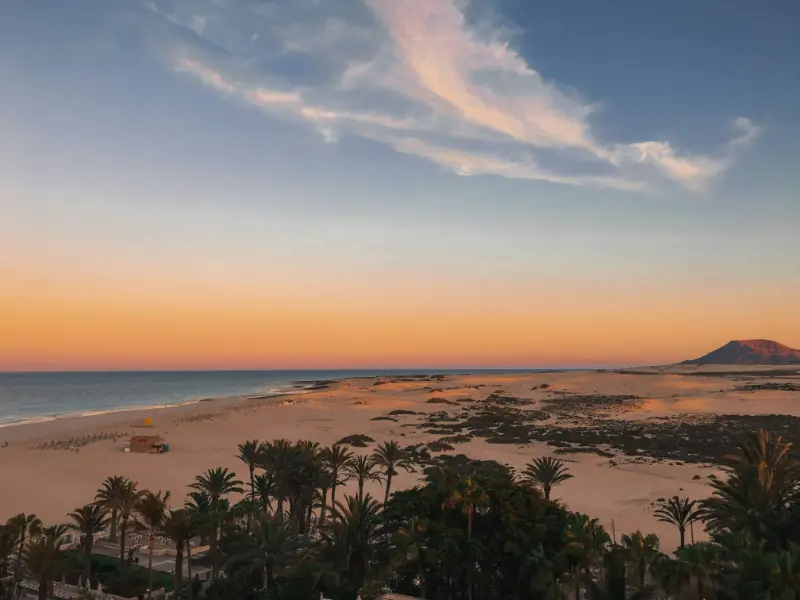
Fuerteventura deserves a trip built around its geography rather than a checklist. Fuerteventura looks simple because one main island road links the major resort zones, yet a good trip depends on not treating every beach as interchangeable. Seven days lets you combine the dunes and surf atmosphere of the north, the historic interior, long southern beaches and one more remote day around Jandía without crossing the island from end to end every morning.
If this destination is part of a longer journey, compare the pacing with Canary Islands in 10 Days. The useful question is not how many places fit on a map, but how much usable holiday time remains after transfers, check-in, weather and meals.
Quick trip summary
- Recommended time: 7 days.
- Best planning principle: group days by geography and protect the transport or reservation that controls access.
- Best for: independent travellers, couples, families and slower-paced visitors who prefer a realistic rhythm.
- Keep flexible: at least one half-day for weather, sea conditions, traffic or simple rest.
- Book first: scarce transport, protected-area access, signature guided experiences and accommodation in the most useful base.
Is Fuerteventura the right trip for you?
Fuerteventura works best for travellers who are happy to make a few decisions in advance but do not want every hour reserved. The destination has enough variety to reward a short stay, yet the best experiences often depend on weather, local transport or access rules. A good itinerary therefore protects one or two priorities and leaves the rest movable.
Fuerteventura’s distances can be deceptive. Corralejo and the beaches of Jandía may both look like easy stops on an island map, but going back and forth between them takes a large part of the day. Decide which coast you want to spend most time on, then build the rest of the week around it.
Where to stay: choose location before hotel style
| Base | Why choose it |
|---|---|
| Corralejo | Best for dunes, ferries, restaurants and northern beaches. |
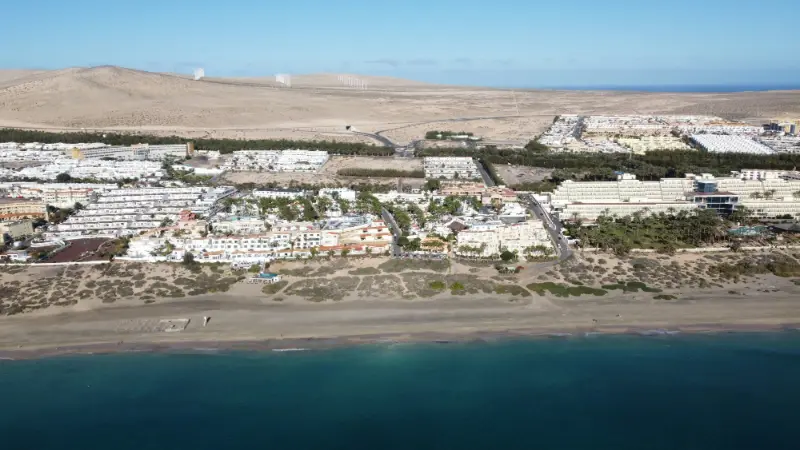
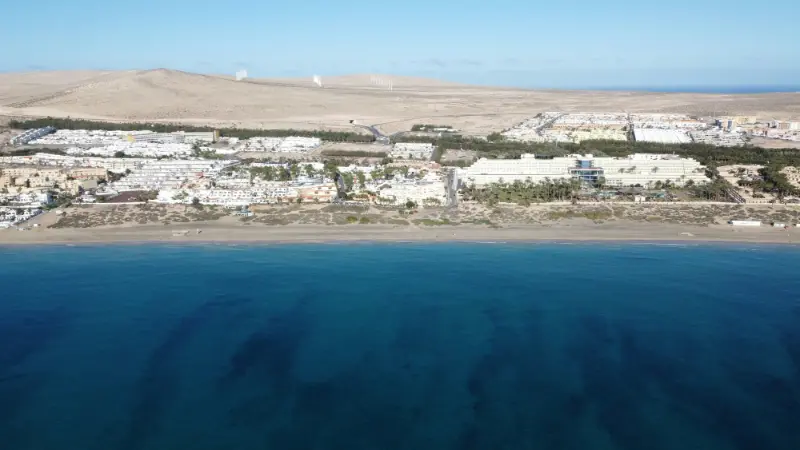
| Costa Calma | A practical southern base for Sotavento and easier access toward Jandía. |
| Morro Jable | Best for travellers prioritising southern beaches and a more complete town atmosphere. |
Moving south halfway through the week makes sense if you want several days around Costa Calma, Morro Jable and Jandía. It makes less sense if you’ll spend that time checking out, packing and searching for parking. Choose two bases only when the second one gives you something you couldn’t comfortably enjoy from the first.
For a family stay, a sheltered pool, nearby restaurants and a short route to the beach can matter more than a grand view. If anyone finds walking difficult, ask how far the room really is from reception and whether reaching the sand involves steps or a long path. Beachfront doesn’t always mean easy access.

A realistic 7 days itinerary
Day 1: Corralejo and dunes
Settle in, explore Corralejo on foot and visit the dune area in softer late-afternoon light rather than driving immediately across the island.
Day 2: El Cotillo and northwest coast
Combine El Cotillo with nearby lagoons and viewpoints. Wind and surf conditions should decide where you swim.
Day 3: Betancuria and the interior
Drive through the central mountains, stop in Betancuria and choose a few viewpoints instead of every roadside pullout.
Day 4: transfer south
Move toward Costa Calma or Morro Jable with a relaxed beach stop en route.
Day 5: Sotavento
Use the day for the broad southern beaches, walking and water sports if conditions suit your ability.
Day 6: Jandía and Cofete decision
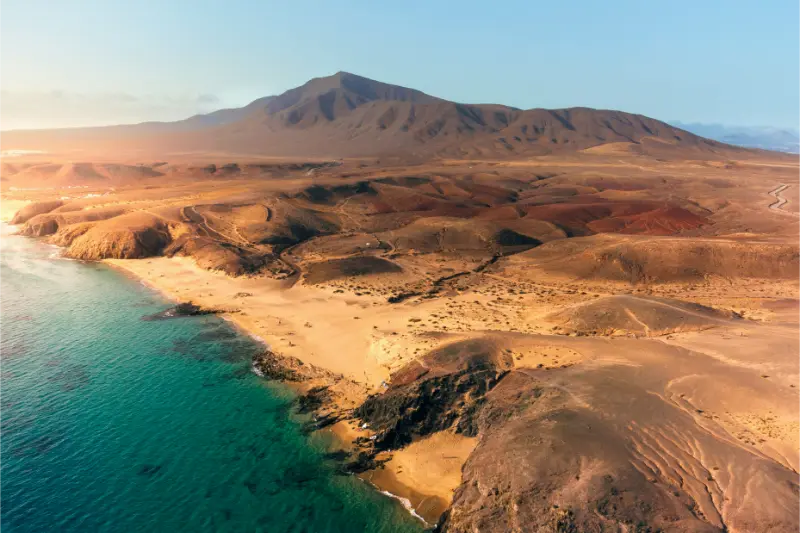
Attempt Cofete only with suitable vehicle, road and weather conditions; otherwise use a safer Jandía beach-and-viewpoint day.
Day 7: easy final morning
Keep the final hours near your base and leave a generous airport buffer.
How to move around without wasting the day
A rental car gives the most freedom, especially for the interior and south. Resort buses are useful on main corridors but do not replace a car for scattered viewpoints. Remote tracks such as the road toward Cofete require extra caution and should not be treated like ordinary paved sightseeing roads.
Before fixing a departure time, work backwards from the part that can’t move: the flight, ferry or hotel check-in. From Jandía to the airport, for example, leave time for the drive, returning a rental car and the usual airport procedures. Don’t squeeze in one last remote beach if missing the connection would spoil the trip.
If a rental car is involved, check parking rules, road surface, insurance exclusions and whether the driver is comfortable with the local conditions. If boats are involved, protect a buffer before flights or expensive onward connections. Transport is not background logistics; in destinations like Fuerteventura, it can determine whether the trip feels relaxed or fragmented.
Best time to visit
Fuerteventura has a mild year-round climate and can work in every season. Wind is part of the island’s character, so the best beach on a given day may depend more on direction and exposure than on a fixed ranking.
Look at wind and sea conditions as well as air temperature. A sunny day can still feel chilly on an exposed beach, and a calm-looking stretch of water isn’t automatically safe for swimming. The best month for lounging by the pool may not be the one you prefer for surfing or long coastal walks.
Treat the beach plan as something you can change each morning. If the wind makes one part of the coast uncomfortable, choose a more sheltered spot or spend time in Betancuria and the inland villages. You don’t have to give up a whole day just because the beach you had in mind isn’t pleasant.
What to book first
Book the flights and the accommodation that suits your chosen base first. If you want a rental car, compare collection points, insurance terms and whether unpaved roads are excluded. Leave ordinary beach visits flexible; conditions on Fuerteventura are often more useful than a calendar when choosing where to go.
A flexible hotel rate is worth considering if you’re splitting the stay between north and south or combining the island with a ferry trip. You may not need cancellable tickets for every activity, but avoiding a chain of tightly connected bookings gives you room to deal with travel delays or a change in conditions.
Food strategy: eat well without scheduling every meal
Make room for simple meals during beach days. A bakery stop before setting off, lunch near the water and a relaxed seafood dinner can be more enjoyable than racing across the island for a famous restaurant. Carry drinking water and something to eat when heading towards quieter beaches, where facilities may be limited.
On the day you move from Corralejo to the south, plan lunch somewhere along your route rather than rushing to reach a dinner booking. Betancuria can fit into an inland day, but it shouldn’t become another stop you have to tick off before sunset. A slower transfer day often turns into one of the nicest parts of the week.
Travelling with children
Families often do best with two bases at most, shallow beaches chosen according to wind and short driving days. Pools and protected coves are valuable backup plans when the ocean is rough.
Children usually enjoy Fuerteventura more when there’s time to return to a beach they already like. Choose a base with easy food options and somewhere to swim if the sea is rough. Instead of planning a long drive every day, alternate excursions with mornings near the hotel, especially when the wind is strong.
A visit to the dunes or an outing into the hills may sound exciting, but hot sun, wind and a long drive can leave younger children exhausted. Keep the following afternoon open for the pool, an easy walk or a snack by the sea. Plan around the children you’ve got, not around an adult sightseeing checklist.
Travelling at a slower pace or as a senior
Most major resort areas are straightforward, but beach access can involve sand, wind and long walks from parking. Choose accommodation with a sheltered pool and lift access if mobility is limited.
Ask about the exact way onto the beach before booking accommodation or an excursion. Some stretches have deep sand, long approaches or steps from the promenade; others are easier to reach. If you need accessible transport, a suitable bathroom or a short walk from parking, confirm those details with the property or operator directly.
Fuerteventura is generally mild, but the wind can make an exposed coastal walk surprisingly tiring. Put longer hikes or scenic drives early in the day, carry water and allow time to rest afterwards. If your priority is a calm holiday, you can still enjoy the island’s landscapes without trying to reach every remote viewpoint.
Budget: where the money really goes
Car hire can save time but fuel and insurance add up. Self-catering apartments, local bakeries and simple seafood meals help balance the cost of resort accommodation.
A rental car is often the biggest practical decision in a Fuerteventura budget. Compare the full cost of hire, fuel, parking and insurance with the journeys you actually intend to make. If most of your week will be spent near one resort, you may prefer local transport and a limited number of organised excursions.
A low hotel rate isn’t a saving if it means driving a long way for every beach and evening meal. Compare places in Corralejo, Costa Calma and Morro Jable against the days you’ve planned, not just against each other. Spending slightly more on the right base can give you several extra hours to enjoy the island.
Weather fallback plan
Keep a few alternative days in mind rather than fixing every beach in advance. Save Sotavento or another exposed beach for conditions you can enjoy, and use a windy day to visit Betancuria or explore the towns. If the sea is rough, a sheltered pool or a scenic drive is a better option than forcing a swim.
If the wind ruins a planned morning on the beach, don’t try to compensate by driving to three more spots before dinner. Choose one comfortable alternative and enjoy it. The island is large enough for a varied week, but you’ll remember a relaxed afternoon much more fondly than a series of hurried car-park stops.
Connectivity, cash and small practical details
Download an offline map before driving into the quieter parts of the island, and save your accommodation details somewhere you can open without a signal. A charged phone is useful, but so are some cash, a spare payment card and a bottle of water in the car. Don’t depend on being able to buy everything at a remote beach.
If you’re heading onto a remote trail or towards Cofete, tell someone where you’re going and when you expect to return. Check road advice and any restrictions from your rental company before setting off. When local warnings or the condition of the road suggest turning back, take them seriously; the scenery isn’t going anywhere.
What to pack
- Comfortable footwear chosen for the real surface rather than for photographs.
- A light rain layer and one warmer layer, even when the destination is usually associated with sunshine.
- Sun protection, refillable water bottle and any medication that may be difficult to replace locally.
- Offline maps plus screenshots of tickets, accommodation addresses and emergency contacts.
- A small day bag that can carry water, layers and valuables without becoming a burden.
- Any destination-specific sea, trail or wildlife equipment recommended by the official authority or operator.
Common mistakes to avoid
- Trying to see Corralejo and Jandía repeatedly from one base.
- Treating the Cofete road as a normal rental-car excursion.
- Ignoring wind direction when choosing a beach.
- Scheduling a ferry or flight tightly after a long drive from the south.
- Assuming all coastal roads are paved and easy.
Responsible travel and local etiquette
The dunes, beaches and dry inland landscapes need care. Use established access routes, respect barriers and follow local signs, even when you see other visitors cutting across fragile areas. A shortcut over protected ground might save a few minutes, but it can damage places that take far longer to recover.
Give wildlife space, take your rubbish away from quieter beaches and choose local cafés or guides when it suits your plans. Fuerteventura’s appeal is in its open landscapes as much as its resorts. Treating those places carefully helps keep them enjoyable for the people who live here and those who visit after you.
If you have less or more time
If you remove days from this itinerary, remove a whole excursion rather than shortening every stop. Protect the place or experience that best represents Fuerteventura, then build the shorter trip around it. Constantly moving faster rarely creates more meaningful travel.
With an extra couple of days, stay longer in the area you liked best. That could mean another afternoon at El Cotillo, a quieter day around Morro Jable or a better-weather chance to explore the coast. You don’t need to add another island or change hotels just because you have more time.
How to choose between similar experiences
If two beaches seem equally appealing, choose the one that fits the day’s drive and conditions. El Cotillo works naturally with a northwest outing; Jandía makes more sense when you’re already based in the south. Don’t spend half the afternoon chasing a photograph of a beach when you’re already close to a beautiful one.
Think about where you’ll spend your evenings as well as your beach days. A simple apartment near places to eat may suit you better than a larger resort that requires a drive every night. On an island where long journeys add up, being able to walk out for dinner is a real holiday pleasure.
Safety and decision-making on the day
Know when to turn around on a remote drive or walk. If a road looks unsuitable, the wind picks up or you start later than planned, choose a nearer stop instead. That’s particularly important around exposed parts of Jandía, where the route matters as much as the destination.
Carry more water than you think you’ll need on an inland drive or a quiet beach day, along with sun protection and a light layer against the wind. Keep the essentials within reach, not buried in a suitcase. Those small things make it much easier to change plans without turning back to the hotel.
Useful official and planning resources
Timetables, protected-area rules, road conditions, fees and visitor procedures change more often than the landscape. Recheck the source below shortly before departure.
Final planning checklist
- Confirm passport, visa, transit and health requirements for your nationality.
- Reserve the transport, permit or guide that controls the rest of the itinerary.
- Check how luggage moves between airport, road transfer, ferry, train or accommodation.
- Download offline maps and save key tickets outside your email app.
- Recheck weather, sea, road, trail or park notices before each critical day.
- Keep at least one half-day that can absorb a delay or become simple rest.
- Leave a generous buffer before international flights and other costly connections.
A good trip to Fuerteventura should feel like you understood the place, not merely that you passed through it. Keep the transport anchors fixed, leave room for conditions to change, and remove anything that does not fit your interests, mobility or energy. The result is usually more enjoyable than the most ambitious version of the same route.