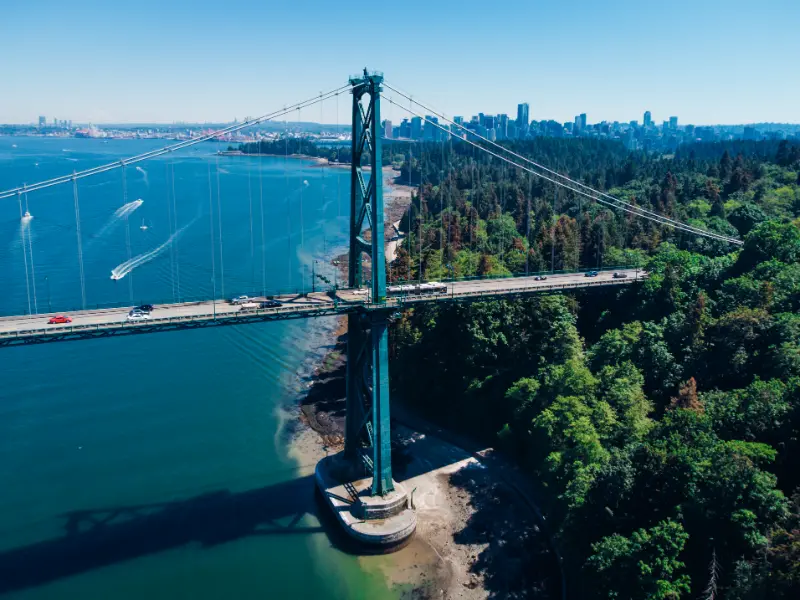
Vancouver brings the ocean, mountains and city streets unusually close together, but the places you want to see are not all next door. Four days can comfortably include Stanley Park, False Creek, a neighbourhood food stop and perhaps a North Shore outing. The trick is leaving time to enjoy the waterfront instead of spending the visit crossing bridges.
If this destination is part of a longer journey, compare the pacing with Vancouver Island in 9 Days: Victoria, Tofino and Cowichan Without Driving to the Far North. The useful question is not how many famous names fit on the map, but how much usable holiday time remains after transfers, check-in, meals, weather and rest.
Quick trip summary
- Recommended time: 4 days.
- Best planning principle: group each day by geography and protect only the reservations that control access.
- Best for: independent travellers, couples, families and slower-paced visitors who prefer a realistic rhythm.
- Keep flexible: at least one half-day or one major activity that can move with weather, traffic or energy.
- Book first: the accommodation location, scarce transport and any permit, timed entry or signature experience that shapes the rest of the trip.
Is Vancouver the right trip for you?
Vancouver suits travellers who like combining urban food and culture with easy access to nature. It is particularly good for families and active older travellers because walking, cycling, SkyTrain, buses and SeaBus can cover much of a first visit without a rental car. The city becomes expensive when accommodation is booked late or when every mountain and island is added as a separate tour.
Vancouver is an appealing choice if you want a city break with genuine access to the outdoors. Stanley Park, the seawall, neighbourhood food and a short trip across the water offer plenty for four days. Choose whether mountains are a priority before booking extra transport; you can have an excellent visit without trying to fit every viewpoint into it.
Where to stay: choose location before hotel style
| Base | Why choose it |
|---|---|
| Downtown / Coal Harbour | Best for a first visit, Stanley Park, waterfront walks and easy transit; convenient but usually expensive. |
| Yaletown / False Creek edge | Best for restaurants, waterfront paths and small ferries, with good access to downtown. |
| West End | Best for a more residential feel beside Stanley Park and English Bay while staying walkable to central areas. |
Downtown is practical for a first visit because you can reach the waterfront, Stanley Park and many transit connections without changing hotels. Compare the neighbourhood around the property with the places you expect to visit after dinner. If you want an early day in the mountains, work out the departure route before choosing a room purely for its view.

A realistic 4-day itinerary
Day 1: downtown waterfront and Stanley Park
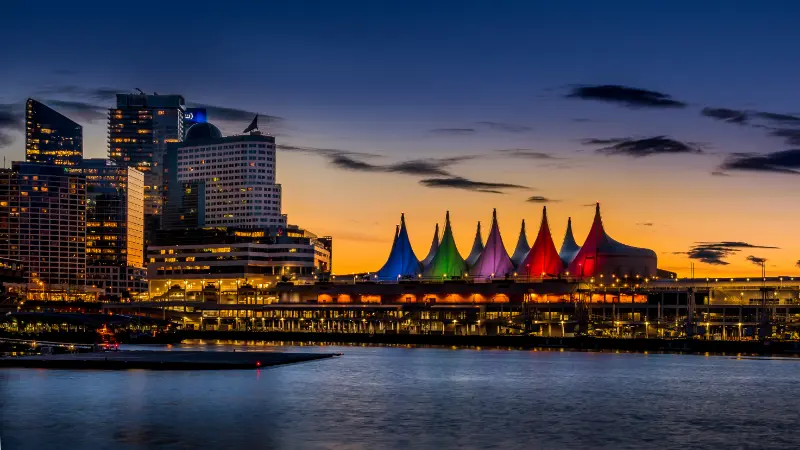
Start with the waterfront, Canada Place area or Coal Harbour, then spend a substantial block in Stanley Park. Walk or cycle only the distance that suits the group. Finish around the West End or English Bay rather than crossing the city for dinner.
Day 2: Granville Island and neighbourhood Vancouver
Use a False Creek ferry or bus to reach Granville Island, then continue into Kitsilano, Mount Pleasant or another neighbourhood. The day should feel different from downtown: food, local streets, beaches or small cultural stops rather than another skyline loop.
Day 3: North Shore choice
Take SeaBus or another appropriate connection and choose one North Shore focus such as a mountain attraction, Lynn Canyon area or neighbourhood time. Do not combine several mountain experiences simply because they sit north of the harbour; access and hiking time are substantial.
Day 4: museum, garden, beach or weather backup
Use the final day for UBC-area museums and gardens, another beach, Chinatown and Gastown context, or a rain-adjusted indoor plan. Keep airport timing in mind because Vancouver’s geography can make the final cross-city transfer longer than it looks.
How to move around without wasting the day
TransLink connects Vancouver with buses, SkyTrain and SeaBus, and the Canada Line is a practical link between the airport and downtown. Small passenger ferries across False Creek are useful for Granville Island and nearby neighbourhoods. A car is unnecessary for many first-time city days and can add parking costs; rent one only when the itinerary genuinely needs routes that transit serves poorly.
A short line on a Vancouver map may involve a bridge, ferry connection or a surprisingly long walk around the water. Allow time to enjoy the seawall rather than treating it as a shortcut. SkyTrain, buses and ferries serve different parts of the area, so choose the mode that actually reaches your destination with the fewest complications.
Best time to visit
Summer offers long daylight, beaches and mountain access but is busy and expensive. Spring and autumn can be excellent with more rain flexibility, while winter is mild by Canadian standards at sea level but wet, with snow conditions in nearby mountains. Build the trip so outdoor mountain time can move to the clearest day.
Longer, drier days give you more freedom for the seawall, beaches and elevated views, while rainy periods favour museums, galleries and cafés. Mountain conditions can differ greatly from weather downtown. If a viewpoint is important, keep it movable and check the local forecast instead of assuming the morning sky over the harbour tells the whole story.
What to book first
Accommodation should be secured early for peak summer and major-event periods. Book any timed mountain attraction, whale-watching trip or special restaurant that shapes the trip. Ordinary city transit, park walks and neighbourhood days can remain flexible, which is valuable when rain changes the best order.
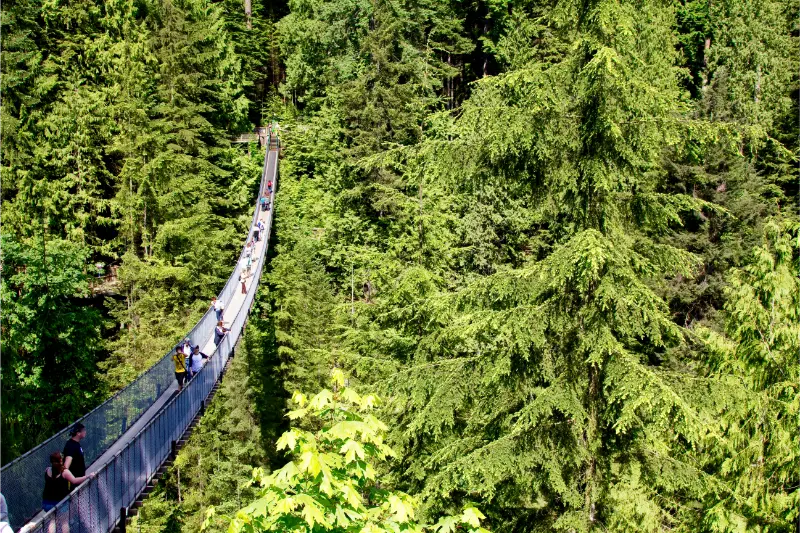
After arranging any mountain transport, special tour or attraction you care most about, leave Stanley Park and neighbourhood walks flexible. Those are places you may want to linger, especially in good weather. Filling every morning with a booking makes it harder to take advantage of a clear afternoon beside the water.
Food strategy: eat well without scheduling every meal
Vancouver’s strength is variety: Asian cuisines, seafood, bakeries, markets and neighbourhood restaurants. Granville Island is convenient but does not need to carry the entire food plan. Richmond can be excellent for food but adds travel time, so combine it with airport arrival or another nearby purpose rather than crossing the region only for one meal.
Granville Island can be a pleasant place to browse and have lunch, though it is worth arriving with some patience when it is busy. On a Stanley Park day, carry water and choose a meal stop that does not require returning across town. Let Vancouver’s diverse food scene be part of the exploration rather than a separate race between recommended addresses.
Travelling with children
Stanley Park, beaches, ferries, the aquarium area, Science World and mountain experiences can work well for children. Balance one long outdoor block with a simpler meal and early evening. Cycling is fun for confident families, but use designated routes and choose child equipment appropriate to the age and experience of the rider.
Children often enjoy a water crossing, a beach or time in Stanley Park more than a string of indoor stops. Keep the day manageable by choosing a shorter section of the seawall and allowing breaks. With younger travellers, check the return route before setting out on a walk that may be much longer than expected.
Travelling at a slower pace or as a senior
Downtown and the West End are good bases because many waterfront areas are flat and transit is close. Stanley Park distances can be longer than they appear, so use a shorter loop or transit connection rather than forcing the full seawall. On mountain days, check accessibility and walking surfaces before committing to suspension bridges or steep trails.
For anyone travelling at a gentle pace, take transit to the start of the area you want to explore and choose a comfortable section of waterfront or park. Some attractions beyond downtown involve slopes or changes of level. Check accessibility for mountain facilities and ferry connections individually, rather than relying on the fact that Vancouver is a modern city.
Budget: where the money really goes
Hotels are often the largest expense. Public transit is usually far cheaper than keeping a rental car downtown once parking is included. Mountain attractions and organized tours can be expensive, so choose one signature paid experience and balance it with free parks, beaches and neighbourhood walks.
The key budget choices are your hotel location and whether you add a paid mountain outing. Transit can handle many city days, leaving a rental car unnecessary for a basic Vancouver itinerary. If you are comparing organised excursions with independent travel, include all transfers and admissions before deciding which costs less.
Weather fallback plan
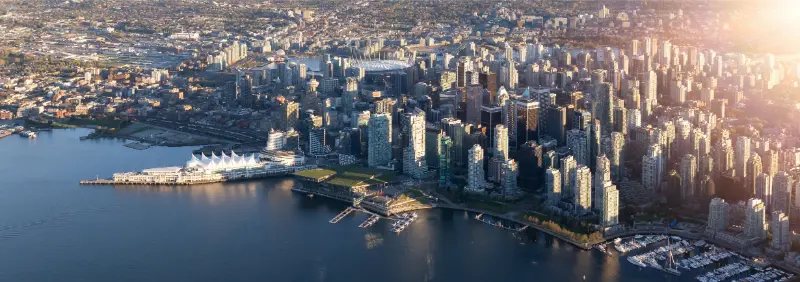
Rain is part of Vancouver planning rather than a reason to cancel the trip. Move museums, markets and cafés to wet periods and use a clearer window for Stanley Park viewpoints or the North Shore. Mountain weather can differ from downtown, so check conditions at the specific destination.
On a wet day, move an indoor museum, gallery or food-market visit forward and leave the longer park outing for a clearer window. Vancouver rain does not have to keep you in the hotel. The real disappointment is forcing a mountain viewpoint in thick cloud when there are enjoyable city experiences available at ground level.
Connectivity, cash and small practical details
Use a contactless or appropriate transit payment method and confirm fare zones and transfer rules for your journeys. Keep a light rain layer accessible. If visiting the North Shore late in the day, check return transit frequency so dinner does not become an expensive ride back across the harbour.
Have your hotel address, transit route and any mountain or ferry tickets available offline. Keep a payment alternative in case your phone runs out of battery. Around busy waterfront stops, be mindful of cyclists and pedestrians sharing space; it is easy to become distracted by the views while navigating.
What to pack
Bring a waterproof layer, comfortable shoes and layers that work from waterfront wind to indoor heating. Summer still benefits from a light jacket in the evening. If hiking, pack for the trail rather than city weather, including water, appropriate footwear and a plan for changing conditions.
Bring layers you can add or remove easily, a compact rain jacket and shoes comfortable for long walks. The harbour may feel cool even on a bright day, and higher elevations can be much colder than downtown. Dress for the outing you are actually taking rather than assuming one set of clothes works everywhere.
Common mistakes to avoid
- Renting a car for the whole stay when most central days are easier by transit.
- Planning Stanley Park, Granville Island and a North Shore mountain on the same day.
- Assuming downtown weather is the same as mountain conditions.
- Booking a cheaper hotel far from rapid transit without counting the daily travel time.
- Adding Victoria as a casual half-day without respecting ferry and terminal logistics.
Responsible travel and local etiquette
Stay on marked trails, respect wildlife and follow fire or closure guidance in parks. Vancouver has a strong Indigenous cultural presence; choose experiences that present local nations through their own institutions and voices. Public transport and walking make it easy to explore without adding unnecessary car traffic.
Stanley Park and the nearby waterfront deserve respect as living natural spaces, not just photo locations. Stay on marked routes where required, leave wildlife undisturbed and follow signs around sensitive areas. On Granville Island, remember that shops and workshops are working businesses, so keep entrances and shared paths clear.
If you have less or more time
Two days should focus on Stanley Park/downtown and Granville Island/neighbourhoods. Three days adds the North Shore. Five or six days gives enough space for Richmond, UBC, Bowen Island or a slower beach day without turning Vancouver into a base for constant day trips.
If you have only three days, concentrate on downtown, Stanley Park and one other neighbourhood or water-based outing. An extra day is useful for a mountain trip or simply exploring a part of the city you liked most. Avoid adding a distant excursion that will cost more time in transit than you can enjoy at the destination.
How to choose between similar experiences
Choose Grouse Mountain for a structured attraction with city views, Lynn Canyon for a more park-like experience, and a city neighbourhood day if mountain weather is poor. If you are continuing to Vancouver Island, save some of your coastal nature appetite for that trip instead of trying to fit every ferry and forest into Vancouver.
Choose between two similar viewpoints by considering visibility, travel time and what else you will see that day. A nearby lookout in good conditions may be more satisfying than a famous one reached through hours of cloud and queues. Vancouver offers enough variety that you do not need every panoramic stop.
Safety and decision-making on the day
Use normal big-city awareness in busy downtown areas and pay attention to local conditions when exploring trails or waterfronts. Never approach wildlife for photographs. Mountain routes can become serious quickly, so match the hike to weather, daylight and the group’s actual experience.
Weather and water conditions deserve attention for ferries, mountain walks and exposed waterfront activities. Follow notices from operators and local authorities, and be ready to shorten an outing if conditions change. In the city, stay alert around bicycle routes and busy crossings rather than stepping into traffic while looking at the scenery.
Useful official and planning resources
Opening hours, protected-area rules, transport schedules, fees and visitor procedures change more often than the landscape. Recheck the source below shortly before departure.
Final planning checklist
- Confirm passport, visa, transit and health requirements for your nationality.
- Reserve the transport, permit or timed entry that controls the rest of the itinerary.
- Check how luggage moves between airport, road transfer, ferry, train or accommodation.
- Download offline maps and save key tickets outside your email app.
- Recheck weather, sea, road, trail or park notices before each critical day.
- Keep at least one half-day that can absorb a delay or become simple rest.
- Leave a generous buffer before international flights and other costly connections.
A good Vancouver trip might finish with an easy seawall walk, a favourite meal or one last look across the water. You do not need every mountain viewpoint to appreciate the setting. If you have spent real time in the parks, neighbourhoods and waterfront, four days can feel like a full visit rather than a hurried preview.