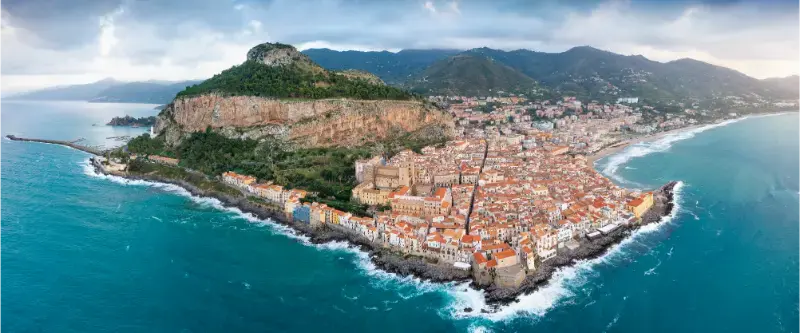
Dubrovnik is spectacular and physically intense. The walled city is compact, but stairs, polished stone, cruise crowds and summer heat can make a short distance feel much longer. Four days is enough to see the walls and historic core properly, spend time by the sea, visit Lokrum or another nearby island and use Lapad or the wider coast as a contrast instead of remaining inside the same lanes from breakfast to dinner.
If Dubrovnik is part of a longer journey, compare the pacing with Croatia in 10 Days: Split, One Island and Dubrovnik Without Too Many Ferries. The useful planning rule is to protect the experiences that are difficult to replace, then leave ordinary meals, neighbourhood walks and secondary attractions flexible. A city break usually becomes less enjoyable when every hour is reserved. Door-to-door travel time, queues, weather, luggage, meal stops and fatigue are part of the itinerary even when they do not appear on a map.
Quick trip summary
- Recommended time: 4 days.
- Best planning principle: group each day by geography and protect only the reservations that control access.
- Best for: independent travellers, couples, families and slower-paced visitors who prefer a realistic rhythm.
- Keep flexible: at least one half-day or one major activity that can move with weather, traffic or energy.
- Book first: accommodation location, scarce transport and any timed entry that shapes the rest of the trip.
Is Dubrovnik the right trip for you?
Dubrovnik suits travellers who enjoy history, architecture, sea views and compact urban exploration. It is less comfortable for visitors who dislike stairs, heat or dense peak-season crowds, though careful timing makes a major difference. The main planning mistake is treating every hour outside the Old Town as time lost rather than part of the Dubrovnik experience.
In Dubrovnik, decide early whether the city walls are your main event or just one part of a quieter seaside stay. If you want the walls and Old Town streets, start early and leave the hottest hours open. If sea swimming and slower evenings matter more, give Lapad or another coastal area a full stretch of the day.
Where to stay: choose location before hotel style
| Base | Why choose it |
|---|---|
| Old Town | Unmatched atmosphere and easy early access, but stairs, luggage restrictions, noise and higher prices can be significant. |
| Pile / Ploče | Excellent compromise near the walls with easier access to taxis or buses depending on the exact property. |
| Lapad | Best for beaches, promenade evenings and more space; use buses or taxis for the Old Town. |
| Gruž | Practical for ferries, buses and better-value accommodation, though less romantic for a first visit. |
Staying inside Dubrovnik’s walls puts the historic centre close by, but it may also mean steps and carrying luggage over uneven stone. Lapad offers a different balance, with more space and access to the coast. Before reserving, ask how you actually reach the door with your bags; an address that looks central on a map can still involve a demanding climb.
A realistic 4-day itinerary
Day 1: Old Town orientation and quieter lanes
Enter early or later in the afternoon to avoid the densest visitor wave, then explore Stradun, churches, side streets and harbour areas without immediately walking the walls. Use the first day to understand gates, stairs and routes before committing to the most exposed climb.
Day 2: city walls and Fort Lovrijenac
Walk the walls early when temperatures and crowds are usually easier, allowing more time than the distance suggests. Continue to Fort Lovrijenac if it fits your ticket and energy, then leave the historic core for a relaxed waterfront afternoon rather than adding another stair-heavy attraction.
Day 3: Lokrum or one sea-focused day
Take the boat to Lokrum when services and weather are suitable, or choose a beach and coastal day if sea conditions are poor. Do not combine Lokrum with a distant Elafiti excursion simply to maximise boat time. One island experience is enough for a four-day stay.
Day 4: Lapad, Srđ or a flexible final day
Use Lapad for a slower promenade and swim, then choose Mount Srđ if visibility is worthwhile. Alternatively, keep the day flexible for a missed wall walk or museum. If leaving by ferry or bus, stay near the relevant terminal for the final hours rather than crossing the city repeatedly with luggage.
For the final afternoon, choose whichever part of Dubrovnik you still want to enjoy slowly. A waterfront drink in Lapad, a return to a favourite Old Town lane or a viewpoint on Srđ can be enough. You will appreciate the freedom more than a rushed final attraction, particularly if you have an early ferry or flight the next day.
How to move around without wasting the day
The Old Town is pedestrian-only and heavily stair-based, while buses and taxis connect Pile, Lapad, Gruž and other districts. Driving close to the historic core has become more restricted: the city has introduced a special traffic-management zone around the protected centre during much of the year. Visitors arriving by car should check current access and parking rules before approaching the walls.
Dubrovnik’s compact map hides the effort of its steps. You can cross the Old Town quickly on the main street, yet a room or restaurant a few lanes uphill may feel much farther away in summer heat. Use buses for longer journeys towards Lapad or Gruž and save your energy for the walls and smaller historic lanes.
Arrival and departure strategy
Dubrovnik Airport lies outside the city and requires a road transfer. Airport buses, taxis and private transfers are common. If arriving by ferry or intercity bus, Gruž is the key transport area rather than the Old Town. Choose the final hotel transfer based on luggage and stairs, not just kilometre distance.
On arrival, find the least awkward route from the airport, port or bus station to your accommodation before setting off. Dubrovnik’s pedestrian Old Town means a car cannot always take you to the doorstep. Leave the last morning free for a short walk or coffee close to your departure route, not an excursion that relies on perfect timing.
Best time to visit
Late spring and early autumn often balance warm weather with less intense heat, while July and August can be hot and crowded. Winter is much quieter, but island boats, restaurants and seasonal attractions may operate reduced schedules. In summer, move wall walks and exposed viewpoints to morning or later afternoon rather than forcing them at midday.
Dubrovnik feels quite different on a warm, crowded summer afternoon and a quieter day outside peak season. Hot weather makes the exposed city walls tiring; wind or rough seas can affect plans for Lokrum. Move the longest outdoor walk to a comfortable part of the day and keep boat plans flexible when conditions look unsettled.
What to book first
Book accommodation early for peak season, especially if you need a specific location with limited stairs. Reserve any high-priority boat trip or special guided experience, but keep weather-dependent sea time movable. If driving, research parking and restricted-zone rules before arrival rather than assuming the hotel can be reached by car.
If you intend to walk Dubrovnik’s walls, check the official ticket information and seasonal visiting arrangements before you go. Book any boat excursion you especially want, but leave room for weather changes. A neighbourhood stroll or an evening watching the light on the harbour is better enjoyed without a reservation dictating the next hour.
Food strategy: eat well without scheduling every meal
Restaurants inside the Old Town vary widely in price and value. Mix one atmospheric historic-centre meal with Lapad, Gruž or other neighbourhood options. In hot weather, a long lunch can be a useful recovery block between the walls and evening walking instead of another attraction squeezed into the hottest hours.
Dubrovnik can make it tempting to eat at the first terrace you see inside the walls. Sometimes that is exactly the right choice, but a short walk to a quieter street or a meal in Lapad can be more restful. In hot weather, plan a proper break with water and shade instead of treating lunch as an interruption to sightseeing.
Travelling with children
Children often enjoy walls, boats and swimming more than formal interiors, but heat and stairs can shorten attention quickly. Start early, carry water and choose accommodation with a realistic luggage route. Lokrum or a beach afternoon can reset the trip after a dense historical morning and reduce the feeling that every day is another stone staircase.
With children in Dubrovnik, keep the exposed wall walk separate from a beach or swimming afternoon. The stone steps, narrow lanes and summer heat can wear everyone out faster than expected. A short boat ride, some seaside time or an ice-cream break will often be more enjoyable than trying to fit another museum into the same day.
Travelling at a slower pace or as a senior
Dubrovnik requires honest mobility planning. Many Old Town routes involve stairs, smooth stone and limited shade, and not every scenic property is easy to reach with luggage. Staying near Pile, Ploče or a bus route can preserve the main experiences while reducing climbs. Use taxis for outer connections but remember they cannot drive into the pedestrian core.
Dubrovnik’s stairs are the detail to check before committing to accommodation or a full circuit of the walls. For a gentler stay, consider a base with easier access to buses and the seafront, then visit the Old Town in shorter sessions. Ask about steps at the property itself; a lift inside a building does not help with the staircase outside.
Budget: where the money really goes
Dubrovnik is one of Croatia’s more expensive destinations, particularly for central accommodation and restaurants. Decide whether the value lies in sleeping inside the walls or visiting them early from a nearby district. Combination tickets or passes can help if you genuinely plan several included sites, but do not buy them simply because the city feels expensive.
In Dubrovnik, the biggest costs often come from accommodation in a sought-after area, tickets for the walls and day trips on the water. Compare those before worrying about small purchases. A room outside the walls can offer better value, provided the bus journey and the walk back at night suit your plans.
City passes and bundled tickets
Before buying a Dubrovnik pass or combined ticket, work out whether you will actually visit the included museums as well as the walls. A pass is worthwhile only if the included sights appeal to you and fit comfortably into your days. Check the current terms on the official site rather than assuming every attraction or fort is covered.
Weather fallback plan
Strong sun and heat are the most common itinerary disruptors in summer, while wind and sea conditions can affect boats. Keep the island day flexible and use museums, churches or a long meal during severe heat. If the walls are exposed to poor weather, move them rather than turning a signature experience into an endurance test.
If sea conditions cancel a Lokrum outing, use the time for a museum, a long meal or quieter streets inside the Old Town. When the sun becomes fierce, step away from the exposed walls and return at a more comfortable time if admission rules allow. Dubrovnik rewards travellers who let the weather shape the day instead of fighting it.
Connectivity, cash and small practical details
Croatia uses the euro, and cards are widely practical, though small cash can help for minor purchases. Save boat schedules, hotel directions and gate information offline. If accommodation is inside or above the Old Town, ask for the exact recommended arrival route because navigation apps do not always communicate the number of stairs.
Save your accommodation’s exact location and the nearest practical luggage drop-off point before arriving. This matters in Dubrovnik, where the last few hundred metres may be entirely pedestrian. Keep your boat tickets accessible offline and check the final bus or ferry departure if you plan an evening away from the Old Town.
What to pack
Bring shoes with good grip for polished stone, sun protection, a refillable bottle and swimwear. A hat is particularly useful on the walls, where shade is limited. Pack light if your accommodation requires stairs, and use a small day bag rather than carrying beach gear through the historic centre all day.
Choose shoes with reliable grip for Dubrovnik’s smooth limestone and steps. In summer, carry water, a hat and sunscreen for the city walls; shade can be scarce up there. If you plan to swim, footwear suited to rocky shores may be useful. A small bag is easier to manage than a bulky backpack in narrow lanes.
Common mistakes to avoid
- Walking the city walls at the hottest, busiest time of day.
- Booking a beautiful Old Town room without checking how many stairs luggage must climb.
- Driving toward the historic core without checking current restricted-zone rules.
- Trying to combine Lokrum, Elafiti islands and a full Old Town programme in four days.
- Eating every meal inside the busiest central streets and assuming the rest of Dubrovnik has little to offer.
Responsible travel and local etiquette
Dubrovnik is lived in as well as visited. Let residents pass in the narrow streets, keep doorways clear and respect quiet hours around homes. At churches and historic sites, follow the local dress and photography rules. The most beautiful corners are often the ones where you pause without turning the lane into a photoshoot.
The Old Town’s busiest streets can become congested when large groups arrive together. Step aside before checking a map, avoid lingering across narrow stairways and use local services respectfully. Exploring a little beyond the busiest lanes is good for your experience too: there is more to Dubrovnik than its best-known viewpoints.
If you have less or more time
With two days, focus on Old Town, walls and one coastal viewpoint. Three days adds Lokrum or a beach block. With five days, add an Elafiti excursion, more Lapad time or a slow day outside the walls. If Croatia includes Split and an island, avoid repeating a ferry-heavy schedule in Dubrovnik simply for completeness.
With only two days, concentrate on the Old Town, the walls and a short coastal break. With longer, resist turning every extra day into another boat trip. More time in Lapad, a leisurely meal or a second visit to the harbour at a different hour may reveal a side of Dubrovnik you missed in the first rush.
How to choose between similar experiences
Choose Lokrum for a short island escape close to the Old Town; choose an Elafiti trip for a longer boat day and village atmosphere. Choose Mount Srđ for the classic panoramic view, or the walls for views integrated with city history. In intense summer heat, you may enjoy one of these more by skipping the other.
If you are choosing between Lokrum, a longer island excursion and a quiet afternoon on the coast, think about how much travel you really want. Lokrum is close but still depends on boat conditions, while a longer cruise consumes much of the day. The best choice is the one that leaves you enough time to enjoy being by the sea.
Safety and decision-making on the day
Heat, slippery stone, stairs and sea conditions are the practical risks most visitors notice. Hydrate, use shade and avoid climbing when anyone in the group is already exhausted. Follow boat-operator and local authority guidance, and respect traffic-control rules around the protected centre rather than trying to improvise a vehicle route.
On Dubrovnik’s polished steps, watch your footing, particularly after rain. Use recognised boat services, keep your belongings close on crowded streets and take warnings about sea conditions seriously. No photograph from the rocks is worth approaching rough water. For travel changes, rely on current information from the operator or local authorities.
Agree on a sensible point to turn back during the walls walk or a coastal outing, especially in strong sun. If someone in your group is struggling with the heat, shorten the route rather than pushing on to finish every section. On a ferry departure day, the harbour connection takes priority over one last viewpoint.
Useful official and planning resources
Opening hours, transport schedules, fees, access rules and visitor procedures change more often than the basic geography. Recheck the source below shortly before departure.
Final planning checklist
- Confirm passport, visa, transit and health requirements for your nationality.
- Reserve the transport, permit or timed entry that controls the rest of the itinerary.
- Check how luggage moves between airport, station, ferry, road transfer and accommodation.
- Download offline maps and save key tickets outside your email app.
- Recheck weather, road, sea, trail or attraction notices before each critical day.
- Keep at least one half-day that can absorb a delay or become simple rest.
- Leave a generous buffer before international flights and other costly connections.
The best Dubrovnik itinerary balances its extraordinary history with a little time by the water. See the walls when you can appreciate them, wander the Old Town without fighting every crowd and keep at least one afternoon unclaimed. That is often when this small, beautiful and demanding city feels most rewarding.
Leave a Reply