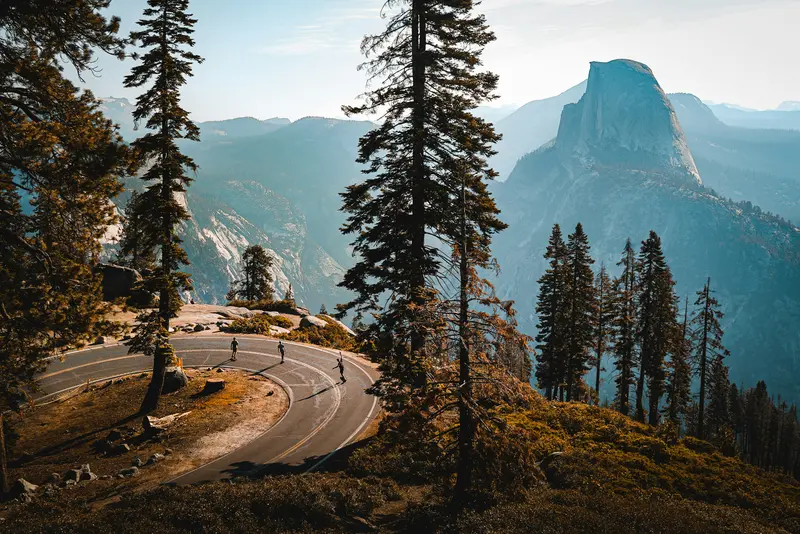
California road trips often become unrealistic because the state looks manageable when viewed as a single outline. San Francisco, Yosemite, Big Sur, Los Angeles, San Diego, Sequoia and Lake Tahoe can all appear on one ten-day wish list, but connecting them means hours of driving that displace the experiences you came for. A stronger first trip uses three main zones and accepts that California deserves multiple visits.
This itinerary combines San Francisco, Yosemite National Park and the Central Coast. It is deliberately designed so you do not drive every day. You begin car-free in San Francisco, collect a rental only when leaving the city, spend two nights near or inside Yosemite, then give the coast enough time for road conditions and viewpoints before finishing in the Bay Area or another logical departure point.
Quick trip summary
- Stay car-free in San Francisco and collect the rental only when leaving the city.
- Spend at least two nights for Yosemite; one overnight turns the park into a long driving exercise.
- For 2026, Yosemite does not require an entrance reservation, but lodging and camping still need early planning.
- Check highway conditions before committing to the coastal route; closures can change Big Sur logistics.
- Finish within easy reach of your departure airport instead of scheduling a huge last-day drive.
Who this itinerary is for — and when to change it
This ten-day California route pairs three experiences that feel very different: San Francisco, Yosemite and the Central Coast. It is a good choice if you want a road trip without driving every day. The journey suits travellers happy to spend several nights in a place, walk through the city without a car and save the rental vehicle for the park and coastal sections.
Decide whether Yosemite’s landscape or the Central Coast is your biggest priority, because weather and road conditions can affect both. Give Yosemite a proper park day and leave room to adjust the coastal portion if a section of Highway 1 is closed. San Francisco museums and neighbourhood walks are easier to rearrange around those fixed parts.
Where to stay: choose the base before the hotel
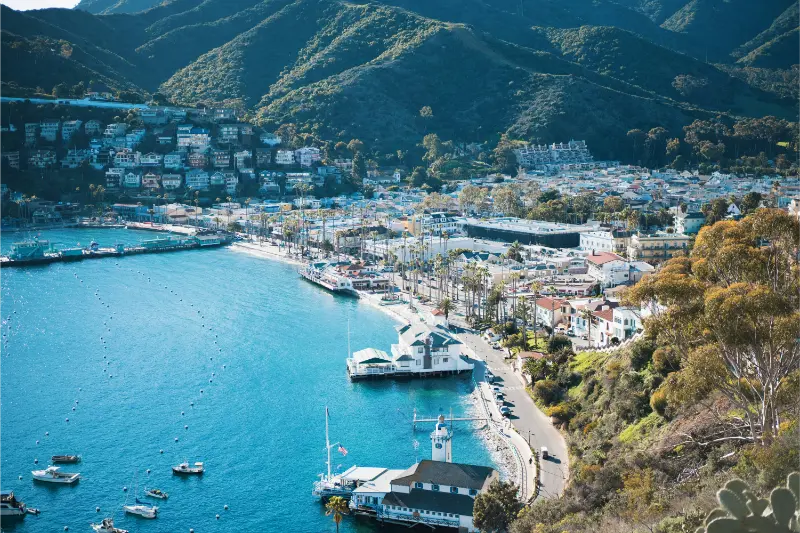
A walkable San Francisco base near the public transport you will use can make the first days much easier. Pick up the car only when you leave the city if that fits your route. Near Yosemite, staying close enough to your chosen park entrance can save a tiring early drive; on the coast, choose a base that avoids returning along the same road each evening.
| Base | Why it works — and the trade-off |
|---|---|
| San Francisco: Union Square / Embarcadero / Marina | Choose according to transit and evening style. A central hotel lets you avoid parking a rental car in the city. |
| Yosemite Valley / park lodging | Best for reducing daily driving, but availability and price are major constraints. Reserve early. |
| El Portal / Mariposa / Oakhurst | Useful gateway alternatives; compare the actual drive to your planned Yosemite sights rather than only the room price. |
| Monterey / Carmel | Strong base for the northern Central Coast, aquarium, 17-Mile Drive and Big Sur day sections. |
The four decisions that shape this trip most
| Decision | Best default | When to change it |
|---|---|---|
| Yosemite entrance | No timed vehicle reservation in 2026 | Still check current NPS updates shortly before travel; policies can change in future years. |
| Yosemite sleep | Inside/near park | Do not save on a distant hotel if it creates hours of extra driving. |
| Big Sur | Road-condition dependent | Have an inland fallback instead of assuming Highway 1 is fully open. |
| Rental car | Days 4–9 | Keeping it in San Francisco usually adds parking cost without adding freedom. |
Four decisions have the biggest effect on the journey: where you start and finish, when to collect the car, which Yosemite entrance and accommodation suit your dates, and which sections of the Central Coast are actually open. Make these decisions before adding small viewpoints and meals to the schedule. They prevent the route from becoming one long sequence of detours.
A realistic day-by-day route
Days 1–3: San Francisco without a car
Use arrival day around one waterfront or neighbourhood area and let jet lag determine the pace.
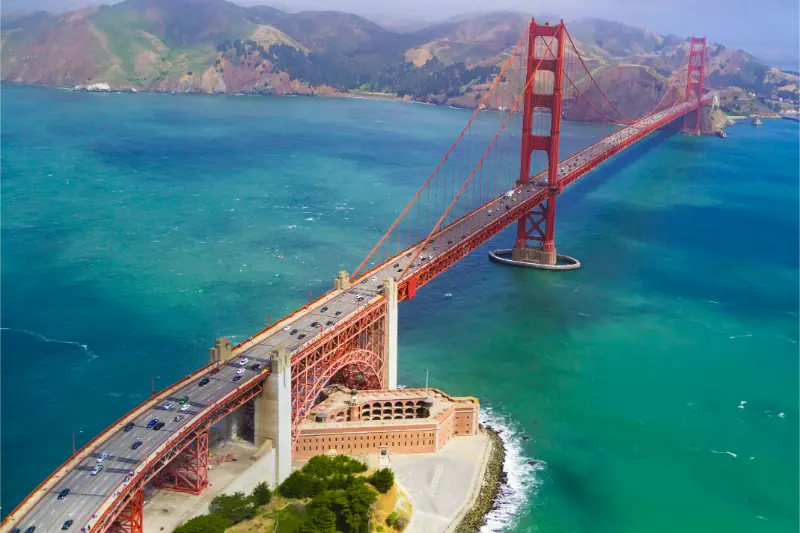
On the first full day, connect a few nearby highlights—waterfront, North Beach, Chinatown or downtown—using walking and public transit. On the second, choose Golden Gate Park, the Presidio, Alcatraz or another major anchor rather than trying to cross the city repeatedly.
Do not collect the rental car until the morning you leave. Parking cost and break-in risk make it poor value for most central sightseeing days.
Days 4–5: San Francisco to Yosemite and a full park day
Collect the car early and drive toward Yosemite, allowing for food, fuel and a stop before the park. Arrive with daylight if possible so the first mountain roads are not driven tired and in darkness.
Use the full day around Yosemite Valley or the seasonally accessible area that best matches conditions. Waterfalls, viewpoints, short walks and shuttle use can create a complete day without a demanding hike.
In 2026 the National Park Service states that an entrance reservation is not required, but parking congestion and accommodation scarcity still make early planning important.
Day 6: Yosemite morning and transition west
Use a final Yosemite morning for a viewpoint or walk you skipped, then drive west. Do not schedule a long coastal destination for the same evening unless the route is comfortably within daylight.
Sleep in a logical transition town or continue to Monterey/Carmel if timing and conditions are good.
This day is deliberately lighter because leaving a national park often takes longer than expected.
Days 7–8: Monterey, Carmel and the accessible Big Sur coast
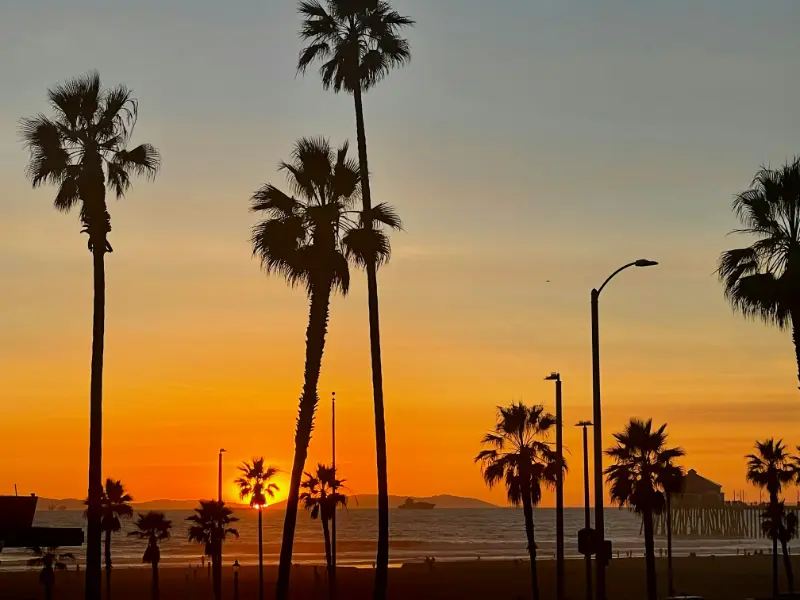
Base in Monterey or Carmel for two nights. Use one day for the aquarium, waterfront, Carmel and nearby coast according to your interests.
Use the second for the section of Big Sur that is open and practical at the time. Highway 1 is vulnerable to weather and landslide closures, so current road information should decide the route.
Do not measure success by reaching a particular mile marker. Coastal viewpoints, redwood walks and beaches are the experience.
Day 9: return toward the Bay Area
Drive back toward San Francisco airport or another departure base using the route that current road conditions support.
Return the rental car today if your final hotel has an airport shuttle or easy public transport.
Keep the evening simple; a road trip is much more enjoyable when the last day is not a parking and packing emergency.
Day 10: departure or final Bay Area buffer
Use a late flight day for a nearby walk or meal rather than another distant excursion.
If your trip continues elsewhere, today is a clean transfer day with no dependence on mountain or coastal roads.
A buffer at the end is especially valuable in California because wildfire, winter weather, road works or coastal closures can reshape driving times.
Keep the last day for the return toward the Bay Area and departure preparations. Traffic, vehicle returns and airport formalities can all take longer than the neat estimate on a map. Do not reserve a distant coastal hike for the same morning as an international flight. If time remains, enjoy an easy stop near where you are staying.
Transport reality: plan door to door
California is built for road trips once you leave San Francisco, but road conditions matter more than theoretical distance. Check Caltrans/official highway information for closures and the National Park Service for Yosemite conditions. The NPS states that Yosemite does not require an advance vehicle reservation in 2026, while lodging, camping and certain activities still require reservations or permits. If you travel in another year, verify the policy again rather than assuming 2026 rules still apply. Fuel up before entering remote areas and download offline maps.
San Francisco days can work without a car, but the trip to Yosemite and the coast needs realistic driving estimates. Add breaks, fuel, park entrance queues and the time needed to reach your hotel after sightseeing. Mountain roads and scenic coastal highways are not ordinary motorway transfers. Our guide to building realistic 7-, 10- and 14-day itineraries explains how to budget a full travel day instead of only the time behind the wheel.
Food strategy: make meals part of the route
San Francisco is worth planning one or two specific meals, but road-trip days should remain flexible. Yosemite food options can be limited and busy, so carry breakfast/snacks and know what is available near your accommodation. Monterey and Carmel have broad restaurant choice, while Big Sur services are more spread out. Eating earlier can prevent the common problem of reaching a small town after kitchens have closed.
California is a place to enjoy simple stops as well as special meals. Pick up supplies before the Yosemite section, where options may be more limited than in the city, and do not leave dinner until you are tired after a long drive. On the coast, a relaxed lunch around Monterey or Carmel can be a highlight without adding another distant detour.
When to go and how the season changes the plan
California’s regions do not share one climate. San Francisco can be cool in summer, Yosemite access changes with snow and seasonal roads, and the Central Coast can be foggy even when inland areas are hot. Wildfire smoke can affect late-summer or autumn plans in some years. Build layers into your packing and use current conditions instead of assuming the same clothing works everywhere.
San Francisco can be cool and foggy when inland parts of the journey feel hot. Yosemite conditions also vary greatly with elevation and season, and coastal fog may affect the views you hoped to photograph. Bring layers for all three environments and check park, road and weather information shortly before each drive rather than planning around a statewide forecast.
Budget: where spending actually improves the trip
San Francisco hotels, rental cars, fuel and Yosemite-area accommodation are the major costs. Start the car rental late and return it early to avoid city parking. A more expensive Yosemite gateway hotel may actually save money if it reduces fuel and allows you to use park shuttles rather than driving back and forth. For a family trip, compare two hotel rooms with an apartment-style stay using our accommodation guide.
The rental car, fuel, parking and Yosemite-area accommodation may account for much of the budget. Avoid paying for a vehicle during city days if you will mainly walk or use transit. A well-placed Yosemite overnight stay can be worth the extra cost when it reduces driving and gives you more time in the park, especially if you have only one full day there.
Common mistakes to avoid
- Adding Los Angeles and San Diego to the same ten-day route without removing something else.
- Keeping a rental car during the San Francisco portion and paying to park it.
- Assuming an old blog post about Yosemite reservation rules is current for 2026.
- Planning Big Sur without checking Highway 1 conditions shortly before travel.
- Sleeping far from Yosemite solely for a lower nightly rate, then losing hours to daily driving.
The classic mistake is underestimating the distance between the highlights and adding every scenic detour that looks nearby. A full day in Yosemite is not the same as a full day driving through it. Likewise, an open coastal section deserves time to stop safely, walk and enjoy the scenery instead of treating every viewpoint as a five-minute errand.
Families, older travellers and mixed-age groups
This itinerary works well for families because it alternates city time, national-park scenery and coast. Yosemite has many shorter walks and viewpoints that do not require a full-day hike, while Monterey offers a strong weather-proof attraction in the aquarium. Older travellers should prioritize lodging close to the areas they want to visit and use shuttles/short trails to reduce fatigue. Avoid stacking a long coastal drive after a strenuous hiking morning.
Families can balance San Francisco sights with parks and shorter walks, then choose Yosemite trails appropriate to the youngest walker. Travellers with limited mobility should check the particular viewpoint, shuttle or trail access before visiting. On the coast, select stops with suitable parking and safe paths; spectacular scenery is not worth a dangerous roadside stop.
If you have more or less time
With twelve to fourteen days, continue farther down the Central Coast or add Sequoia/Kings Canyon if seasonal access makes sense. With seven days, choose San Francisco + Yosemite + Monterey and keep Big Sur as a day section. California rewards regional focus far more than racing from San Francisco to San Diego.
With fewer days, keep San Francisco and Yosemite or make a coast-focused trip instead of squeezing in all three regions. With a longer holiday, add another night near Yosemite or Monterey rather than pushing farther south. The extra time makes it easier to enjoy the scenery if a road closure or cloudy morning changes the plan.
Useful official resources
Check Yosemite National Park’s official information for entrance requirements, road conditions, shuttles and seasonal closures. Verify the current status of Highway 1 before committing to a Big Sur drive, and use state transport sources for major road restrictions. Those details can change, so a saved map alone is not enough.
Final planning checklist
- Confirm passport, visa, entry and transit requirements for your nationality and route.
- Book the genuinely scarce transport or accommodation segment before secondary attractions.
- Check the exact luggage journey between bases, including stairs, ferries, station exits and rental-car rules.
- Save offline copies of essential reservations, insurance details and each accommodation address.
- Recheck weather, road, park, trail or transport notices shortly before each critical day.
- Keep at least one flexible half-day that can absorb rain, fatigue, a delay or a cancellation.
- Choose clothing and footwear for the actual surfaces and climate, not only for photographs.
- Leave a generous buffer before international flights and other connections that are expensive to miss.
San Francisco, Yosemite and the Central Coast each deserve a different pace. Walk the city, give the park a full day and let the coastal road include proper stops. If a closure or poor weather changes the plan, remember that you came for the places themselves, not to prove the route could be driven exactly as drawn.