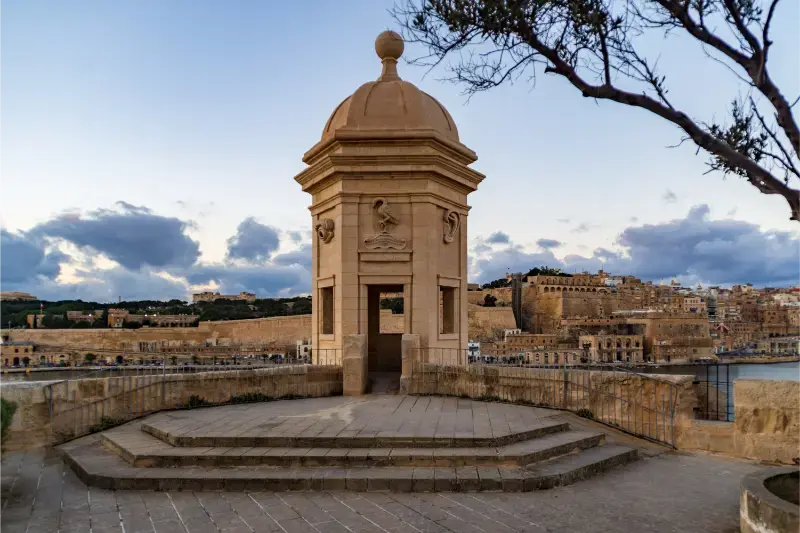
Malta looks tiny enough to cross in an afternoon. That is true geographically and misleading practically. Buses, ferry connections, summer traffic and the temptation to visit every historic site can make a seven-day holiday feel much busier than the map suggests.
This itinerary uses only two bases: the Valletta area for Malta’s main island and Gozo for a slower final section. Mdina, the Three Cities and selected coastal stops become day trips rather than reasons to repack.
The official Visit Malta tourism site emphasises Malta’s mix of history, sea, food, Gozo and cultural experiences. That mix is exactly why a balanced week should not be built entirely around beaches or entirely around monuments.
Quick trip summary
- 4 nights around Valletta/Sliema, 2 nights Gozo, final departure day.
- Use buses and ferries rather than renting a car unless mobility or family needs strongly favour one.
- Visit Mdina early or later in the day.
- Sleep on Gozo instead of seeing it only through a rushed day tour.
- Keep Comino optional and weather-dependent.
Why this route works
Valletta is the best cultural anchor because it is compact, ferry-connected and full of museums, churches and evening atmosphere.
Mdina and Rabat work naturally together and do not need a separate hotel. The Three Cities are also close enough for a half or full day from Valletta.
Gozo deserves at least two nights because its appeal is slower: villages, coast, walking and a different evening rhythm after day visitors leave.
A realistic itinerary at a glance
| Days | Base | Main focus |
|---|---|---|
| 1–4 | Valletta / harbour area | Valletta, Three Cities, Mdina and coast |
| 5–6 | Gozo | Victoria, coast and villages |
| 7 | Departure | Return to main island with buffer |
Day-by-day plan
Day 1: Valletta arrival
Walk Republic Street, the waterfront edges and one viewpoint rather than starting with multiple ticketed interiors. Valletta’s slopes are short but cumulative.
Day 2: Valletta properly
Choose St John’s Co-Cathedral and one major museum or historic interior, then leave time for Upper Barrakka, cafés and the city after the daytime crowds thin.
Day 3: Three Cities
Use the harbour ferry where convenient and explore Birgu slowly. Forts, waterfronts and lanes can fill most of the day without crossing the island.
Day 4: Mdina and Rabat
Travel inland early. Mdina is small but benefits from unhurried walking, while Rabat’s sites and lunch options make the outing more substantial. Return before the evening commute becomes tiring.
Day 5: Move to Gozo
Take the ferry, check in and keep the first afternoon for Victoria/Citadel or a nearby village. Do not attach a full island tour to the transfer day.
Day 6: Gozo coast day
Choose a focused loop based on weather: one coastal area, a village, perhaps a boat if conditions are good. Gozo is not improved by trying to stop at every viewpoint.
Day 7: Return and depart
Give the ferry and onward airport transfer a wide buffer. If the flight is early, consider returning to the main island the night before.
Where to stay and how many hotel changes to make
Valletta is atmospheric but can be expensive and hilly; Sliema or another harbour-connected base can be practical for families.
On Gozo, Victoria is easiest without a car, while a coastal village is better if relaxation matters more than bus connectivity.
Historic Maltese buildings can have narrow stairs and small lifts, so accessibility questions should be specific.
Location matters more than a small difference in room price because a badly placed hotel can turn every meal and attraction into another transfer. Check the walking route from the station or drop-off point, not only the straight-line distance shown on the booking map.
In historic centres, charm can come with stairs, small lifts, street noise and difficult taxi access. Recent guest reviews often reveal these details better than the room description, especially for families, older travellers and anyone carrying large luggage.
Transport: what is worth planning in advance
Public buses cover the islands extensively, but journey times can stretch in traffic; avoid planning back-to-back timed entries across Malta.
Harbour ferries are both practical transport and a sightseeing experience.
The Malta–Gozo connection is straightforward, but always confirm the current ferry option and terminal that fits your route.
Think door to door rather than station to station. Checkout, the trip to the terminal, waiting time, luggage and the final ride to the next hotel can turn a short headline journey into half a travel day.
Book fixed tickets early only when the savings justify losing flexibility. On days that depend on weather, a late-running tour or a long international arrival, flexibility can be worth more than the cheapest fare.
Food and daily rhythm
Pastizzi make a useful snack, not a balanced meal plan. Use bakeries, fish restaurants and Maltese dishes as part of the day rather than chasing a viral food list.
On Gozo, evening dining can be quieter and more seasonal, so check opening days if staying outside Victoria.
Use food to shape the pace of the day. A long regional lunch or market stop can be an experience in its own right and often gives the group the rest needed before another museum, fortress or evening walk.
Do not force every meal to be famous or traditional. Mixing local specialties with simple breakfasts and familiar food is especially sensible on hot days, after long drives or when travelling with children.
Families, children and older travellers
Short ferry rides and fortified cities work well with children because the day changes format frequently.
Summer heat can make exposed stone streets demanding for young children and older travellers.
A taxi for one awkward cross-island leg can be better value than forcing a tired group through two bus changes.
For multigenerational travel, plan around the slowest comfortable pace rather than the maximum that the most energetic person can achieve. This produces better shared days and usually fewer last-minute taxi rides.
Give children and teenagers variety: a fortress after a museum, a beach after archaeology, a boat after a city walk. Changing the format is often more useful than adding another headline attraction.
Budget: where the money really goes
Malta can be moderate compared with some Mediterranean islands, but central summer accommodation and boat trips raise the total quickly.
Public transport reduces car and parking costs, while occasional ride-hailing can still fit comfortably into the budget.
Compare total trip cost, not only room rates and headline transport fares. Parking, luggage, transfers, mandatory fees and the time lost reaching a remote hotel can erase apparent savings.
The best upgrades usually remove friction: a central hotel, a private transfer on the hardest leg, an experienced guide where context matters, or a direct connection that saves a full afternoon.
Best time to go
Spring and autumn are excellent for walking and heritage sightseeing.
Summer is best for swimming but requires heat management and more patience with traffic and crowds.
Shoulder season often gives the best balance between weather, room availability and crowd levels, but seasonal transport and attraction hours may be reduced. Always check the exact month rather than relying on a generic ‘best time’ label.
Heat, rain, wind and short daylight change what a realistic sightseeing day looks like. Move outdoor priorities to the best part of the day and protect indoor alternatives instead of following the same schedule in every season.
Comfort, accessibility and realistic pacing
Use early mornings for exposed historic areas and save shaded interiors or sea time for hotter hours.
Two bases are enough for a week; a third hotel adds very little because Malta’s distances are short.
Travel fatigue compounds. A difficult transfer on Day 3 can make Days 4 and 5 worse as well, which is why this itinerary avoids one-night stops unless they solve a genuine geographical problem.
A free half-day is not wasted time. It is insurance for weather, a delayed transfer, laundry, a child who needs a quiet afternoon or an attraction you discover only after arriving.
Small decisions that improve the trip
Sleep on Gozo
The island feels different after excursion traffic leaves.
Keep Comino optional
Weather and crowd conditions determine whether a boat day improves the trip.
Do not rent a car automatically
Driving on the left, parking and narrow roads can add stress when buses, ferries and taxis already cover this route.
What I would leave out on this length of trip
Leave a full diving programme or multiple beach days for a more sea-focused trip.
Skip trying to see every megalithic temple, fort and church in one week.
Mistakes that make this trip harder than it needs to be
- Treating Malta as small enough to cross repeatedly every day.
- Doing Gozo only as a rushed coach tour.
- Booking timed attractions on opposite sides of the island.
- Underestimating summer heat on limestone streets.
- Choosing a Valletta hotel without checking stairs.
- Connecting Gozo directly to a tight flight.
How I would adapt the itinerary
With four days, stay on the main island and make Gozo a carefully chosen day trip.
With ten days, add more Gozo time and one dedicated beach or archaeology day.
Before booking
- Check current ferry information.
- Map bus travel times, not only distances.
- Verify hotel lift access.
- Keep boat plans weather-flexible.
- Return from Gozo early enough for the flight.
Practical questions
Do I need a car in Malta?
No for this itinerary. A car can help specific mobility needs or remote exploration, but it is not required.
Valletta or Sliema as a base?
Valletta wins for atmosphere and history; Sliema can be easier for hotels, flat waterfront walking and some transport connections.
Is Gozo worth two nights?
Yes. Staying overnight changes it from a sightseeing circuit into a slower island experience.
Final thoughts
A week in Malta works best when the country’s small size reduces hotel changes instead of increasing daily mileage.
Four nights around the Grand Harbour and two on Gozo create enough history, sea and local life for a varied first trip.